
How Can I Check for Rust Before an MOT?
For many vehicle owners in the UK, the annual MOT test is a source of significant anxiety. While many focus on emissions or tyre tread, it is often the silent, creeping threat of corrosion that leads to a "Major" or "Dangerous" defect notice. Rust isn't just a cosmetic issue; it is a structural concern that directly impacts the safety and longevity of your vehicle.
If you are wondering, "How can I check for rust before an MOT?", you are already taking the right step toward ensuring your vehicle remains on the road. Identifying issues early not only helps you pass the test but also prevents a manageable repair from turning into a costly structural failure. At Rustec, we specialise in the highest-quality car rust proofing, providing a professional shield against the UK’s harsh, salt-laden roads.
In this comprehensive guide, we will walk you through the meticulous steps of identifying underbody rust, understanding what MOT testers look for, and how to protect your investment for the long term.
Why Rust is a Leading Cause of MOT Failure
The Ministry of Transport (MOT) test exists to ensure that every vehicle on the road meets minimum safety and environmental standards. When it comes to corrosion, the tester is looking for anything that compromises the structural integrity of the vehicle or the safety of its occupants.
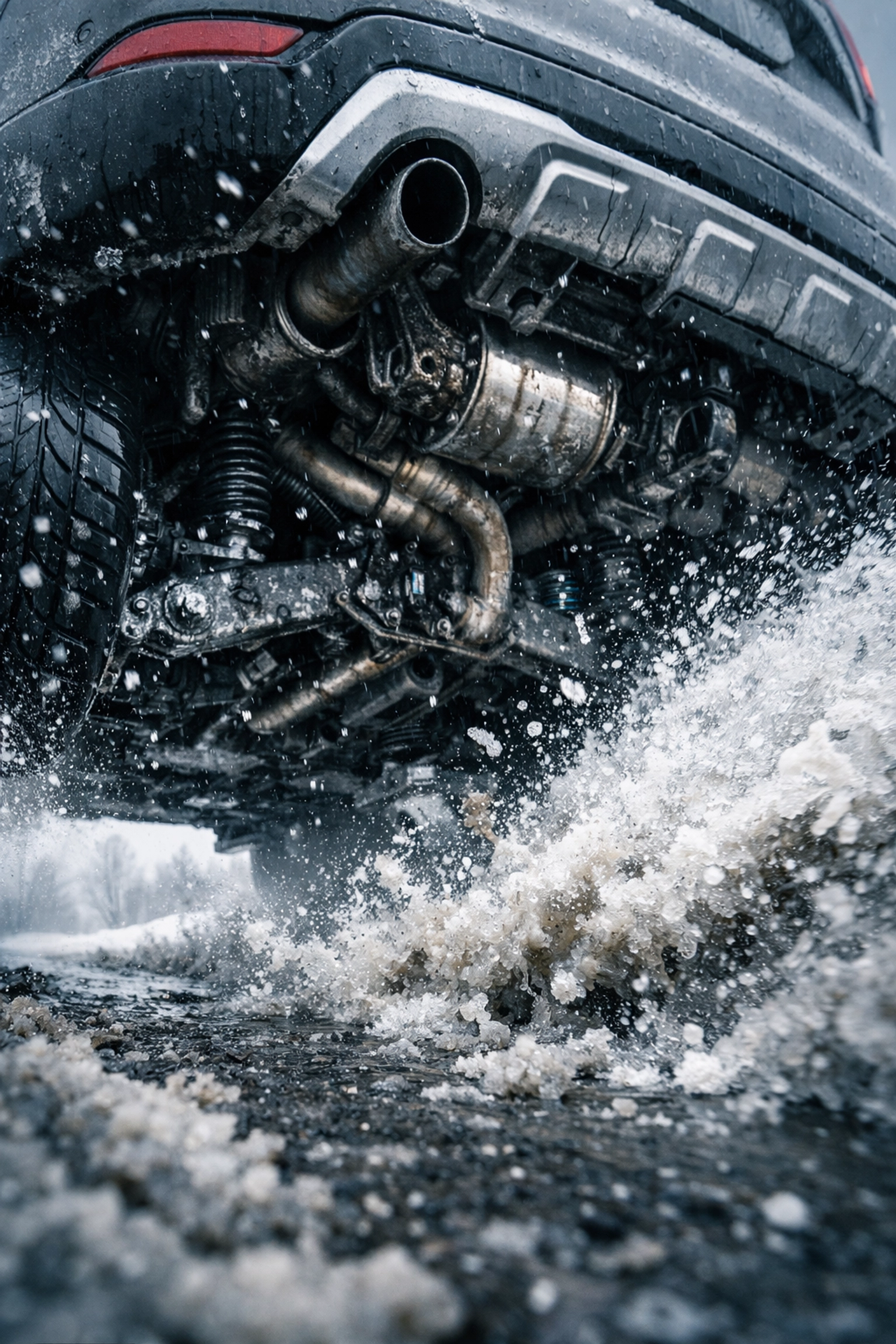
Rust is particularly aggressive in the UK due to our damp climate and the heavy use of road salt during winter. This salt accelerates the oxidation process, often starting in areas you cannot see from a simple walk-around. This is why many owners are surprised when their vehicle fails; the bodywork looks pristine, but the chassis is compromised.
How to Check for Rust at Home: A Step-by-Step Guide
Before you book your MOT, you can perform a preliminary inspection. You don’t need a professional workshop to spot the early warning signs, though a pair of overalls and a good torch are highly recommended.
1. The Visual Inspection (Surface Signs)
Start with the exterior panels. Look for "bubbling" under the paintwork. This is often a sign that rust is pushing through from the inside out. Pay close attention to the wheel arches and the bottom edges of the doors. If you see bubbles, it usually means the metal underneath is already oxidising. For more detail on this, you might find our article on why rust bubbles under paintwork helpful.
2. The Undercarriage Check
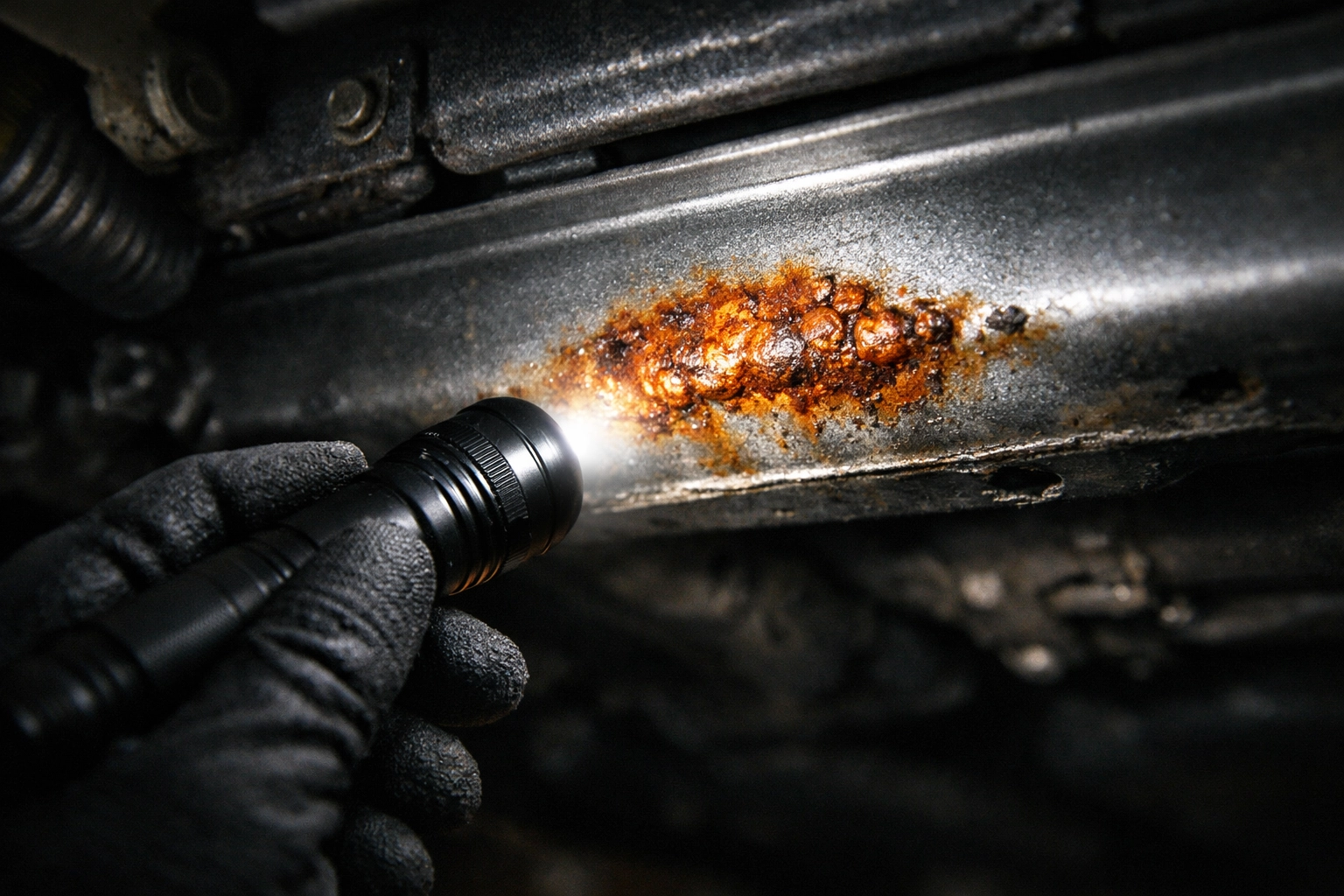
This is the most critical area for the MOT. If you can safely jack up your car and use axle stands (never work under a car supported only by a jack), look at the following:
The Sills: These run along the bottom of the car between the wheels. They are structural.
The Chassis Rails: These are the "bones" of your car. Any heavy flaking here is a red flag.
Suspension Mounting Points: Rust here affects how your car handles and can lead to sudden component failure.
3. The "Tap Test"
Use a small hammer or a screwdriver handle to gently tap along the chassis and sills. A healthy, solid frame will produce a sharp "tink" sound. If the sound is a dull "thud," or if the metal feels soft or crumbles away, you have structural corrosion. This is a common reason why your MOT failed due to rust.
4. The 30cm Rule
MOT testers use a specific guideline: any significant corrosion within 30cm of a "prescribed area" is an automatic failure. Prescribed areas include:
Brake master cylinders and pipes.
Steering components.
Suspension mounting points.
Seatbelt anchorage points.
If you spot heavy rust near these zones, it must be addressed before the test.
What Does Underbody Rust Look Like?
Rust presents itself in various stages. Understanding these can help you decide whether you need a simple cleaning and rust proofing car treatment or if you require professional welding.
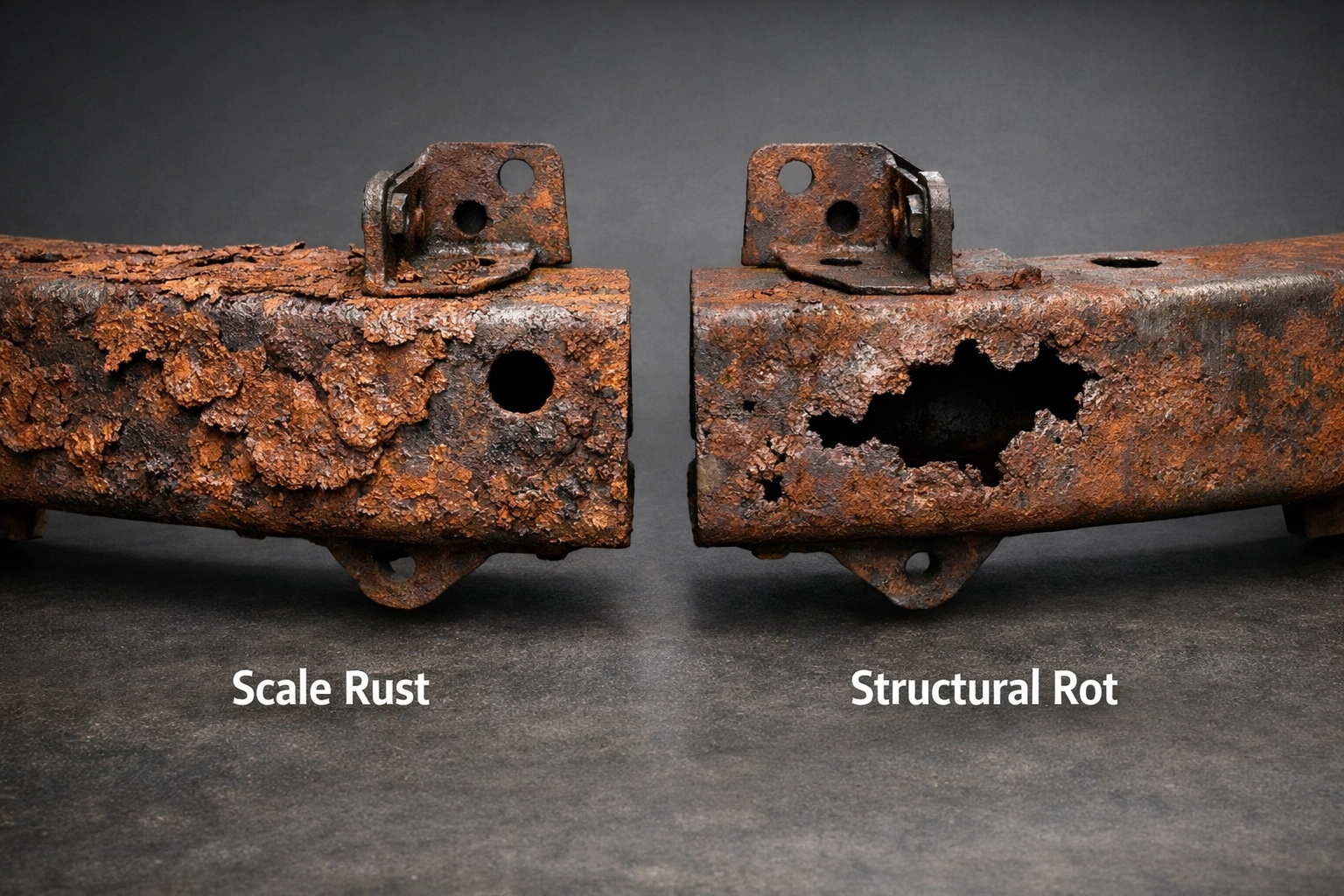
Surface Rust: This looks like a thin, reddish-brown film. It hasn't "pitted" or eaten into the metal yet. It is mostly cosmetic but will become structural if ignored.
Scale/Flaking Rust: The metal begins to expand and flake off in layers. This is the stage where you must act immediately to save the chassis.
Structural Rot: This is when the metal has holes (perforation) or has become so thin it can be bent by hand. If your chassis is at this stage, it will fail the MOT. However, many owners ask, "Can a rusty chassis be saved?" The answer is often yes, but it requires expert intervention.
Why Some Vehicles Look Fine but are Rusting Underneath
It is a common frustration, especially for van owners. You might have a Ford Transit or a VW Transporter that looks brand new from the side, yet the MOT tester informs you the underside is "rotten."
Vans and 4x4s are often built with box sections and "cavities." Moisture and road salt get trapped inside these hollow metal frames. Because the metal is unprotected on the inside, it rusts from the inside out. By the time you see it on the exterior, the structural damage is already done. This is why professional car rust proofing involves more than just a surface spray; it requires "cavity wax" injected into the internal frames.
If you own a commercial vehicle, protecting your asset is vital for resale value and operational uptime. You can read more about rust prevention for Ford Transit vans to see how we tackle these specific challenges.
The Rustec 10-Step Professional Protection Process
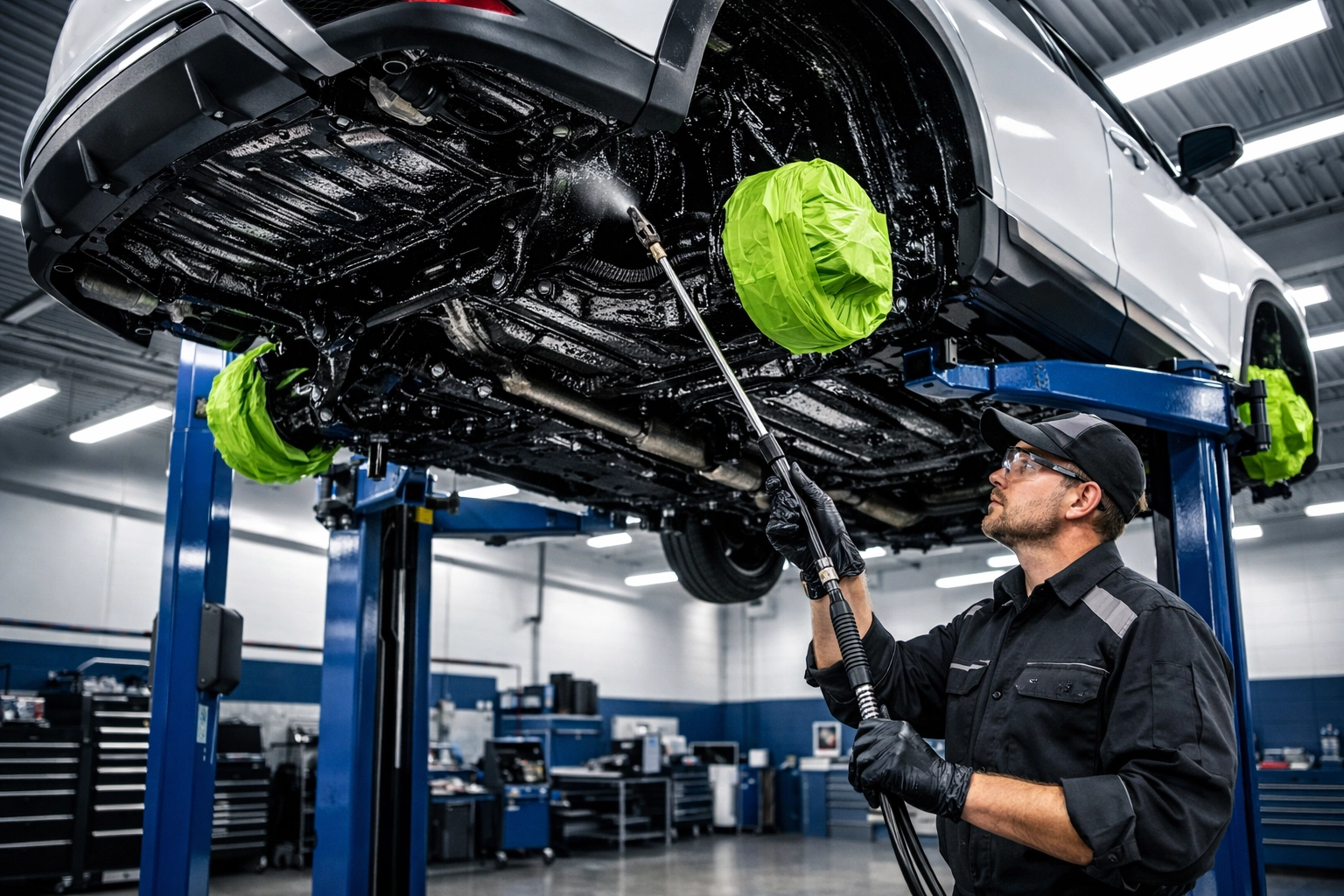
If your pre-MOT check has highlighted concerns, or if you simply want to ensure your vehicle never reaches the point of failure, our professional rustproofing near me service is the gold standard. We don't just "spray and go"; we follow a meticulous, multi-day process to ensure a "Life Long Dinitrol®" finish.
Comprehensive Inspection & Strip Down: We remove all undertrays, wheel arch liners, and heat shields to expose every inch of the chassis.
Meticulous Masking: We wrap the braking system, exhaust, and exterior paintwork to ensure the protectant only goes where it’s supposed to.
Thorough Undercarriage Steam Clean: We use high-pressure steam to remove years of salt, grease, and road grime.
Deep Drying: The vehicle is dried thoroughly using industrial heaters and air movers. Rustproofing over moisture is a recipe for disaster.
Corrosion Treatment: Any existing surface rust is treated with high-quality converters to neutralise the oxidation.
Cavity Wax Injection: Using specialist wands, we inject Dinitrol ML into the chassis rails, sills, and doors.
Underbody Sealant Application: We apply a robust layer of Dinitrol 4941 (or clear wax if preferred) to the exposed underside.
Meticulous Reassembly: All liners and shields are reinstalled to factory standards.
Quality Assurance: A final inspection ensures 100% coverage.
Documentation: You receive a full photo record of the work and our Rustec Guarantee.
Frequently Asked Questions
Can rust spread if I leave it untreated? Absolutely. Rust is like a cancer for metal. Once the oxidation process begins, it will continue to spread across the panel and deeper into the structure until the metal is entirely consumed.
Should I repair rust before rustproofing? Yes. Rustproofing is a preventative measure. If you have structural holes, these must be welded first. Applying underseal over a hole is not a repair and can lead to MOT failure if the tester believes you are hiding damage.
What is the difference between surface rust and structural rust? Surface rust is on the exterior of the metal and hasn't compromised the thickness or strength of the component. Structural rust means the metal has thinned or perforated, reducing the component's ability to withstand force.
How long does rustproofing last? A professional Dinitrol treatment at Rustec is designed for longevity. While we recommend a complimentary top-up check every few years, our premium applications provide "Life Long" protection. You can learn more about how long rustproofing lasts here.
Secure Your Vehicle’s Future with Rustec
Don't wait for the MOT tester to give you the bad news. Checking for rust is an essential part of responsible vehicle ownership in the UK. Whether you drive a classic car, a modern 4x4, or a hardworking van, the environment is working against you from day one.
At Rustec, we pride ourselves on being the leading authority in automotive corrosion protection. Our team of experts uses only the highest-quality products and a meticulous process to ensure your pride and joy remains rust-free throughout its life. We offer a transparent service, including photo documentation and a free courtesy car (subject to availability) to make the process as seamless as possible.
Protect your investment and guarantee your MOT peace of mind.
Please enquire when booking if you have specific concerns about your vehicle's underside. If you still have a question or would like more information, don't hesitate to get in touch with Helen or the team.
Enquire by filling out the quick quote box below – your vehicle deserves the Rustec Guarantee.
Comments