
Can a Rusty Chassis be Fixed?
- Lloyd Saunders
- Apr 15
- 6 min read
For many vehicle owners in the UK, the sight of orange-brown flakes on the underside of their vehicle can feel like a death sentence. Whether it is your daily driver, a commercial van, or your pride-and-joy 4x4, the question remains the same: Can a rusty chassis be fixed?
The short answer is yes. However, the long answer involves a spectrum of severity, professional assessment, and a meticulous restoration process. At Rustec, we specialise in identifying, treating, and preventing the spread of corrosion to ensure your vehicle remains structural and safe for a lifetime.
Understanding the Enemy: What Does Underbody Rust Look Like?
Before addressing the fix, we must understand what we are looking at. Rust (iron oxide) is the result of a chemical reaction between iron, oxygen, and moisture. In the UK, this process is accelerated by the salt and grit used on our roads during winter, which acts as a powerful electrolyte.
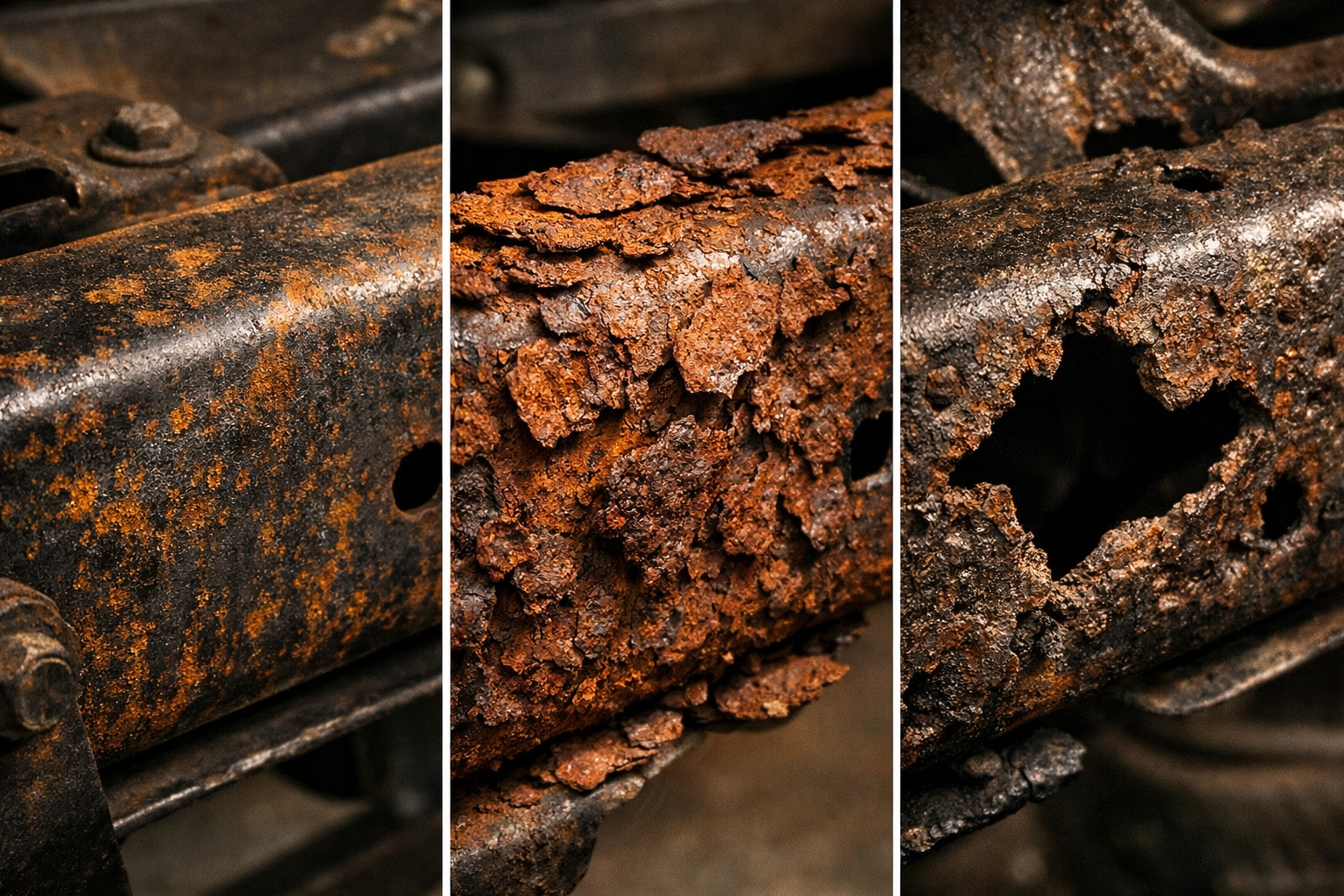
Underbody rust typically presents in three stages:
Surface Rust: This is the early warning sign. It looks like a thin layer of orange or brown "dusting" on the surface of the metal. While it hasn't compromised the metal's thickness yet, it is the foundation for future structural failure.
Scale Rust: This occurs when the rust begins to flake. The metal surface becomes rough, and you can often pick off small pieces with your fingernail. This is a sign that the corrosion is migrating deeper into the metal.
Structural (Pitting) Rust: This is the danger zone. Holes may appear, or the metal may become thin enough to flex under pressure. At this stage, the chassis’s integrity is compromised, and it will almost certainly lead to an MOT failure.
Why Does My Van Look Fine but Is Rusting Underneath?
It is a common frustration for owners of vans and 4x4s. The paintwork looks showroom-fresh, but a glance underneath reveals a horror show. This happens because modern manufacturers often focus their primary corrosion protection on visible panels. The chassis and undercarriage, meanwhile, are often left with nothing more than a thin layer of "transit paint" or a basic primer that is quickly worn away by road debris and moisture.
Furthermore, chassis rails are often hollow. Water and salt can enter these cavities and sit there, rusting the metal from the inside out. By the time you see "bubbling" on the outside, the internal structure may already be severely weakened.
Can a Rusty Chassis Be Fixed? The Repair Methods
If you have discovered rust during a pre-MOT check or a routine inspection, do not panic. Depending on the severity, there are several ways to address the issue.
01: Surface Remediation and Coating
If the rust is limited to the surface or early-stage scaling, it can be fixed through a professional restoration process. This involves removing the loose corrosion, treating the remaining metal with a high-quality rust converter, and applying a premium protective barrier like Dinitrol®. This is the most cost-effective way to "fix" a rusty chassis before it requires fabrication.
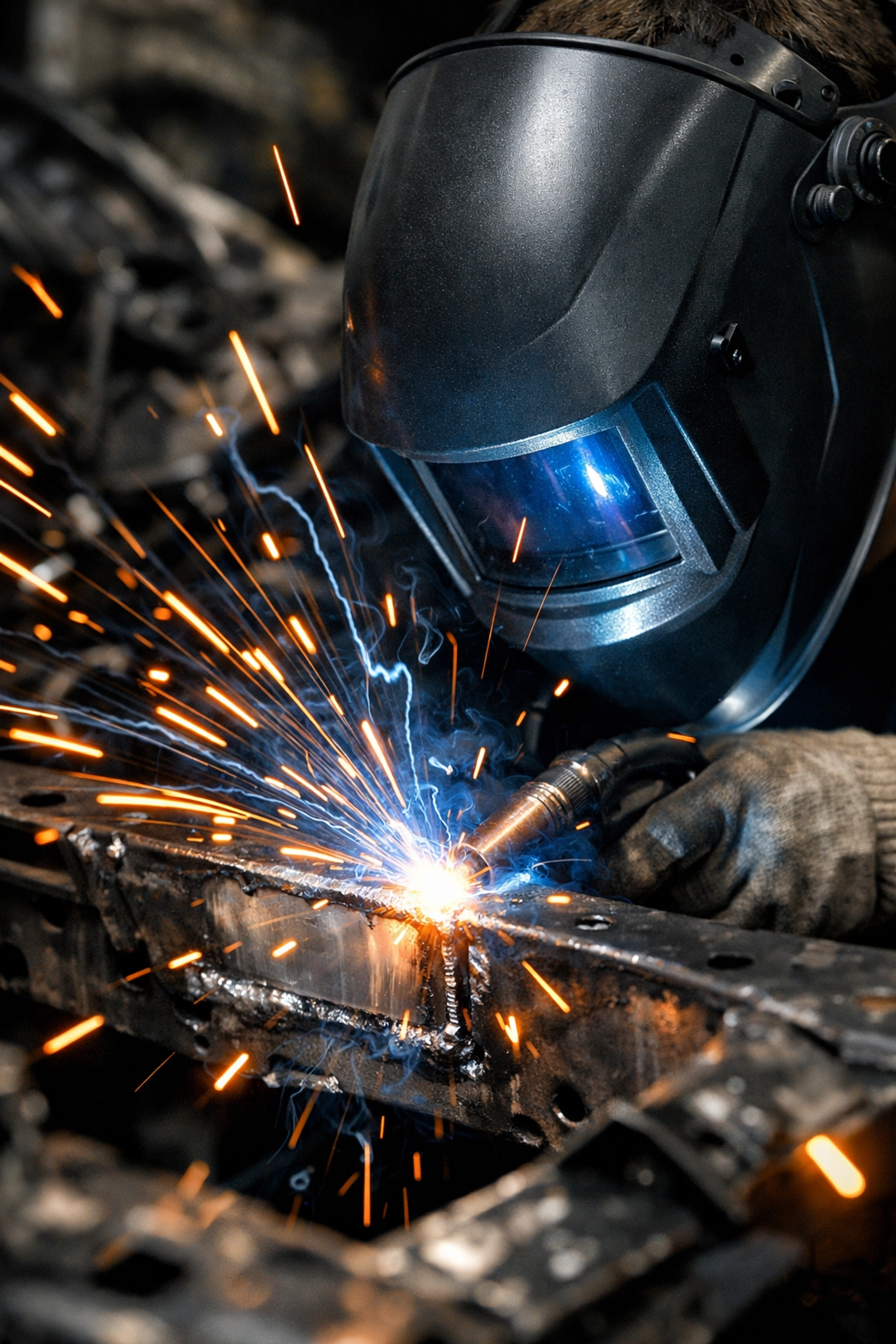
02: Welding and Fabrication
If the rust is structural (holes or thinning metal), the only safe fix is to cut out the affected area and weld in fresh steel. For many popular models like the Toyota Hilux or Land Rover Defender, repair sections and "half-chassis" kits are available. While more expensive than simple rustproofing, a professionally welded chassis can be just as strong as the original.
03: Full Chassis Replacement
In extreme cases where the corrosion is widespread, a full chassis replacement may be necessary. This is most common in the classic car and high-value 4x4 community.
Should I Repair Rust Before Rustproofing?
This is a critical question we hear at Rustec. Yes, structural rust must be repaired before any underseal is applied.
Applying underseal over a hole or a severely weakened section of the chassis is not a repair, it is a concealment. Not only is this dangerous, but it is also an MOT failure if a tester believes rust is being hidden. At Rustec, our comprehensive inspection process ensures we never "mask" a problem. If your vehicle requires welding, we will inform you before proceeding with our premium treatment packages.
The Rustec Way: Our Professional Restoration Process
If you are searching for "car undersealing near me" or "car underseal near me," you need more than just a quick spray. You need a meticulous, multi-stage process that guarantees longevity. Here is how we handle vehicles with existing rust to ensure the best possible outcome.
01: Comprehensive Inspection & Strip Down
We begin by removing plastic guards, heat shields, and wheel arch liners. This is the only way to find hidden rust traps. We provide photo documentation throughout the process so you can see exactly what we see.
02: Thorough Undercarriage Steam Clean
Using high-pressure, high-temperature steam, we remove years of road grime, salt, and grease. This reveals the true state of the metal underneath.
03: Mechanical De-rusting
For vehicles with existing scale, we meticulously remove the loose rust using specialized tools. This creates a sound surface for the chemical treatments to bond to.
04: Chemical Rust Conversion
We apply high-performance rust converters to any remaining surface oxidation. This chemically transforms the rust into a stable, primed surface, stopping the corrosion process in its tracks.
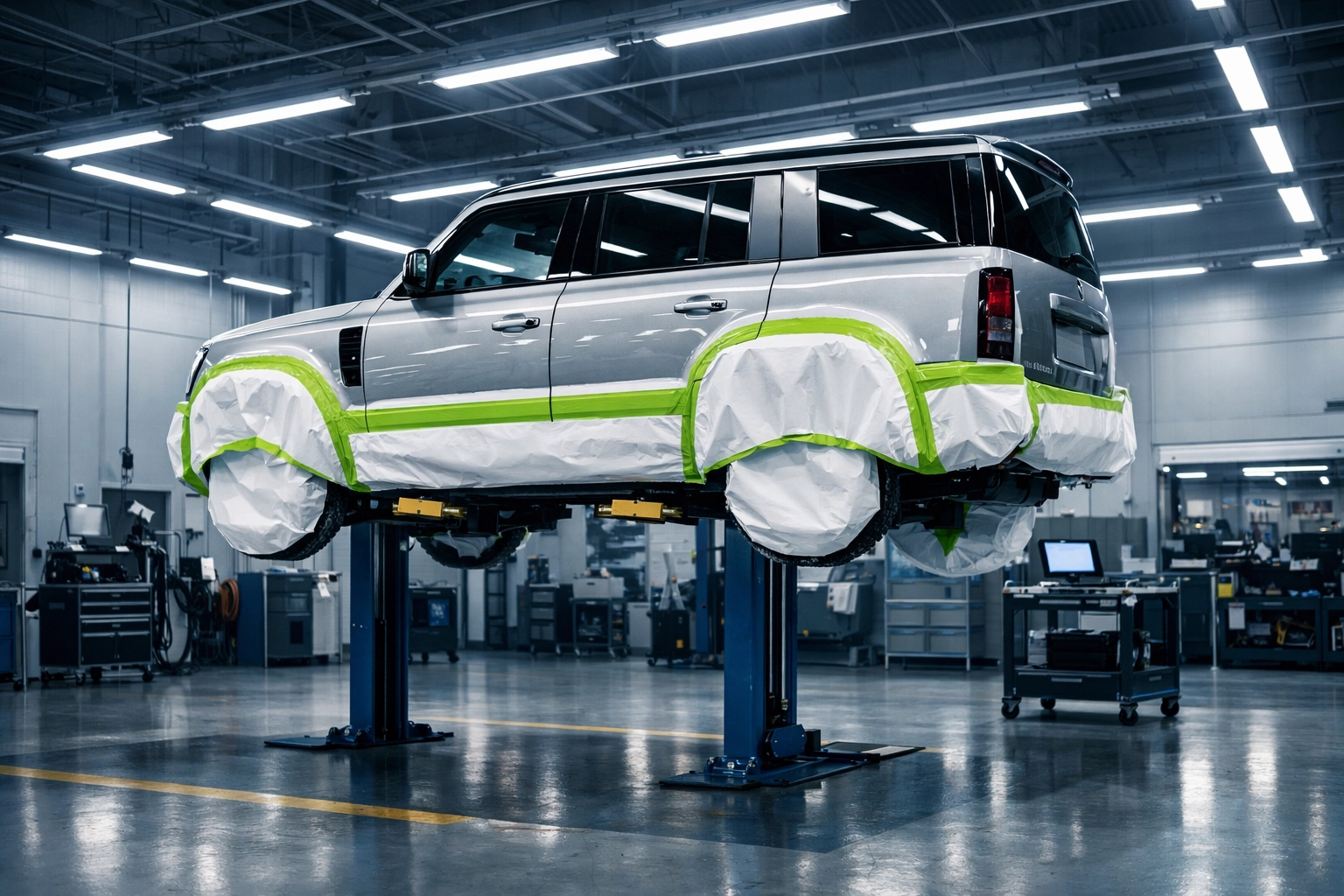
05: Meticulous Masking
We take great pride in our precision. All sensitive components, brakes, exhaust systems, sensors, and engine parts, are meticulously masked up to ensure the protective coatings only go where they are intended.
06: Application of Life Long Dinitrol®
We use the highest-quality products available. A heavy-duty, wax-based underseal (such as Dinitrol 4941) is applied to the exterior chassis, while a specialized cavity wax (Dinitrol ML) is injected into the hollow sections of the frame to protect it from the inside out.
How Can I Check for Rust Before an MOT?
A rusty chassis is one of the most common reasons for MOT failure in the UK, particularly for vehicles over five years old. To check your vehicle at home:
The Tap Test: Use a small hammer or the handle of a screwdriver to gently tap the chassis rails. A healthy chassis should produce a sharp "ping" sound. A dull "thud" often indicates that the metal is thin or full of internal rust.
Look for Bubbling: If the paint on your chassis looks like it is bubbling or "lifting," there is almost certainly rust underneath.
Check the Seams: Rust often starts where two pieces of metal are joined together. Pay close attention to the areas around the suspension mounting points and fuel tank straps.
If you are unsure, it is always better to seek a professional opinion. We offer comprehensive inspections at all our locations, including Rustec Newport, Rustec Swindon, and Rustec Leeds.
Why Choose Professional Car Rust Proofing?
While there are many DIY products on the market, professional car rust proofing offers several advantages that cannot be replicated on a driveway:
Specialist Equipment: We use high-pressure injection lances to reach deep into chassis cavities that a standard aerosol can simply cannot reach.
The Right Environment: Proper rustproofing requires a bone-dry vehicle. Our workshops are climate-controlled, ensuring the products bond perfectly to the metal.
The Rustec Guarantee: We stand by our work. Our treatments are designed for longevity, providing "Life Long" protection that raises the resale value of your vehicle.
Transparency: You will receive an official treatment service booklet and a full digital report of the work carried out.
Frequently Asked Questions
Can rust spread if I leave it untreated?
Absolutely. Rust is like a cancer for metal. Once it starts, it will continue to spread as long as moisture and oxygen are present. Treating it early is significantly cheaper than paying for structural welding later.
What is the difference between surface rust and structural rust?
Surface rust is aesthetic and can be cleaned off. Structural rust has "eaten" into the metal, reducing its thickness and strength. Structural rust is an MOT failure; surface rust is usually just an "advisory."
Is it worth fixing a rusty chassis?
In almost all cases, yes. The cost of a professional Rustec treatment is a fraction of the cost of a new vehicle. By protecting your current vehicle, you are avoiding the high depreciation and interest rates associated with buying a replacement.
Can you rustproof electric cars?
Yes, electric cars are just as susceptible to underbody corrosion as internal combustion vehicles. In fact, due to the weight of the batteries, maintaining structural integrity is even more important. For more on this, read our article: Do Electric Cars Rust?.
Protect Your Investment Today
Whether you are based near Rustec Canterbury, Rustec Oxford, or Rustec Leicester, our team of experts is ready to help you preserve your vehicle.
Don't wait for the MOT tester to give you the bad news. Take a proactive approach to vehicle maintenance and ensure your pride and joy remains rust-free for its entire life.
Enquire by filling out the quick quote box below or visit one of our many locations across the UK. Our process is transparent, our products are premium, and our commitment to your vehicle's longevity is absolute.
Please enquire when booking about our free courtesy cars (subject to availability) to keep you on the road while we meticulously care for your vehicle. At Rustec, we provide the ultimate peace of mind with our 100% satisfaction guarantee.
Submit your enquiry today and let the experts handle your car rust proofing needs.