
Do electric cars rust?
With electric vehicles becoming an increasingly common sight on UK roads, many EV owners assume their modern, high-tech vehicles are immune to the age-old problem of rust. After all, electric cars represent the cutting edge of automotive technology, surely corrosion is a thing of the past?
Unfortunately, this is one of the most widespread misconceptions in the EV world. Yes, electric cars do rust. In fact, under certain conditions, they may be even more susceptible to corrosion than their petrol or diesel counterparts.
Understanding why this happens: and what you can do about it: is essential for protecting your investment and ensuring your electric vehicle remains in optimal condition for years to come.
The Sealed Battery Misconception
One reason EV owners often believe their vehicles are rust-proof is the sealed nature of the battery pack. It's true that the lithium-ion battery cells themselves are enclosed in protective casings, designed to be waterproof and resistant to environmental damage.
However, the battery is just one component of your electric vehicle. The structural integrity of your EV relies on the same fundamental materials used in conventional vehicles: steel and aluminium.
Your electric car's chassis, subframe, suspension mounts, rocker panels, wheel arches, door components, and underbody structures are all constructed from metal: and metal corrodes when exposed to moisture, oxygen, and road salt.
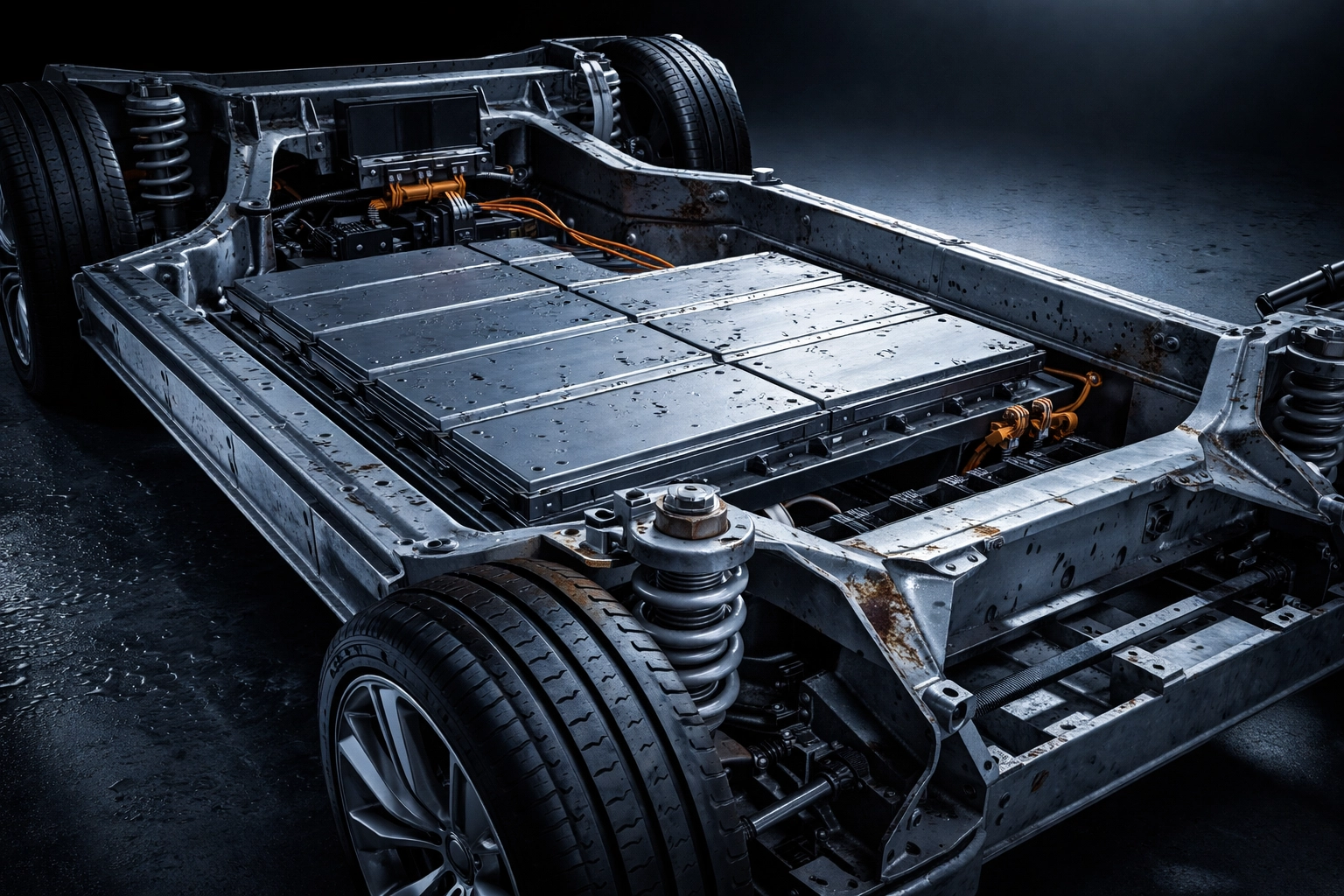
Why Electric Vehicles Still Rust
Despite their advanced technology, electric vehicles contain significant steel and aluminium components that are vulnerable to corrosion. These include:
Steel subframes and chassis components
Suspension mounts and brackets
Battery pack support structures
Rocker panels and sill sections
Door frames and hinges
Weld points and seams
Wheel arches and inner wings
Many EVs also utilise large metal battery trays, typically manufactured from steel or aluminium. While aluminium doesn't rust in the traditional sense, it does corrode: particularly when exposed to the aggressive chemical cocktail of UK winter road salt.
The fundamental chemistry of corrosion hasn't changed simply because the powertrain is electric. Where there's metal, moisture, and salt, rust will follow.
Why EVs May Actually Rust Faster Than Petrol Cars
Here's where it becomes particularly concerning for EV owners. Several factors unique to electric vehicles can actually accelerate the corrosion process compared to traditional internal combustion engine vehicles.
No Engine Heat to Dry the Underbody
Petrol and diesel engines generate substantial heat during operation. This heat radiates throughout the vehicle's underbody, helping to evaporate moisture and dry out salt deposits that accumulate during winter driving.
Electric vehicles run significantly cooler. Without that engine heat, moisture and salt residue can linger on metal surfaces for extended periods, giving corrosion more time to take hold.
Increased Vehicle Weight
EV battery packs are heavy: often adding several hundred kilograms to the vehicle's overall weight. This additional mass places greater stress on suspension components, brake parts, and chassis mounting points.
The increased weight also means that when your EV drives through salt-laden slush, that salt is pushed with greater force into seams, joints, and crevices where it can cause maximum damage.
Flat Underbody Design
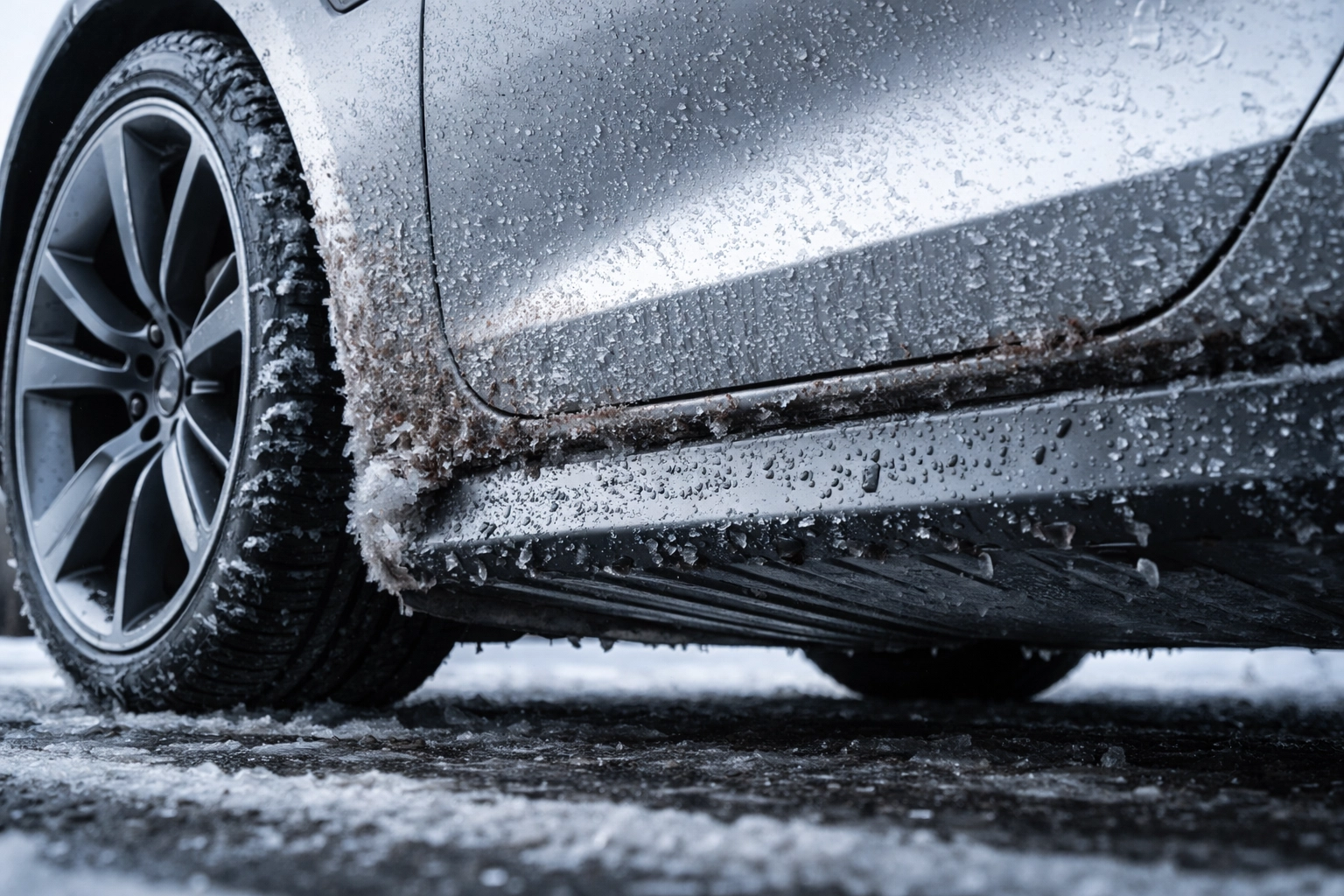
Many electric vehicles feature flat underbody panels and shields, designed to improve aerodynamic efficiency and protect the battery pack. While this improves range and efficiency, these flat surfaces can collect and retain salt deposits far longer than the more exposed underbodies of conventional vehicles.
Salt that would naturally fall away from a traditional car can sit on EV shields, slowly attacking any exposed metal components.
Thinner Factory Coatings
In the pursuit of efficiency and range, some manufacturers have reduced the thickness of anti-corrosion coatings applied during production. Every kilogram saved translates to additional range: but this can come at the cost of long-term corrosion protection.
Factory-applied coatings, while better than nothing, are rarely sufficient to withstand the harsh conditions found on UK roads, particularly during the winter months when councils spread millions of tonnes of road salt.
The Most Vulnerable Areas on Electric Vehicles
Certain areas of your EV are particularly susceptible to rust damage and warrant close attention:
Battery Tray Seams: The joins and welds around battery mounting structures can trap moisture and are often difficult to inspect without specialist equipment.
Rocker Panels and Sills: These structural components run along the bottom edges of your vehicle. On many EVs, they house wiring harnesses and electrical connections: meaning corrosion can expose critical electrical cables to the elements.
Wheel Arches and Inner Wings: Constantly bombarded with road spray, these areas bear the brunt of salt exposure during winter driving.
Suspension Components: Control arms, subframe mounts, and spring perches are all load-bearing components where rust can compromise structural integrity.
Weld Seams and Joints: Wherever metal panels meet, there's potential for moisture ingress and corrosion to develop.
Door Bottoms and Frame Sections: Drain holes can become blocked, trapping water inside door cavities where rust can spread unseen.
The Cost Implications of EV Rust Damage
When rust does take hold on an electric vehicle, the repair costs can be significantly higher than for conventional cars. EV components are often more integrated, with electrical systems, sensors, and wiring running throughout the vehicle's structure.
Corrosion that damages a rocker panel on a traditional car might be a straightforward repair. The same damage on an EV could compromise wiring looms, require specialist diagnostic equipment, and involve far more extensive labour to rectify safely.
Prevention is always more cost-effective than cure: and this is especially true for electric vehicles.
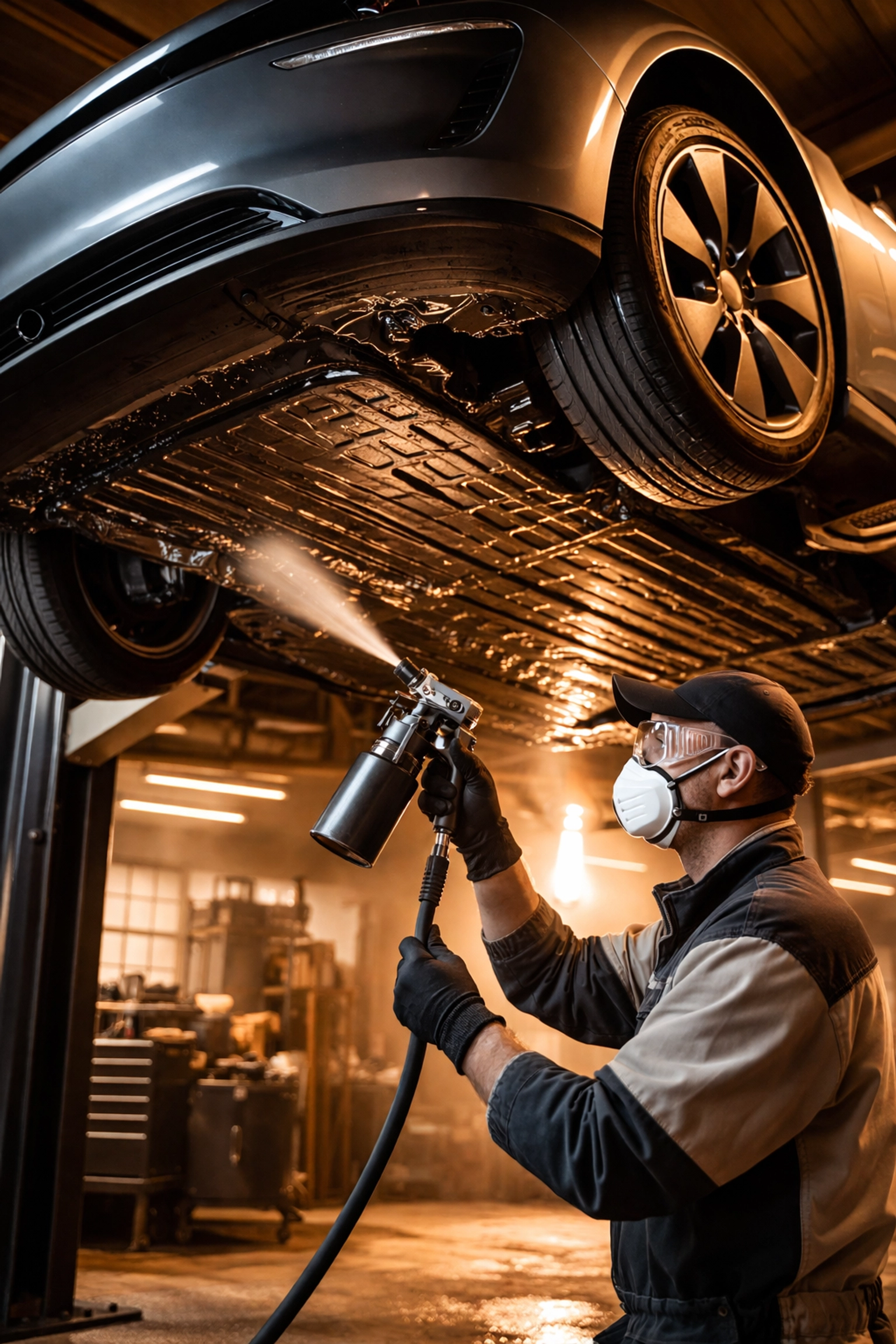
How to Protect Your Electric Vehicle from Rust
The good news is that electric vehicles respond just as well to professional rustproofing treatments as conventional cars. A comprehensive protection programme can safeguard your EV's metal components and ensure it remains rust-free throughout its life.
Regular Underbody Cleaning
During winter months, washing your vehicle's underbody regularly helps remove accumulated salt before it can cause damage. This is particularly important for EVs, which lack the engine heat to naturally dry out these areas.
Professional Rustproofing Treatment
A thorough rustproofing treatment from a specialist provider offers the most comprehensive protection available. This typically includes:
Complete underbody inspection to identify any existing corrosion
Thorough steam cleaning to remove dirt, salt, and old coatings
Application of premium cavity wax to internal box sections and hollow areas
Underbody sealing with high-quality protective compounds
Treatment of vulnerable seams, joints, and weld points
Premium products such as Dinitrol offer exceptional protection against the corrosive conditions found on UK roads, creating a durable barrier between metal surfaces and the elements.
Annual Inspections
Even with professional rustproofing in place, annual inspections allow any developing issues to be identified and addressed before they become serious problems. Many professional rustproofing services include follow-up checks as part of their guarantee.
Protecting Your Investment
Your electric vehicle represents a significant investment: both financially and environmentally. Allowing rust to compromise its structural integrity makes no sense when effective protection is readily available.
Whether you drive a Tesla, Nissan Leaf, Volkswagen ID series, or any other electric vehicle, the same fundamental truth applies: metal rusts, and UK road conditions accelerate that process.
Don't assume that modern technology has solved this age-old problem. Be proactive about protecting your EV's underbody, and you'll enjoy many years of trouble-free motoring while maintaining the resale value of your vehicle.
If you're concerned about rust on your electric vehicle, or you'd like to discuss rustproofing options for your EV, the team at Rustec can provide expert advice and comprehensive protection treatments designed to keep your pride and joy rust-free for a lifetime.
Comments