
Why your MOT failed due to rust (and what to do next)
Receiving an MOT failure notice due to rust can be both shocking and overwhelming, particularly when your vehicle appears sound from the outside. The reality is that rust-related MOT failures are becoming increasingly common across the UK, with corrosion being one of the leading causes of roadworthiness test failures. Understanding why your vehicle failed and what actions to take next is crucial for both your safety and your wallet.
Why Rust Causes MOT Failures
MOT inspectors are required to assess your vehicle's structural integrity and safety systems according to strict government guidelines. Rust failures occur when corrosion compromises the structural strength of your vehicle or poses a risk to critical safety components. The inspection focuses on areas where rust could affect the vehicle's ability to protect occupants during an accident or impact the proper functioning of essential systems.
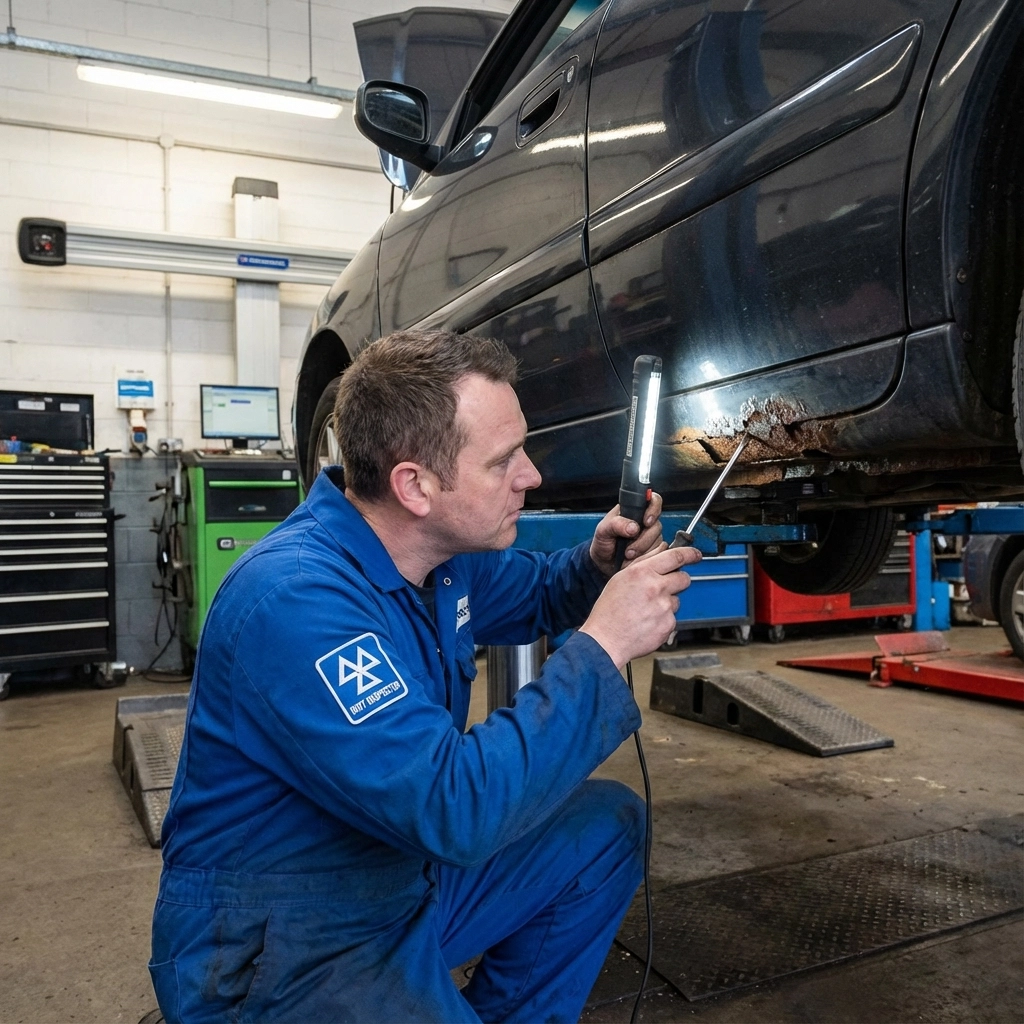
The MOT tester uses a combination of visual inspection and physical testing to assess rust damage. Inspectors will probe suspected areas with a screwdriver to determine the extent of corrosion beneath the surface, as rust often spreads far beyond what's visible to the naked eye. Even seemingly minor surface rust can mask extensive structural damage underneath.
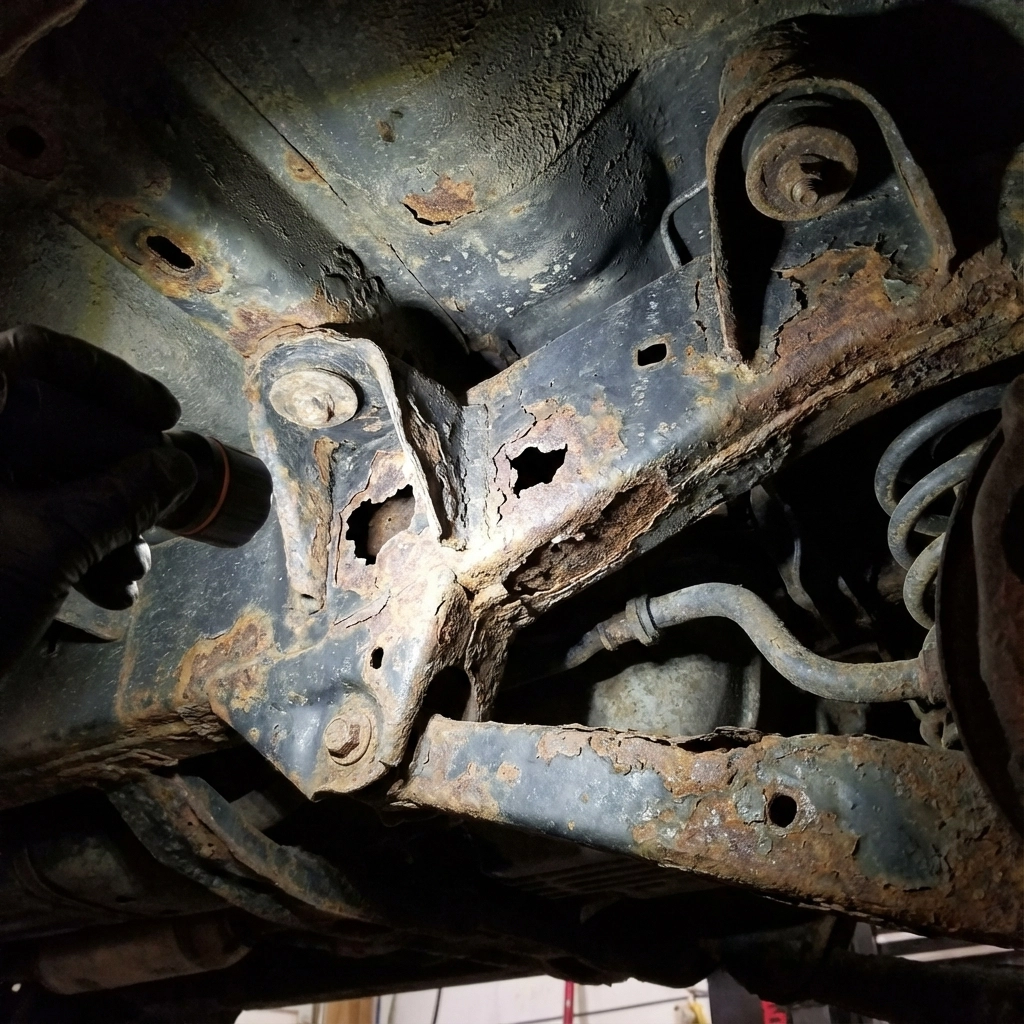
Critical Rust Failure Points
Understanding where rust commonly causes MOT failures helps you comprehend the severity of the issue and plan your next steps accordingly.
Structural Components
Chassis rails, wheel arches, and sills represent the most critical areas for rust-related failures. These components form the backbone of your vehicle's structural integrity. When rust compromises these areas, it directly affects the vehicle's ability to protect occupants and maintain proper handling characteristics.
Sills, in particular, are frequently cited in MOT failures because they're constantly exposed to road spray, salt, and debris. Rust in sills often requires complete section replacement rather than simple patch repairs, as these components must maintain their structural strength to pass inspection.
Proximity-Based Failures
One of the most frustrating aspects of rust-related MOT failures is the 30-centimetre rule. Any corrosion within 30cm of suspension mounting points, brake component mounting points, or steering component mounting points will result in an automatic failure, regardless of whether the rust directly affects the component itself.
This regulation exists because rust in these areas could potentially spread to critical components or weaken the mounting points themselves. Even minor corrosion near these areas requires immediate attention before your vehicle can pass its MOT.
Safety-Critical Systems
Rust affecting seatbelt mounting points, brake lines, or fuel lines represents an immediate safety hazard and will always result in MOT failure. Corroded brake lines pose particular risks as they can lead to complete brake system failure, while rusted fuel lines create fire hazards.
What Happens During the MOT Inspection
During the MOT test, inspectors follow a systematic process to identify rust-related issues. The examination includes both visual inspection and physical testing of suspected areas. Inspectors use tools to probe areas where rust is suspected, checking for structural weakness or perforation.
The tester will examine areas including the underside of the vehicle, wheel arches, door frames, sills, and any visible chassis components. They're specifically looking for rust that has created holes, significantly weakened metal, or spread to critical areas. Surface rust that hasn't compromised structural integrity may result in an advisory rather than a failure.
Immediate Steps After MOT Failure
Don't panic – receiving a rust-related MOT failure doesn't necessarily mean your vehicle is beyond repair. Your first step should be to carefully review the failure certificate to understand exactly which areas have been identified and the specific reasons for failure.
Request specific details from the MOT station about the extent of the rust damage. Ask to see the affected areas if possible, as this will help you understand the scope of work required. Some MOT stations will provide photographs or detailed descriptions of the problem areas.
Avoid driving the vehicle unless absolutely necessary until repairs are completed. While you have a short grace period to arrange repairs, driving a vehicle with structural rust damage could be dangerous and may invalidate your insurance if an accident occurs.
Repair Options and Approaches
The approach to rust repair depends significantly on the location, extent, and severity of the corrosion identified during your MOT.
Patch Welding Repairs
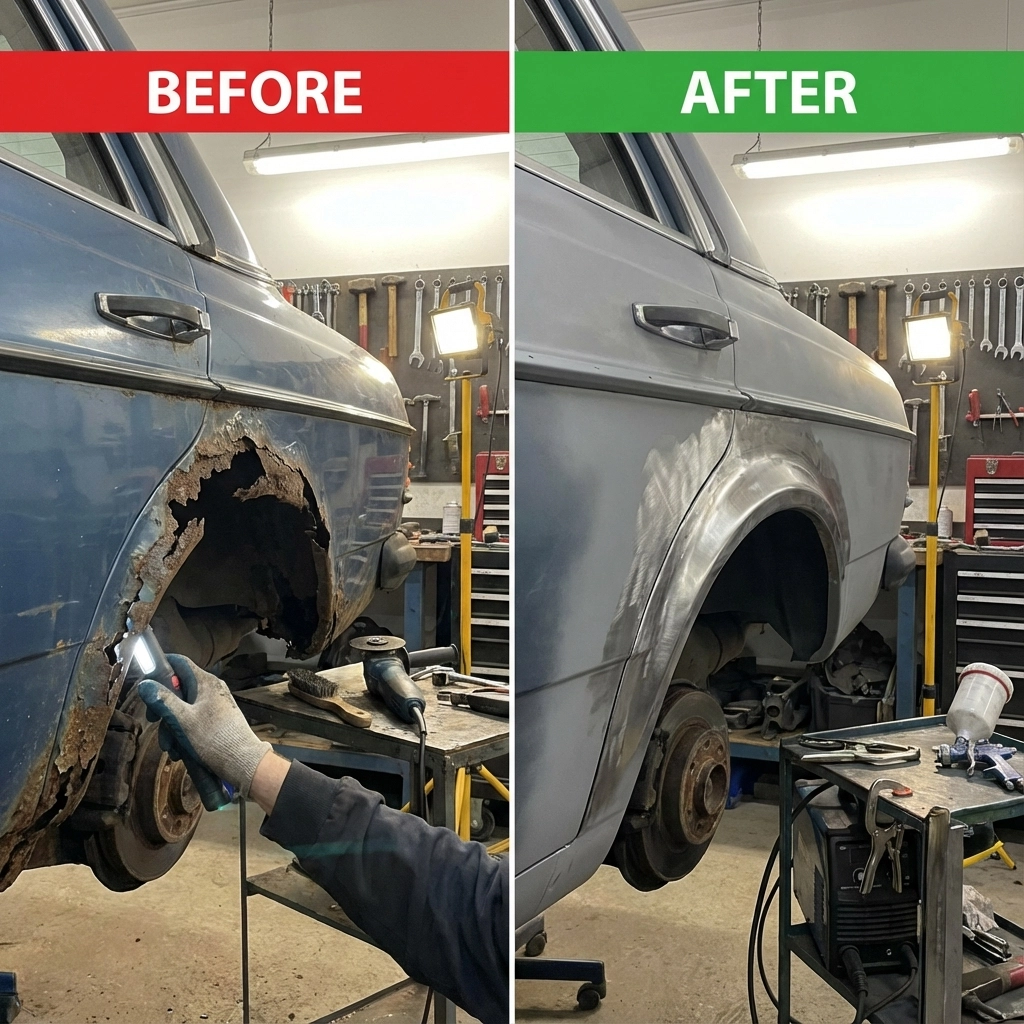
For localised rust damage, patch welding represents the most common repair method. This involves cutting out the affected area and welding in a new piece of metal. While cost-effective in the short term, patch repairs should be viewed as temporary solutions, particularly in high-stress areas.
Quality patch welding requires proper preparation, including complete rust removal from surrounding areas and appropriate priming and painting to prevent recurrence. Poor-quality patch work often fails within months due to inadequate preparation or inferior materials.
Section Replacement
When rust damage is extensive or affects critical structural areas, complete section replacement becomes necessary. This involves removing entire sections of chassis, sills, or wheel arches and replacing them with new metal components.
Section replacement provides the most durable repair but represents a significant investment. For older vehicles, the cost of extensive section replacement may exceed the vehicle's value, requiring careful consideration of economic viability.
Rust Conversion and Treatment
In some cases, particularly with early-stage rust, professional rust conversion treatments can halt the progression of corrosion and prepare the area for protective coatings. These treatments chemically convert rust into a stable compound that can be painted over.
However, rust conversion is only suitable for specific situations and should never be considered a substitute for proper metalwork where structural integrity has been compromised.
Prevention Strategies for the Future
Once repairs are completed, implementing a comprehensive rust prevention strategy becomes crucial for avoiding future MOT failures and protecting your investment.
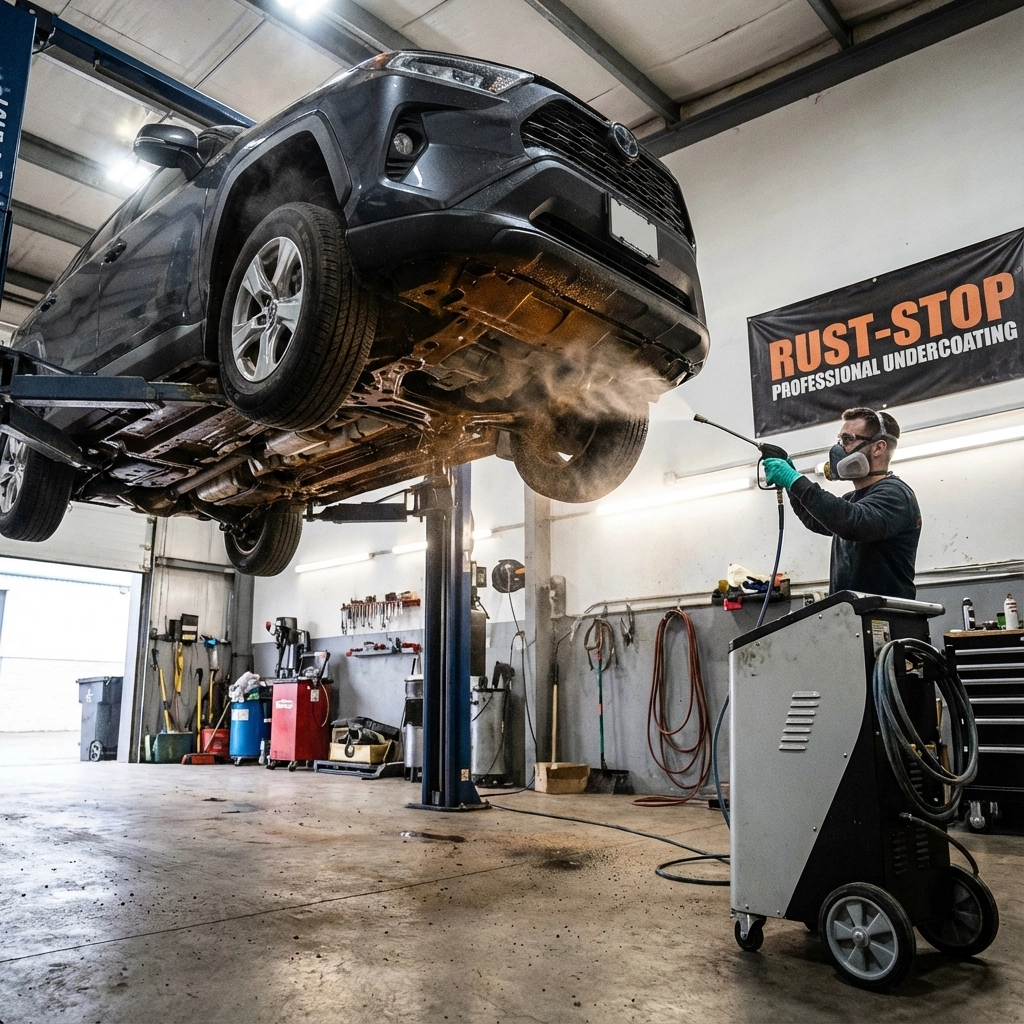
Professional rustproofing treatment represents the most effective long-term solution for preventing rust recurrence. Quality treatments like Dinitrol provide comprehensive protection for both repaired areas and previously unaffected components.
Regular maintenance and inspection should become part of your routine vehicle care. This includes washing the underside of your vehicle regularly to remove salt and debris, particularly during winter months when road salt usage peaks.
When Professional Assessment Becomes Essential
Consider seeking professional assessment when multiple areas are affected or when the extent of rust damage isn't immediately apparent. Experienced professionals can identify hidden rust damage and provide accurate cost estimates for comprehensive repairs.
Independent assessments can also help determine whether extensive repairs are economically viable or whether replacement might be more cost-effective. This is particularly relevant for older vehicles where repair costs could exceed the vehicle's value.
Professional rustproofing specialists can also provide guidance on preventing future issues and may offer comprehensive treatment packages that address both existing problems and long-term protection.
Making the Economic Decision
Weigh repair costs against vehicle value carefully when deciding whether to proceed with extensive rust repairs. Consider factors including the vehicle's age, mileage, general condition, and your intended period of ownership.
Factor in ongoing costs when making your decision. Vehicles with extensive rust damage often require repeated repairs as corrosion spreads to adjacent areas. Professional rust prevention treatment, while representing an upfront investment, can significantly reduce long-term maintenance costs.
Moving Forward with Confidence
Rust-related MOT failures, while concerning, represent repairable issues in most cases. The key lies in understanding the extent of the problem, selecting appropriate repair methods, and implementing effective prevention strategies to avoid recurrence.
Professional guidance throughout the repair and prevention process ensures that work is completed to appropriate standards and that your vehicle remains safe and roadworthy for years to come. Quality repairs combined with comprehensive rustproofing treatment provide the foundation for long-term vehicle reliability and MOT success.
Remember that addressing rust issues promptly and professionally not only ensures MOT compliance but also maintains your vehicle's value and safety standards. The investment in proper rust repair and prevention typically proves cost-effective compared to ongoing piecemeal repairs or premature vehicle replacement.
Comments