
Is rust still a problem on modern vehicles?
There is a common assumption among vehicle owners that rust is a problem of the past: a relic from the era of your grandfather's saloon car slowly dissolving in the driveway. With all the advancements in automotive manufacturing, surely modern vehicles are immune to corrosion?
The reality is quite different. Despite significant improvements in materials and protective coatings, rust remains a persistent and costly problem for modern vehicles. In fact, the global automotive rust protection market was valued at £1.6 billion in 2024 and is projected to reach £2.7 billion by 2033: clear evidence that corrosion continues to challenge vehicle owners worldwide.
Understanding why modern cars still rust is the first step toward protecting your investment and ensuring your vehicle maintains its structural integrity for years to come.
The Modern Manufacturing Misconception
Many vehicle owners believe that advances in automotive engineering have effectively eliminated the rust problem. After all, manufacturers now use galvanised steel, advanced primer coatings, and sophisticated paint systems. Surely these innovations have made corrosion a thing of the past?
While it is true that modern manufacturing techniques have improved, they have not eliminated the threat of rust. Here is why:
Lighter materials bring new vulnerabilities. To meet increasingly stringent fuel efficiency and emissions standards, manufacturers have incorporated lighter metal alloys into vehicle construction. While these materials reduce weight and improve performance, many are actually more susceptible to corrosion under specific environmental conditions than traditional steel.
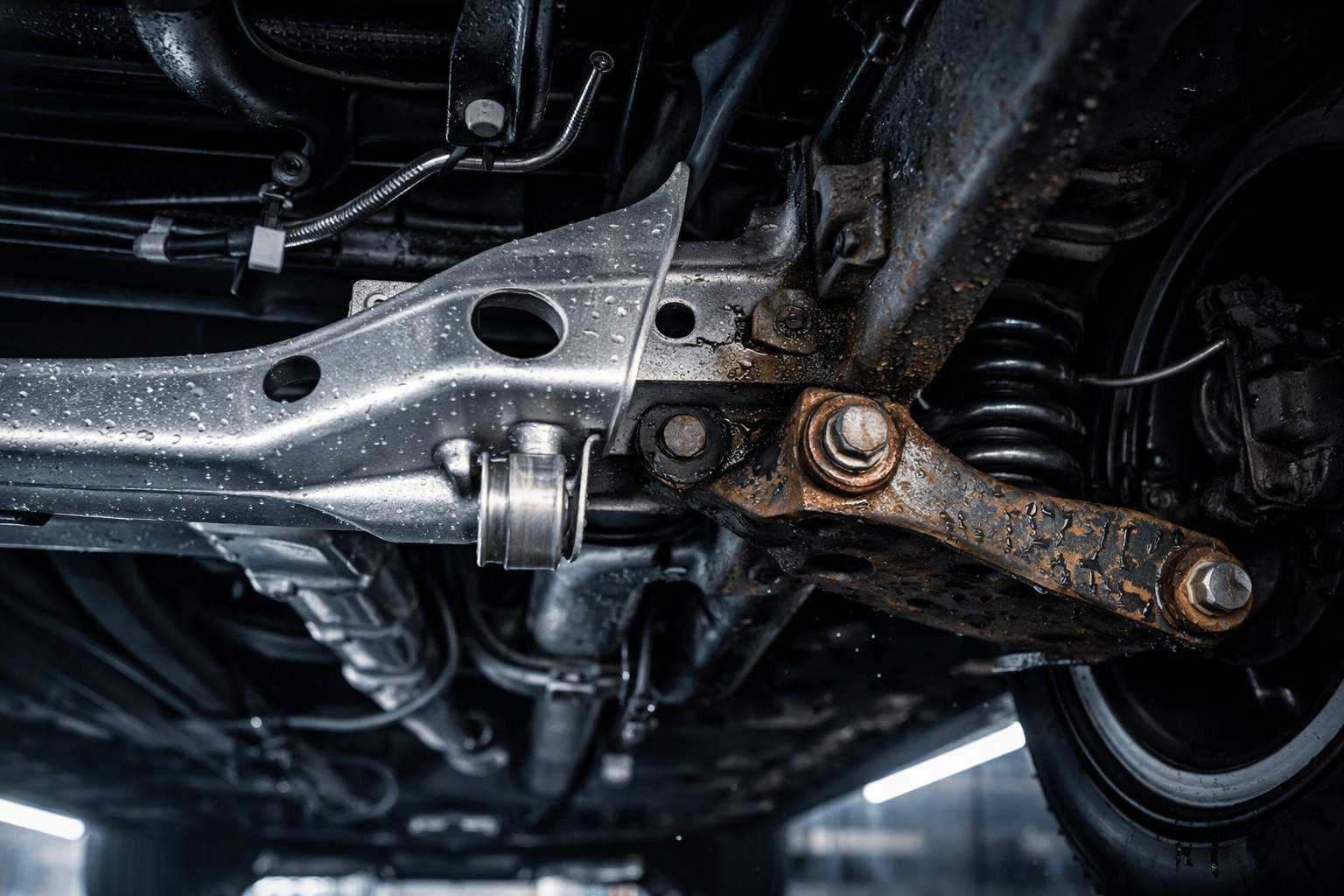
Factory protection has limitations. Manufacturers integrate protective coatings and paint layers during production, but these measures are far from foolproof. Factory rustproofing typically focuses on visible surfaces and may leave critical areas: particularly the underbody and internal cavities: with minimal protection.
Complex designs create hidden traps. Modern vehicles feature intricate designs with numerous folds, seams, and enclosed cavities. These areas can trap moisture, salt, and debris, creating perfect conditions for corrosion to develop unseen.
Why UK Roads Accelerate Corrosion
The United Kingdom presents particularly challenging conditions for vehicle preservation. Our climate and road maintenance practices combine to create an environment where corrosion thrives.
Road Salt: The Silent Destroyer
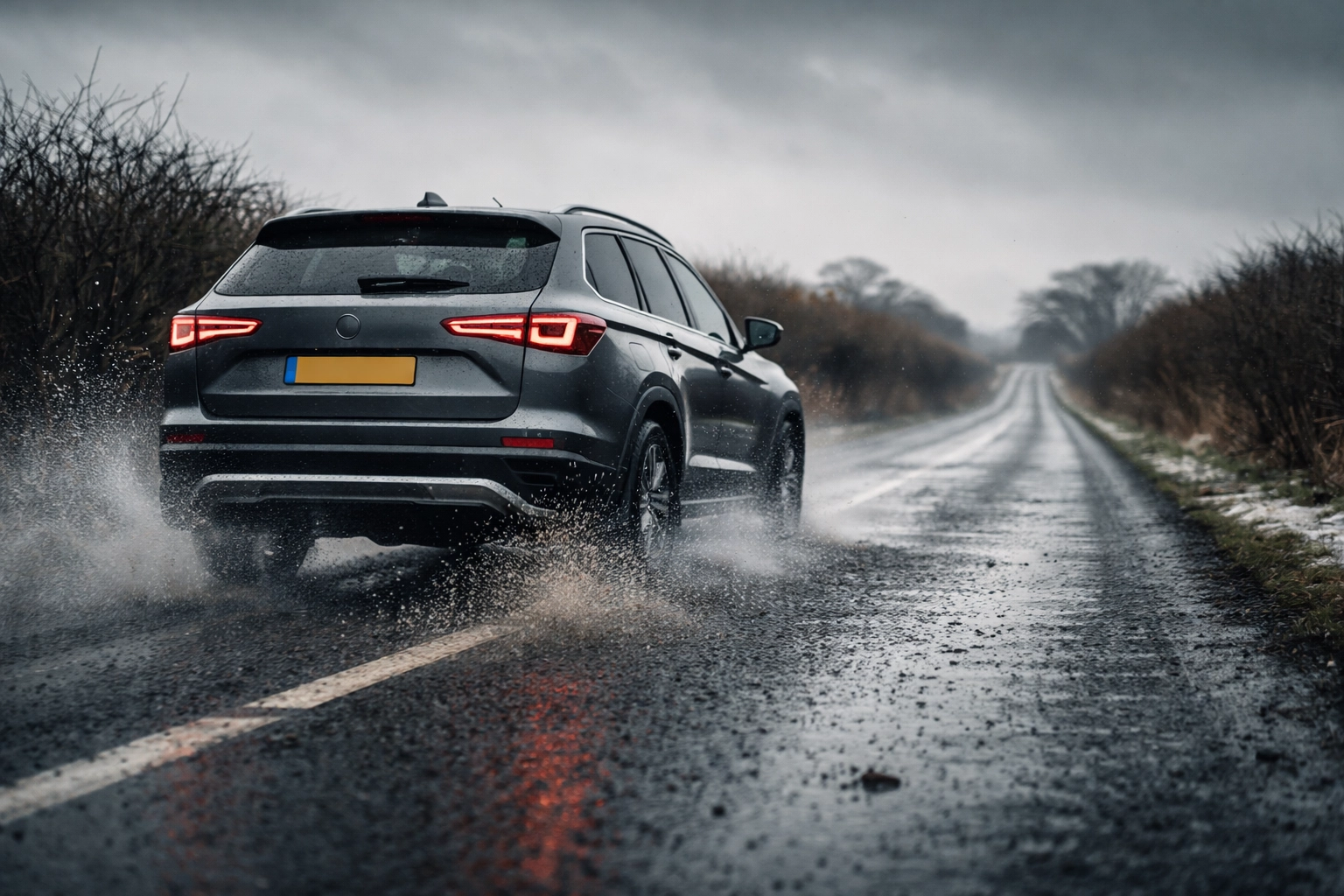
During winter months, local authorities spread approximately 1.5 million tonnes of road salt across UK roads annually. While essential for road safety, this salt is devastating for your vehicle's metalwork.
Salt dramatically accelerates the electrochemical reaction that causes rust. When salt-laden water reaches your vehicle's underbody, it creates a highly corrosive solution that attacks metal surfaces relentlessly. Studies show that vehicles in salt-heavy regions can lose structural integrity from extensive corrosion within just a few years.
Moisture and Humidity
The UK's temperate maritime climate means our vehicles are constantly exposed to moisture. Rain, fog, and high humidity levels all contribute to the oxidation process. Coastal regions face additional challenges, with airborne salt particles accelerating corrosion even during dry periods.
Road Debris and Stone Chips
UK roads expose vehicles to a constant barrage of stones, gravel, and debris. Each impact can chip away at protective coatings, exposing bare metal to the elements. Once that protective barrier is breached, rust begins forming almost immediately.
The Underbody: Your Vehicle's Most Vulnerable Area
While most vehicle owners focus on keeping bodywork pristine, the underbody often receives little attention: yet this is precisely where corrosion poses the greatest threat.
Your vehicle's underside faces direct exposure to:
Road salt spray that coats every surface during winter driving
Standing water that collects in seams and recesses
Mud and debris that trap moisture against metal surfaces
Stone impacts that damage protective coatings
The chassis, suspension components, brake lines, and fuel system are all located beneath your vehicle. Corrosion in these areas is not merely cosmetic: it represents a genuine safety concern. Structural rust can compromise the integrity of your vehicle's frame, potentially leading to MOT failures or, in severe cases, dangerous component failures.
Even Brand-New Vehicles Are Not Immune
Perhaps most surprising to many vehicle owners is that even brand-new cars can show signs of rust within their first few years on the road. Case studies have documented corrosion issues across the automotive industry, affecting vehicles from virtually every manufacturer.
Commercial vehicles face particular challenges. Even second-generation Mercedes-Benz Sprinter vans from 2013 onwards have been reported with significant rust problems. Work vans and commercial vehicles, which often cover higher mileages and face more demanding conditions, are especially vulnerable.
Premium brands are not exempt. Land Rovers, despite their reputation for rugged durability, are well-known for developing underbody corrosion. The same applies to Japanese manufacturers like Toyota: even the legendary Hilux and Land Cruiser models can develop serious rust issues in UK conditions.
Electric vehicles need protection too. Many owners assume that the advanced technology in electric vehicles extends to superior corrosion protection. In reality, EVs are just as susceptible to rust as their combustion-engined counterparts. The underbody, chassis, and suspension components still require protection from the elements.
The True Cost of Ignoring Rust
The financial implications of untreated corrosion are substantial. What begins as minor surface rust can spread rapidly, eventually requiring extensive repairs that far exceed the cost of preventive treatment.
Typical costs associated with rust damage include:
Sheet metal replacement for corroded panels
Structural repairs to compromised chassis components
Brake system overhauls when lines and components deteriorate
MOT failures requiring urgent remedial work
Reduced resale value as buyers avoid rust-affected vehicles
A comprehensive rustproofing treatment represents a fraction of these potential repair costs while providing long-term protection for your vehicle's structural integrity.
Protecting Your Modern Vehicle
Understanding that rust remains a genuine threat to modern vehicles is the first step. Taking proactive measures to protect your investment is the next.
Regular Maintenance Is Essential
Wash your vehicle regularly, paying particular attention to the underside, especially during winter months when salt accumulates
Inspect moisture-prone areas such as wheel arches, door sills, and underbody recesses
Address stone chips promptly before rust can take hold
Clear drainage channels to prevent water accumulating in vulnerable areas
Professional Rustproofing Offers Comprehensive Protection
While regular maintenance helps, professional rustproofing treatment provides the most thorough and long-lasting defence against corrosion.
A comprehensive rustproofing service includes:
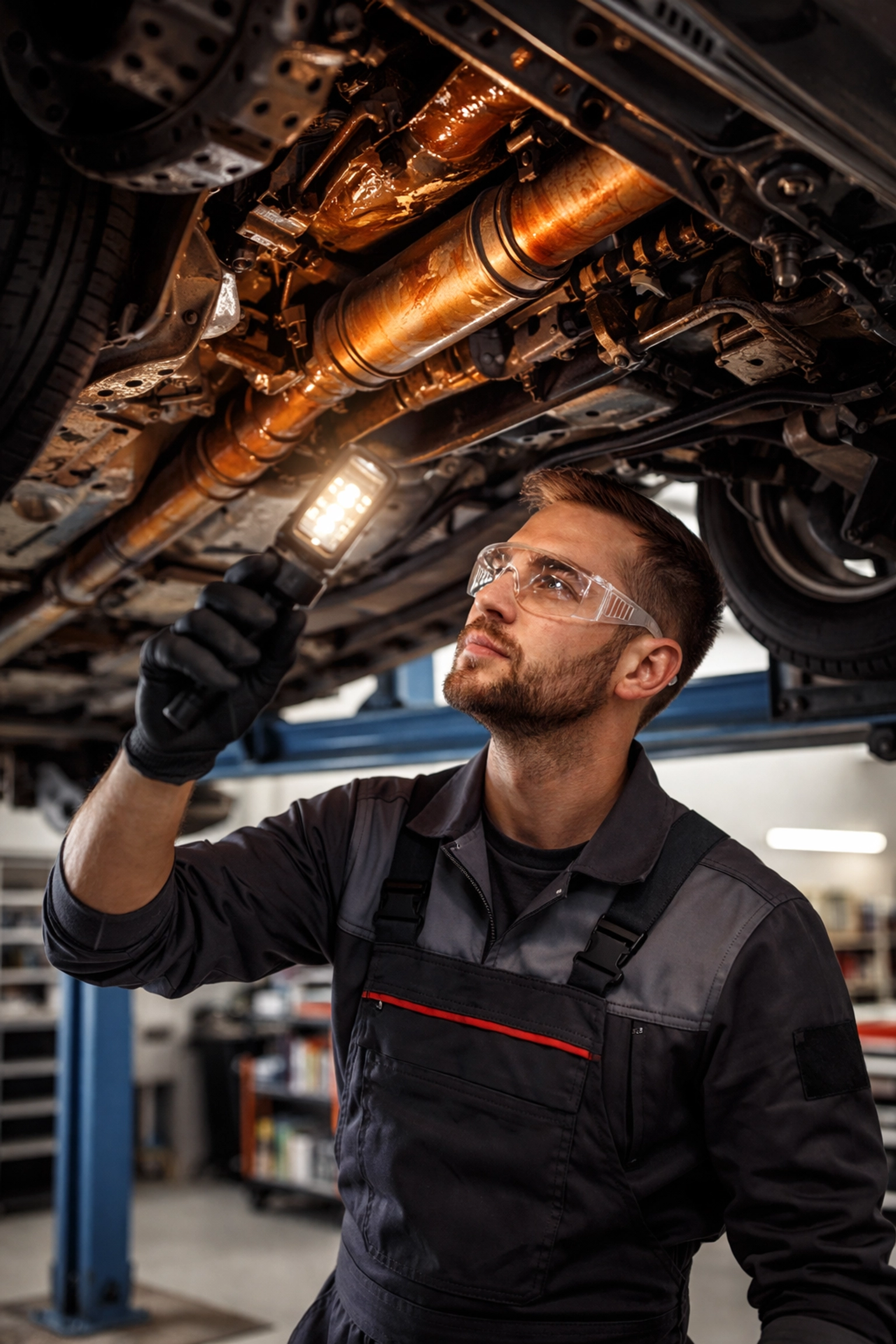
Thorough inspection to identify existing corrosion or vulnerable areas
Complete undercarriage cleaning to remove salt, mud, and debris
Application of high-quality protective products to all exposed surfaces
Cavity wax treatment to protect enclosed sections where moisture can accumulate
Detailed documentation of the treatment for your records
Premium products such as Dinitrol offer exceptional protection, with proper application providing defence against corrosion for years to come. Unlike factory coatings, professional rustproofing reaches every vulnerable area of your vehicle, including those hidden cavities where rust often begins.
The Bottom Line
Modern manufacturing has undoubtedly improved vehicle durability, but it has not eliminated the threat of rust. UK driving conditions: with our salt-treated roads, high humidity, and challenging weather: create an environment where corrosion can develop on even the newest vehicles.
The question is not whether your modern vehicle can rust, but when corrosion will begin if left unprotected.
Taking proactive steps to protect your vehicle makes sound financial sense. A professional rustproofing treatment preserves your vehicle's structural integrity, maintains its resale value, and provides peace of mind that your pride and joy remains rust-free throughout its life.
If you would like to learn more about protecting your vehicle from corrosion, or if you have spotted early signs of rust and want expert advice, get in touch with Rustec today. Our comprehensive rustproofing treatments, backed by our Rustec Guarantee, ensure your vehicle receives the highest-quality protection available.

Comments