
How long does rustproofing last?
When you've invested in professional rustproofing for your vehicle, one of the most important questions you'll want answered is: how long will this protection actually last? Understanding the longevity of your rustproofing treatment is crucial for planning maintenance schedules, budgeting for reapplications, and ensuring your vehicle receives continuous protection against the elements.
The reality is that rustproofing duration isn't a simple, one-size-fits-all answer. The lifespan of your rust protection depends on several critical factors, from the type of product applied to your driving conditions and maintenance habits. At Rustec, we believe in providing transparent, comprehensive information to help you make informed decisions about your vehicle's long-term protection.
Understanding Rustproofing Longevity: The Key Variables
The effectiveness and duration of rustproofing treatments vary significantly based on multiple interconnected factors. Professional-grade products applied by experienced specialists will consistently outperform DIY solutions, but even the highest-quality treatments require consideration of environmental and usage variables.
Product type represents the most significant factor in determining how long your rustproofing will remain effective. Modern rust protection systems utilize different formulations designed for specific applications and longevity requirements, each with distinct characteristics and expected service life.
Environmental conditions play an equally crucial role in treatment longevity. Vehicles exposed to harsh coastal salt air, frequent winter road salt applications, or extreme weather conditions will require more frequent reapplication compared to those operated in gentler climates.
Oil-Based Rustproofing Systems: Annual Protection
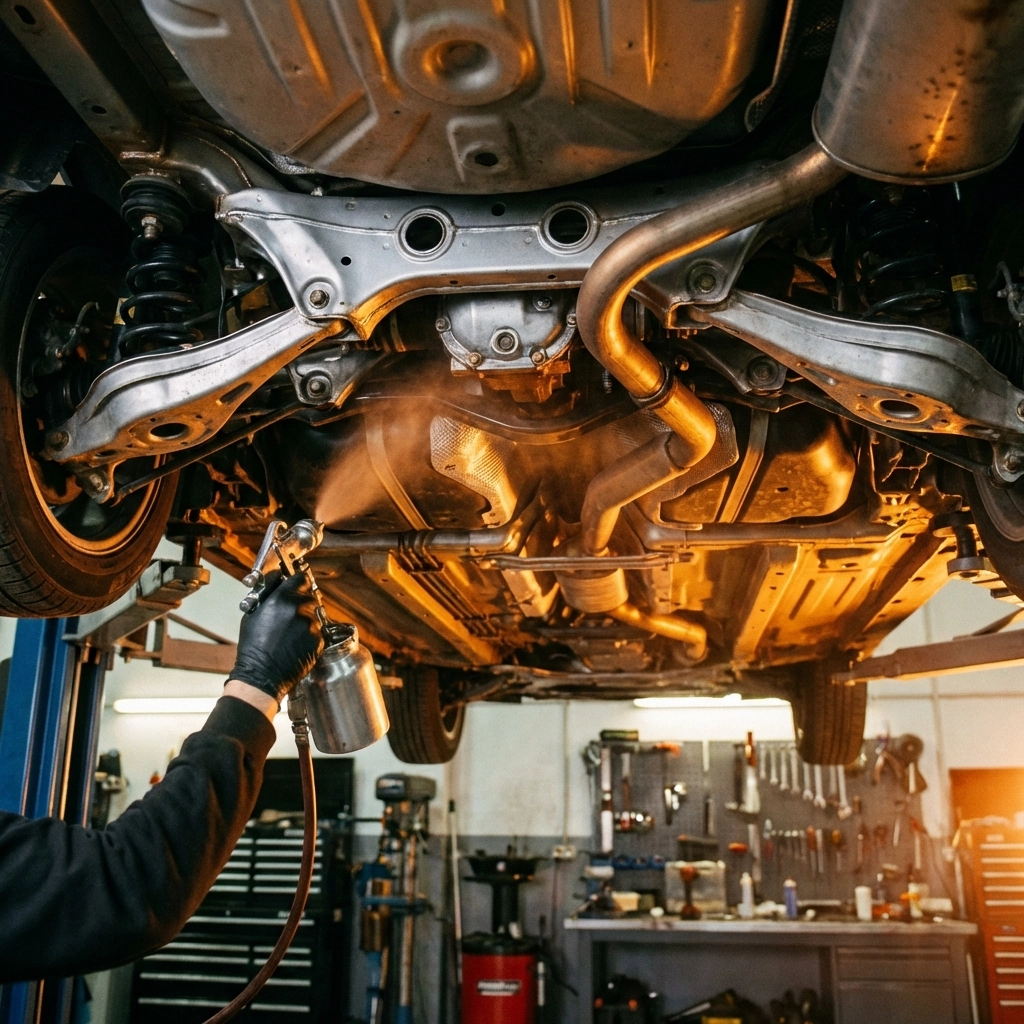
Oil-spray rustproofing systems, including premium products like those in our professional range, typically provide 12-18 months of effective protection. These treatments are specifically formulated to penetrate deep into metal surfaces and maintain a protective barrier against moisture and corrosive elements.
The oil-based approach offers exceptional coverage and penetration capabilities, reaching areas that other treatments cannot access. However, this superior performance comes with the requirement for regular reapplication to maintain optimal protection levels.
Annual reapplication is strongly recommended, particularly for vehicles operating in high-salt environments such as coastal areas or regions with aggressive winter road treatment programs. The oil-based formulation gradually migrates and evaporates over time, and when protective seams begin drying out, the barrier effectiveness diminishes significantly.
Missing a single year of treatment won't cause immediate rust formation, but it substantially increases vulnerability during harsh seasonal conditions. Our professional application ensures thorough coverage and optimal adhesion, maximizing the protective duration within the expected 12-18 month timeframe.
Wax-Based Cavity Protection: Moderate Longevity
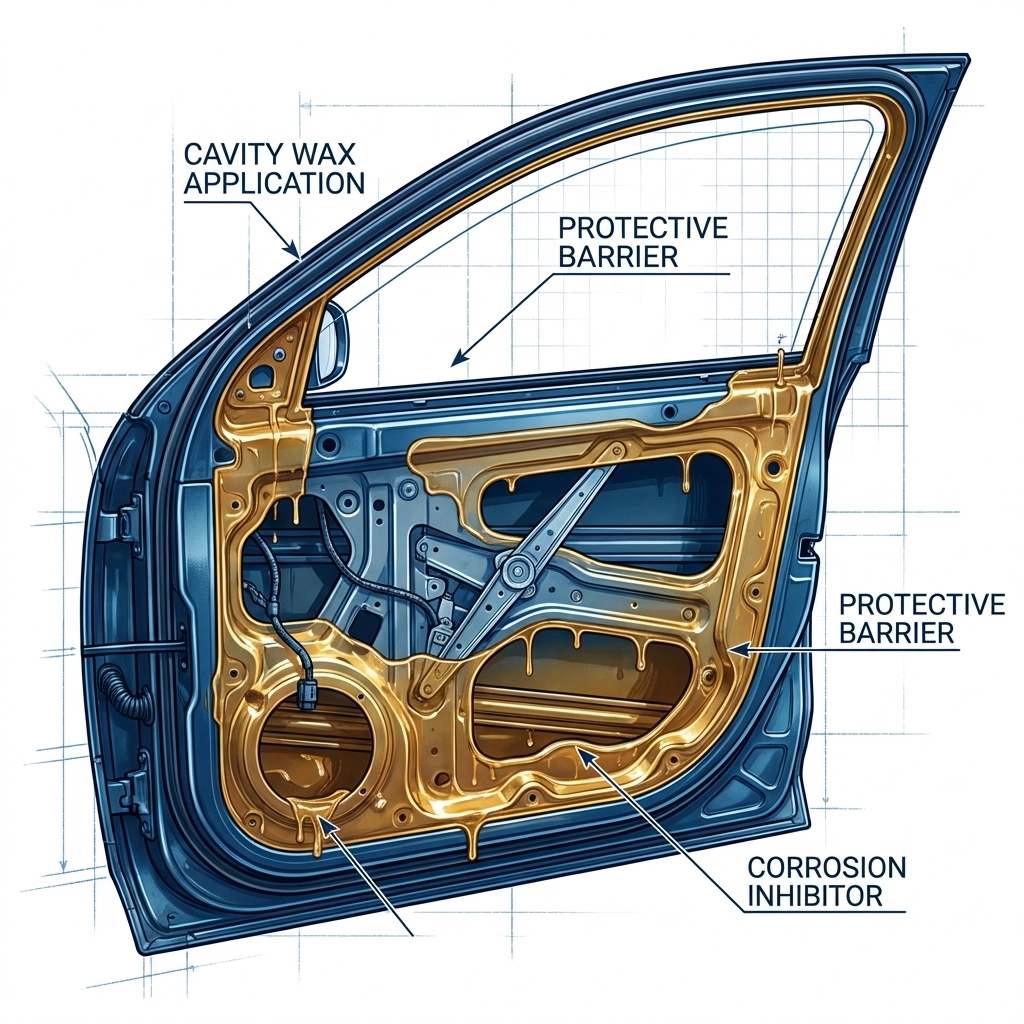
Wax-based rustproofing systems, particularly cavity waxes like Dinitrol ML, typically provide 6 months to 2 years of protection depending on application thickness, environmental exposure, and vehicle usage patterns.
These products excel in cavity protection applications where complete sealing and long-term barrier formation are priorities. The wax formulation provides excellent moisture displacement and creates a robust protective film that adheres well to metal surfaces.
Cavity waxes demonstrate particular effectiveness in enclosed spaces such as door frames, box sections, and structural cavities where environmental exposure is limited. In these protected environments, properly applied wax treatments can achieve the upper end of their longevity range.
Rubberized and Asphalt-Based Undercoatings: Extended Protection
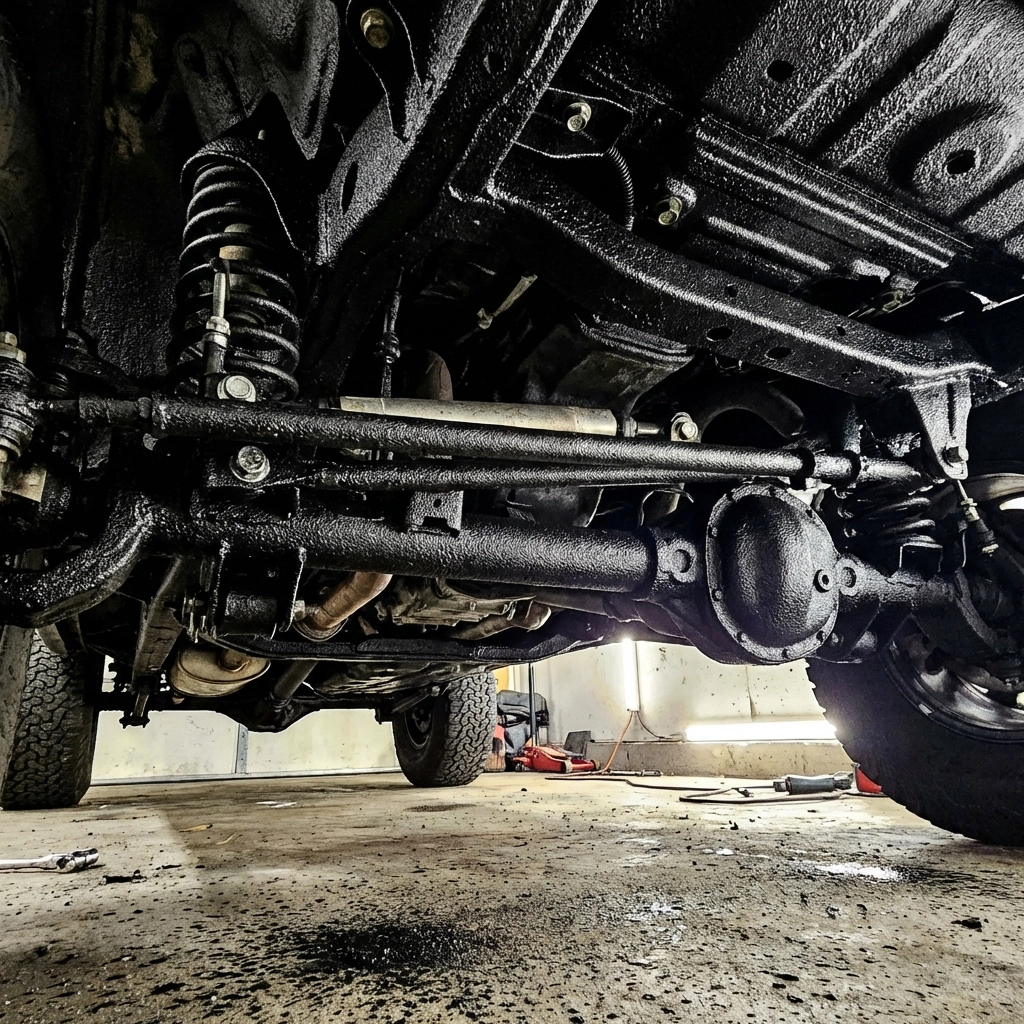
Professional rubberized and asphalt-based undercoating systems offer the longest protection periods, typically lasting 5-10 years when properly applied and maintained. These thick, durable coatings create a substantial barrier against road debris, moisture, and chemical exposure.
However, longevity comes with important considerations. While these coatings provide extended protection, they require initial preparation and application expertise to prevent future complications. Improperly applied thick coatings can trap moisture if damaged, potentially accelerating corrosion rather than preventing it.
Quality rubberized systems demonstrate excellent adhesion and flexibility, accommodating vehicle movement and temperature variations without cracking. Professional application ensures proper surface preparation and even coating thickness, critical factors in achieving maximum service life.
The extended protection period makes these systems particularly cost-effective for commercial vehicles, fleet applications, and vehicles intended for long-term ownership where comprehensive undercarriage protection justifies the initial investment.
Environmental Factors Affecting Rustproofing Longevity
UK driving conditions present unique challenges that significantly impact rustproofing effectiveness and duration. Understanding these environmental factors helps set realistic expectations for treatment longevity and maintenance scheduling.
Winter road salt applications represent the most aggressive threat to rustproofing systems. The combination of sodium chloride, calcium chloride, and moisture creates an intensely corrosive environment that accelerates protective coating breakdown. Vehicles regularly exposed to treated roads may require more frequent reapplication at the shorter end of expected ranges.
Coastal environments introduce additional challenges through constant salt air exposure and higher humidity levels. Marine environments can reduce rustproofing effectiveness by 20-30% compared to inland conditions, necessitating adjusted maintenance schedules.
Frequent water exposure through regular washing, flood conditions, or occupational requirements also impacts treatment longevity. While proper rustproofing withstands normal washing, excessive water exposure can gradually compromise protective barriers.
Recognizing When Reapplication Is Required
Identifying the right time for rustproofing reapplication ensures continuous protection and prevents costly rust damage. Professional inspection can identify early warning signs before protection fails completely.
Visual inspection of the undercarriage reveals several key indicators. Look for areas where the protective coating appears thin, worn, or completely absent. Bare metal patches, particularly around stress points and high-wear areas, indicate immediate attention requirements.
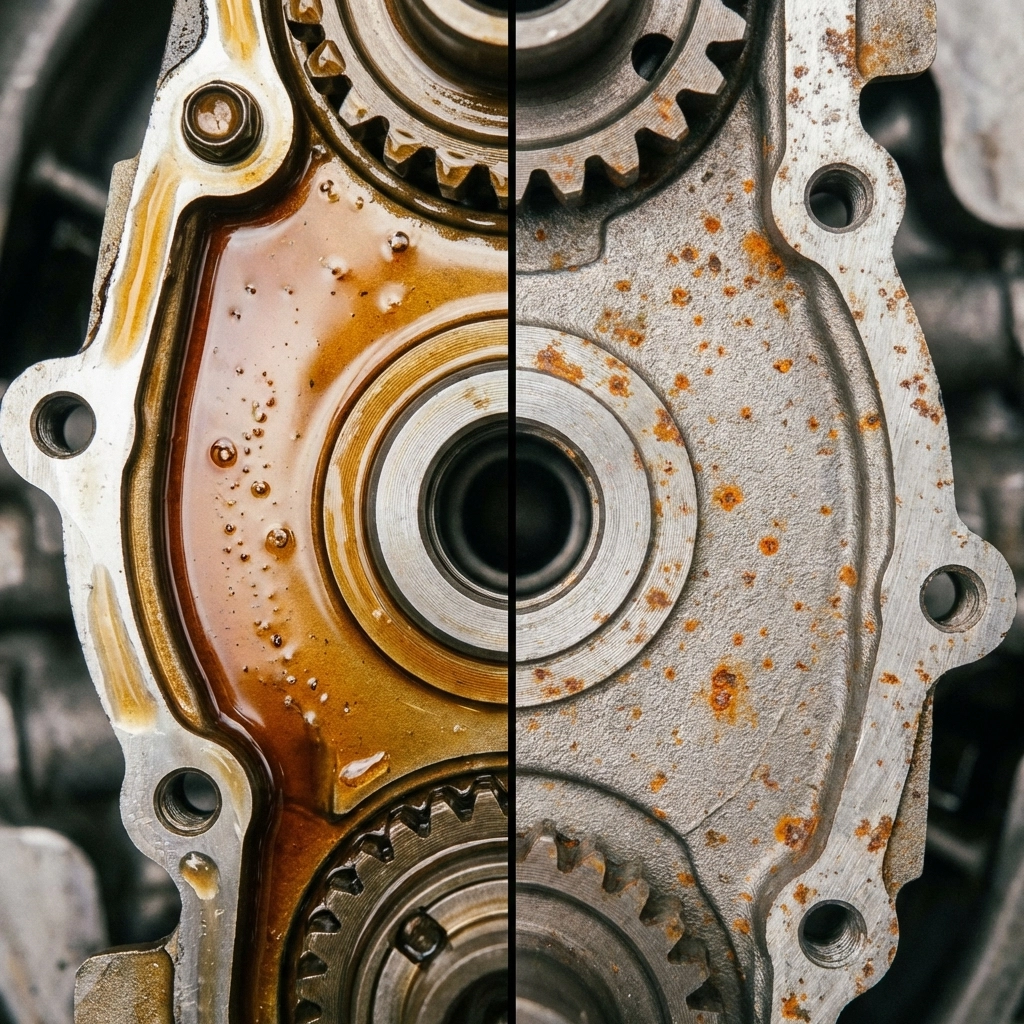
Check protective seams and joints for dryness or cracking. Oil-based treatments should maintain a slight tackiness, while completely dry seams suggest the protective barrier has deteriorated. Wax-based treatments may show whitening or chalky appearance when requiring renewal.
New rust spots, even small surface oxidation, indicate protection failure in those specific areas. While isolated spots don't necessarily mean complete system failure, they highlight areas requiring immediate attention and suggest overall reapplication timing.
Professional assessment provides the most reliable evaluation of rustproofing condition and remaining effectiveness. Our comprehensive inspection service identifies protection status and provides detailed recommendations for maintaining optimal rust prevention.
Maximizing Rustproofing Longevity
Proper maintenance practices significantly extend rustproofing effectiveness and overall service life. Simple preventive measures can help you achieve maximum value from your rust protection investment.
Regular undercarriage cleaning removes accumulated salt, dirt, and debris that can compromise protective coatings over time. Focus particularly on areas where road salt and grime accumulate, such as suspension components and structural joints.
Avoid high-pressure washing directly on rustproofed surfaces, as excessive pressure can damage protective coatings. Use moderate pressure and maintain appropriate distance to remove contaminants without compromising the barrier integrity.
Address minor damage promptly before it spreads or allows moisture penetration. Small chips or scratches in protective coatings can often be touched up easily when caught early, preventing more extensive reapplication requirements.
Store vehicles in dry, ventilated conditions when possible. Enclosed, humid environments can accelerate protective coating breakdown, while good ventilation helps maintain optimal moisture levels around treated surfaces.
Professional Application vs DIY Longevity Considerations
Professional rustproofing application consistently delivers superior longevity compared to DIY treatments, primarily due to proper preparation, quality products, and application expertise.
Professional preparation includes thorough cleaning, surface assessment, and appropriate primer application where required. This comprehensive approach ensures optimal adhesion and maximum protective barrier effectiveness, directly impacting treatment longevity.
Quality professional products utilize advanced formulations with superior penetration, adhesion, and durability characteristics. These premium systems justify their cost through extended protection periods and reduced reapplication frequency.
Proper application technique ensures even coverage, appropriate thickness, and complete protection of vulnerable areas. Professional application eliminates common DIY mistakes that can significantly reduce treatment effectiveness and longevity.
Our professional application process includes comprehensive documentation and maintenance scheduling recommendations tailored to your specific vehicle and usage patterns, ensuring you receive maximum value from your rust protection investment.
Planning Your Rustproofing Maintenance Schedule
Developing a proactive maintenance schedule based on your specific conditions ensures continuous protection and optimal cost-effectiveness. Consider your unique circumstances when planning reapplication timing.
For standard UK driving conditions with moderate salt exposure, annual oil-based treatment provides reliable protection with optimal cost-benefit balance. This schedule works well for most passenger vehicles and light commercial applications.
High-exposure situations such as coastal driving, frequent winter travel, or commercial applications may benefit from bi-annual inspection with potential mid-season touch-ups to maintain protection during harsh periods.
Long-term vehicle ownership scenarios may justify combination approaches using extended-life undercoatings with annual cavity treatments, maximizing both longevity and comprehensive protection.
Our Rustec maintenance programs provide scheduled reminders and priority booking to ensure your vehicle receives timely reapplication without the inconvenience of scheduling coordination.
Understanding how long rustproofing lasts empowers you to make informed decisions about your vehicle's protection needs. Quality professional application, appropriate product selection, and proactive maintenance ensure maximum value from your rust prevention investment.
Ready to protect your vehicle with professional rustproofing that delivers proven longevity? Contact our team for comprehensive consultation and find out how our premium treatments can keep your vehicle rust-free for years to come.
Comments