
Rust prevention for Ford Transit vans – long-term solution?
Ford Transit vans are the backbone of British businesses. From delivery fleets to tradespeople, these workhorses clock up serious mileage on UK roads, roads that are notoriously harsh on vehicle undercarriages. If you're a Transit owner or fleet manager, you've likely wondered whether there's a genuine long-term solution to keep rust at bay.
The short answer? Yes, there is. But it requires understanding why Transits rust, where the problem areas are, and which treatments actually deliver lasting protection.
Why Ford Transit Vans Are Prone to Rust
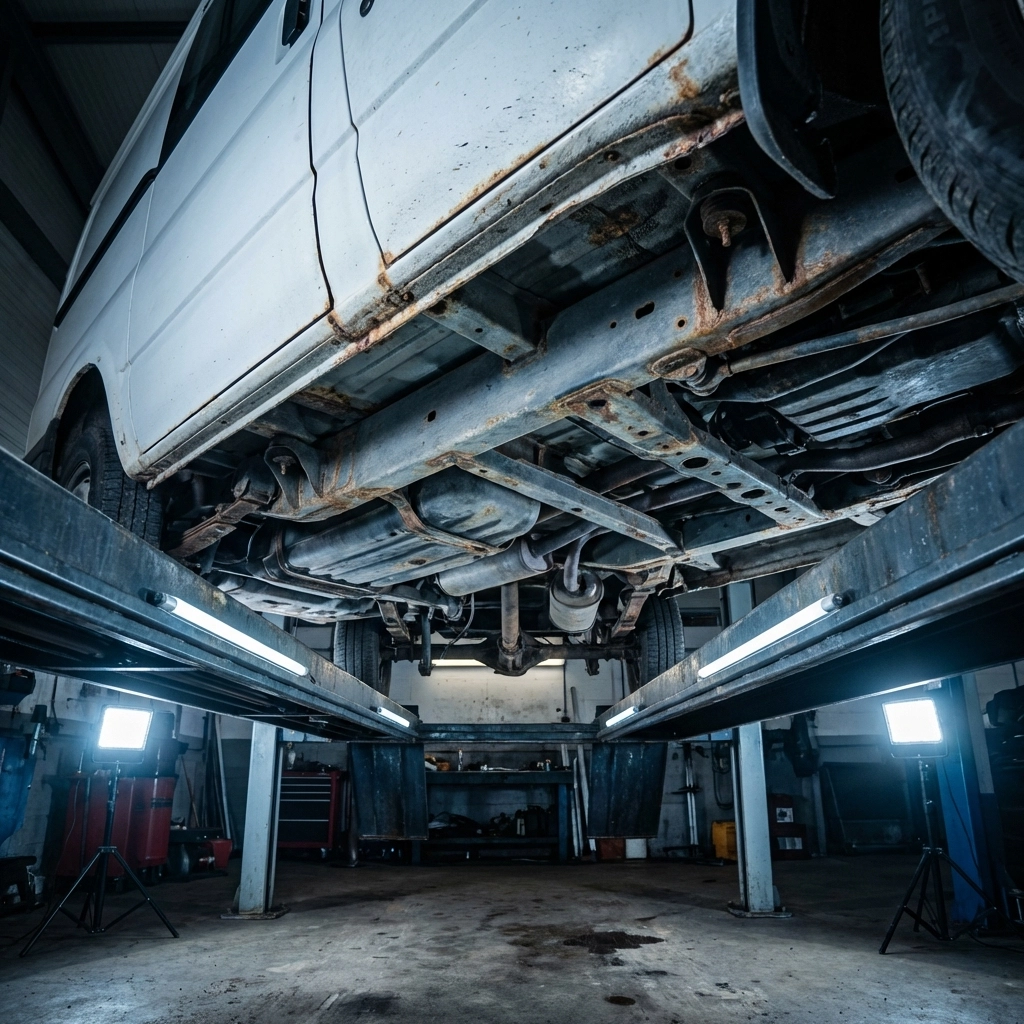
Ford Transits are built to work hard, but their design features several areas where moisture, salt, and road debris can accumulate unnoticed. Box sections, seams, door sills, and wheel arches create perfect conditions for corrosion to take hold: often from the inside out.
UK roads compound the problem significantly. Winter months bring road salt, which accelerates oxidation. Coastal areas add salt-laden air to the mix. Even in summer, moisture trapped in enclosed cavities continues its slow, destructive work.
The reality is that Ford Transit vans do rust, and often sooner than owners expect. We regularly see Transits with significant corrosion after just three to five years of service: particularly those used for daily commercial operations.
The Hidden Danger: Internal Corrosion
What makes Transit rust particularly problematic is that much of it begins in areas you cannot easily see. Enclosed box sections, chassis rails, and door cavities trap moisture and road salt. By the time rust bubbles appear on the exterior paintwork, substantial damage may already exist beneath the surface.
This is why surface treatments alone: such as a quick spray of underseal on visible areas: fail to provide comprehensive protection. Effective long-term rust prevention must address both external surfaces and internal cavities.
Long-Term Rust Prevention Methods That Actually Work
1. Professional Underbody Protection
The foundation of any serious rust prevention programme is a high-quality underbody treatment. Products like Dinitrol 4941 create a thick, durable barrier that shields exposed metal from water, salt, and debris.
Unlike basic rubberised underseals that can crack and trap moisture, professional-grade coatings remain flexible and self-healing. This means minor chips and abrasions seal themselves rather than becoming entry points for corrosion.
For Transit vans covering significant mileage, particularly in harsh conditions, Dinitrol 4941 represents the gold standard in underbody protection.
2. Cavity Wax Treatment
This is where many rust prevention attempts fall short. Applying protection to visible surfaces while ignoring internal cavities is like locking your front door but leaving the windows open.
Cavity wax is specifically formulated to penetrate enclosed spaces: box sections, sills, door frames, and chassis rails. Once applied, it displaces moisture and creates a protective film that prevents oxidation from starting.
For Ford Transits, cavity wax treatment is absolutely essential. The van's construction includes numerous enclosed sections that are virtually impossible to protect any other way.
3. Seam and Joint Protection
Every weld, seam, and joint on your Transit represents a potential weak point. Factory seam sealers can deteriorate over time, allowing moisture ingress at the very points where metal meets metal.
A comprehensive rustproofing treatment includes sealing these vulnerable areas with specialist products that remain flexible and waterproof throughout the vehicle's life.
4. Wheel Arch and Suspension Component Treatment
Transit wheel arches take constant bombardment from road debris, water spray, and salt. The suspension components beneath are equally vulnerable.
Protecting these high-wear areas requires products that can withstand mechanical abrasion while maintaining their protective properties. This is where quality truly matters: cheap underseals will simply wear away, leaving metal exposed once again.
The Importance of Proper Preparation
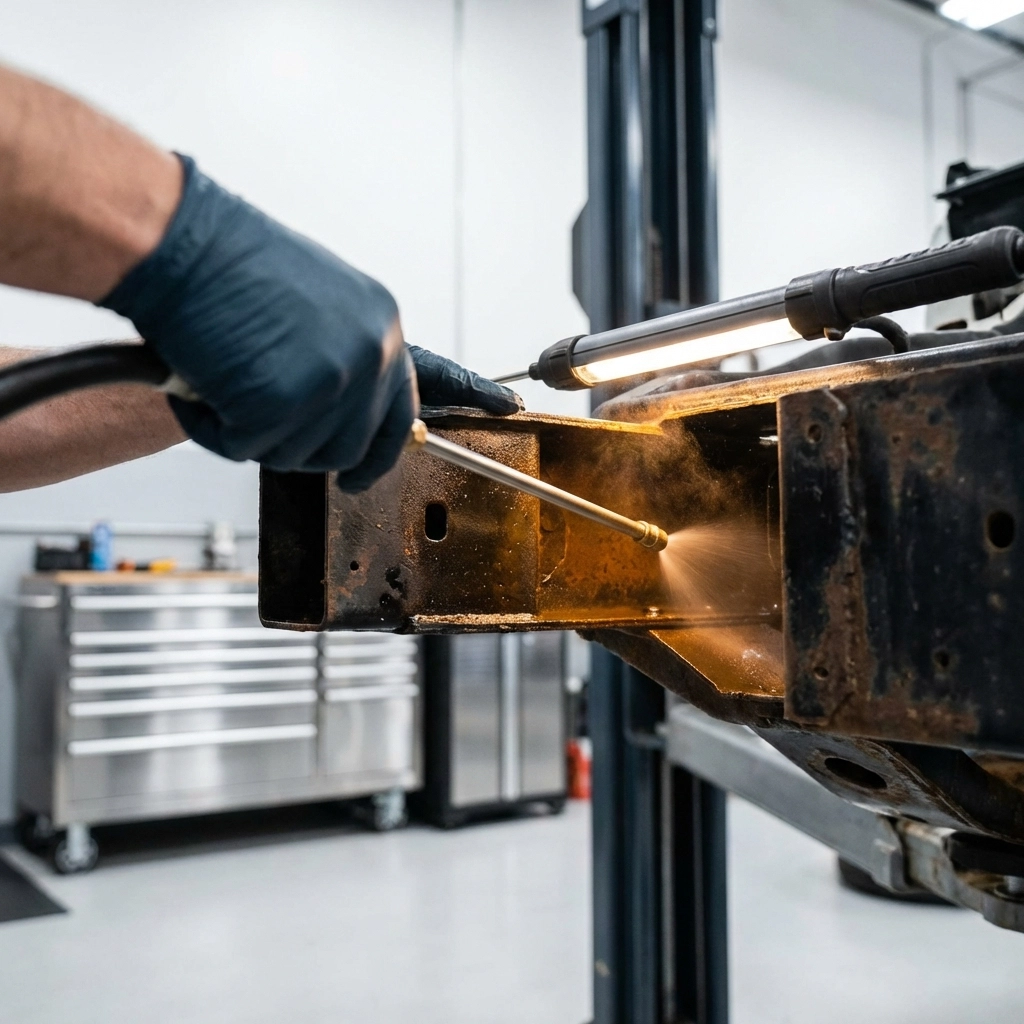
Even the finest rustproofing products will fail if applied incorrectly. Thorough preparation is non-negotiable for achieving lasting results.
Before any treatment begins, the vehicle must undergo:
Complete undercarriage steam cleaning to remove accumulated dirt, salt, and oil
Inspection for existing corrosion that requires attention before coating
Drying time to ensure all surfaces are completely moisture-free
Proper preparation transforms a rustproofing treatment from a temporary measure into a genuine long-term solution. Skipping this step: as many quick-service operations do: dramatically reduces the effectiveness and longevity of any protection applied.
DIY vs Professional Rustproofing for Transits
Many Transit owners consider tackling rust prevention themselves. While DIY application is certainly possible, there are significant factors to consider.
DIY Advantages:
Lower upfront cost
Can be done at your convenience
Allows for regular top-up applications
DIY Limitations:
Difficult to access all cavity areas without specialist equipment
Risk of inadequate preparation leading to treatment failure
No professional inspection to identify existing problems
Time-consuming, particularly for larger vehicles like Transits
For commercial vehicles where rust-related downtime equals lost revenue, professional treatment typically represents better value. The comprehensive coverage, proper preparation, and warranty protection justify the investment: particularly when you factor in the cost of rust repairs or premature vehicle replacement.
Maintenance: Protecting Your Investment
Even the most thorough rustproofing treatment benefits from ongoing care. For Transit owners seeking genuine long-term protection, we recommend:
Regular Washing: Clean your van frequently, paying particular attention to the underside during winter months. Salt accumulation accelerates corrosion, so removing it promptly makes a measurable difference.
Annual Inspection: Have your van's rustproofing inspected yearly. This allows any areas of wear or damage to be addressed before corrosion can establish itself.
Touch-Up Applications: Cavity wax and underbody coatings may require periodic top-ups, particularly on high-wear areas. A quality treatment should last years, but maintenance extends protection indefinitely.
Address Damage Promptly: Stone chips, scratches, and parking scrapes expose bare metal. Touching these up quickly prevents them becoming rust starting points.
What About Vans That Already Have Rust?
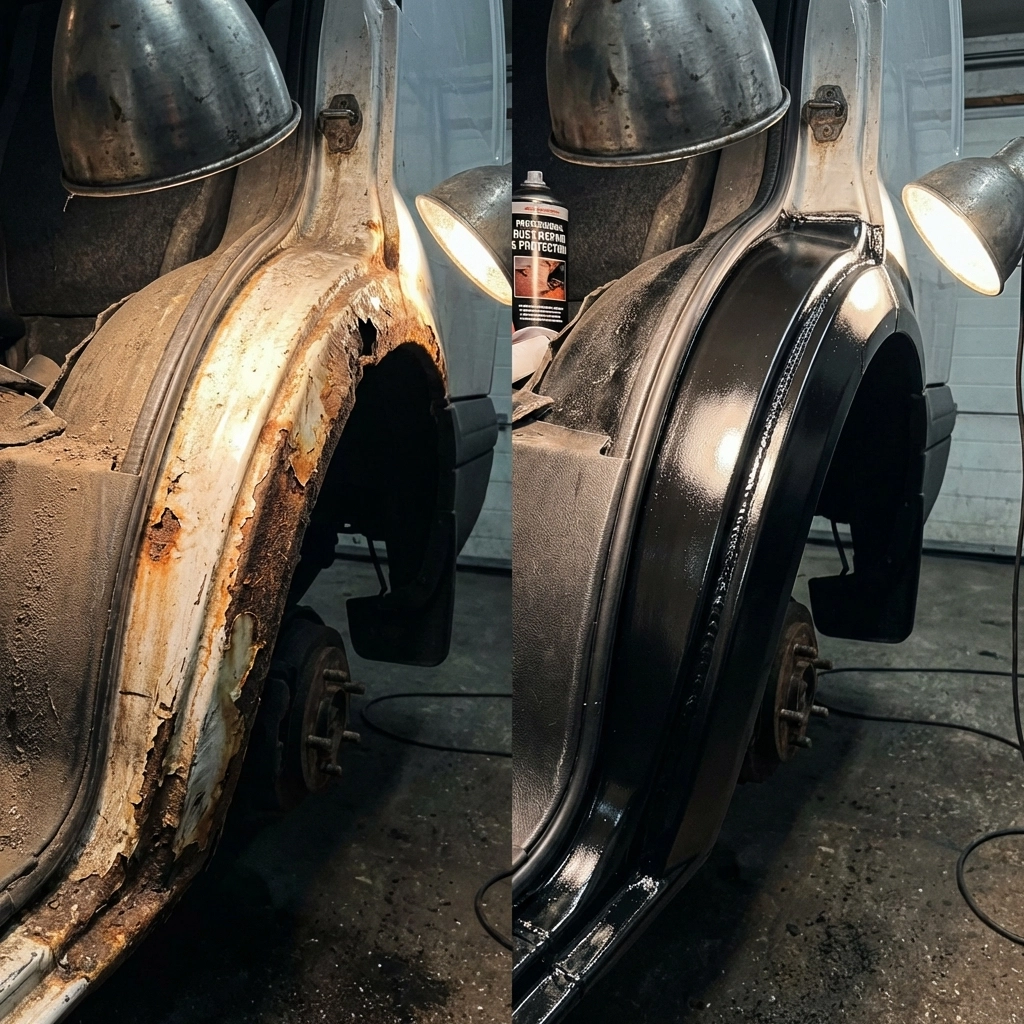
If your Transit is already showing signs of corrosion, don't assume it's too late for effective treatment. Rustproofing can be applied to vehicles with existing rust, though the approach differs.
Surface rust can often be treated and sealed, halting further progression. More significant corrosion may require repair work before rustproofing: welding, patch repairs, or component replacement depending on severity.
The key is acting promptly. Rust spreads exponentially; what begins as a small patch can compromise structural integrity within a surprisingly short time. Early intervention is always more cost-effective than delayed treatment.
Fleet Vehicles: A Special Consideration
For businesses running multiple Transits, rust prevention takes on additional significance. Fleet vehicles typically accumulate mileage rapidly and face consistent exposure to harsh conditions.
A proactive rustproofing programme for commercial fleets delivers:
Extended vehicle lifespan reducing replacement costs
Higher residual values when vehicles are sold or traded
Reduced maintenance costs by preventing rust-related repairs
Improved reliability with fewer unexpected breakdowns
The return on investment for fleet rustproofing is particularly compelling when calculated across multiple vehicles over several years.
The Rustec Approach to Transit Protection
At Rustec, we understand that Ford Transit owners need protection they can rely on: not temporary fixes that fail within months.
Our Life Long Dinitrol® treatment programme delivers comprehensive protection using the highest-quality products available. Every Transit we treat receives:
Thorough undercarriage steam clean and inspection
Full underbody treatment with Dinitrol 4941
Complete cavity wax application to all enclosed sections
Seam and joint sealing
Photo documentation of the work completed
Our Rustec Guarantee for your peace of mind
We believe in transparency, quality, and genuine long-term results. Your Transit works hard for you: it deserves protection that works just as hard.
Taking the Next Step
Whether you're protecting a new Transit from day one or addressing rust concerns on a working vehicle, the most important step is taking action. Rust never stops; it only accelerates.
If you'd like to discuss rustproofing options for your Ford Transit: or your entire fleet: we're here to help. Get in touch with Rustec for expert advice and a no-obligation quote tailored to your vehicle and requirements.
Protect your investment. Prevent the problem. Keep your Transit rust-free for life.
Comments