
Do Ford Transit vans rust?
Yes, Ford Transit vans are particularly susceptible to rust and corrosion, with documented issues affecting multiple model years. This isn't simply a case of normal wear and tear: Transit vans have well-documented rust problems that can develop surprisingly early in the vehicle's life, sometimes appearing on vans less than a year old.
Why Ford Transit Vans Are Prone to Rust
Ford Transit vans face several design challenges that make them more vulnerable to corrosion than many other commercial vehicles. The combination of their intended use, construction methods, and exposure to harsh UK road conditions creates the perfect storm for rust development.
Heavy-duty commercial use means Transit vans often operate in demanding environments. They frequently carry heavy loads, travel on rough roads, and work in industrial or construction settings where exposure to corrosive materials is common. Road salt used extensively across UK roads during winter months accelerates the corrosion process significantly.
Design vulnerabilities play a crucial role in rust formation. Transit vans feature numerous drainage channels, seal seams, and layered panels that can trap moisture and debris. These areas become breeding grounds for corrosion when water, salt, and dirt accumulate without proper cleaning and maintenance.
Common Rust-Prone Areas on Ford Transit Vans
Understanding where rust typically develops can help you identify problems early and take preventive action. Transit vans consistently show corrosion in several key areas:
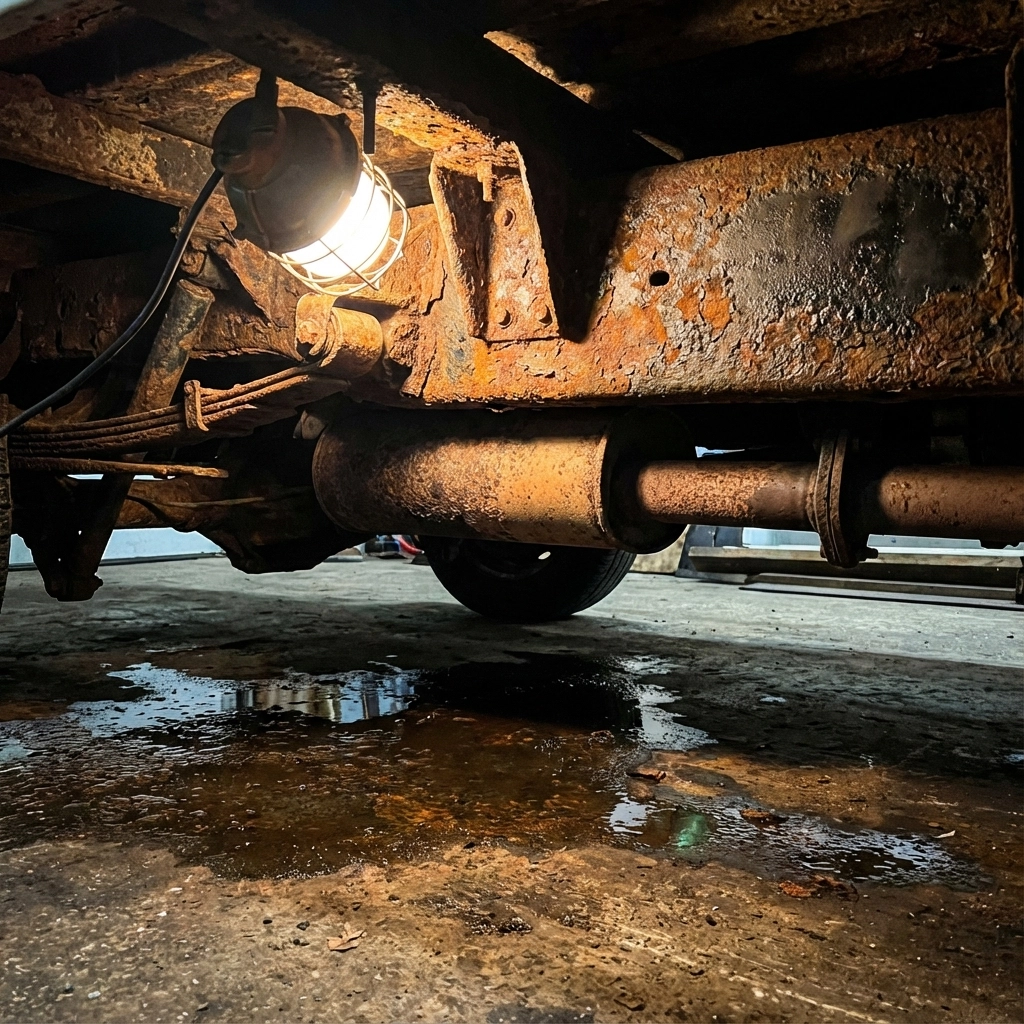
Undercarriage components are particularly vulnerable, including the chassis rails, crossmembers, and suspension mounting points. The front subframe and transmission crossmember are especially prone to severe corrosion that can compromise structural integrity.
Body panel areas where rust commonly appears include:
Wheel arches and wheel wells
Door frames and sliding door tracks
Roof ribs and gutters
Areas beneath rubber seals and trim pieces
Door sills and step areas
Rear door hinges and locking mechanisms
Internal components can also develop rust, including interior floor panels, cargo area fixtures, and even sliding door mechanisms. This internal corrosion often goes unnoticed until it becomes severe.
The 2015-2023 Ford Transit Rust Problem
A significant product defect investigation is currently underway regarding 2015-2023 Ford Transit vans, where owners report excessive rust and corrosion developing abnormally early and in unusual locations. This isn't typical surface rust: these vehicles are experiencing structural corrosion that can compromise safety and functionality.
Subframe rust has been particularly severe in affected vehicles. Some owners report that critical components like the front subframe and transmission crossmember have developed holes completely through the metal, sometimes at relatively low mileages around 140,000 miles. This level of corrosion should not occur under normal circumstances on vehicles of this age.
Legal implications of this defect are still being determined, but the investigation suggests that standard factory rust protection may be inadequate for these model years. Owners experiencing premature rust on their Transit vans should document the damage and consider consulting with automotive professionals about potential remedies.
Identifying Rust on Your Transit Van
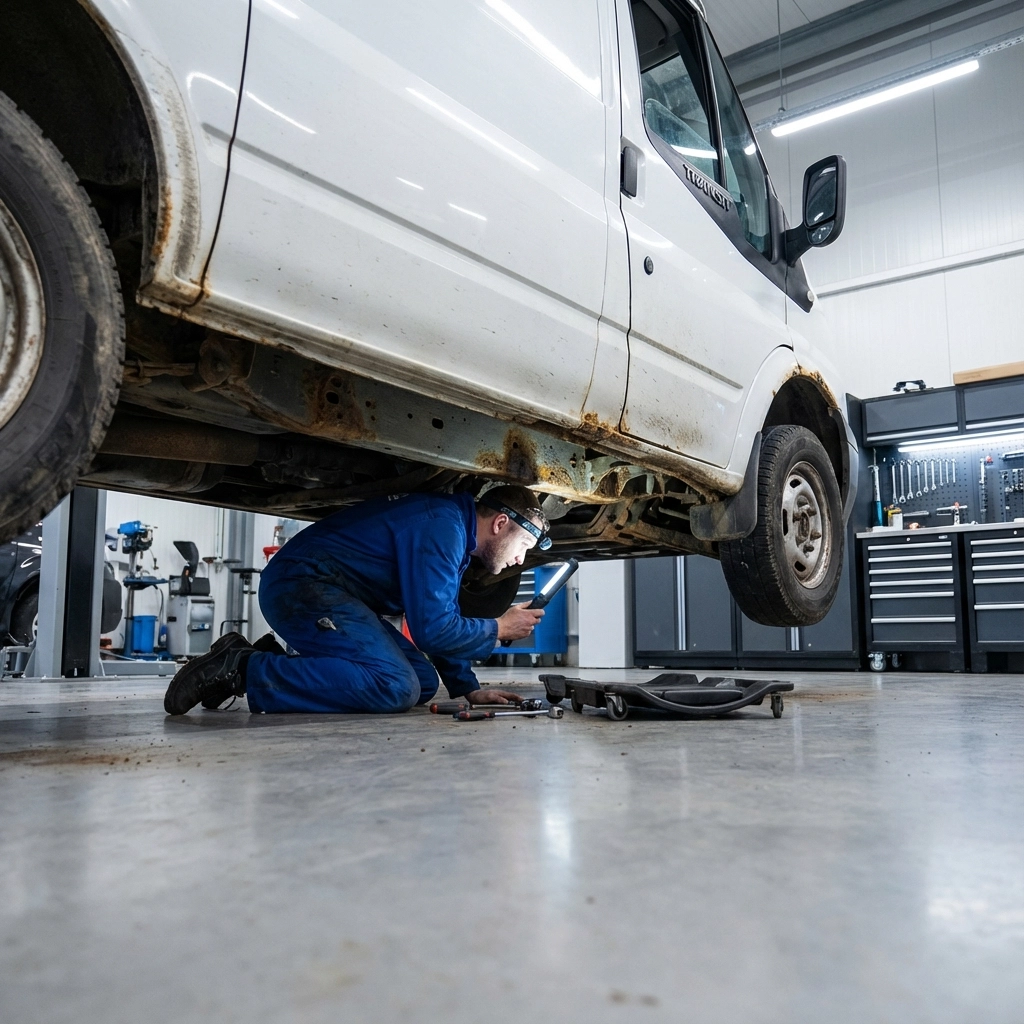
Early detection of rust can save thousands in repair costs and prevent safety hazards. Regular inspections should focus on both visible and hidden areas where corrosion commonly develops.
Visual inspection signs include:
Orange or brown discoloration on metal surfaces
Bubbling or flaking paint, especially around edges and seams
White or chalky deposits indicating aluminum corrosion
Dark staining or streaking from rust runoff
Perforation or holes in metal panels
Physical symptoms that may indicate hidden rust include:
Unusual squeaking or grinding from moving parts
Doors or panels that don't align properly
Rattling sounds from loose components
Dampness or musty odors inside the vehicle
Professional inspection becomes crucial for areas that aren't easily visible, such as internal chassis components, suspension mounting points, and areas behind interior panels.
Prevention and Maintenance Strategies
Preventing rust is significantly more cost-effective than treating it after it develops. A comprehensive approach to rust prevention can extend your Transit van's life considerably and maintain its value.
Regular cleaning routines should include:
Weekly underbody washing, especially during winter months
Immediate cleaning after coastal driving or exposure to salt
Thorough cleaning of wheel wells and door jambs
Removal of accumulated debris from drainage channels
Protective treatments form the cornerstone of effective rust prevention:
Professional rustproofing applications using premium products like Dinitrol provide comprehensive protection
Cavity wax treatment protects internal panels and hard-to-reach areas
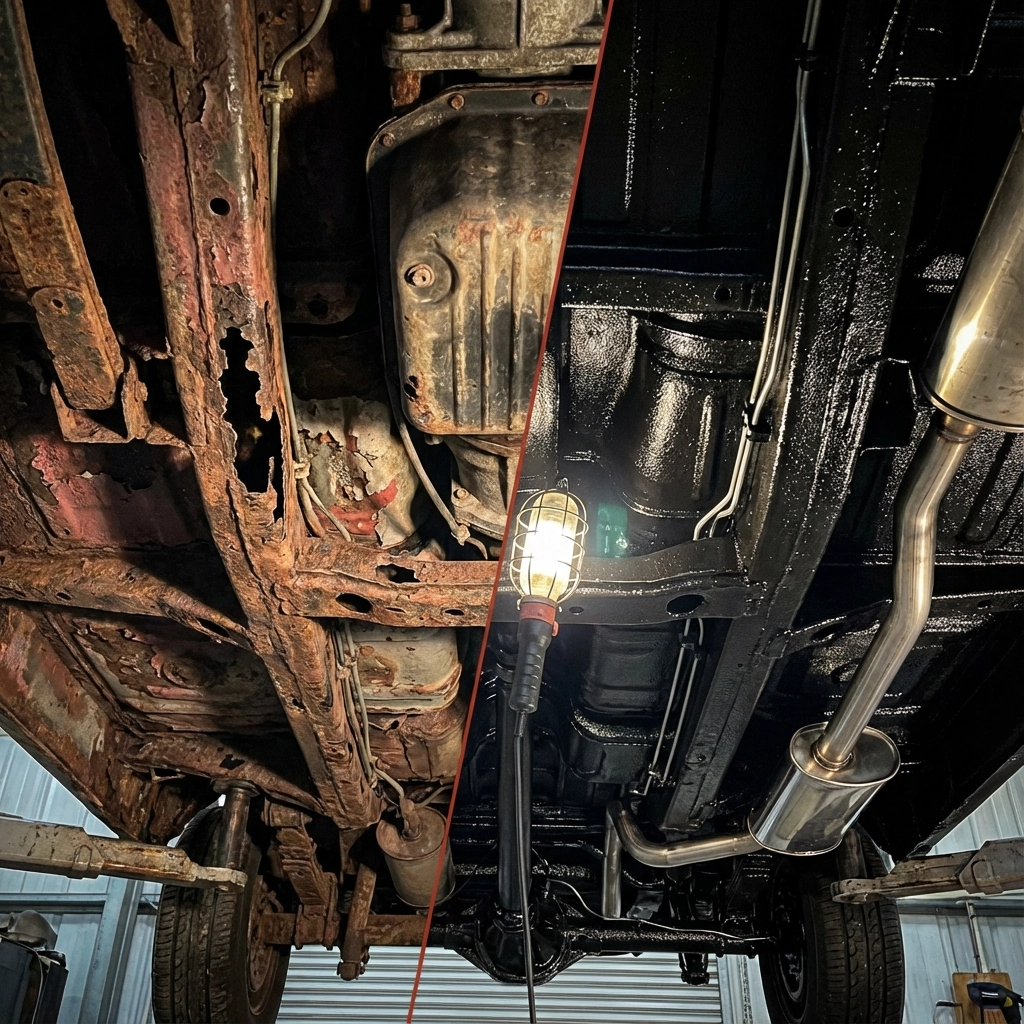
Underbody coatings create a barrier against road salt and moisture
Regular reapplication ensures continued protection as coatings naturally wear
Professional Rustproofing Solutions
While DIY approaches may seem appealing, professional rustproofing offers several advantages that justify the investment, particularly for commercial vehicles like Transit vans that face heavy use.
Comprehensive treatment includes:
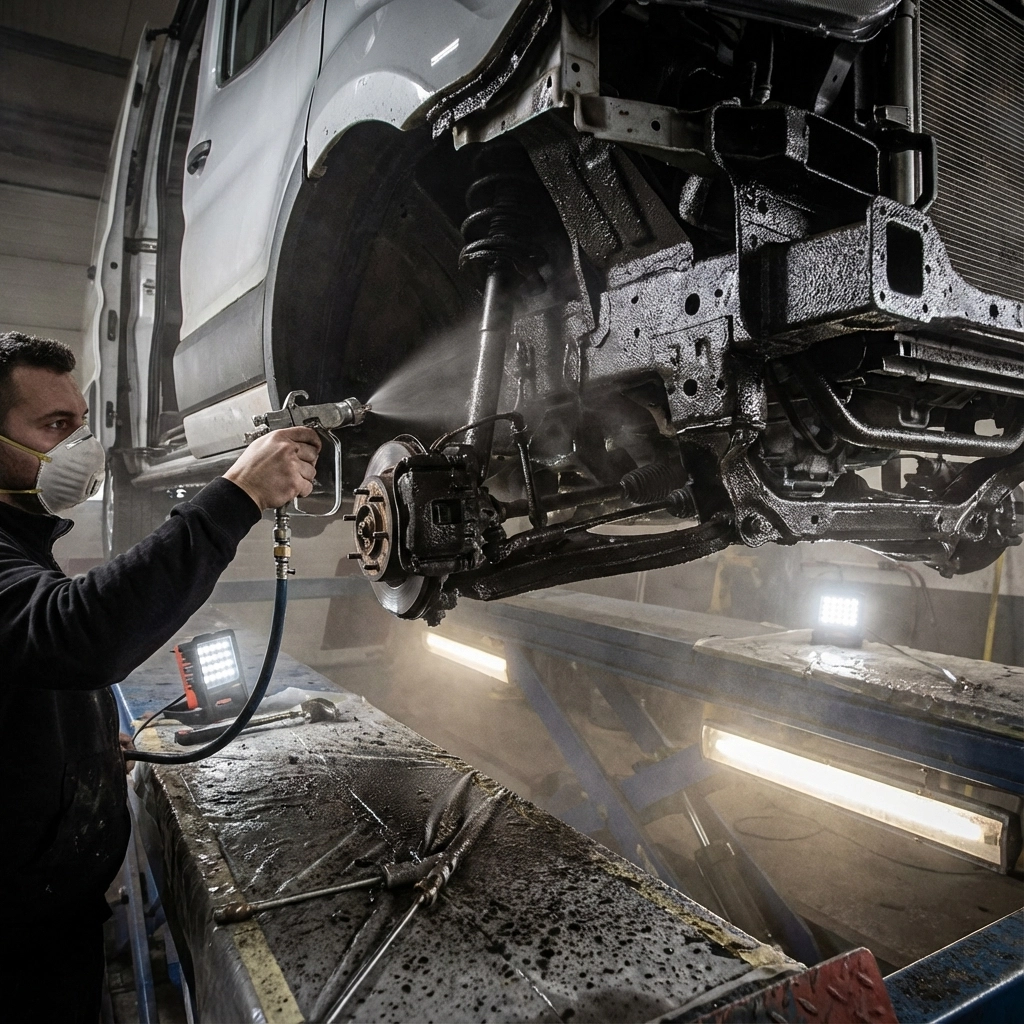
Thorough cleaning and preparation of all surfaces
Application of appropriate products for different areas
Access to specialized equipment for complete coverage
Professional assessment of existing rust and remediation needs
Quality products used by professional services typically outperform consumer-grade alternatives. Products like Dinitrol ML cavity wax and Lanoguard provide superior protection when applied correctly by trained technicians.
Warranty protection offered by reputable rustproofing services provides peace of mind and demonstrates confidence in the treatment quality. Professional applications often come with guarantees that DIY treatments cannot match.
Cost Considerations and Value Protection
The cost of professional rustproofing represents a fraction of potential repair expenses or replacement value. Consider that major rust repairs on a Transit van can easily cost several thousand pounds, while complete rustproofing treatment typically costs a few hundred pounds.
Resale value protection makes rustproofing particularly valuable for Transit vans used in business operations. A well-maintained, rust-free van commands significantly higher resale prices and attracts more buyers when it's time to upgrade.
Operational reliability improves when rust prevention keeps critical components functioning properly. Unexpected breakdowns due to rust-related failures can cost far more than preventive treatment in lost productivity and emergency repairs.
When to Seek Professional Help
Certain situations require immediate professional attention rather than DIY approaches:
Existing rust that has progressed beyond surface level requires proper treatment before rustproofing
Structural areas showing corrosion need assessment to determine if repair or replacement is necessary
MOT failures due to rust require professional remediation to meet safety standards
Warranty considerations may require documented professional treatment to maintain coverage
Taking Action
Ford Transit vans do rust, and often more severely than many owners expect. The combination of design vulnerabilities, heavy commercial use, and UK road conditions creates significant rust risk that requires proactive management.
Early intervention provides the best outcomes and most cost-effective protection. Whether you're purchasing a new Transit van or maintaining an existing one, implementing a comprehensive rust prevention strategy protects your investment and ensures reliable operation.
Professional rustproofing services offer the expertise, products, and guarantees necessary to effectively protect your Transit van from corrosion. Rather than waiting for rust to develop, take preventive action that preserves your vehicle's value and functionality for years to come.
For comprehensive rustproofing solutions specifically designed for commercial vehicles like Ford Transit vans, contact our specialists who understand the unique challenges these vehicles face and can provide tailored protection strategies.
Comments