
How can I tell if my car has rust underneath?
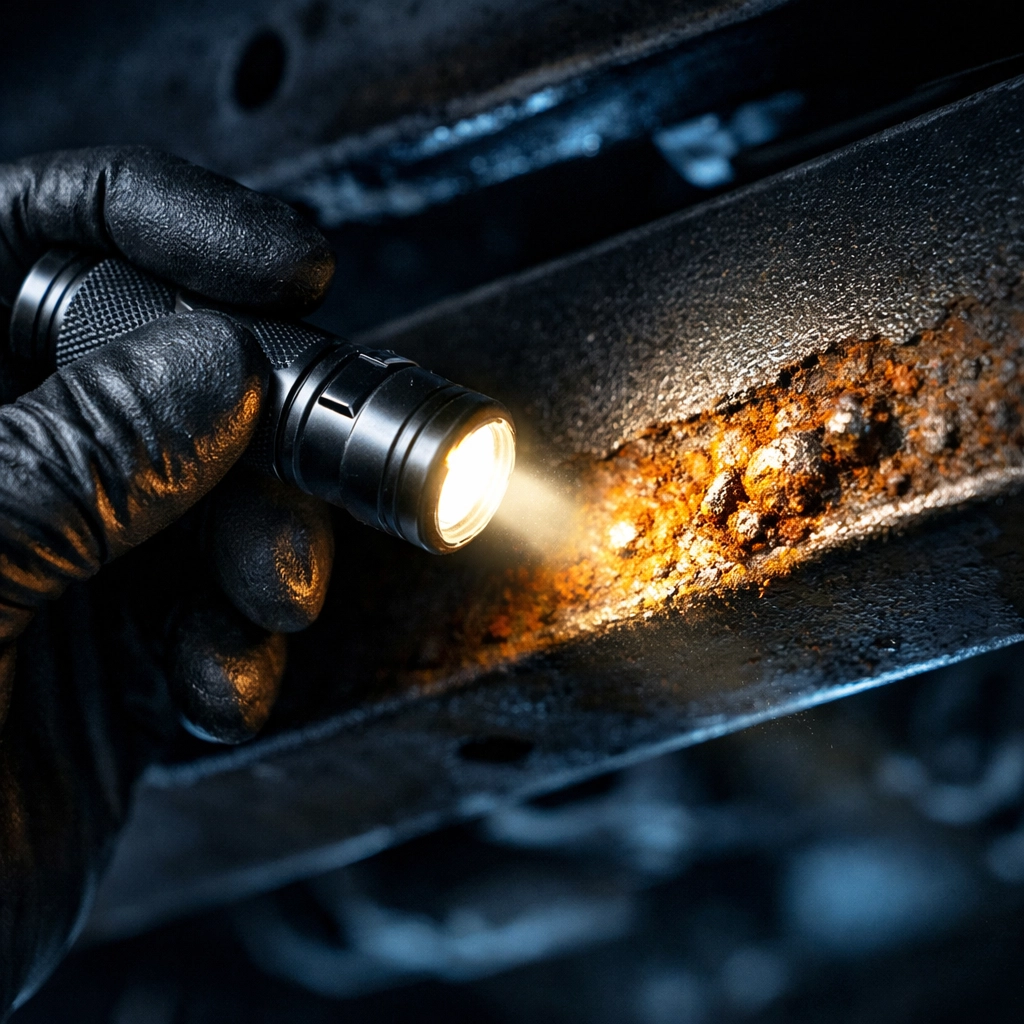
To tell if your car has rust underneath, you should look for paint bubbling, orange or brown staining, and flaky metallic textures on the chassis and components. By using a high-powered torch to inspect high-risk areas like the wheel arches, sills, and suspension mounting points, you can identify corrosion before it becomes a structural MOT failure. In the UK, moisture and road salt accelerate this process, often hiding damage behind plastic undertrays or factory "slush" guards.
Identifying Underbody Corrosion: The Key Indicators
Underbody rust is rarely uniform. It often starts in hidden crevices where mud and salt accumulate, staying damp for weeks at a time. Because the underside of your vehicle is not cleaned as frequently as the bodywork, corrosion can take hold and spread unnoticed.
01: Visual Red Flags
The most obvious sign of rust is a change in the appearance of the metal. Look for:
Discoloration: Fresh rust often appears as a bright orange dusting. Older, more settled corrosion turns a dark, reddish-brown or even black.
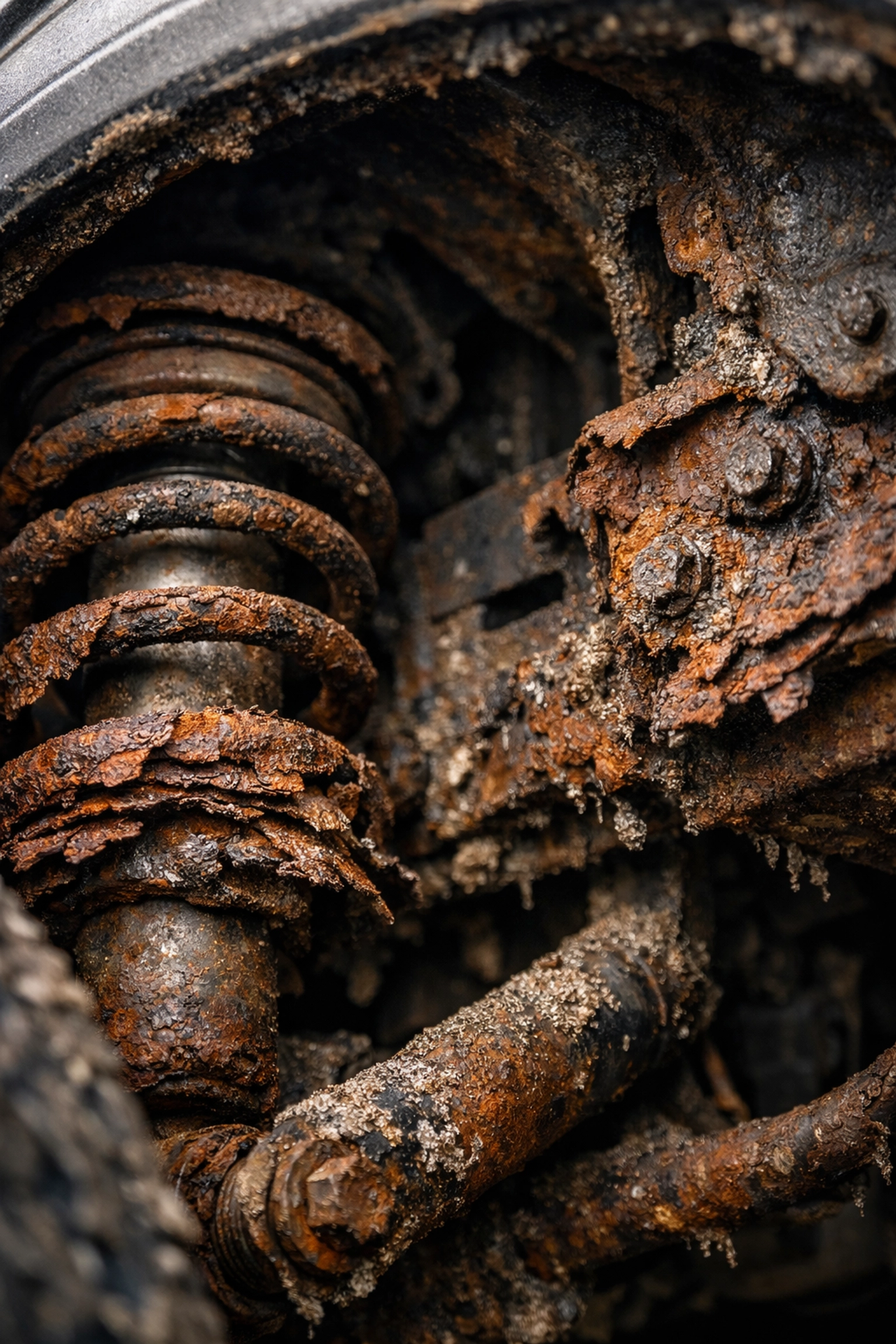
Flaking and Scaling: If the metal looks like it is "peeling" or has a crusty, wafer-like texture, you are looking at scale rust. This is a sign that the corrosion has moved past the surface and is eating into the thickness of the steel.
Bubbling Underseal: If your car has a factory-applied black coating, look for areas where it appears swollen or "blown." This usually indicates that water has got behind the coating and the metal is rusting out of sight.
02: Tactile Indicators
Sometimes your eyes can be deceived by dirt or old wax. A physical check is essential:
Rough Textures: Run a gloved hand along the chassis rails (ensure the vehicle is cold and safely supported). Surface rust feels like sandpaper, whereas healthy metal should feel smooth or slightly waxy if treated.
Soft Spots: Use a screwdriver or a small hammer to gently tap the metal. If the metal feels soft, "spongy," or if the tool pokes through, the rust is structural. This is a critical safety issue that requires immediate professional attention.
High-Risk Areas You Must Check
Rust doesn’t attack a car evenly. Certain areas are designed in a way that traps debris, making them "ground zero" for corrosion. When inspecting your vehicle, pay close attention to these specific zones.
The Chassis Rails and Subframes
The chassis is the backbone of your vehicle. In many modern cars and 4x4s, the chassis rails are box sections. These are prone to "inside-out" rusting, where condensation and salt water sit inside the rail. Check for any weeping of brown liquid from the drainage holes.
Wheel Arches and Sills
The "inner" wheel arches take a constant battering from road grit, which acts like sandpaper on the protective coatings. Once the paint is chipped, the bare metal is exposed. The sills (the metal panels running between the wheels under the doors) are also primary targets. If you notice bubbling near the bottom of your doors, it is likely that the sills are already heavily corroded.
Suspension Components and Coil Springs
Rust on suspension arms or coil springs can lead to mechanical failure. While surface rust is common here, heavy scaling can weaken the components, leading to snaps or cracks when hitting a pothole. This is a frequent reason why your MOT failed due to rust and can be expensive to rectify if the parts need complete replacement.
Brake and Fuel Lines
Many car owners forget that their brake and fuel lines are often made of steel. Look for any signs of pitting or "furry" green/brown textures on these thin pipes. Corroded brake lines are a major safety hazard and an automatic MOT fail.
The Three Stages of Underbody Rust
Understanding what you are looking at helps you decide how urgent the repair is. Not all rust requires the same treatment.
Surface Rust: This is purely aesthetic and involves the very top layer of the metal. It looks like a light dusting of orange. If caught now, how you remove rust from your car's underside is relatively straightforward through cleaning and sealing.
Scale Rust: The rust has begun to flake. The structural integrity is still mostly there, but the metal is becoming thinner. This requires mechanical wire-brushing or needle-scaling before any treatment can be applied.
Structural Corrosion: The metal has "perforated" (holes have appeared) or is so thin that it can no longer support the weight of the vehicle or the stresses of the road. At this stage, the only solution is cutting out the affected area and welding in new steel.
Why UK Cars Are at Greater Risk
In the UK, our climate creates a "perfect storm" for vehicle corrosion. We have high humidity, frequent rainfall, and a national habit of spreading thousands of tonnes of rock salt on the roads between November and March.
Rock salt is hygroscopic, meaning it attracts and holds moisture. When salt crystals get trapped in your car’s underbody crevices, they keep the area damp even on dry days, facilitating a constant chemical reaction that eats your steel. This is why a vehicle that looks pristine on the driveway can be a "rust bucket" underneath. Many owners are surprised to find that even what's included in a rustproofing service starts with an intensive steam clean specifically to remove these embedded salts.
How to Conduct a DIY Underbody Inspection
You don't need a professional workshop to spot the early signs of trouble, though it certainly helps. If you want to check your vehicle at home, follow these steps:
Wait for a Dry Day: It is much easier to spot orange rust when the metal isn't covered in road spray or rainwater.
Use a High-Output LED Torch: Shadows can hide a lot of sins. A bright, focused beam will help you see into the dark corners of the subframes and behind the wheels.
Check the "Trap Points": Look where plastic trims meet the metal. Dirt often collects here, acting like a damp sponge against the chassis.
Inspect the Jacking Points: These areas often have the protective coating crushed or scraped off by trolley jacks or lifts, making them one of the first places rust will appear.
If you find significant orange staining or "crunchy" metal, it is time to consider professional intervention. Ignoring the problem will not make it go away; rust is a cancer that spreads until the metal is gone.
When to Seek Professional Expertise
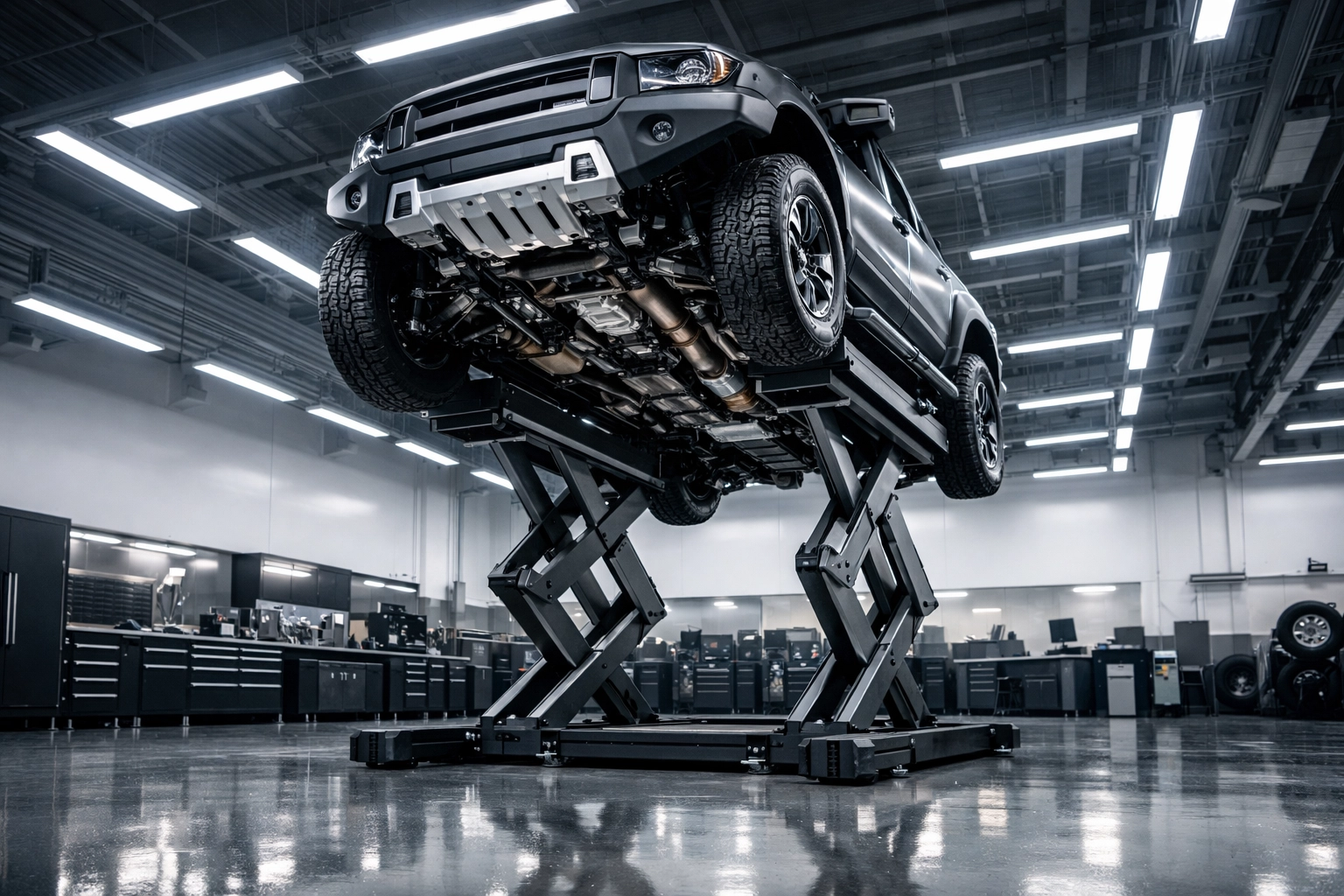
A DIY inspection is a great first step, but it has limitations. Modern cars often have extensive plastic under-cladding that hides 80% of the chassis. At Rustec, our professional inspections involve getting the vehicle on a lift and, where necessary, removing these covers to see the true state of the metal.
If you plan on keeping your vehicle for several years, or if you have just purchased a used car and want to protect your investment, a professional assessment is vital. We can determine if the rust is still at a stage where it can be treated and stopped, or if you need to visit a bodyshop for welding. Once the metal is cleaned and the rust is neutralised, applying a high-quality sealant will ensure your car remains solid for years to come. You might wonder how long rustproofing lasts; with the right preparation and products like Dinitrol, you can expect many years of peace of mind.
Summary: Protecting Your Investment
Finding rust underneath your car can be disheartening, but identifying it early is the difference between a simple preventative treatment and a multi-thousand-pound restoration bill. By keeping a close eye on your wheel arches, chassis rails, and sills, you can stay ahead of the "British winter" and keep your car on the road longer.
Key Takeaways:
Bubbling paint is usually the first sign of rust hiding beneath the surface.
Scale rust is a warning that the metal is losing its thickness.
UK road salt is the primary driver of chassis corrosion.
Regular inspections (both DIY and professional) are the only way to catch rust before it leads to an MOT failure.
If you’ve spotted something concerning during your inspection, or if you want the peace of mind that comes with a professional eye, we are here to help.
Unsure if your car has hidden rust? Contact Rustec today to book a comprehensive underbody inspection and protect your vehicle for the long term.
Frequently Asked Questions
Can I just spray underseal over the rust I found?
No. Spraying a thick, bitumen-based underseal over existing rust is one of the worst things you can do. It traps the moisture and oxygen against the metal, allowing the rust to "rot" the car from the inside out while looking perfect on the surface. Rust must be cleaned and treated with a converter or removed before sealing. Some owners ask if clear rustproofing is as effective as black; the answer usually depends on the condition of the metal and whether you want to monitor the surface over time.
My car passed its MOT, does that mean it’s rust-free?
Not necessarily. An MOT tester is primarily looking for structural safety. They may ignore surface rust or even moderate scaling if it hasn't reached a certain "prescribed area" near a load-bearing point. A car can pass an MOT today and be a structural failure a year later if the rust is left to progress.
How often should I check my car's underside?
We recommend a thorough visual check at least twice a year: once before the winter salt hits the roads and once in the spring after the salt has been washed away. A more detailed professional inspection should be part of your annual maintenance routine.
Comments