
The Underseal Trap Is Real: Why Bad Coatings Make Rust Worse
A poor rustproofing job can be worse than doing nothing, as it traps moisture and accelerates corrosion. When an amateur or a "quick-turnaround" shop applies thick, bitumen-based underseal over a chassis that hasn't been properly cleaned and dried, they are essentially sealing your vehicle’s fate. This "Underseal Trap" creates a microscopic layer of moisture and road salt between the metal and the coating, leading to rapid, hidden rot that only becomes visible once the chassis is structurally compromised. True protection requires a meticulous, multi-day professional process: not a two-hour spray-and-go service.
The Visual Mental Model: The Cling Film Effect
Imagine taking a piece of wet iron and wrapping it tightly in cling film. From the outside, the iron looks protected from the elements. In reality, you have created a permanent, high-humidity environment where the water cannot evaporate. The iron will rust significantly faster inside that plastic wrap than it would if it were left out in the open air. This is exactly what happens when you apply a "hard" underseal to a damp or dirty chassis. You aren't protecting the metal; you are suffocating it in a salty bath.
Ownership Identity: Why Long-Term Owners Invest Early
Elite vehicle owners understand that the chassis is the foundation of their investment. Whether it is a high-performance car, a hard-working 4x4, or a cherished classic, the goal is longevity. These owners do not look for the cheapest price; they look for the most thorough process.
Long-term owners protect the chassis early to avoid expensive repairs later. They recognise that the cost of professional intervention today is a fraction of the cost of structural restoration tomorrow. Preserving vehicles early avoids expensive surprises during MOT tests and ensures the vehicle remains safe for their family. If you plan on keeping your vehicle for more than three years, you cannot afford to fall into the trap of "budget" undersealing.
UK-Specific Context: Inevitability on British Roads
In the UK, we face a "perfect storm" for automotive corrosion. Our climate is damp year-round, and our winter road-salting strategy is one of the most aggressive in Europe. This salt forms a brine that find its way into every internal cavity, seam, and lap joint of your vehicle's underbody.
In UK conditions, corrosion is not a possibility : it is an inevitability without proper protection. Because our air is so humid, even a vehicle parked in a garage can suffer from moisture trapped in the chassis rails. Standard factory "protection" is designed to get the car through its warranty period, not to last twenty years. If you are driving on UK roads, the clock is already ticking.
Financial Consequence: The Price of Delay
Doing nothing leads to financial loss. Many owners justify delaying rustproofing because they don't see any "real" rust yet. This is a catastrophic financial mistake. By the time rust is visible on the exterior panels or the surface of the subframes, the structural integrity is likely already failing from the inside out.
Consider the data:
Professional Rustproofing: £500 – £1,200 (A one-time investment in preservation).
Welding and Structural Repairs: £1,000 – £4,000+ (Often required once a vehicle fails its MOT due to excessive corrosion).
Resale Value Loss: £2,000 – £5,000 (A rusty chassis is the single biggest deterrent for used car buyers and can lead to a can rust cause MOT failure conversation you don't want to have).
Investing in the best rustproofing method for UK vehicles is not an expense; it is equity protection.
WHEN TO ACT: The Window of Opportunity
The biggest mistake is waiting until rust becomes visible. If you can see it, it's already too late for "prevention": you are now into the realm of "mitigation."
0–3 Years (Prevention Phase): This is the gold standard. Treating a vehicle in this window ensures the metal is still pristine. This is the most cost-effective time to act.
3–5 Years (Ideal Window): Most UK vehicles will have light surface "bloom" by this stage. A professional treatment will stop this in its tracks.
5 Years+ (Urgent): If your vehicle is over five years old and has never been treated, it is highly likely that corrosion is established in the internal cavities.
Visible Rust (Advanced): This is time-critical. Every month you wait, the metal gets thinner and the eventual repair bill gets higher.
Comparison: The "Quick" Trap vs. The Rustec Standard
Not all services are equal. Many garages offer a "same-day" underseal service. This is a mechanical impossibility if the goal is actual protection.
Feature | "Quick" 4-Hour Service | Rustec Elite 72-Hour Standard |
Preparation | Quick jet wash or wire brush | Multi-stage deep clean & degrease |
Drying Time | Blown with air (leaves moisture in seams) | 24-hour heated industrial drying |
Masking | Minimal or none (overspray on brakes/exhaust) | Comprehensive masking of all sensitive components |
Cavity Injection | Often skipped entirely | 360-degree probe injection into all rails/sills |
Product Type | Cheap bitumen/tar-based coatings | Professional-grade waxes and polymer-modified coatings |
Visibility | Hides rust (dangerous) | Transparent or technical coatings allow for inspection |
The "Quick" service is an aesthetic treatment; the Rustec Standard is a structural one.
The Rustec Elite 72-Hour Standard
At Rustec, we refuse to compromise on the timeline because process matters more than product. Our proprietary 72-hour Elite Standard is designed to eliminate the risks of the "Underseal Trap."
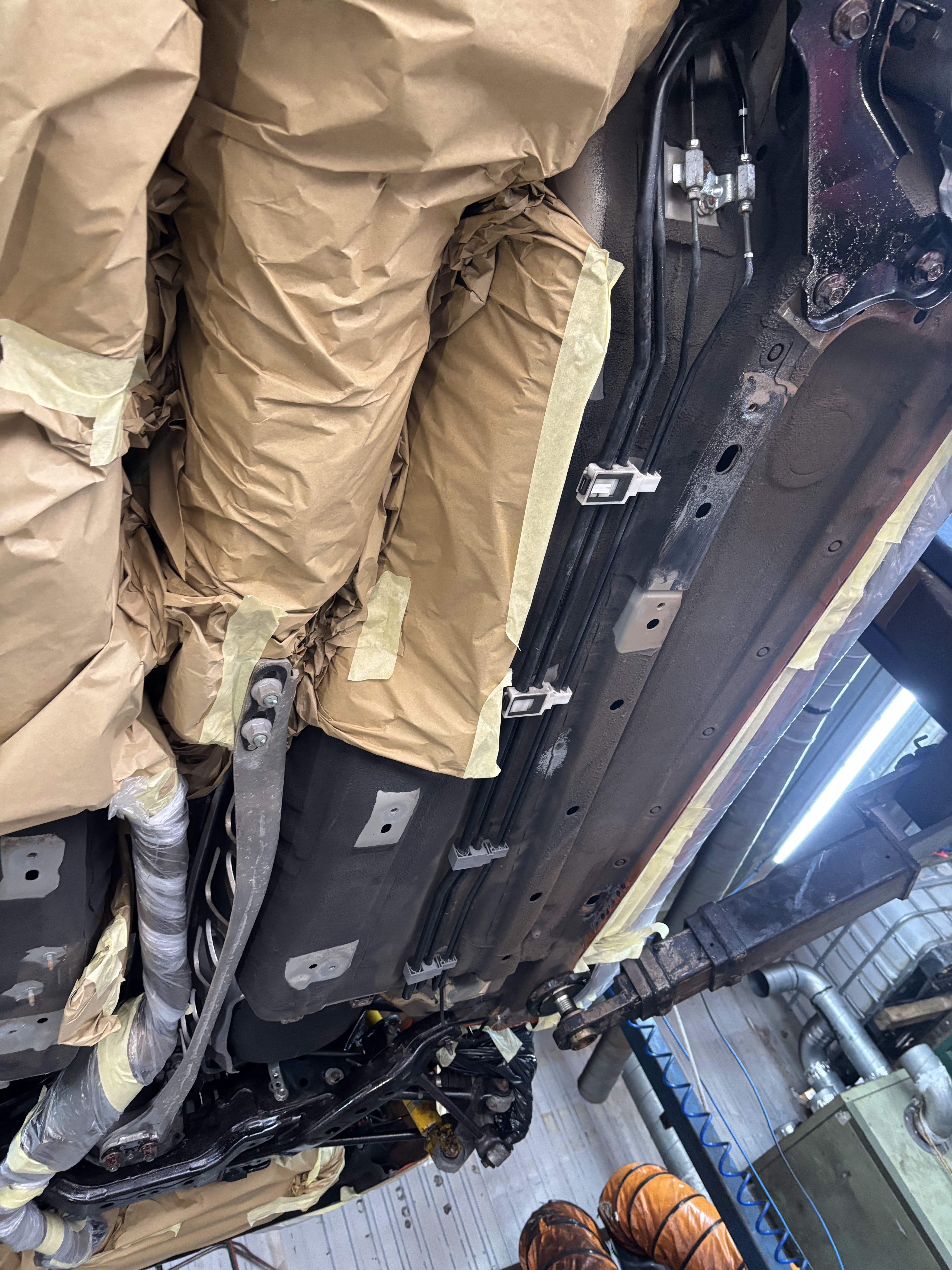
Deep Cleaning: We remove the plastic undertrays and wheel arch liners to expose the hidden dirt and salt traps. The underbody is then pressure washed and degreased.
Controlled Drying: This is the most skipped step in the industry. We use industrial heaters and dehumidifiers to ensure the metal is 100% dry, especially inside the box sections and chassis rails, before any coating is applied.
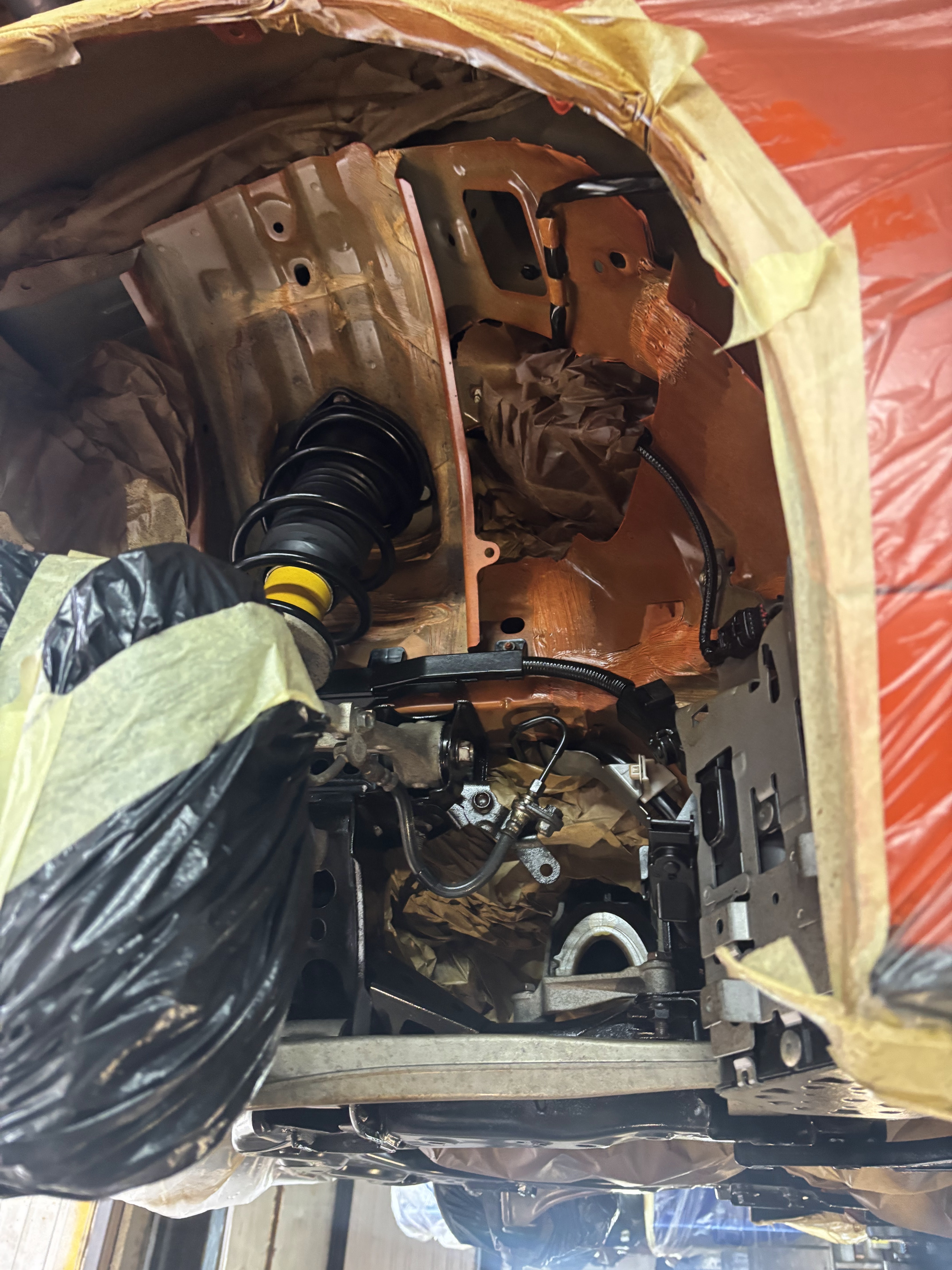
Detailed Masking: We meticulously mask the exhaust, braking system, engine, and electrical connectors. Precision application prevents mechanical issues and foul smells.
Cavity Wax Injection: We use specialised probes to flood the internal sections where rust actually starts. This is the difference between a car that looks good and a car that is good.
Underbody Coating: We apply professional-grade materials that remain flexible, ensuring they do not crack or "peel" like old-fashioned bitumen.
Buyer Psychology: Regret Minimisation
"I wish I had done this sooner." This is the single most common phrase we hear from owners who bring us vehicles that are already showing structural decay. The "Underseal Trap" is a result of looking for a shortcut. Owners who choose cheap, bitumen-based coatings often feel a sense of relief for the first year, only to face a massive welding bill three years later when the coating starts to flake off, revealing a Swiss-cheese chassis underneath.
Avoid the regret of a failed MOT or a tanking resale value. If you value your vehicle, treat it with the respect its engineering deserves. The cost of rustproofing in the UK is negligible compared to the alternative.
FAQ: High-Intent Buyer Questions
1. Does rustproofing increase resale value?
Absolutely. A vehicle with a documented, professional rustproofing treatment and a clean chassis is highly desirable. In many enthusiast communities, it is considered a mandatory requirement for a premium sale price. Indeed, does rustproofing increase resale value is a question answered by the faster sale times of treated vehicles.
2. Is bitumen underseal always bad?
Modern bitumen has its uses, but old-fashioned, thick bitumen "sludge" is the primary culprit in the Underseal Trap. It becomes brittle over time, cracks, and lets water in while preventing it from getting out. Rustec prefers flexible, wax-based or polymer systems that "self-heal" and stay bonded to the metal.
3. How long does rustproofing last in the UK?
A professional treatment typically requires a minor inspection and "top-up" every 2–3 years, depending on mileage and usage. However, the internal cavity protection can last significantly longer. Knowing how long rustproofing lasts in the UK allows you to plan your maintenance schedule effectively.
4. Can I do this myself on the driveway?
You can apply a surface coating, but you cannot achieve the necessary level of cleanliness or dryness required for long-term protection. Without a vehicle lift and industrial drying equipment, you are almost guaranteed to trap moisture, falling directly into the trap we have described.

What Should You Do Next?
Stop guessing about the condition of your chassis. The "Underseal Trap" thrives on ignorance: once the coating is on, you can't see what's happening underneath. If your vehicle has a thick, black coating that is starting to flake, or if it has never been treated at all, you need a professional assessment.
Don't wait for the MOT tester to find a hole in your subframe. Take control of your vehicle’s lifespan today.
Related Rustec posts:
Rust doesn’t wait until it becomes visible. By the time most owners notice a problem, the damage underneath has already started costing them money. Waiting feels cheaper in the short term : but it nearly always becomes more expensive later.
If you're unsure of your vehicle's underbody condition and can't make it for a free inspection, email photos of your undercarriage to info@rustec.co.uk and one of our technicians will guide you.
👉 Book your inspection now and protect your vehicle before corrosion takes hold.
Comments