
The hidden cost of ignoring vehicle rust
Meta Title: Hidden Cost of Ignoring Vehicle Rust in the UK Meta Description: Ignoring vehicle rust in the UK can trigger MOT failure, costly welding and a 30% value drop. See why prevention costs less. URL Slug: /hidden-cost-of-ignoring-vehicle-rust
Ignoring vehicle rust is rarely a harmless cosmetic decision. In the UK, a small paint bubble can be the first visible sign of corrosion already working through the metal underneath. What looks like a £10 blemish today can become a £1,500 welding bill tomorrow. With British road salt, damp air and trapped moisture attacking vehicles from the inside out, waiting for an MOT failure is usually the most expensive way to own a car.
In this guide, we explain why rust is a structural problem, how corrosion can knock as much as 30% off your vehicle’s value, and why early professional treatment is often the lower-cost decision. If you want the wider cost picture first, read our pillar guide to Rustproofing Costs Explained (UK).
Why Rust Is More Expensive Than Most Owners Expect
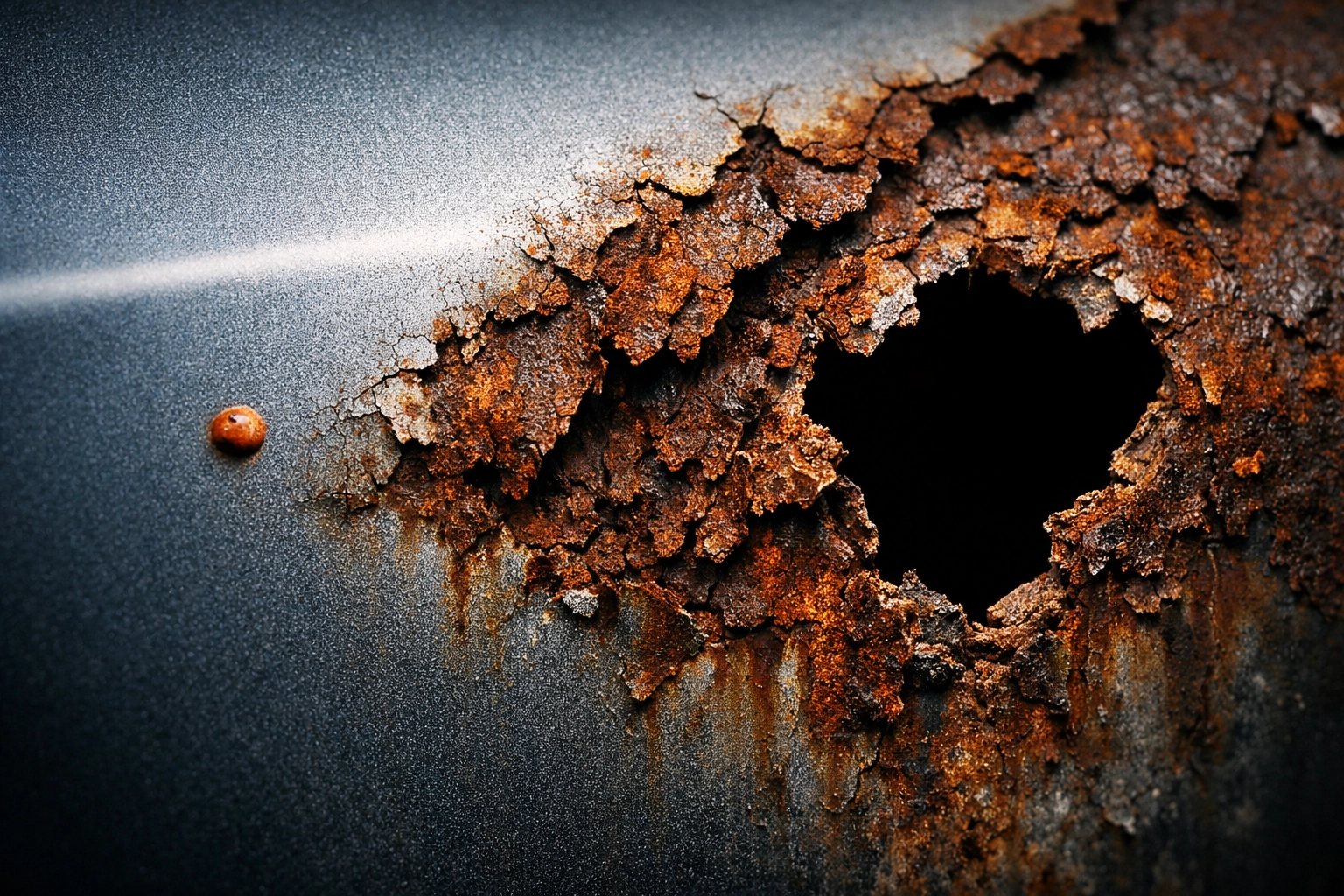
Rust is not a static defect. It spreads. That is why the “it’s only a bubble” assumption is so dangerous. By the time paint starts lifting, moisture has often already crept beneath the surface, and corrosion may be progressing in seams, behind liners, inside sills or around structural edges you cannot see.
This is where ownership costs start to move in the wrong direction. A vehicle that could have been protected early with a premium professional treatment can later need welding, fabrication, bodyshop work and repeat labour simply to stay roadworthy.
Waiting feels cheaper in the moment. In practice, it usually means paying more later for a worse outcome.
In UK conditions, that risk is amplified by what many owners face every winter: British Salt Brine. Road salt mixes with constant moisture, grime and high humidity to create a corrosive chemical cocktail that clings to the underbody, sits in joints and cavities, and accelerates rust from the inside out. This is especially relevant if your vehicle already shows warning signs. If you own a newer car, it is also worth reading Signs your nearly-new car might already be at risk.
The 30% Value Drop
Rust does not just create repair bills. It also destroys resale value.
Buyers, dealers and part-exchange appraisers treat visible corrosion as a sign of hidden cost. If they can see bubbling paint, flaky seams, crusty subframes or corrosion around the sills, they will assume there is more underneath. In many cases, they are right.
That is why rust can lead to a 20-30% drop in market value compared with a cleaner, properly protected equivalent.
Why buyers discount rusty cars so heavily
This is where prevention has a clear financial case. A professional rustproofing service is not simply a maintenance cost. It is a form of value protection that can help you avoid expensive remedial work and defend the condition buyers care about most. If resale matters to you, read Does rustproofing help your car’s resale value? and see our professional rustproofing service for what a comprehensive inspection, proper preparation and long-life protection involve.
Structural Safety Risks
Rust becomes dangerous when it moves beyond the surface and starts weakening the metal your vehicle relies on for strength.
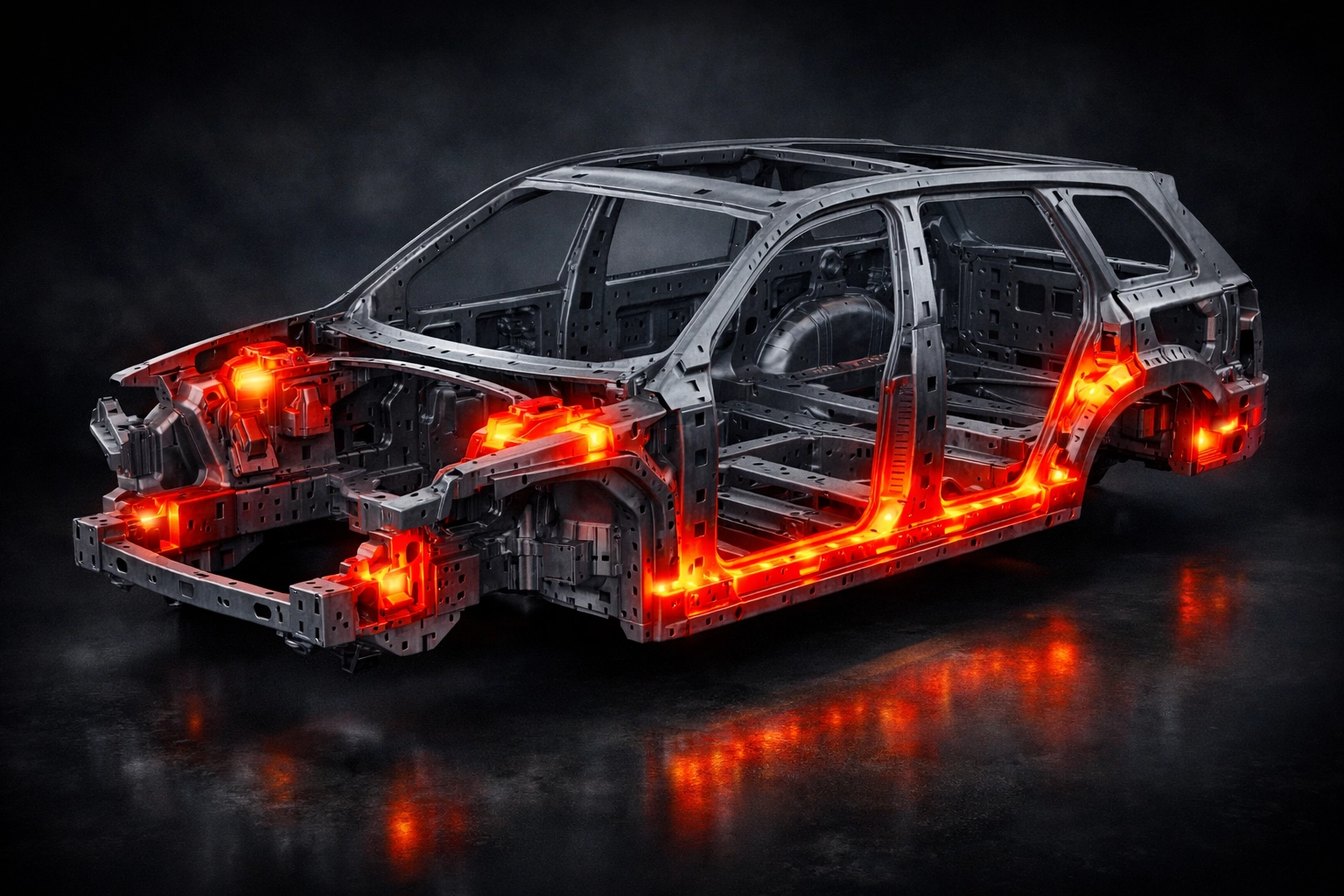
Modern vehicles are built around structural areas that must retain their integrity in daily use and in a collision. Corrosion reduces metal thickness, weakens seams and can compromise how those areas perform under load.
Areas where rust becomes a serious safety issue
Sills and structural seams
Chassis rails and subframes
Suspension mounting points
Brake pipe and fuel line routes
Seat belt anchorage areas
Floor edges and jacking points
Once corrosion reaches these zones, the conversation changes from appearance to safety, legality and cost.
If your vehicle’s structure or mounting points are significantly weakened, the car may no longer meet MOT standards. More importantly, it may no longer behave as intended in an impact. For heavier vehicles such as vans and 4x4s, the consequences can be even more serious because those structures carry higher loads in regular use.
If you are unsure of the current state of your vehicle, it is vital to understand why your MOT failed due to rust and what the inspector is looking for. Often, they are identifying safety risks that the driver hasn't even noticed from the driver's seat.
Why Waiting for the MOT Is the Most Expensive Option
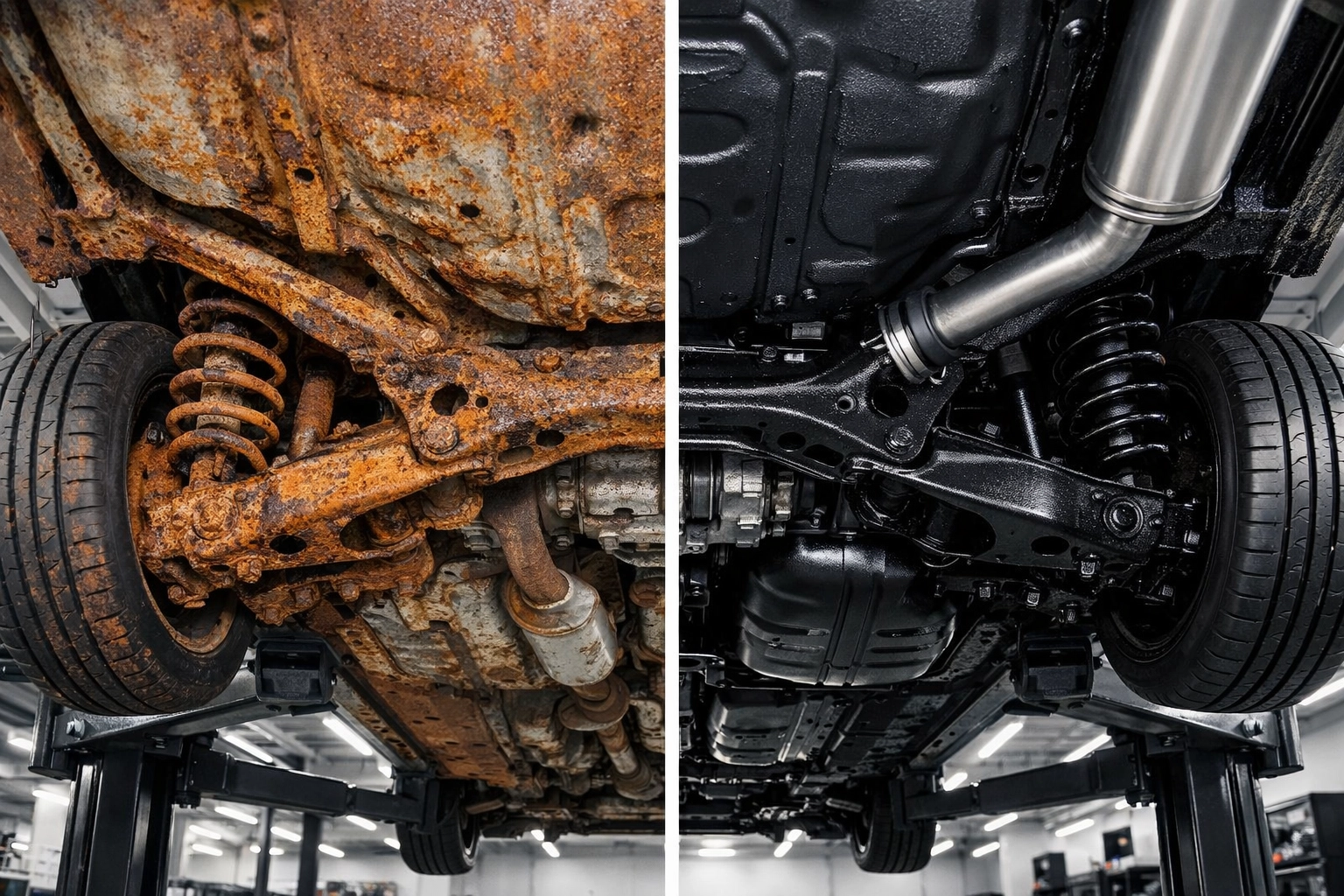
For many UK car owners, the annual MOT becomes the point where hidden rust finally turns into a visible cost. That is exactly why waiting is such poor value.
The DVSA has strict rules on corrosion near prescribed areas such as suspension mounts, steering components and seat belt anchorages. Once rust reaches that threshold, you are no longer choosing between treatment options at your convenience. You are reacting under pressure, with a deadline, and often with limited low-cost solutions available.
At that stage, owners are commonly forced into one of three expensive outcomes:
Paying for welding and fabrication just to secure a pass
Selling at a loss because the repair no longer feels worthwhile
Scrapping a usable vehicle because corrosion has overtaken its value
That is the core decision point: prevention costs less than failure. Professional rustproofing acts like a value insurance policy. It helps you avoid the high-cost scenario where rust has already damaged structural areas, pushed down resale value and turned the MOT into an emergency expense.
The Rustec Process: Professional Prevention
At Rustec, we do not simply spray over problems. We provide a premium, methodical process built around preparation, access and long-term protection. Our professional rustproofing service uses long life Dinitrol® and a comprehensive inspection so corrosion can be tackled properly, not cosmetically.
Our method is meticulous and transparent:
01: Inspection & Strip Down: We remove undertrays and wheel arch liners to expose the areas where corrosion commonly starts and where British salt brine often sits unseen.
02: Full Undercarriage Steam Clean: We carry out a thorough undercarriage steam clean to remove road salt, grease and built-up debris before treatment begins.
03: Meticulous Masking: Sensitive areas are meticulously masked up so products are applied precisely where they should be.
04: Treatment & Cavity Wax: We apply specialist products like Dinitrol 4941 to the underbody and inject cavity waxes into sills, seams and structural sections where moisture often remains trapped.
05: Photo Documentation: You receive photo documentation of the process, giving you a clear record of the work carried out.
Treating a sound vehicle early is almost always cheaper than dealing with the consequences later.
UK Context: British Salt Brine and Hidden Corrosion
Why is rust such a persistent problem here? Because the UK creates ideal corrosion conditions for vehicles.
It is not just road salt on its own. It is the combination of salt, standing moisture, damp air, grime and repeated wet-dry cycles. Together, they create the British Salt Brine that sticks to underbodies, gathers behind wheel arch liners, sits inside seams and creeps into cavities.
That matters because corrosion often starts in the places owners do not inspect regularly.
Winter road salt accelerates oxidation dramatically
High humidity keeps metal damp for longer
Mud and debris trap moisture against the steel
Box sections and cavities corrode from the inside out
Nearly-new vehicles can still be vulnerable if factory protection is limited
This is one reason waiting for visible external rust is risky. By the time you can see it, the process may already be established underneath.
Long-Term Value: Why Prevention Usually Pays for Itself
Professional rustproofing is best viewed as planned preservation, not reactive spending.
The cost of treatment is usually modest compared with the combined cost of welding, failed MOTs, lost resale value and ownership disruption. When corrosion knocks up to 30% off the value of an otherwise good vehicle, early protection becomes a practical financial decision, not an optional extra.
That is why many owners choose professional rustproofing as a value-led maintenance step. It helps preserve:
structural condition
resale confidence
underbody longevity
future repair budgets
ownership flexibility if you later sell or trade in
If you are comparing spend now versus risk later, start with Rustproofing Costs Explained (UK). It sets out why delaying action often leads to the more expensive ownership path.
What should you do next?
If you have spotted bubbling paint, flaky underbody corrosion, rust around the sills or simply want clarity before your next MOT, the best next step is an inspection.
A comprehensive inspection can show whether you are looking at an early-stage protection opportunity or a more advanced repair issue. Either way, acting sooner gives you more options and usually better value.
You can:
enquire about our professional rustproofing service
learn how protection can support value in Does rustproofing help your car’s resale value?
check whether a newer vehicle may already be vulnerable in Signs your nearly-new car might already be at risk
If you are unsure whether the rust on your vehicle is still treatable, please get in touch and arrange an inspection.
Final Takeaway
Rust is not just a cosmetic annoyance. In the UK, it is often the first visible sign of a deeper structural problem accelerated by British salt brine, trapped moisture and time. The most expensive way to own a car is to wait for the MOT to force the issue. Prevention is usually cheaper, safer and far better for long-term vehicle value.
FAQ
Is a rust bubble just cosmetic? Usually not. A paint bubble often means moisture has already got beneath the coating and corrosion is spreading underneath. The visible mark is often smaller than the real problem.
Why does rust reduce resale value so much? Because buyers assume there is hidden cost behind visible corrosion. Rust suggests future welding, MOT risk and reduced structural condition, so offers tend to fall quickly.
Is it cheaper to wait until the MOT finds the problem? No. Waiting until MOT failure is usually the costliest route because repairs are then reactive, urgent and often more extensive. Early treatment generally preserves more value and avoids larger bills.
Can a nearly-new car still be at risk in the UK? Yes. Factory protection is not always enough for long-term UK use, especially with winter salt, damp roads and trapped debris. That is why some owners protect vehicles much earlier than they first expected.
When should I book a rust inspection? As soon as you notice bubbling paint, flaky underbody corrosion, suspicious seams, or if you want reassurance before rust progresses. Earlier inspections usually mean better options.
Comments