
Signs your nearly-new car might already be at risk
Meta title: Signs Your Nearly-New Car Might Already Be at Risk Meta description: Nearly-new cars can rust early in UK conditions. Learn the warning signs, hidden risks, and when to book a free rust inspection.
Editor’s note: This article has been refreshed to help owners of nearly-new vehicles understand why early corrosion risk starts far sooner than most expect in the UK.
A nearly-new car is not automatically safe from rust. In the UK, the corrosion clock starts the moment a vehicle leaves the showroom. Road salt, high humidity and trapped moisture can begin attacking exposed metal far earlier than most owners realise, and some vehicles already show surface corrosion before their first MOT.
That is why the “new car = protected car” assumption can be costly. Factory-applied e-coats and plastic under-trays may help in the short term, but they are not designed to provide the kind of long-term underbody protection many UK owners expect. In this guide, we explain the early warning signs, why rust develops out of sight, and when a professional Dinitrol® treatment is the right step to preserve that new condition for the long term.
If you are researching broader protection options, start with our Ultimate Guide to Rustproofing in the UK, explore our professional rustproofing service, read the Top 5 reasons to rustproof your new car, or see our guide to rustproofing for electric vehicles.
Early Warning Signs
Surface corrosion on exposed metal
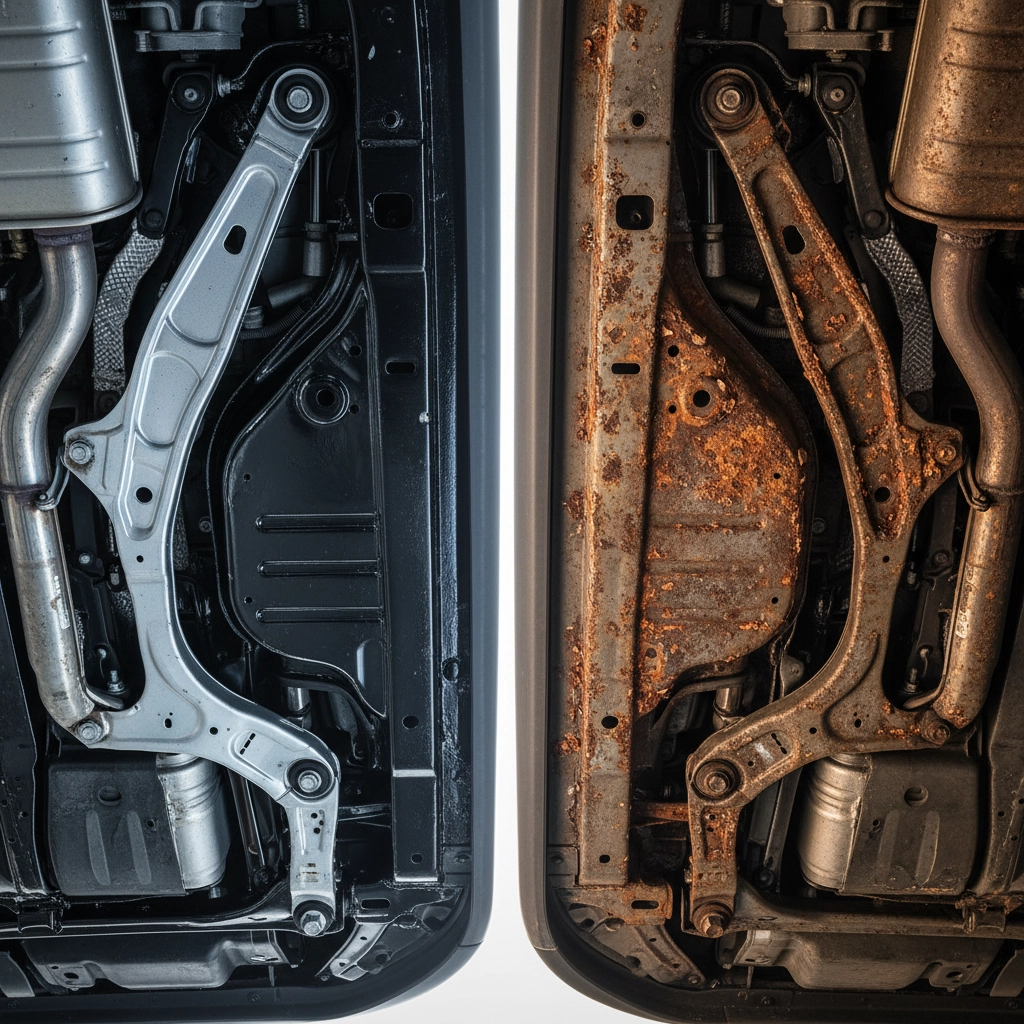
The earliest signs are often small and easy to dismiss: light orange bloom on suspension arms, subframes, chassis rails, fixings or weld seams. On a nearly-new vehicle, that should never be ignored. In the UK, even one or two winters can be enough for exposed underbody metal to start showing surface corrosion.
This is particularly common where the factory finish is thin, stone-chipped or repeatedly soaked in salty road spray. Vehicles such as the Ford Transit and Land Rover Defender are especially worth checking closely, as both can have exposed chassis sections that begin to corrode within the first 12–24 months in UK use.
Rust staining around seams, brackets and fasteners
A second warning sign is rust staining creeping out from brackets, edges, drain points or bolt heads. This tells you moisture has been sitting in one place for repeated wet-dry cycles. Once corrosion starts in these areas, it tends to spread under coatings and into joins.
If you are unsure what lasting protection involves, our professional rustproofing service explains the value of a comprehensive inspection, proper preparation and long life Dinitrol® application.
Moisture, grime and salt build-up behind covers
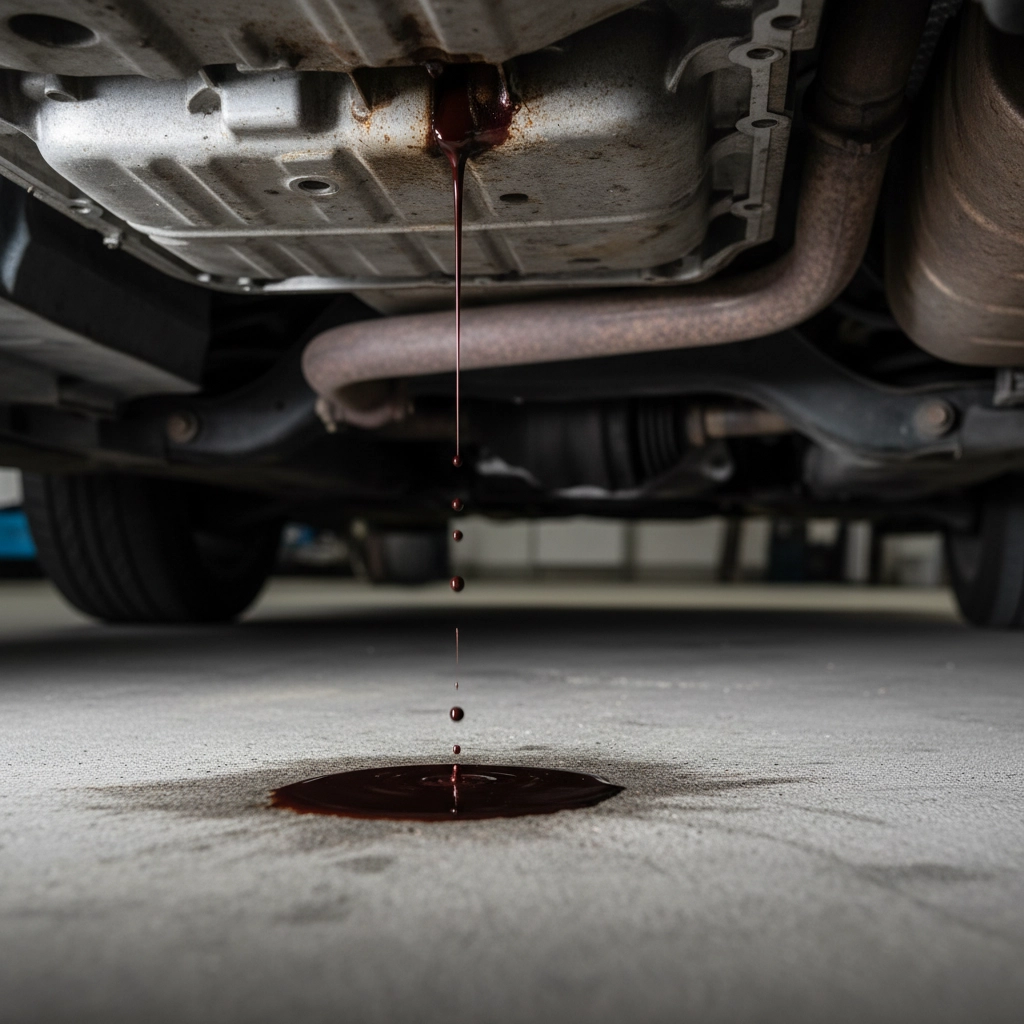
A vehicle can look clean externally but still carry damp mud, road salt and debris in hidden sections underneath. This build-up is one of the main reasons owners get caught out. The vehicle still feels “new”, but the underbody may already be creating the conditions corrosion needs.
The Hidden Hazard of Plastic Liners
Plastic under-trays and wheel arch liners are often misunderstood. They can improve airflow, reduce road noise and shield some areas from direct spray, but they do not mean the underbody is fully protected. In many cases, they actually make inspection harder while trapping damp debris out of sight.
In UK conditions, road salt and high humidity create a hidden micro-climate behind these liners. Moisture becomes trapped against seams, spot welds, brackets and exposed edges. Because owners cannot easily see behind these panels, rust is often discovered later than it should be.
This is where the “factory protection is enough” myth starts to fall apart. Factory-applied e-coats are useful as a production-stage base layer, but they are not a decade-long rustproofing solution for harsh British winters. They can be thin in vulnerable areas, damaged by road debris, and leave cavities or joins with limited long-term defence. Generic dealer “protection packages” are also frequently poor substitutes, as they often focus on paintwork, glass or interior fabrics while leaving the chassis, seams and cavities largely untouched.
For a nearly-new vehicle you intend to keep, a professional Dinitrol® treatment is the step that properly locks in condition early, before corrosion takes hold. For a broader overview of methods and protection types, see our Ultimate Guide to Rustproofing in the UK.
Why nearly-new vehicles still need attention
The key issue is timing. Rustproofing is most effective when applied before corrosion becomes established. Once salt, moisture and abrasion have had a couple of winters to work on exposed sections, the job becomes one of treatment and containment rather than pure preservation.
That is why owners of newer vehicles should act early rather than waiting for visible deterioration. If you want to understand the ownership case in more detail, read our guide to the Top 5 reasons to rustproof your new car. If your vehicle is electric or hybrid, our article on rustproofing for electric vehicles explains why battery trays, underbody shields and hidden cavities still require serious attention.
Professional assessment benefits
Comprehensive inspection advantages
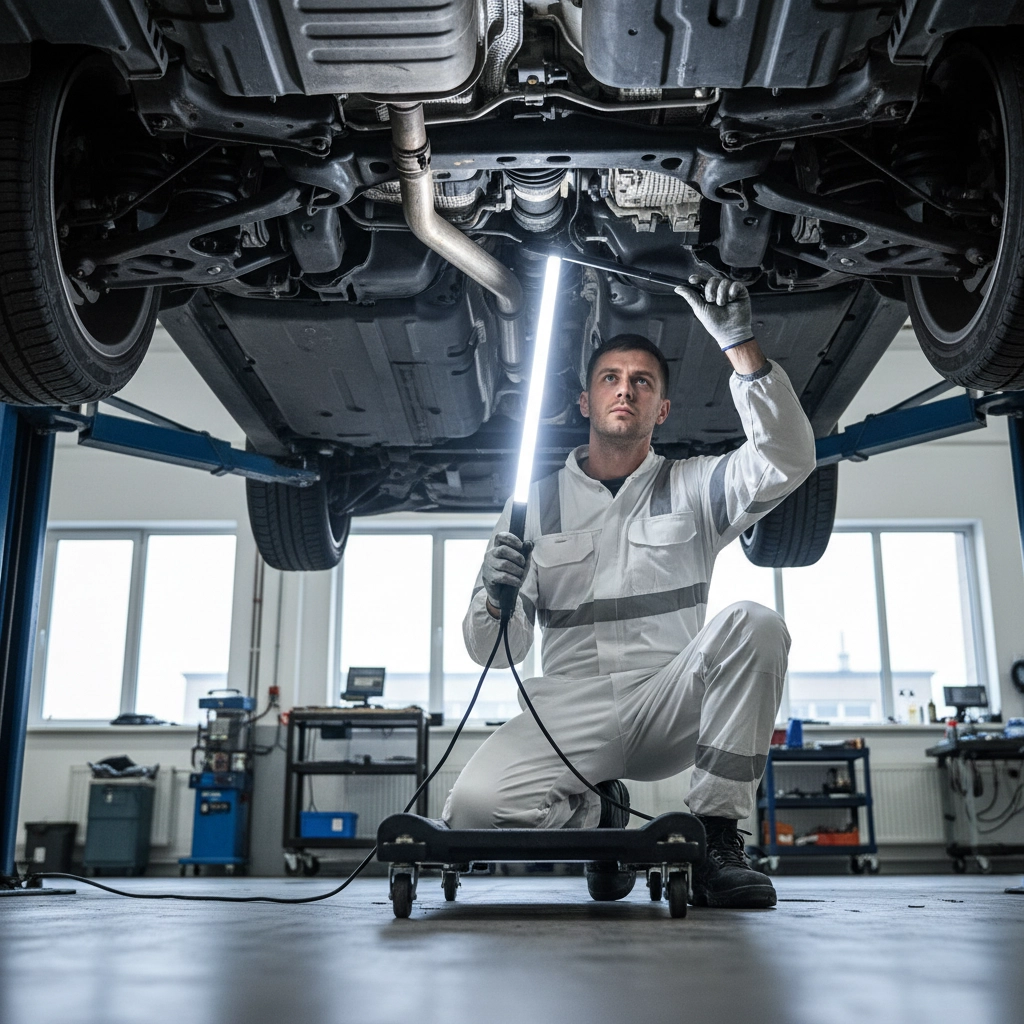
A proper inspection matters because most risk areas are not obvious from standing height or from a quick wash. At Rustec, we carry out a comprehensive inspection of the accessible underbody, identify vulnerable points, and provide photo documentation so you can clearly see the condition of your vehicle underneath.
This allows owners to make an informed decision while the vehicle is still in strong condition, rather than discovering preventable corrosion years later.
Why professional Dinitrol® treatment makes the difference
A professional application is not just about spraying a product underneath a car. Long-term results depend on preparation, access, cleaning, drying, cavity protection and precise application to the right areas. Our process includes a thorough undercarriage steam clean, careful drying, and the use of highest-quality products designed for long service life in real UK conditions.
For owners who want to preserve a nearly-new vehicle for the long term, professional Dinitrol® treatment is the clearest way to keep that “new” condition protected for years rather than trusting minimal factory coatings or cosmetic dealer add-ons.
What should you do next?
If your vehicle is between one and three years old, this is the right time to act. Do not wait for the first MOT to tell you what has already started underneath. An early inspection gives you a chance to protect clean metal, vulnerable seams and hidden cavities before corrosion becomes harder and more expensive to manage.
If you would like clear, expert advice, book a free inspection with Rustec. We will assess the underbody condition, explain any early warning signs we find, and advise whether a professional Dinitrol® treatment is the right next step for your vehicle.
FAQ
Can a 1–3 year old car really have rust already?
Yes. In the UK, surface corrosion can begin surprisingly early, especially on exposed underbody components. Road salt, repeated moisture and trapped debris can start the process well before a car reaches its first MOT.
Are factory e-coats enough for UK winters?
Not always. Factory e-coats are part of the manufacturing process, but they are not a complete long-term rustproofing system for every exposed underbody area. UK winter salt, humidity and stone impact can quickly reduce their effectiveness.
Do plastic under-trays stop rust?
No. They can hide it. Plastic liners and trays may shield some areas from direct spray, but they can also trap moisture and debris behind them, creating ideal conditions for corrosion that owners cannot easily see.
Are dealer protection packages the same as proper rustproofing?
Usually not. Many dealer packages focus on paint, fabric or cosmetic protection rather than the chassis, seams, cavities and other structural risk areas underneath the vehicle.
Which nearly-new vehicles should be checked carefully?
All vehicles can benefit from inspection, but vans, 4x4s and vehicles with exposed chassis sections deserve particular attention. The Ford Transit and Land Rover Defender are well-known examples where corrosion can begin early on exposed areas in UK conditions.
Nearly-new does not mean rust-free. In the UK, the corrosion process starts early, often out of sight and well before the first MOT. Factory coatings, plastic liners and dealer add-ons are rarely enough to protect a vehicle’s chassis and hidden cavities for the long term.
If you want to preserve your vehicle while it is still in strong condition, arrange a free inspection with Rustec and ask about our professional rustproofing service. If you still have a question or would like more information, don’t hesitate to get in touch.
Comments