
Rustproofing for electric vehicles: What you need to know.
Yes, electric vehicles (EVs) still need rustproofing in the UK, and in some ways they need it more than petrol or diesel cars. The “maintenance-free EV” idea is misleading: no oil changes does not mean no corrosion risk. EVs carry substantial battery weight low in the chassis, many run extensive plastic under-trays that can trap wet salt, and they lack the engine heat that often helps dry moisture from the underside after a journey.
In this guide, we explain why EV underbodies can be especially vulnerable in UK conditions, why battery safety and expert masking matter, and why a professional, non-drilling treatment is the safest route for protecting your vehicle long term.
The Short Answer: Do EVs Really Need Rustproofing?
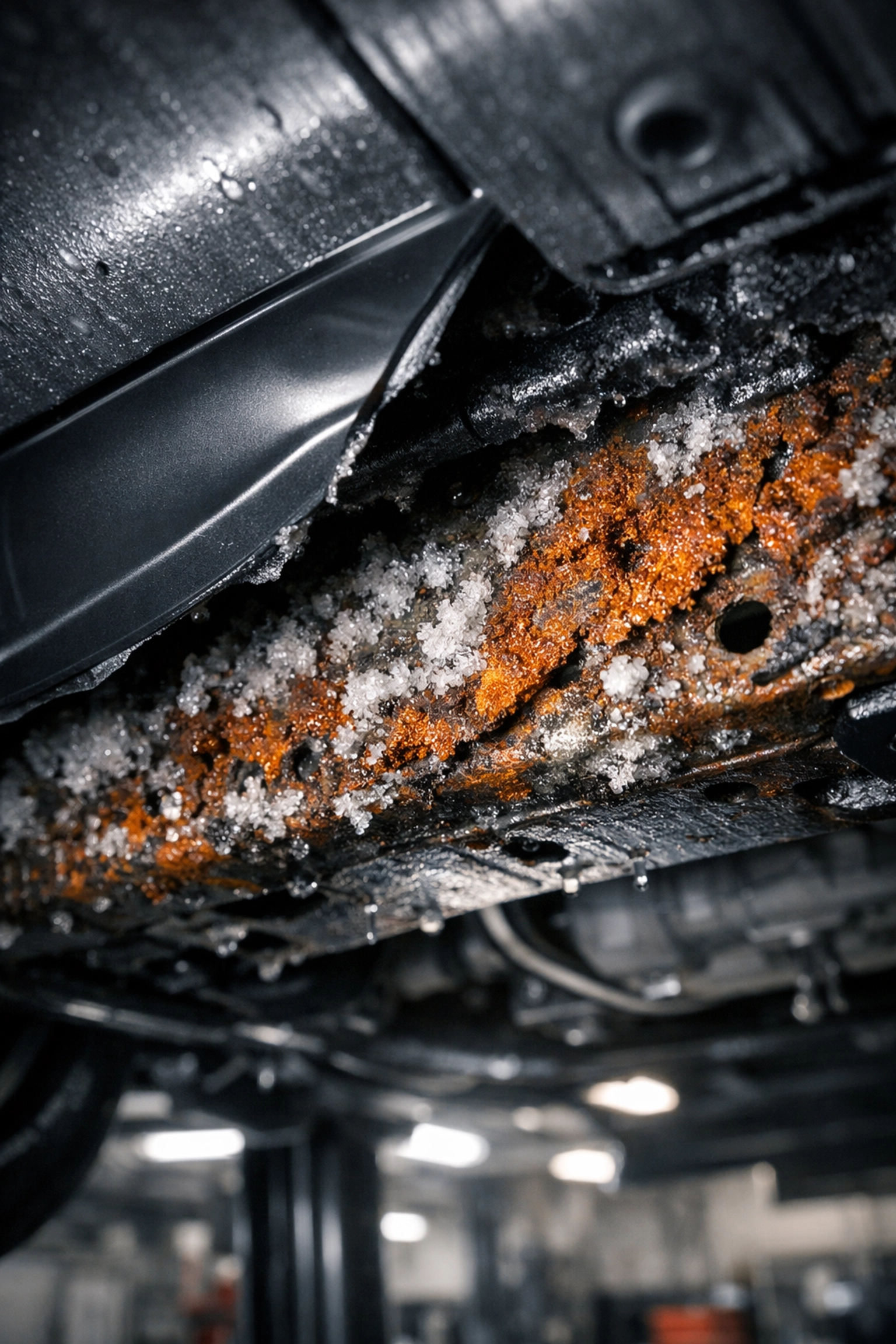
The short answer is yes. Factory coatings and plastic shields are not the same as a full corrosion prevention system. In the UK, road salt, damp weather, standing water and trapped debris can sit behind EV under-trays for months. On heavier vehicles, that corrosion is not just cosmetic. It can affect subframes, suspension mounting points, fixings around the battery enclosure, and other stressed chassis areas that matter for safety and long-term ownership.
If you want the wider context first, read our Ultimate Guide to Rustproofing in the UK.
Why EVs Are Different: Specific Concerns for Owners
When we talk about rustproofing a Tesla, Hyundai Ioniq 5, Kia EV6 or VW ID.4, we are not just looking at the visible edges of the floorpan. EV corrosion risk is shaped by battery layout, underbody design, vehicle mass and sensitive electrical hardware. That makes EV rustproofing a specialist job rather than a quick spray-over service.
1. Battery Safety: Corrosion Around the Battery Enclosure Matters
The battery pack is the most expensive component on the vehicle, and its outer housing sits directly in the firing line of road spray, salt and grit. On many EVs, the pack is mounted low in the structure with exposed fixings, seams, braces and adjacent metalwork that can collect contamination.
If corrosion develops around the battery casing, brackets, fixings or nearby cooling components, the issue is not simply appearance. It can contribute to seized fasteners, deterioration around mounting areas, and costly work later if major components ever need to be removed or serviced.
2. Weight Stress: Why Rust Is a Safety Issue on EVs
EVs are typically heavier than equivalent petrol or diesel models because of the battery pack. That extra mass puts greater load through subframes, suspension arms, spring seats, mounting points and other chassis components every time the vehicle brakes, corners or hits poor road surfaces.
In UK conditions, salt and moisture attack exactly these stressed areas. If corrosion is allowed to progress, the concern is not just resale value or an untidy underside. It becomes a structural and safety priority. Heavy EVs place significant demands on the very metal components most exposed to winter contamination.
3. The Plastic Under-Tray Myth
A common assumption is that a smooth plastic-covered underside means the vehicle is already protected. In reality, extensive under-trays can hide corrosion and trap wet salt against metal for long periods.
This is especially relevant on vehicles such as the Tesla Model 3, Tesla Model Y and VW ID.4, which use large plastic underbody panels for aerodynamic efficiency. Those covers can hold damp debris against surrounding steel fixings, subframes and sections around the battery housing. What looks clean from the outside may be holding exactly the kind of contamination that speeds up hidden corrosion.
If you own a newer EV and want to understand why early prevention matters, read Signs your nearly-new car might already be at risk.
4. Less Drying Heat Under the Car
A petrol or diesel vehicle produces substantial engine and exhaust heat, which can help dry parts of the underside after wet journeys. EVs do not generate that same pattern of residual heat. Moisture can therefore linger for longer around trays, seams and brackets, particularly in winter when roads are repeatedly salted.
That does not mean every EV will rust overnight. It does mean the “EVs need less maintenance so corrosion matters less” argument is flawed. In the UK, the opposite can be true.
Why Budget Rustproofing Is a Serious Risk on an EV
This is where EV owners need to be careful. A cheap “spray and go” rustproofing job that might already be poor practice on a conventional car is a much bigger risk on an electric vehicle.
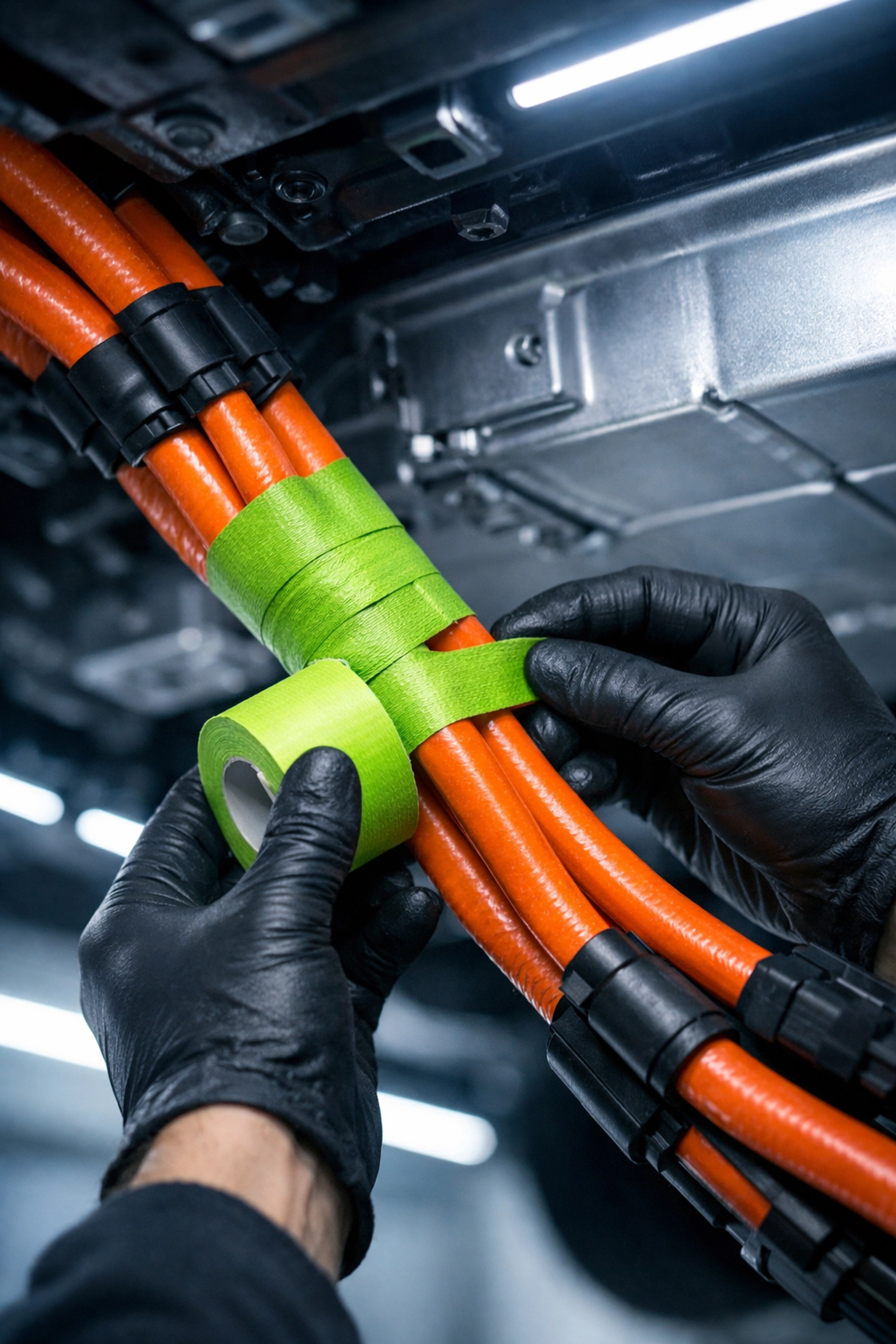
High-voltage orange cables, battery sensors, connectors, vents and electronic components must be identified and meticulously masked up before any product is applied. If a garage sprays blindly across an EV underbody, it can contaminate sensitive areas, interfere with service access, create future diagnostic headaches and raise questions around manufacturer warranty compliance.
That is why EV rustproofing should never be treated as a budget add-on. The preparation and masking stage is the job.
The Rustec Professional Process for Electric Vehicles
At Rustec, EV treatment is approached as a specialist service, not a generic underseal application. You can see the broader approach in our guide to the process of rustproofing a vehicle from start to finish, but EVs require even tighter control.
01: Comprehensive Inspection & Strip Down
We begin with a comprehensive inspection of the underside, followed by removal of under-trays and relevant covers where required to reveal the true condition of the metal. Every vehicle then receives a thorough undercarriage steam clean to remove road salt, mud and contamination.
02: Specialist EV Masking
This is the critical stage. Our technicians identify and protect high-voltage cables, orange connectors, battery-related sensors, plugs, vents and sensitive areas before any treatment is applied. Rustproofing should protect the vehicle, not create unnecessary risk.
03: Non-Drilling Application
For EVs, our process is specifically built around a non-drilling approach. We use existing access points where suitable and do not drill into the vehicle structure or battery-related components. This is a key difference between a specialist treatment and low-cost shortcuts.
04: Precision Use of Long Life Dinitrol®
We apply long life Dinitrol® products chosen for creep, coverage and durability. That includes cavity protection where appropriate and a flexible external coating for exposed underbody areas. The aim is complete, even protection without sealing in moisture or coating the wrong components.
05: Photo Documentation & Aftercare
We provide photo documentation so you can see the condition of the underside and what has been treated. Your vehicle also receives an official treatment service booklet, supporting transparent aftercare and long-term value.
If you want specialist protection rather than a generic underseal job, see our rustproofing service.
Will Rustproofing Void My EV Warranty?
This is one of the most important questions for EV owners, and it is exactly why the method matters. The risk is not professional rustproofing done correctly. The risk is poor-quality work.
A specialist, non-drilling treatment that uses proper masking, suitable products and existing access points is very different from a garage spraying indiscriminately over covers, fixings, sensors and cables. Rustec’s process is designed to respect manufacturer engineering and avoid unnecessary interference with battery-related systems.
If you are comparing options, the real decision is not whether to protect the car. It is whether you trust the garage carrying out the work to understand EV-specific risks properly.
UK Conditions: Why EV Corrosion Is More Than a Cosmetic Problem
In the UK, winter road salt is the main accelerant. Add regular rainfall, damp air, standing water and mud trapped behind under-trays, and corrosion can begin far earlier than many owners expect.
On an EV, the extra battery weight means subframes, suspension mounting points and other structural components are working hard all the time. When salt starts attacking those parts, rustproofing stops being a cosmetic upgrade and becomes sensible preventative maintenance.
This is particularly relevant if you:
drive daily through winter
live in a coastal area
keep vehicles long term
plan to buy your EV at the end of a lease
want to protect resale value before visible corrosion starts
Frequently Asked Questions
Does a brand-new EV need rustproofing?
Yes, early treatment usually makes the most sense. Factory protection is often limited, and once salt and moisture get behind trims and under-trays, corrosion can begin out of sight. Protecting the underside while the vehicle is still clean is typically the best starting point.
Are Tesla Model 3, Model Y and VW ID.4 under-trays enough on their own?
No. Their large plastic underbody panels help with aerodynamics, but they do not replace a dedicated corrosion prevention treatment. In some cases, they can hide damp debris and salt against metal sections for extended periods.
Can rustproofing damage EV components if done badly?
Yes. Poor masking and rushed application can create problems around high-voltage cables, sensors, connectors and service areas. That is why EV owners should avoid low-cost “spray and go” treatments.
Does Rustec drill into EVs?
No. Our EV approach is built around a non-drilling process using suitable access points and specialist masking.
How long does EV rustproofing take?
Typically, a full professional treatment takes a few days because the vehicle must be cleaned, dried, inspected, masked and treated properly. Rushed same-day jobs are not the standard you should be looking for on an EV.
What Should You Do Next?
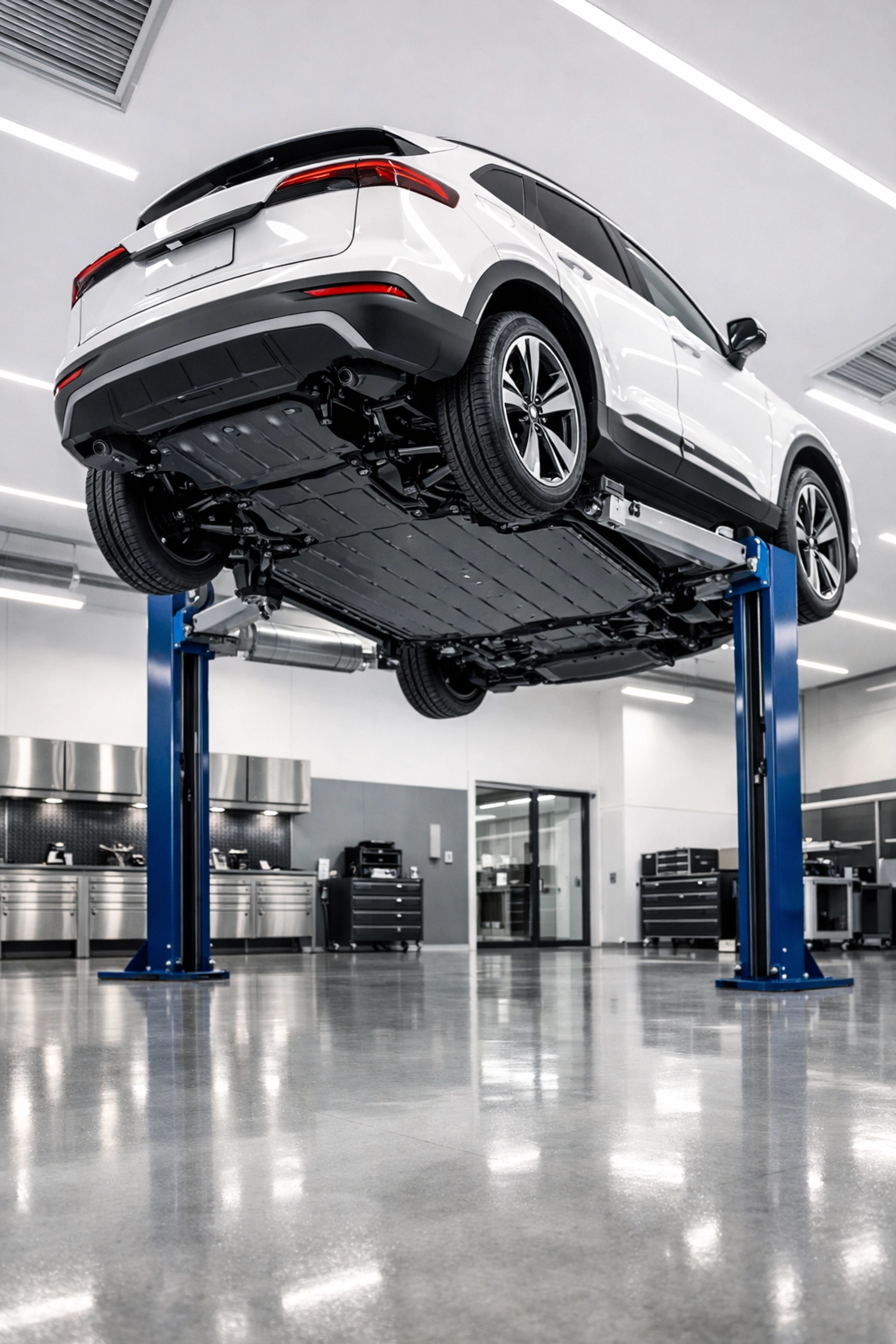
If your EV is new, nearly new or already seeing regular UK winter use, now is the right time to inspect the underside properly before corrosion becomes hidden and established.
Start by reviewing our Ultimate Guide to Rustproofing in the UK, then see how our rustproofing service works in practice. If you want model-specific advice, or you are unsure whether trapped salt and moisture are already affecting your vehicle, please enquire and arrange an inspection with Rustec.
Final Takeaway: Protect the Parts You Cannot Easily See
EVs are not corrosion-proof. In UK conditions, their weight, underbody design and lack of drying engine heat can make hidden rust a bigger issue than many owners realise. The key is not simply applying a product. It is choosing a specialist process that protects the chassis and battery-adjacent areas without putting sensitive EV components at risk.
If you want clear advice on protecting your electric vehicle properly, get in touch with Rustec and book an inspection.
Meta Title: Do Electric Cars Need Rustproofing in the UK? Meta Description: Electric cars still need rustproofing in the UK. Learn why EV weight, trapped salt and battery-safe treatment make expert protection essential. URL Slug: /do-electric-cars-need-rustproofing
Comments