
How long does a rustproofing treatment last?
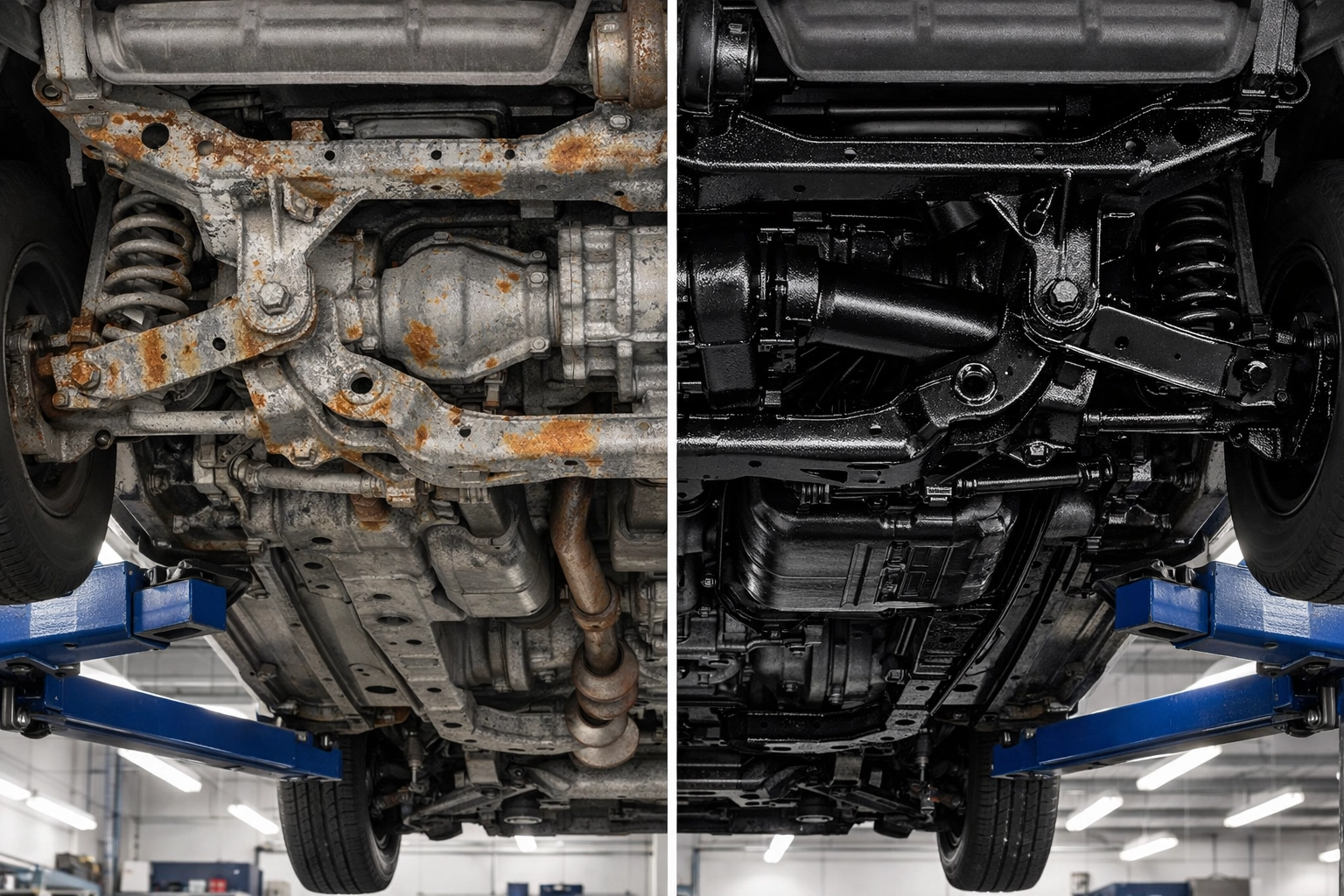
A professional rustproofing treatment typically lasts 5 to 10 years when the vehicle is prepared properly and treated with a multi-stage wax system such as Dinitrol. By contrast, cheap oil-based sprays are usually 12 months at best before they need doing again. That is the key difference: not all rustproofing is the same, and the cheapest option often becomes the most expensive if you keep reapplying it every year.
In the UK, longevity is tested hard by high humidity, regular rainfall, road salt, mud, and coastal exposure. That means the product matters, but the process matters more. A coating applied over dirt, moisture, or loose corrosion will not last as it should. In this guide, we explain what lifespan you can realistically expect, how to compare oil sprays, wax systems, and rubberised underseals, and why owners of vehicles such as the Toyota Land Cruiser and Land Rover Defender usually choose long-term chassis protection over a quick annual spray.
The Short Answer: Rustproofing Lifespan at a Glance
If you want the direct comparison, this is the realistic lifespan of the most common rustproofing options in UK conditions:
Oil-based sprays (e.g. Lanoguard): around 12 months. These are sacrificial coatings and are normally part of an annual routine.
Basic wax treatments: often 2 to 3 years, depending on preparation and vehicle use.
Professional multi-stage Dinitrol treatment: typically 5 to 10 years, with sensible inspections and maintenance.
Rubberised or bitumen underseals: can appear to last for years, but they carry a serious risk if they crack and trap moisture against the metal.
If you are comparing value rather than just upfront cost, this difference matters. One professional long-life treatment can be far more cost-effective than paying for repeated annual sprays. If you want a wider price comparison, see our guide to Rustproofing Costs Explained (UK).
Why Not All Rustproofing Lasts the Same Length of Time
The mistake many owners make is assuming every rustproofing product is broadly similar. It is not. The lifespan depends on what type of coating it is, how it behaves over time, and how well the vehicle was prepared before application.
In simple terms, some products are designed to be sacrificial. Others are designed to be long-term barriers.
Sacrificial oils: short-term protection by design
Oil-based sprays such as Lanoguard are popular because they are easy to apply and relatively inexpensive at the point of purchase. They work by leaving an oily protective film on the metal. The issue is that this film gradually washes away, dries out, gets displaced, or thins down under real-world use.
That is why they are normally treated as a 12-month product, especially in UK winter conditions. For owners who are happy to reapply every year, that may be acceptable. For owners focused on long-term chassis preservation, it is often a false economy.
Professional wax systems: built for longer-term protection
A professional Dinitrol system is different. It uses penetrating cavity waxes to creep into seams, box sections and overlaps, then combines that with a durable external underbody wax to protect exposed surfaces.
Because the system is designed in layers, and because the wax remains flexible rather than drying into a brittle shell, it offers a much longer service life when applied properly. That is why a well-prepared vehicle can see 5 to 10 years from a professional treatment rather than a single winter season.
For readers comparing methods, our guide on What is the process of rustproofing a vehicle from start to finish? explains exactly why preparation and product choice have such a big impact on longevity.
Clear Decision Criteria: What Actually Determines Longevity?
If you want a simple rule for decision-making, judge any rustproofing method against these four points:
1. Is it sacrificial or long-life?
If it is designed to wear away and be topped up every year, it is a short-life system. If it is a professionally applied multi-stage wax system, it is built for multi-year protection.
2. Does it stay flexible?
A good wax system stays flexible enough to cope with vibration, weather changes and road use. That helps it stay sealed for longer.
3. Can it protect internal cavities as well as the visible underbody?
A rustproofing treatment should not only cover what you can see. Chassis rails, sills, seams and box sections often corrode from the inside out. A treatment that ignores cavities is incomplete.
4. Was the vehicle prepared properly?
This is the deciding factor. Even a premium product will underperform if it is sprayed onto a dirty, damp or contaminated underside. A comprehensive inspection, thorough undercarriage steam clean, proper drying and meticulous masking are what separate a professional result from a short-lived one.
If you are weighing up whether a professional approach is worthwhile, you can also look at the ownership case in our article on Does rustproofing help your car’s resale value?.
Dinitrol vs Lanoguard: Why the Lifespan Is So Different
When owners ask how long rustproofing lasts, this is usually the comparison they are really trying to make.
Lanoguard and similar oils
Lanoguard-style products are best understood as maintenance coatings. They can be useful for owners who want to keep topping up protection themselves, but they are not normally a one-time, long-term solution. In UK use, 12 months is the practical expectation.
That annual routine may sound affordable, but once you add up repeat product costs, repeated labour or repeated DIY time, it is often more expensive over several years than choosing a proper treatment once.
Dinitrol multi-stage wax treatment
Dinitrol is a premium, professional system based around different products for different jobs. For example:
a cavity wax to penetrate seams and enclosed sections
an underbody wax to create a durable external barrier
additional targeted products where needed for exposed or vulnerable areas
That system-based approach is why it lasts longer. It is not just “one spray”. It is a treatment process.
If you want to see what that looks like in practice, view our professional rustproofing treatment page.
The Underseal Warning: Why Rubberised Coatings Can Be Risky
One of the most important longevity warnings concerns old-style rubberised or bitumen underseals.
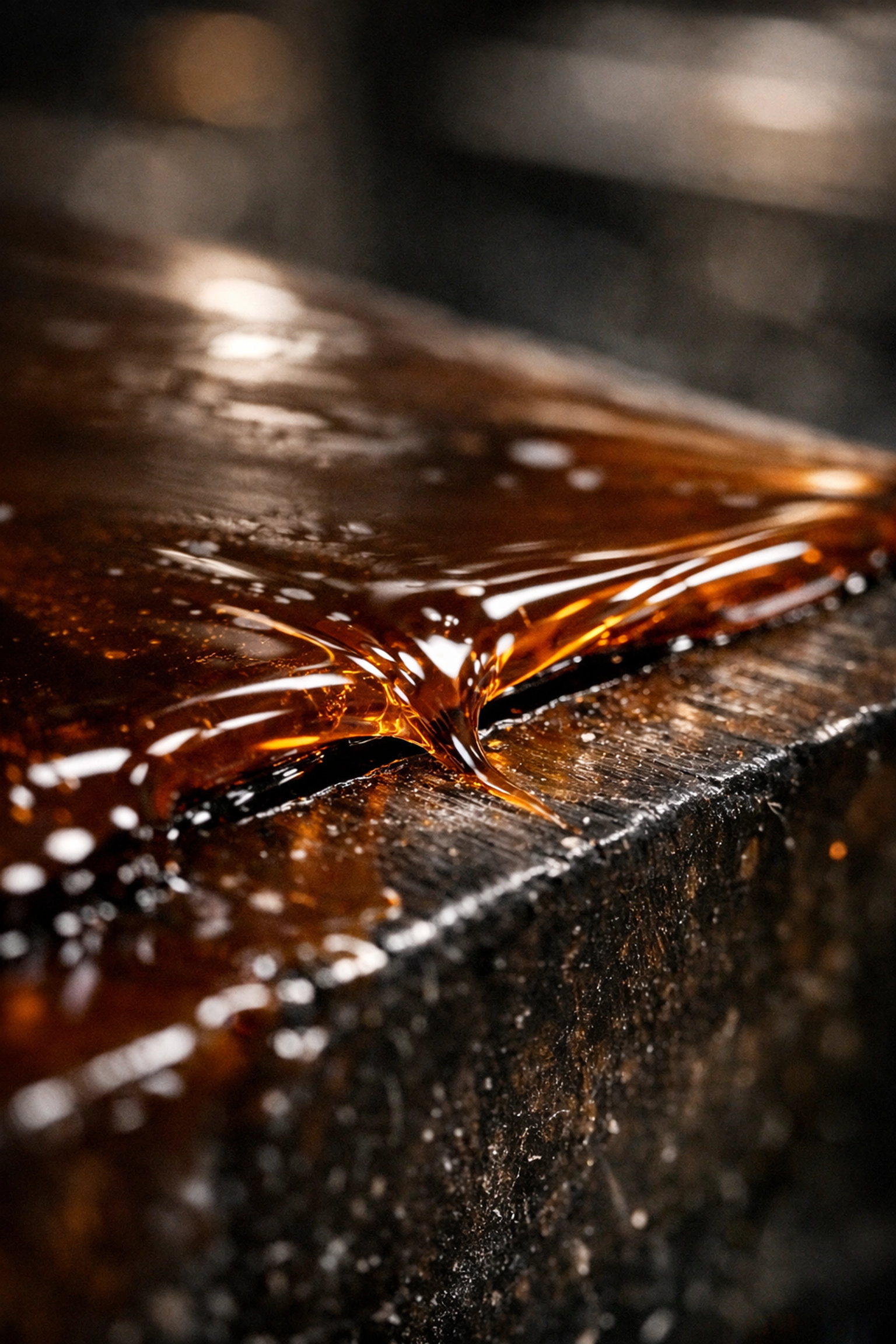
On the surface, they can look tough and reassuring because they form a thick black skin. The problem comes later. If that skin cracks, lifts or separates from the metal, it can trap moisture underneath. Once that happens, corrosion can continue out of sight while the coating still looks intact from the outside.
That is why some vehicles appear protected until the coating is disturbed and severe hidden rot is found underneath. In other words, a coating can look durable while actually making inspection harder and corrosion more difficult to spot.
For long-term vehicle preservation, especially in the UK, flexibility and correct preparation matter far more than simply applying the thickest-looking product.
Why the UK Is the Real Test of Any Rustproofing Treatment
The UK is a demanding environment for corrosion protection. Any claim about lifespan has to be judged against what vehicles actually face here:
road salt in winter
persistent damp and high humidity
mud and road debris collecting in seams and chassis rails
coastal salt exposure
frequent temperature changes and wet-dry cycles
These conditions are why a product that seems adequate in theory can fail much sooner in practice.
The process is what makes it last
This is the most important point in the article: longevity comes from the process, not just the tin or spray gun.
A durable result depends on:
a comprehensive inspection
removal of covers and liners where needed
a thorough undercarriage steam clean
full drying before application
rust treatment where required
correct cavity wax application
correct underbody wax coverage
meticulous masking and finishing
Without that process, even a respected product will not deliver its full service life.
Vehicle-Specific Perspective: Why Defender and Land Cruiser Owners Think Long Term
This is especially relevant for owners of vehicles such as the Toyota Land Cruiser and Land Rover Defender.
These are vehicles people often keep for the long haul. They are valued for durability, utility and chassis strength. Owners are usually not looking for the cheapest short-term coating that needs doing again next year. They are looking for a method that helps preserve long-term chassis integrity.
On a Defender or Land Cruiser, the logic is straightforward: if the vehicle is worth keeping, the underbody protection should be chosen with the same long-term mindset. A quick annual oil spray may seem cheaper in the moment, but it does not offer the same ownership confidence as a properly prepared, multi-stage professional treatment.
Our Process for Maximum Lifespan
At Rustec, we do not treat rustproofing as a quick spray-over job. The treatment lasts because the preparation is done properly.
01: Inspection and strip down
We begin with a comprehensive inspection of the underbody and remove covers, liners and shields where necessary so vulnerable areas can actually be seen and accessed.
02: Thorough undercarriage steam clean
The underside is cleaned to remove dirt, salt, loose contamination and debris. This step is essential if the coating is going to bond properly and last.
03: Drying and meticulous masking
The vehicle must be fully dry before treatment begins. Components that should not be coated are meticulously masked up for a clean, controlled application.
04: Cavity wax application
Using specialist equipment, cavity wax is applied into enclosed sections, seams and box sections so protection reaches the areas that often rust unseen.
05: External underbody wax protection
A durable underbody wax is then applied to exposed surfaces to create the long-life barrier that stands up to UK road conditions.
That full method is why professional treatment performs differently from a quick annual spray. For the complete breakdown, read What is the process of rustproofing a vehicle from start to finish?.
When Should You Reapply or Inspect It?
Even a long-life treatment should be monitored sensibly.
Annual visual checks are sensible, especially after winter or off-road use.
Inspection after damage is important if the underside has been scraped or impacted.
Top-ups in localised areas may be worthwhile on heavily used vehicles.
Full retreatment is usually not needed for many years if the original work was done properly.
The goal is not to restart from scratch every year. The goal is to maintain a high-quality protective system over time.
Frequently Asked Questions
How long does Lanoguard last compared with Dinitrol? Lanoguard and similar oils are usually around 12 months in UK use because they are sacrificial and need regular reapplication. A professional Dinitrol treatment is typically 5 to 10 years because it is a multi-stage wax system designed for longer-term protection.
Is yearly rustproofing always the best option? No. If the product is short-life by design, yearly treatment may be necessary. But that does not mean it is the best value or the best protection. A professional long-life system can be more cost-effective over several years.
Why can rubberised underseal be a problem? If rubberised or bitumen coatings crack, they can trap moisture against the metal and hide corrosion underneath. That can lead to serious hidden rust while the surface still looks protected.
Does rustproofing help preserve resale value? It can, particularly when there is clear evidence of professional treatment and continued care. Buyers value clean, well-preserved underbodies and strong chassis condition. See Does rustproofing help your car’s resale value? for more detail.
What should you do next?
If you want short-term DIY protection and are happy to repeat it every year, a sacrificial oil may suit you. If you want 5 to 10 years of protection and a process designed around long-term chassis preservation, a professional treatment is the better route.
If you are comparing value, start with Rustproofing Costs Explained (UK). If you want to understand the treatment standard, read What is the process of rustproofing a vehicle from start to finish?. And if you are ready to explore a professional rustproofing treatment, you can see the service here: professional rustproofing treatment.
Final Takeaway
A rustproofing treatment can last 12 months or 5 to 10 years depending on what has actually been applied. That is why the real question is not just “how long does rustproofing last?” but “what type of rustproofing am I paying for?” In UK conditions, long-term protection comes from the right process, the right materials and proper application, not from the cheapest spray repeated every year.
If you still have a question or would like more information, please get in touch with Rustec and we will be happy to help you choose the right approach for your vehicle.
Meta Title: How Long Does Rustproofing Last in the UK?
Meta Description: Learn how long rustproofing lasts in the UK, from 12-month oil sprays to 5-10 year Dinitrol treatment, and what really affects lifespan.

Comments