
Rust Doesn't Wait: The High Cost of Delaying Underbody Protection
Direct Answer
Delaying underbody protection on a UK vehicle is a financial gamble that results in exponential repair costs. While preventative treatment is a fixed, manageable investment, waiting for visible rust often leads to structural failure, MOT failures, and welding bills ranging from £1,000 to £4,000. In the UK’s damp, salt-heavy climate, every mile driven without protection allows corrosion to take hold in hidden chassis cavities where it cannot be easily reversed.
Doing nothing leads to financial loss. The biggest mistake is waiting until rust becomes visible.
In this guide, we break down the financial consequences of hesitation, the "Iceberg" reality of hidden corrosion, and why acting within the 2–5 year window is the only way to safeguard your vehicle’s structural integrity and resale value.
The Financial Reality: Prevention vs. Structural Repair
Most vehicle owners view rustproofing as an optional "extra." This is a fundamental misunderstanding of automotive physics in the Northern Hemisphere. In UK conditions, corrosion is not a question of if , but when.
The cost of delaying this service is not linear; it is exponential. If you treat a vehicle while it is relatively new (0–5 years old), you are paying for a preventative coating that seals the metal. If you wait until you see rust on the sills or subframes, you are no longer paying for protection, you are paying for restoration, or worse, major surgery.
The True Cost of Delay
Preventative Treatment: A one-time professional investment (typically £600–£1,200 depending on vehicle size) that protects the chassis for years.
Structural Welding: Once rust penetrates the chassis or suspension mounting points, you face MOT failure. Professional welding and fabrication typically cost between £1,000 and £4,000, often involving the removal of fuel tanks, interior carpets, and brake lines to avoid fire risks.
Resale Value Loss: A vehicle with a "clean" MOT history and proof of professional rustproofing will command a premium. Conversely, a vehicle with "corrosion" listed as an MOT advisory can suffer a £2,000 to £5,000 drop in resale value, as informed buyers walk away from the risk of structural rot.

The Iceberg Model: Why Visible Rust is Only the Tip
To understand why waiting is a mistake, you must understand how vehicles actually rot. We use the Iceberg Model of corrosion:
The Tip (Visible): This is the surface rust you see on a bolt head or a subframe. It looks minor, so you assume the vehicle is "fine."
The Mass (Hidden): 90% of destructive corrosion happens inside the chassis rails, sills, and box sections. Road salt and moisture are pulled into these cavities by capillary action. Because there is no airflow, the moisture stays trapped, eating the steel from the inside out.
By the time you see a "bubble" in the paintwork or a flake of rust on the chassis, the metal behind it is often paper-thin. This is why what happens if you don't rustproof your vehicle is often a slow, invisible descent into structural obsolescence.
Doing nothing leads to financial loss. The biggest mistake is waiting until rust becomes visible.
WHEN TO ACT
Waiting for an MOT tester to mention rust is the biggest mistake you can make. By that point, you are already into the "repair" phase.
0–3 Years
This is the earliest and cleanest window to act. Factory protection is minimal, but the metal is still fresh and largely uncontaminated.
Treating a vehicle in this period preserves the underbody before salt, moisture and debris establish corrosion inside seams and cavities.
3–5 Years
This is the ideal treatment window for most UK vehicles. The car has usually seen several winters, but corrosion is often still at the surface stage rather than structural.
This is where professional treatment delivers the strongest long-term value. Stop corrosion before it turns into welding, MOT advisories and resale-value loss.
5–8 Years
At this stage, many vehicles already have established corrosion in hidden areas. Treatment can still make sense, but preparation becomes more intensive and the margin for delay gets smaller.
If rust is already visible, assume there is more hidden inside the structure.
8+ Years
This is the danger zone. Internal cavities, seams and mounting points may already be compromised, even if the vehicle still looks acceptable externally.
At this age, inspection comes first. Some vehicles are still worth saving. Others have already moved from prevention into restoration-level cost.
If you are wondering if it's too late, read our guide on whether rustproofing is common in the first 3 years.
Buyer Psychology: The Regret Trigger
We frequently see customers who bring us vehicles that are 6 or 7 years old, only to find that the rear subframe or the inner sills are already compromised. The primary emotion isn't just frustration, it's regret. They realise that a relatively small investment three years prior would have saved them thousands in repair bills and the stress of a failed MOT.
Don't be the owner who spends £3,000 on a new gearbox and engine maintenance while the very frame holding those components together is dissolving. A vehicle is only as good as its chassis. If the foundation fails, the rest of the vehicle is scrap.
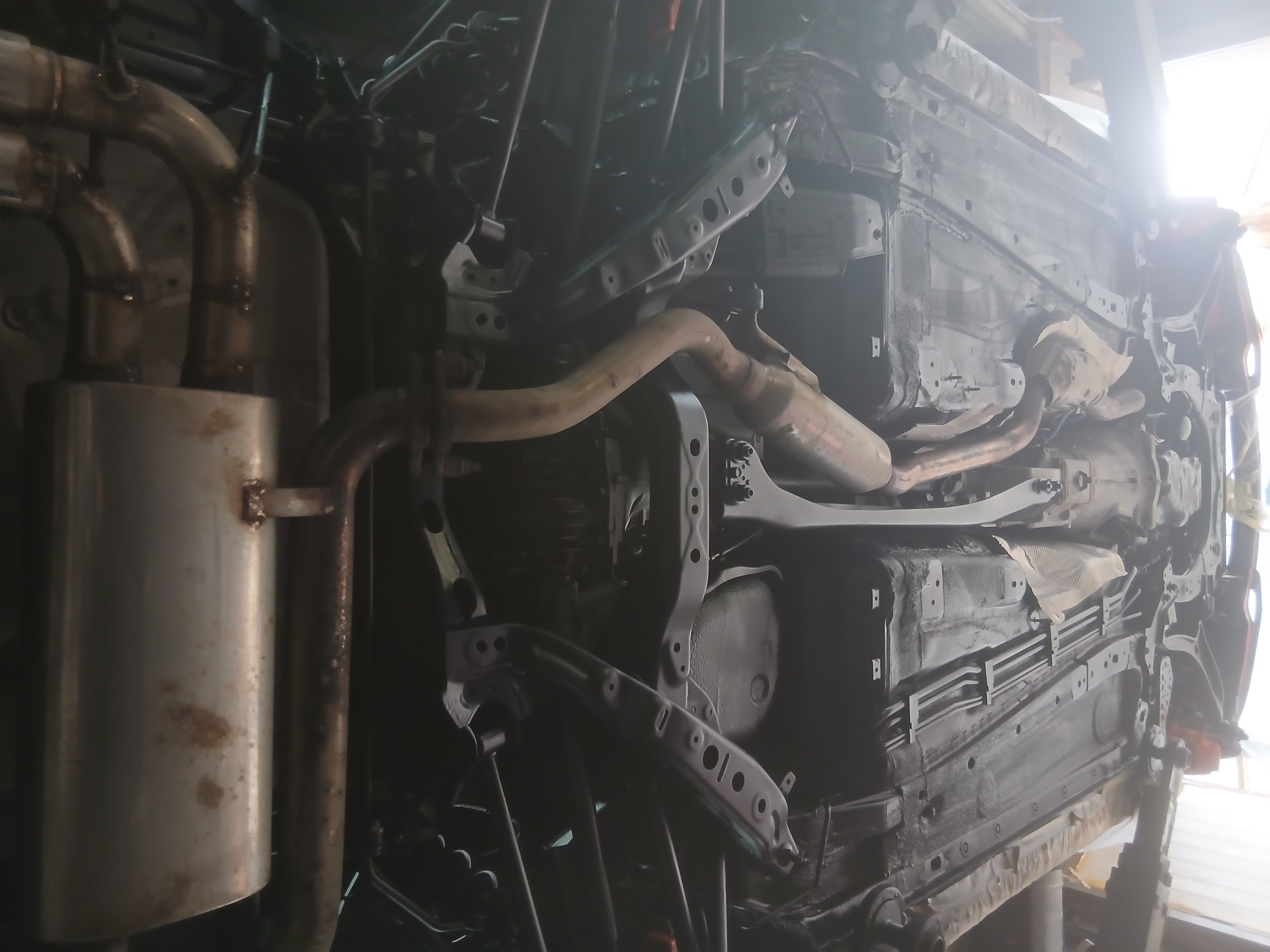
Rustec Elite Standard: Why Quality Determines Longevity
When you decide to act, the how is just as important as the when. There are "cheap" services that will pressure-wash your car and spray a black coating over the damp chassis in a single afternoon. This is a recipe for disaster.
A poor rustproofing job can be worse than doing nothing, as it traps moisture and accelerates corrosion.
At Rustec, we follow the 72-hour Elite Standard. This process is designed for owners who intend to keep their vehicles for the long term and demand an uncompromising level of protection.
The 72-Hour Process:
Deep Clean & Decontamination: We remove all road grime, salt, and loose debris. We don't just "wash" the car; we strip the underbody to a workable surface.
Extended Drying Phase: We use industrial heaters and air movers to ensure the chassis is 100% dry. Applying any product to a damp chassis is a waste of money.
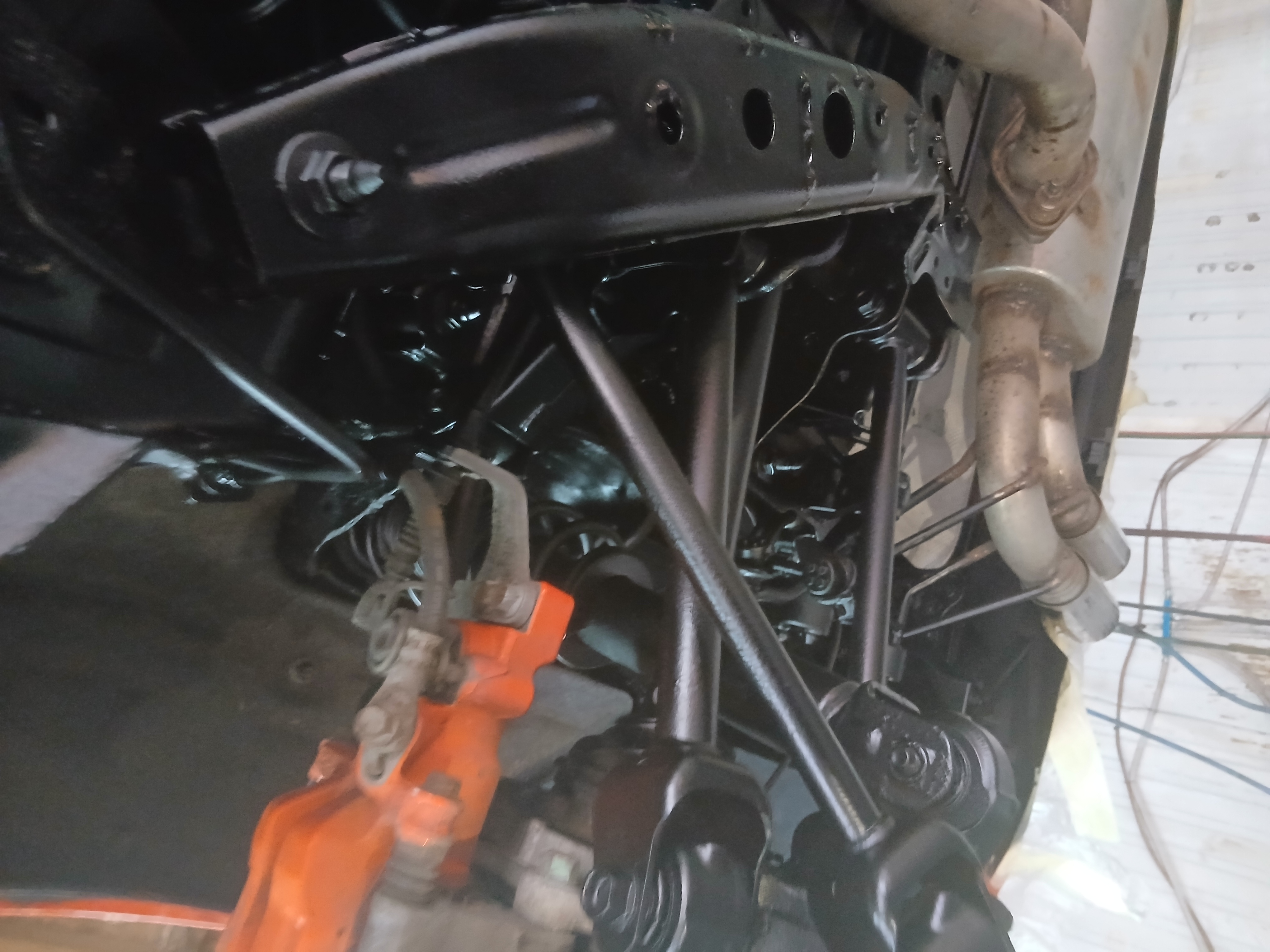
Precision Masking: We mask off brakes, exhaust systems, electrical sensors, and heat shields. A professional job should never look like an "overspray" mess.
Cavity Injection: Using high-pressure probes, we inject specialised waxes into every box section, sill, and rail. This is where the real protection happens.
Underbody Coating: We apply a durable, self-healing underseal to the external surfaces, providing a barrier against stone chips and road salt.
This meticulous approach is why we are the leaders in professional rustproofing for UK roads. If you are comparing standards, review our vehicle rust proofing service and see why process quality matters more than product labels alone.
Rustec vs. The "Quick-Spray" Alternatives
Feature | Rustec Elite Standard | Cheap "Drive-In" Service |
Duration | 72 Hours | 2–4 Hours |
Preparation | Deep clean + full dry | Quick rinse or none |
Cavity Work | Full internal injection | External spray only |
Masking | Comprehensive (Brakes/Sensors) | Minimal or none |
Longevity | 5+ Years | 6–12 Months |
Risk | Zero moisture entrapment | High risk of trapping rust |
UK Context: Why Our Climate is Unique
The UK presents a "perfect storm" for vehicle corrosion. Our winters are rarely cold enough to keep the roads dry; instead, we have months of constant moisture mixed with aggressive rock salt (sodium chloride). This creates an electrolyte solution that is highly conductive and incredibly efficient at accelerating the electrochemical reaction we call rust.
Even modern vehicles with "galvanised" bodies are at risk. Galvanisation is a sacrificial coating that eventually wears out, especially on the sharp edges of chassis rails and suspension components. If you want to know more about factory limitations, check our post on why even new cars need rustproofing. For buyers comparing timing, it is also worth reading is rustproofing worth it on a 3-year-old car.
FAQ: High-Intent Buyer Questions
Is it worth rustproofing an older car? Yes, provided the steel is still structurally sound. While the prep work is more intensive, stopping further decay is far cheaper than letting it progress to the point of structural failure. We perform a full inspection before every job to ensure the vehicle is a viable candidate for treatment.
Will this affect my manufacturer warranty? In most cases, no. Our process is non-invasive and does not involve drilling into the chassis. However, the hidden cost of ignoring vehicle rust far outweighs any theoretical warranty concerns, as rust is rarely covered under standard mechanical warranties unless it is a "perforation" from the factory.
Can I do this myself with a DIY kit? You can, but without a vehicle lift, industrial heaters, and high-pressure injection equipment, you will struggle to reach the critical internal cavities. Most DIY jobs only cover the visible areas, leaving the "Iceberg" of internal rust to continue unchecked.
Take Action Before the Damage is Done
Rust is a biological certainty for any unprotected steel in the UK. Every day you delay is a day that moisture and salt are working against your vehicle's structural integrity.
By the time you see the problem, the bill has already doubled. Doing nothing leads to financial loss.
If you want to protect your vehicle properly — not just cover it up — the best time to act is before corrosion progresses. You can book a free inspection or request a quote here.
In UK conditions, corrosion is not a question of if — but when. Delaying protection leads to structural failure and £4,000+ repair bills. Book your inspection now.
Comments