
Is rustproofing worth it on a 3-year-old car?
Direct Answer: The 3-Year "Golden Window"
Yes, rustproofing a 3-year-old car is worth it. In fact, 2–5 years is the ideal treatment window in the UK, because the vehicle has already seen repeated exposure to road salt, standing moisture and abrasive road debris, but corrosion is usually still at the stage where proper prevention works best.
At three years old, a car can still look clean on the outside while corrosion starts underneath and inside cavities. That is exactly why early treatment matters. The biggest mistake is waiting until rust becomes visible.
Doing nothing leads to financial loss.
The Iceberg Model: Why Your 3-Year-Old Car is Deceiving You
To understand why rustproofing is mandatory at three years, you must understand the Iceberg Model of Corrosion.
Imagine an iceberg: you only see the tip above the water. On a three-year-old car, the "tip" is your shiny paintwork and clean doors. However, 90% of the danger is submerged, hidden inside chassis rails, behind plastic wheel arch liners, and atop fuel tanks.
Modern manufacturing uses "spot welding" and overlapping steel plates. These create microscopic "capillary gaps." Over three years, road brine (liquid salt) seeps into these gaps. It doesn't dry out; it sits there, vibrating against the metal as you drive, eating the steel from the inside out. By the time you see a bubble on the surface, the structural integrity of the component is already compromised.
In UK conditions, corrosion is not a question of if — but when.
UK Context: The 3-Winter Cumulative Effect
The UK has one of the most aggressive environments for vehicles in the world. We don’t just have "rain"; we have high humidity combined with intensive road salting.
By the time a car hits its third birthday, it has typically completed its first major cycle of environmental degradation:
Factory Coating Depletion: Most factory-applied "waxes" are thin and designed to last just long enough to get the car through its warranty period. At 3 years, these coatings are often brittle, cracked, or completely sandblasted away by road grit.
Brine Saturation: The UK uses liquid brine, which is far more invasive than traditional rock salt. It atomises into a mist that penetrates every internal cavity of your chassis.
The MOT Transition: At three years, your car faces its first MOT. While it might pass now, the seeds of future "Advisories" for underbody corrosion are being sown today.
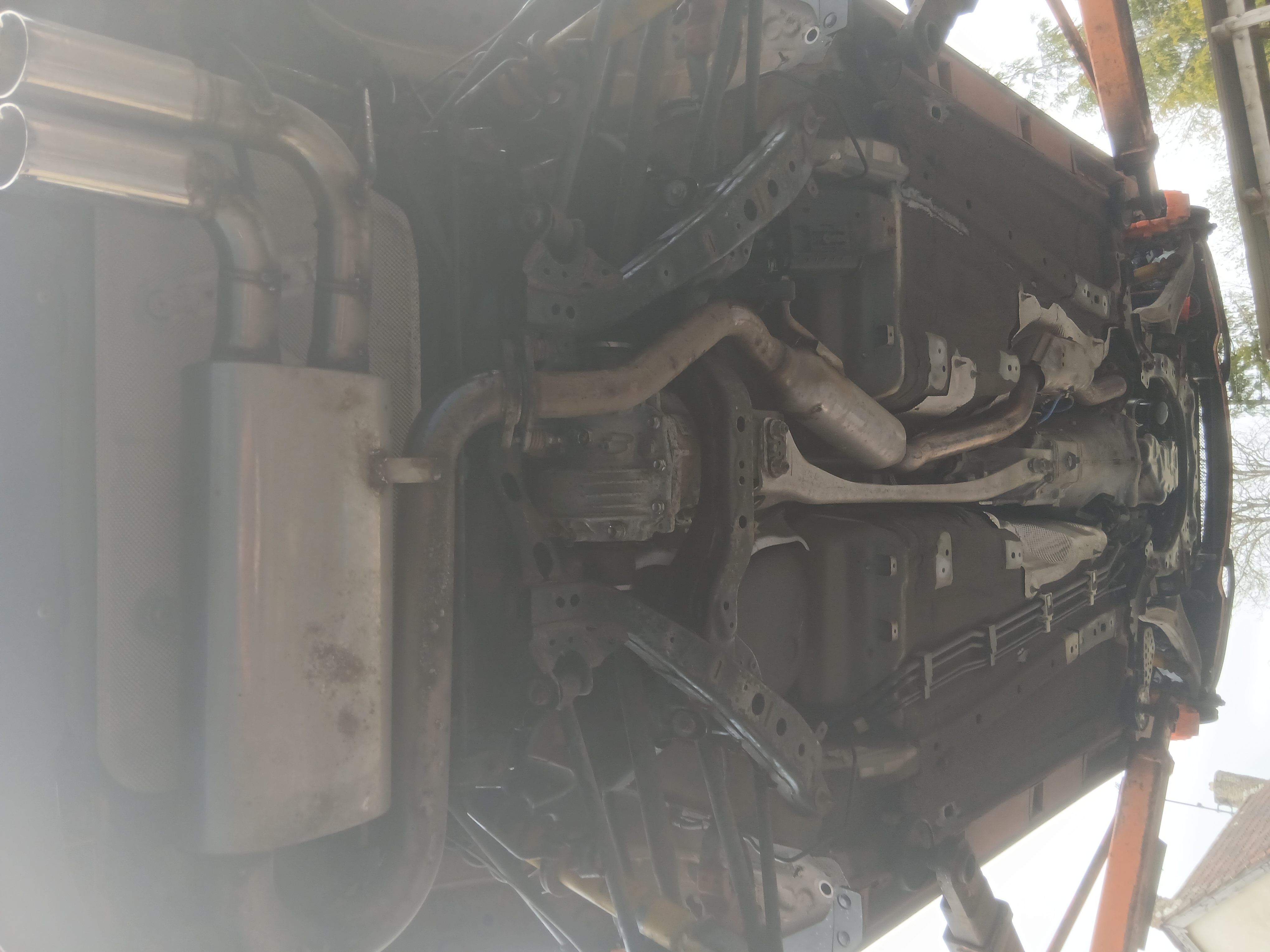
WHEN TO ACT
Act before visible rust appears. That is the decision point that separates low-cost prevention from high-cost repair. The biggest mistake is waiting until rust becomes visible.
0–12 months: Best for maximum preservation while the underside is still fresh.
2–5 years: Ideal treatment window. This is the strongest value point for most UK-owned vehicles.
5–8 years: Still treatable, but preparation becomes harder, slower and more expensive.
8+ years: Corrosion is often established enough that repair work may be needed before protection.
The biggest mistake is waiting until rust becomes visible. If you can see it from standing height, corrosion underneath is already more advanced than most owners realise.
Financial Consequence: Prevention vs. Neglect
Let’s look at the numbers. Many owners hesitate over the [cost of rustproofing in the UK], then ignore the far larger bills that come later.
Expense Type | Prevention (Now) | Neglect (Year 6+) |
Rustproofing Treatment | £500 – £1,200 | £0 (Initially) |
Welding & Structural Repairs | £0 | £1,000 – £4,000+ |
MOT Failure Repairs | £0 | £500 – £2,000 |
Resale Value Loss | £0 | £2,000 – £5,000 |
TOTAL OUTLAY | £500 – £1,200 | £3,500 – £11,000+ |
Doing nothing leads to financial loss.
By investing in a professional [best rustproofing method for UK vehicles] today, you reduce the risk of later welding, corrosion repair and resale-value damage. A documented Rustec treatment also supports the case for [does rustproofing increase resale value] when buyers inspect the underside properly.
Buyer Psychology: The "I Wish I Did It Sooner" Pattern
At Rustec, we see two types of customers.
The Proactive Owner who treats a 3-year-old car while protection is still straightforward and cost-efficient.
The Regretful Owner who waits for an MOT advisory, bubbling seams or visible corrosion before acting.
Don’t fall into the trap of assuming modern cars are protected enough from factory. They are not. Early action is the lowest cost; delaying increases cost exponentially.

Elite Positioning: Why Cheap Undersealing is a Scam
If you are looking for a "quick blow-over" for £200, go elsewhere. A poor rustproofing job can be worse than doing nothing, as it traps moisture and accelerates corrosion.
Most "cheap" services skip the vital steps. They spray thick, black bitumen over road dirt and damp metal. This creates a pocket where salt and water are sealed against the steel. You won't see the rust happening, but the chassis will be turning to powder underneath the coating.
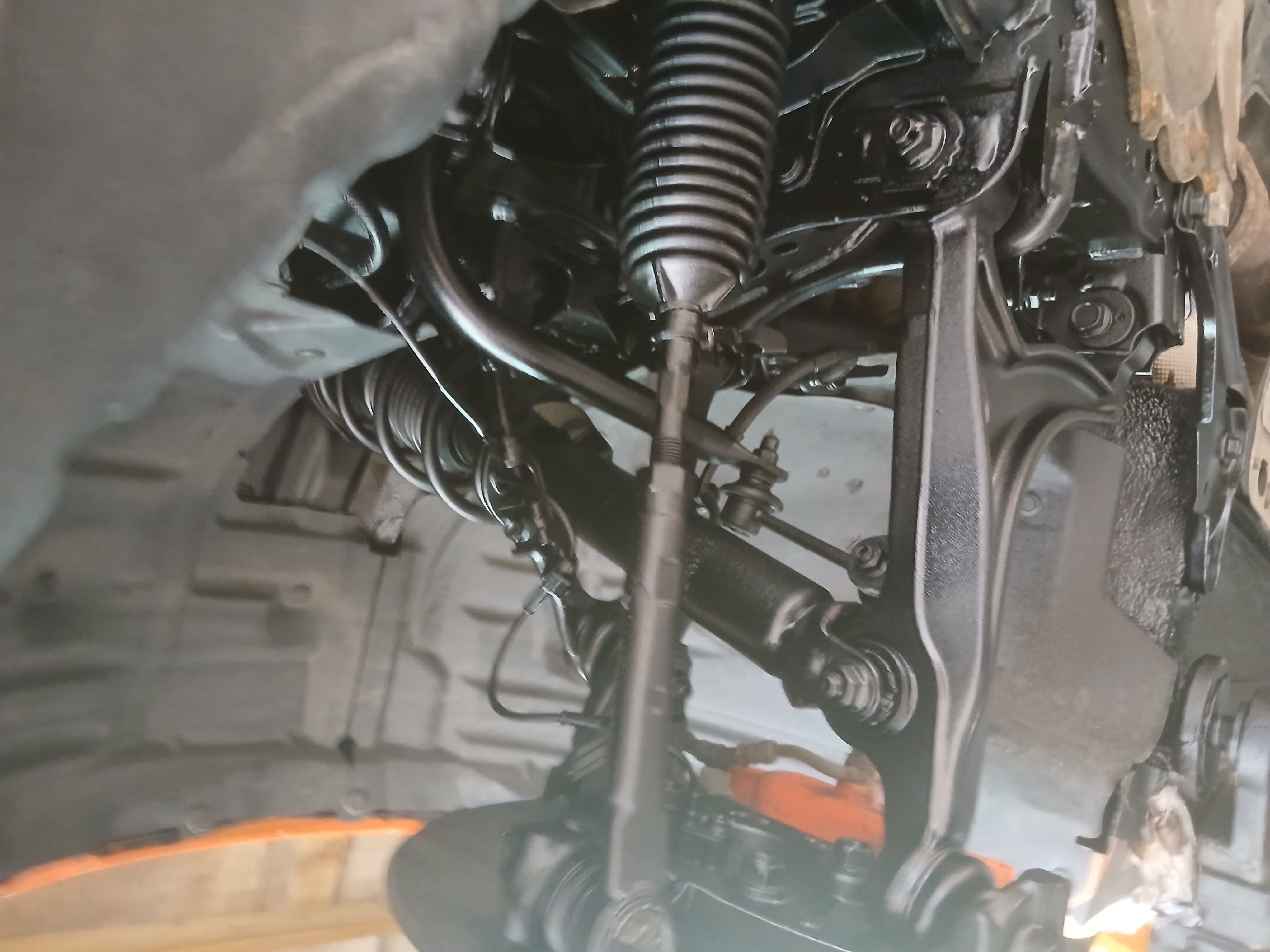
The Rustec Elite Standard (72-Hour Process)
We do not "spray and go." Our process is clinical:
Deep Cleaning: Multi-stage high-pressure underbody wash to remove three years of accumulated salt and grit.
Controlled Drying: 24 hours of industrial-grade de-humidified drying. You cannot apply protection to damp steel.
Meticulous Masking: We mask exhaust systems, brake discs, sensors, and moving parts. Cheap shops spray everything, leading to sensor failures and burning smells.
Internal Cavity Injection: Using specialised wands, we inject Dinitrol ML or 3641 into the sills, chassis rails, and pillars. This is where the "Iceberg" rust starts.
External Barrier Coating: A robust, self-healing underbody wax is applied to all exposed metal.
Rustec vs. The "Quick Shop" Comparison
Feature | Rustec Elite Standard | Cheap "Underseal" |
Duration | 72 Hours | 3–4 Hours |
Preparation | Deep clean & industrial dry | Quick jet wash (or none) |
Masking | Full protection of sensitive parts | Minimal or none |
Cavity Wax | Full internal injection | External only |
Longevity | 5+ Years (with maintenance) | 12–18 Months |
Risk | Zero (Process driven) | High (Traps moisture) |
Expanded FAQ
1. My car has a "Manufacturer Anti-Perforation Warranty," why do I need this?
Manufacturer warranties usually only cover "rust from the inside out" and have incredibly strict terms. Most will not pay out if the rust is caused by "external environmental factors" (like road salt). By the time you can claim, the car is usually so far gone that it’s a total loss. Rustproofing is your actual protection; the warranty is just a marketing gimmick.
2. Can you rustproof a car if it already has surface rust?
Yes, especially at the 3-year mark. We use penetrating cavity waxes (like Dinitrol ML) that are designed to soak into existing surface oxidation, displace moisture, and stop the chemical reaction. However, if you wait until the rust is "flaking," the cost of preparation increases significantly.
3. [How long rustproofing lasts in the UK]?
A professional Rustec Elite treatment typically lasts 5 years before a significant top-up is required. However, we recommend an annual inspection to check for mechanical damage (grounding out) or areas where road debris has abraded the coating.
4. Will rustproofing void my 3-year-old car's warranty?
No. Underbody protection is considered a maintenance item. In fact, by preserving the structural integrity of the vehicle, you are maintaining its value and safety standards. We use non-invasive application methods that do not require drilling or permanent modification of the chassis.
Final Takeaway: Act Now or Pay Later
A 3-year-old car sits in the ideal treatment window. That makes this the point where prevention still beats repair on cost, process and long-term results.
If you plan to keep the vehicle, protect it before corrosion becomes visible. In UK conditions, corrosion is not a question of if — but when. Delaying protection leads to structural failure and £4,000+ repair bills. Book your inspection now.
If you want to protect your vehicle properly — not just cover it up — the best time to act is before corrosion progresses. You can book a free inspection or request a quote here.
Comments