
How does road salt damage vehicles?
Every winter, councils across the UK spread approximately two million tonnes of road salt to keep our roads safe from ice. While this is essential for road safety, it creates a significant threat to your vehicle's structural integrity. Understanding exactly how road salt damages vehicles: and what you can do about it: is crucial for any vehicle owner who wants to maintain their car, van, or 4x4 in optimal condition for years to come.
The Chemistry Behind Salt-Induced Corrosion
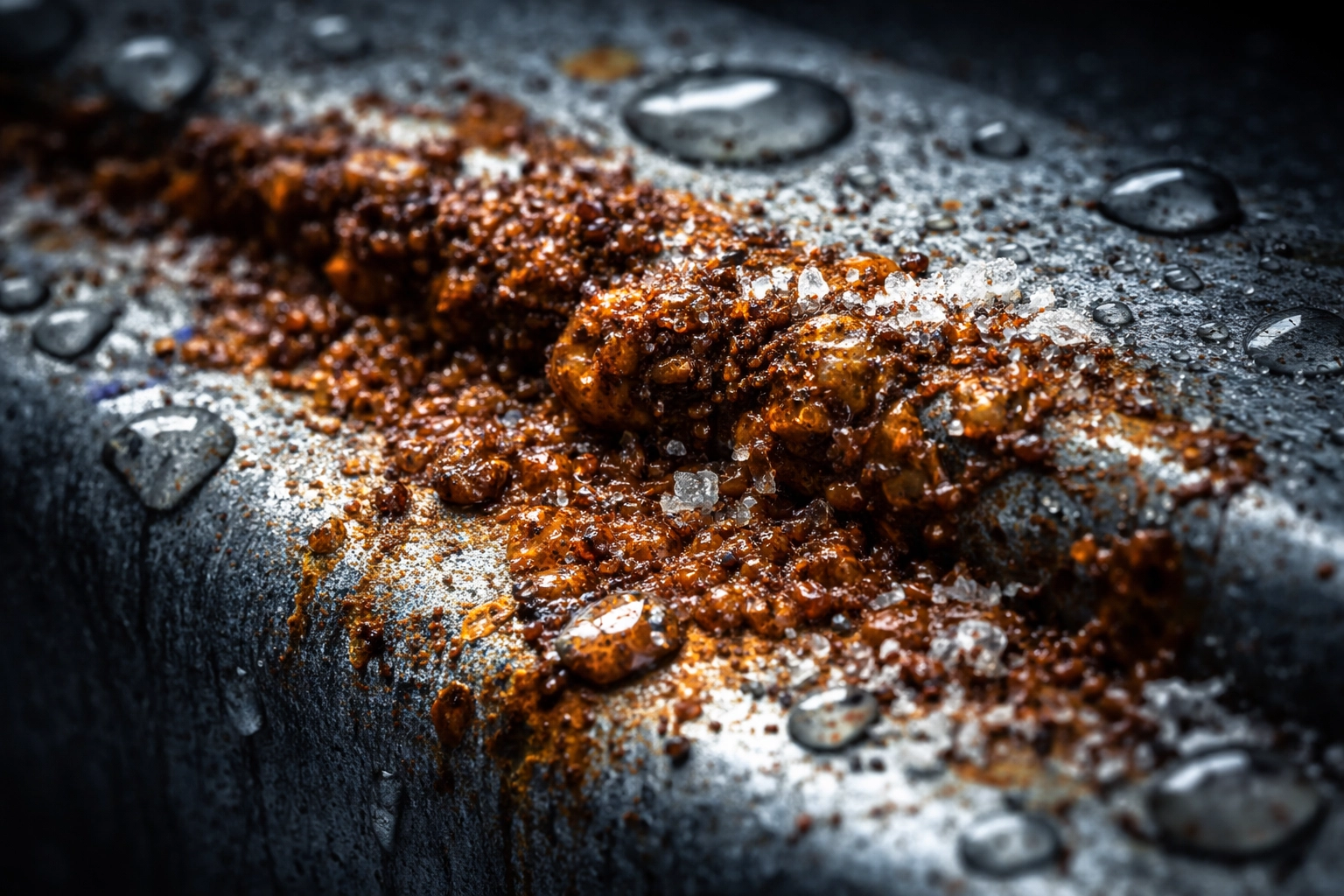
Road salt doesn't simply sit on your vehicle's surface and cause superficial damage. The reality is far more concerning: salt triggers a complex electrochemical reaction that actively accelerates the corrosion process.
When salt (sodium chloride) dissolves in water: whether from melting snow, rain, or moisture in the air: it creates an electrolytic solution. This solution is far more conductive than pure water, which means it dramatically speeds up the transfer of electrons between different areas of your vehicle's metal surfaces.
Here's what happens at a molecular level:
Salt dissolves in moisture on your vehicle's surface, creating a conductive solution
Iron atoms in the steel begin to lose electrons (oxidation)
These electrons travel through the electrolyte to another area of metal
Oxygen from the air combines with the iron and water
Iron oxide (rust) forms and the metal begins to deteriorate
This process: known as galvanic corrosion: occurs naturally over time, but salt accelerates it by a factor of ten or more. What might take years to develop in normal conditions can begin forming within weeks when salt is present and moisture lingers on the metal.
Why UK Roads Are Particularly Damaging
The United Kingdom presents a perfect storm of conditions for salt-related vehicle corrosion:
Heavy salt usage: UK councils are among the most liberal users of road salt in Europe
High humidity: Our damp climate ensures moisture is almost always present
Temperature fluctuations: Frequent freeze-thaw cycles keep salt active for longer
Coastal proximity: Many areas face additional salt exposure from sea air
During winter months, your vehicle is essentially driving through a corrosive chemical bath every time you venture onto treated roads. The salt-laden slush thrown up by your tyres coats every accessible surface of your vehicle's underside.
Where Road Salt Causes the Most Damage
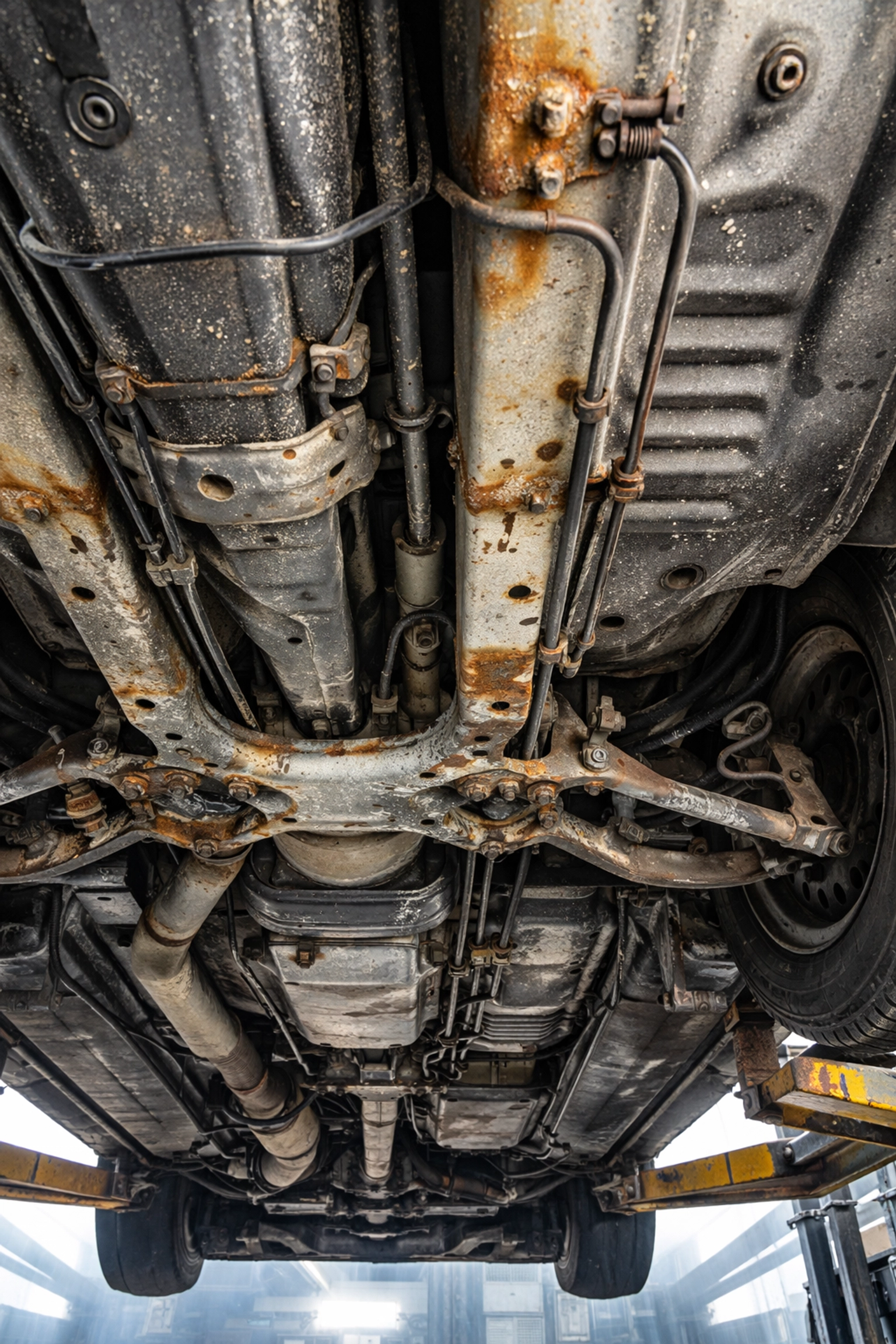
One of the most insidious aspects of salt damage is that it occurs in places you rarely see. Road salt doesn't simply wash off: it becomes trapped in the countless crevices, seams, joints, and hollow sections of your vehicle's underbody.
Critical areas where salt accumulates:
Chassis rails and box sections These hollow structural components have small drainage holes that allow salt-laden water to enter but provide inadequate drainage. Moisture sits inside these cavities, creating the perfect environment for accelerated corrosion from the inside out.
Wheel arches and inner wings Constantly bombarded with road spray, these areas trap debris and salt mixture behind plastic liners and in folded metal seams.
Suspension mounting points Critical safety components where the suspension connects to the body are exposed to direct salt spray and often have overlapping metal layers where salt becomes trapped.
Brake lines and fuel lines Running along the underside of your vehicle, these essential components are directly exposed to salt-laden road spray throughout winter.
Door sills and rear subframes Box-section construction means these areas hold moisture and salt long after the roads have dried.

The Hidden Danger: Salt Brine
Modern councils increasingly use salt brine: a pre-mixed solution of water and salt: rather than dry grit. While more efficient for road treatment, salt brine poses an even greater threat to your vehicle.
Unlike granular salt, which may bounce off or fall away, salt brine seeps into every possible gap, crack, and paint chip. It penetrates further into hidden areas and reaches components that pure salt cannot easily access. Once inside these protected spaces, the brine continues its corrosive work unseen until significant damage has occurred.
This is why vehicles can appear perfectly sound on the surface while suffering severe structural deterioration beneath.
Components Most Vulnerable to Salt Damage
Understanding which parts of your vehicle are most at risk helps you appreciate the importance of comprehensive protection.
Structural Components
Component | Risk Level | Consequence of Damage |
Chassis/Subframe | Critical | Structural failure, MOT failure |
Suspension mounts | Critical | Safety hazard, costly repairs |
Sills and floor pans | High | Structural weakness, water ingress |
Wheel arches | High | Body deterioration, cosmetic damage |
Mechanical Systems
Brake system: Brake lines, calipers, and mounting hardware are constantly exposed to salt spray. Corroded brake components pose a serious safety risk and can result in MOT failure.
Exhaust system: Already subjected to heat cycling, exhaust components corrode rapidly when salt is added to the equation.
Fuel lines: Located along the undercarriage, these critical components can suffer corrosion that leads to dangerous fuel leaks.
Electrical Systems
Modern vehicles contain numerous sensors, wiring looms, and electronic modules positioned beneath the vehicle. Long-term salt exposure can cause electrical failures, warning lights, and expensive diagnostic issues.
Warning Signs of Salt-Related Corrosion
Early detection is key to preventing minor surface rust from becoming a structural nightmare. Watch for these indicators:
Bubbling or flaking paint on lower body panels and wheel arches
Pale, chalky patches around door sills and rear arches
Brown staining beneath the vehicle after rain
Unusual squeaks or creaks from suspension components
Visible rust formation on brake components
Soft or spongy areas when pressing on floor pans or sills
If you notice any of these signs, it's essential to have your vehicle inspected by a professional before the damage progresses further.
Protecting Your Vehicle from Road Salt Damage
While you cannot avoid road salt entirely during UK winters, you can take proactive steps to minimise its impact.
Regular Washing
Washing your vehicle frequently during winter: paying particular attention to the underside: helps remove salt before it can cause lasting damage. However, this alone is not sufficient protection.
Professional Rustproofing
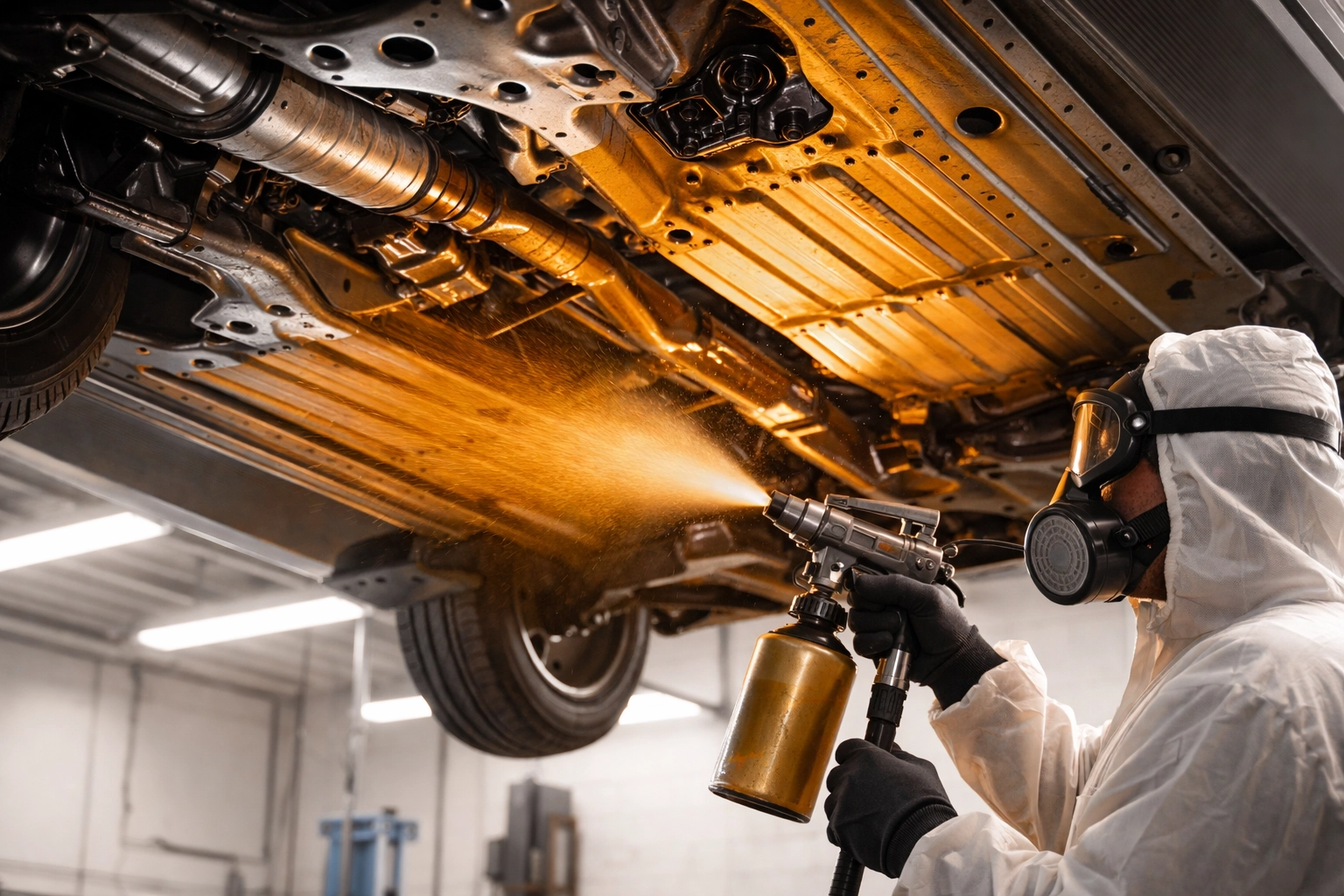
The most effective defence against road salt is comprehensive professional rustproofing that creates a barrier between your vehicle's metal and the corrosive elements it encounters.
A thorough rustproofing treatment includes:
Complete underbody protection using high-quality products like Dinitrol
Cavity wax injection into all box sections and hollow areas where salt accumulates
Treatment of vulnerable seams and joints where moisture becomes trapped
Protection of brake lines, fuel lines, and other exposed components
At Rustec, our comprehensive rustproofing service begins with a thorough undercarriage steam clean to remove existing salt and contaminants, followed by meticulous application of premium Dinitrol products to all vulnerable areas.
Why Professional Treatment Makes the Difference
DIY underseal products may provide surface-level protection, but they cannot adequately address the hidden areas where salt causes the most damage. Professional rustproofing involves:
Comprehensive inspection to identify existing corrosion
Specialist equipment to access and treat internal cavities
Premium products designed for long-term protection
Expert application ensuring complete coverage
Our Rustec Guarantee provides peace of mind that your vehicle is protected against the corrosive assault of UK winter roads. Whether you're in Bath, London, or Gloucestershire, professional rustproofing is the most effective way to safeguard your investment.
Take Action Before Winter Takes Its Toll
Road salt damage is not a question of if but when. Every winter journey exposes your vehicle to corrosive conditions that work silently to undermine its structural integrity. The chemical reaction between salt, moisture, and metal is relentless: but it can be stopped with proper protection.
Don't wait until rust becomes visible. By the time you see corrosion on the surface, significant damage may already exist beneath. Protect your vehicle now with professional rustproofing from Rustec, and ensure your pride and joy remains rust-free throughout its life.
For more information about protecting your vehicle from road salt damage, visit our blog or get in touch with our team today.
Comments