
How Can I Tell if My Car Has Rust Underneath?
For many vehicle owners in the UK, rust is an invisible enemy. While your car’s bodywork might gleam under the Saturday morning sun, a silent chemical reaction could be compromising the structural integrity of your vehicle from beneath. Because the undercarriage is rarely seen, corrosion often goes unnoticed until it becomes a significant, and expensive, problem.
At Rustec, we specialise in identifying and halting this decay. Understanding how to spot the early warning signs of underbody rust is the first step in preserving your "pride and joy." Whether you are preparing for an MOT or simply want to ensure your vehicle lasts a lifetime, this guide will walk you through exactly what to look for and how professional car rust proofing provides the ultimate peace of mind.
Why Does My Car Rust Underneath?
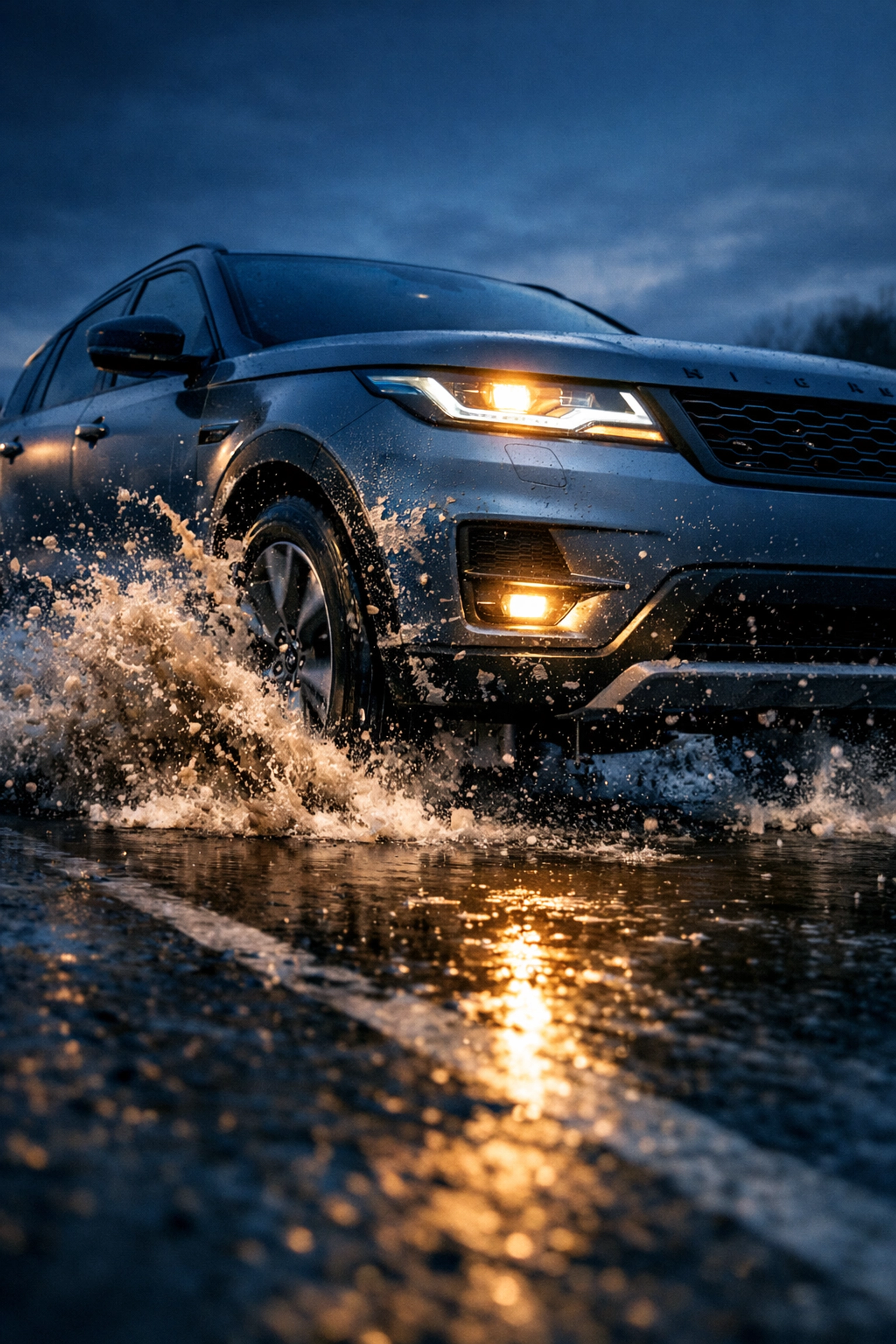
The UK climate is notoriously harsh on automotive metals. A combination of high humidity, frequent rain, and the heavy use of road salt during winter creates the perfect "electrolyte" for oxidation. While modern manufacturers apply basic factory protection, it is rarely sufficient for the long-term demands of British roads.
Rust often starts in the crevices where moisture, mud, and salt become trapped. These "moisture traps" sit against the metal, slowly eating through the factory coating. This is why a vehicle can look immaculate on the outside while the chassis is experiencing significant degradation.
Visual Indicators: What Does Underbody Rust Look Like?
When you look under your car, you aren't always looking for a hole in the metal. Rust presents itself in several stages. Recognising these early can save you thousands in welding repairs.
1. Bubbling Paint and "Fried Eggs"
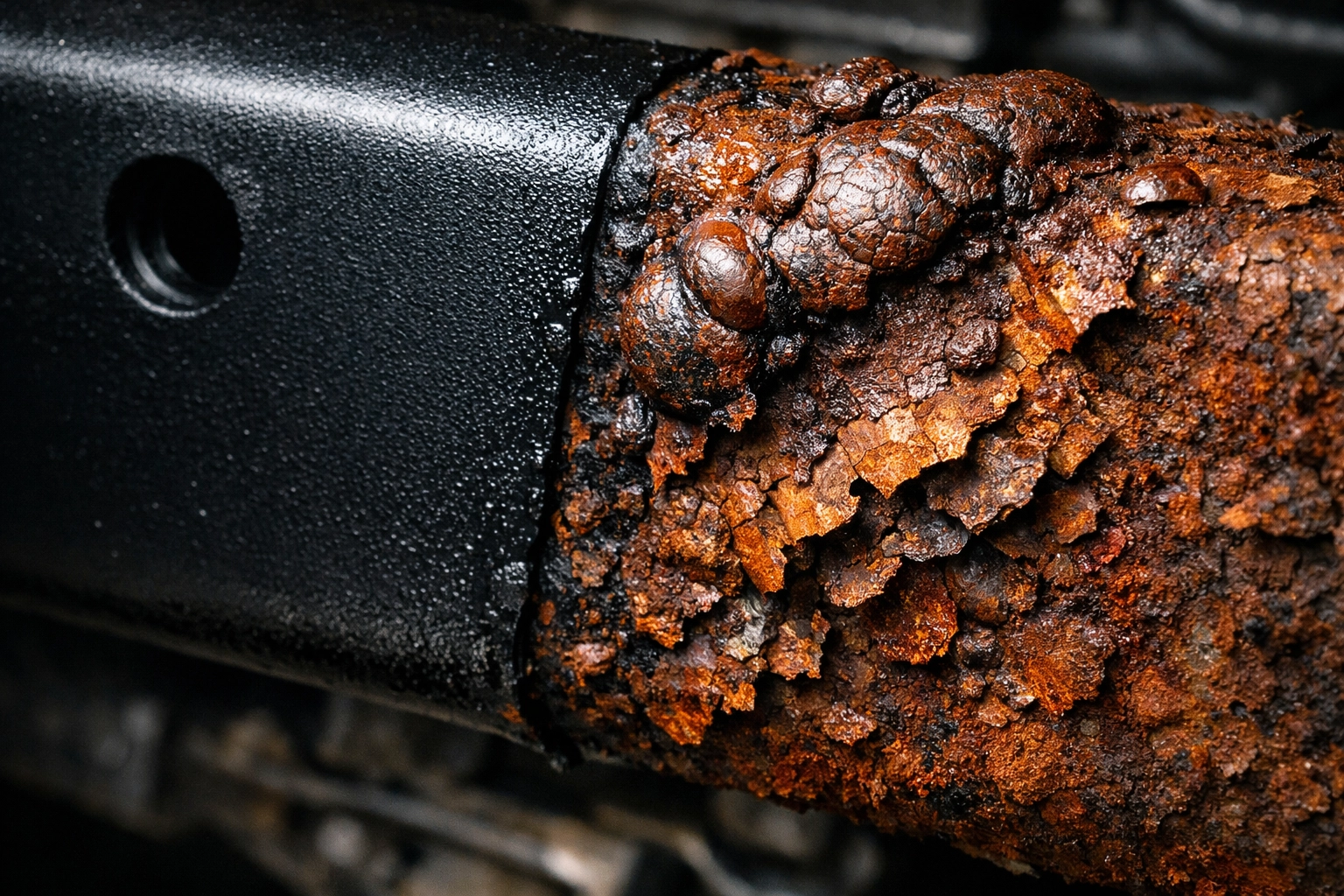
One of the most common early signs is paint bubbling. This happens when rust forms underneath the protective coating, pushing the paint upwards. In the trade, we often refer to circular rust spots as "fried eggs", a central raised area with a discolored "halo." If you see this on your chassis or floor pans, the corrosion has already taken hold.
2. Discoloration and Flaking
Surface rust usually appears as a thin layer of orange or reddish-brown dust. While it may look unsightly, it is often treatable. However, if that orange dust has turned into dark brown, thick flakes (lamellar rust), the metal is beginning to delaminate. This is a sign that the structural integrity is being compromised.
3. Rough Textures and Scale
Run your hand (carefully and with gloves) along the frame rails or subframes. If the surface feels like sandpaper or "scaly" rather than smooth metal, you are feeling the expansion of iron oxide. This scaling is a precursor to structural failure.
Key Areas to Inspect for Rust
If you are performing a home inspection before booking a car underbody protection service near me, focus your attention on these high-risk zones:
Wheel Wells and Fender Edges: These areas are constantly bombarded by road debris, which chips away at the paint and exposes raw metal.
The Chassis/Frame Rails: This is the backbone of your car. Look for any signs of pitting or heavy scaling.
Suspension Components: Control arms, coil springs, and subframes are thick pieces of metal, but they are highly susceptible to salt damage.
Brake and Fuel Lines: These are often made of steel and run along the underbody. Rust here is a major safety hazard and a guaranteed MOT failure.
Exhaust Mounting Points: The heat cycles of an exhaust can accelerate the rusting of the brackets and the floor sections they attach to.
Why Does My Van Look Fine But Is Rusting Underneath?
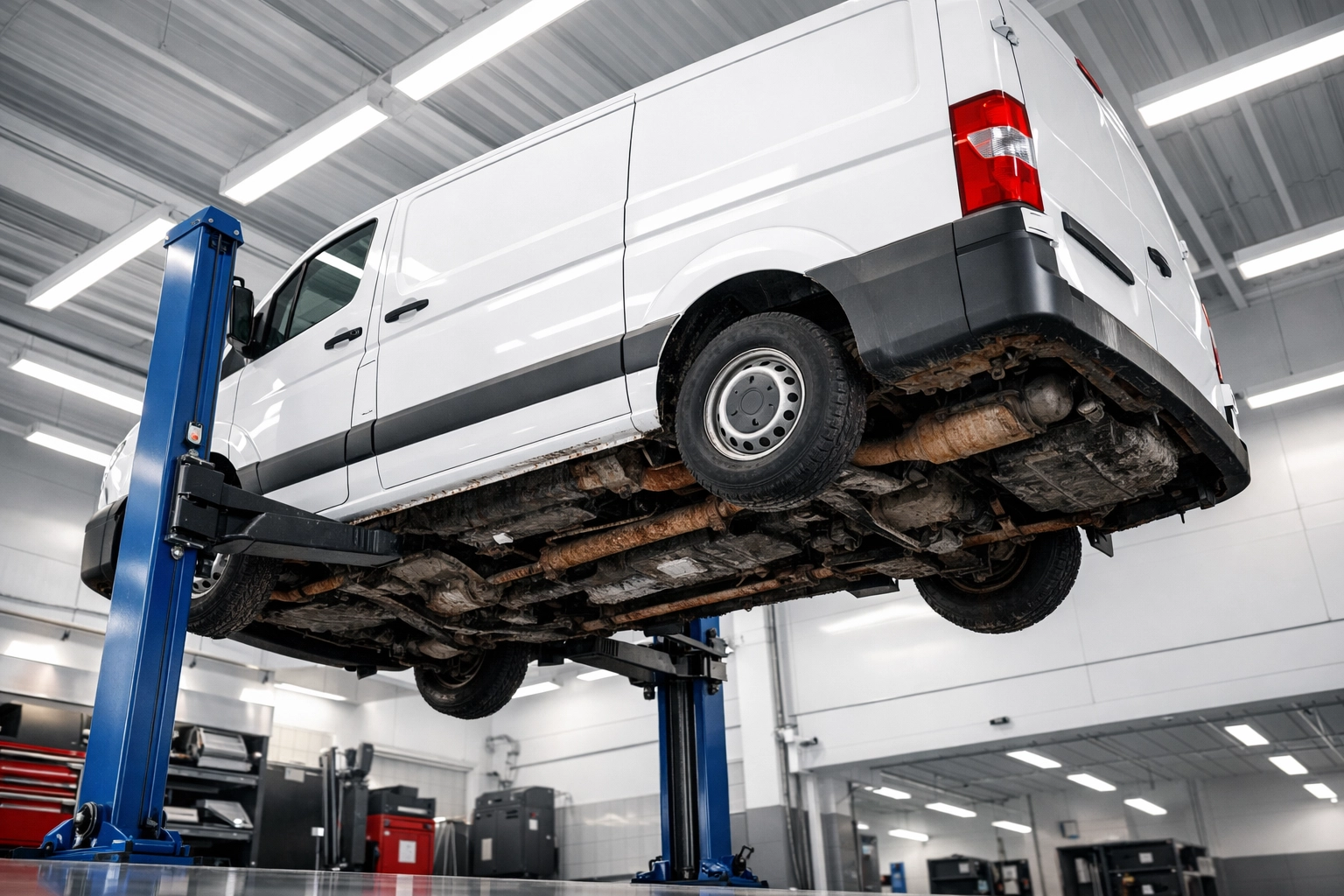
This is a question we hear frequently at our Leeds and Leicester facilities. Vans, particularly popular models like the Ford Transit or VW Transporter, are often built with large, boxy sections and hollow cavities.
Manufacturers focus their aesthetic efforts on the large side panels and front fascia. However, the undersides of these vehicles often feature simpler, thinner coatings. Furthermore, the internal cavities of the chassis can rust from the inside out due to condensation. By the time you see rust on the exterior sill of a van, the internal structure is often already heavily corroded. This is why professional rust proofing car services emphasize "Cavity Waxing" to protect those hidden internal areas.
Preparing for the MOT: How to Check for Rust
A rusted chassis is one of the leading causes of MOT failure in the UK. The DVSA (Driver and Vehicle Standards Agency) guidelines state that rust is a failure if it is within 30cm of a "prescribed area" (such as a suspension mounting point, seatbelt anchorage, or steering component) and has caused the metal to become significantly weakened.
To check before your test:
The Hammer Test: Lightly tap suspected areas with a small hammer or the handle of a screwdriver. Solid metal will "ring," while rusted, thin metal will produce a dull thud or may even crumble.
The Visual Sweep: Use a high-powered torch to look for holes. If you can see light through a structural member, it will fail.
Check the "Hidden" Spots: Inspect behind the plastic wheel arch liners, as these often hide a wealth of corrosion.
If you are concerned about your vehicle's MOT prospects, our teams in Swindon or Basingstoke can provide a comprehensive inspection and advice on whether repair or protection is the best next step.
The Difference Between Surface and Structural Rust
It is vital to distinguish between these two:
Surface Rust: This is purely aesthetic. It’s a thin layer of oxidation on the top of the metal. If caught early, it can be cleaned and treated with a premium rust converter before a protective coating is applied.
Structural Rust: This is when the rust has eaten deep into the metal, causing it to thin or "perf" (create holes). Structural rust usually requires cutting out the affected metal and welding in new plates.
Should I repair rust before rustproofing? Absolutely. Applying a sealant over heavy, structural rust will only trap moisture and accelerate the rot. At Rustec, our process includes a thorough assessment to ensure the metal is sound before we apply our Life Long Dinitrol® treatments.
The Rustec Professional Process: Meticulous Protection
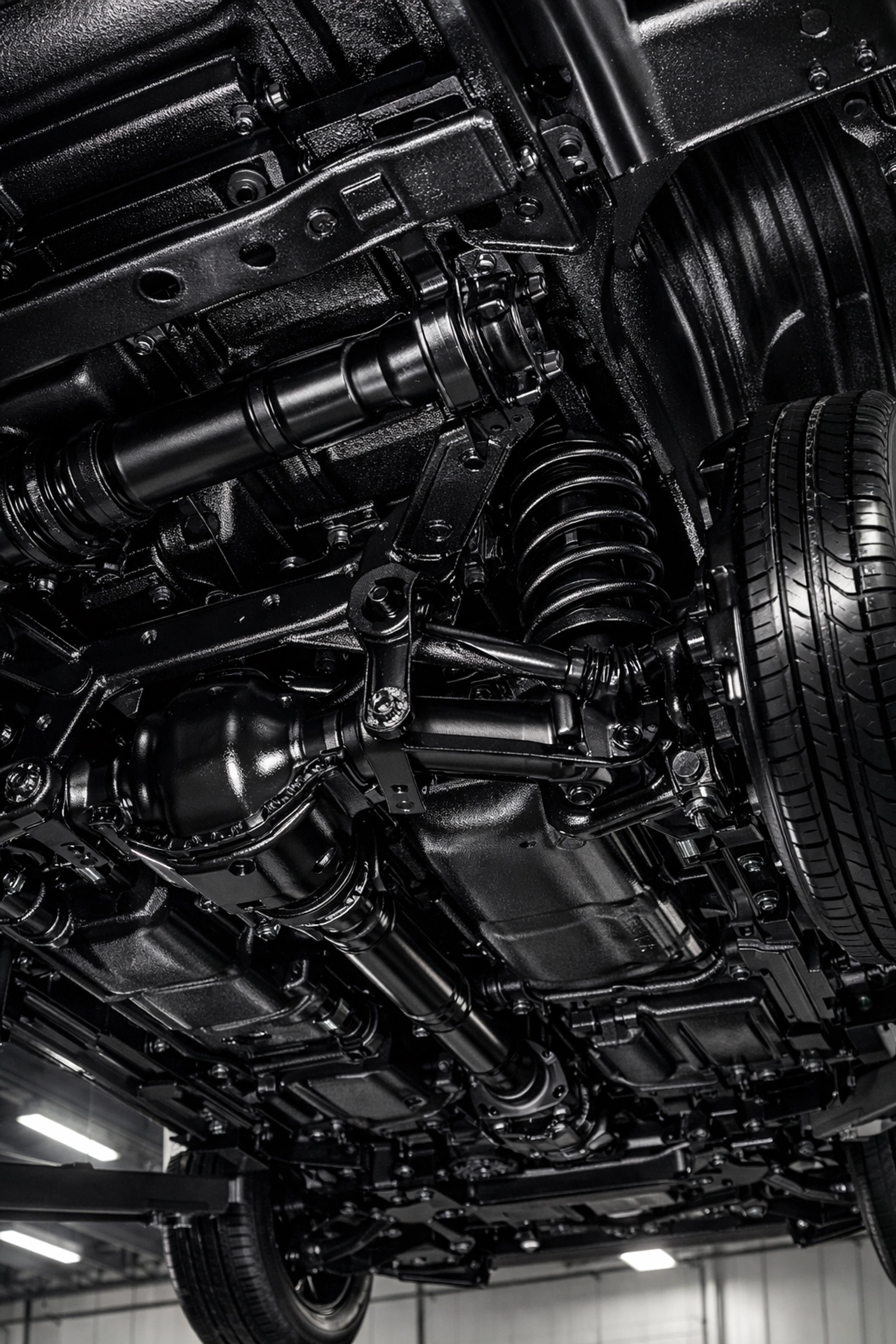
When you choose Rustec, you aren't just getting a spray-on coating; you are getting a multi-stage, professional preservation service designed to last a lifetime. Our process is transparent and documented with photos for your records.
01: Inspection & Strip Down: We remove all plastic undertrays and liners to expose the entire chassis.
02: Thorough Undercarriage Steam Clean: We use high-temperature pressure washers to remove every trace of salt, grease, and road grime.
03: Drying & Masking: The vehicle is dried using industrial air movers. We then meticulously mask up the brakes, exhaust, and bodywork to ensure the treatment only goes where it’s needed.
04: Rust Conversion: Any identified surface rust is treated with high-quality converters to stabilise the metal.
05: Cavity Wax Injection: We inject Dinitrol® cavity waxes into the chassis rails, doors, and sills to protect from the inside out.
06: Underbody Coating: A heavy-duty, flexible Dinitrol® underseal is applied to provide a robust barrier against stone chips and salt.
07: Reassembly & Quality Control: We re-fit all trims and perform a final inspection.
08: Documentation: You receive an official treatment service booklet, which helps raise the resale value of your vehicle.
Frequently Asked Questions
Can rust spread if I leave it untreated?
Yes, rust is like a biological infection for metal. Once the oxidation process starts, it will continue to spread as long as oxygen and moisture are present. Leaving it untreated will lead to structural failure.
Can a rusty chassis be fixed?
In most cases, yes. However, the cost of welding can quickly exceed the value of the vehicle if the rust is widespread. Prevention through car rust proofing is significantly more cost-effective than repair.
Do electric cars rust?
Yes, they do. While they lack a traditional exhaust system, the chassis and subframes of an EV are still made of steel and are just as susceptible to the UK's salted roads. You can read more about this in our article: Do Electric Cars Rust?.
Is your service available near me?
Rustec operates across several locations to serve you better, including:
Secure Your Vehicle’s Future Today
Don’t wait for the MOT tester to give you the bad news. Taking proactive steps today can ensure your vehicle remains rust-free throughout its life. At Rustec, we pride ourselves on providing the highest-quality products and a 100% satisfaction guarantee.
Whether you drive a brand-new 4x4, a hard-working commercial van, or a cherished classic, our specialist team is here to help. We even offer a free courtesy car (subject to availability) so your day doesn't have to stop while we protect your investment.
If you still have a question or would like more information, don't hesitate to get in touch.
Enquire by filling out the quick quote box below, or click the button to speak with our expert team.
[Submit a Quote Request]
Comments