
Why You Shouldn't Delay Rustproofing: The Hidden Cost of Procrastination
Meta Title: Why You Shouldn't Delay Rustproofing | The Cost of Procrastination Meta Description: Delaying vehicle rustproofing in the UK leads to £3,000+ welding bills and massive resale value loss. Learn why acting within 2-5 years is critical for your chassis. URL Slug: why-you-shouldnt-delay-rustproofing
Direct Answer: Is Delaying Rustproofing a Mistake?
Yes. Delaying rustproofing is a financial mistake. Every month you wait allows road salt, moisture, and debris to sit inside cavities and seams, where corrosion starts long before you can see it. In UK conditions, corrosion is not a question of if — but when.
Delaying treatment by one or two winters can turn a straightforward preventative job into a repair problem. Professional rustproofing may cost £500–£900 depending on vehicle size, but MOT-related welding repairs often land at £1,000–£3,000, with resale losses of £2,000–£5,000 once visible corrosion appears. Doing nothing leads to financial loss.The biggest mistake is waiting until rust becomes visible.
The Financial Consequence of Procrastination
Most vehicle owners treat rustproofing as something to sort out later. That is exactly how costs escalate in the UK.
Between high humidity and heavy winter road salt, the underbody is under constant attack. Doing nothing leads to financial loss.
The Repair vs. Prevention Gap
When you delay, you are not saving money. You are postponing a much larger bill.
Preventative Stage: A vehicle aged 0–3 years needs cleaning, drying, and proper protective treatment before corrosion establishes itself.
Restoration Stage: Once rust takes hold, the process becomes more invasive. More abrasion, more correction, and far more risk of welding bills.
Welding is not just expensive; it is a compromise. A welded patch is never the same as untouched factory steel. By the time you pay £1,500 for sill and arch repairs, the structure has already deteriorated. Read what happens if you don't rustproof your vehicle to understand how delay turns into mechanical decline and financial loss.
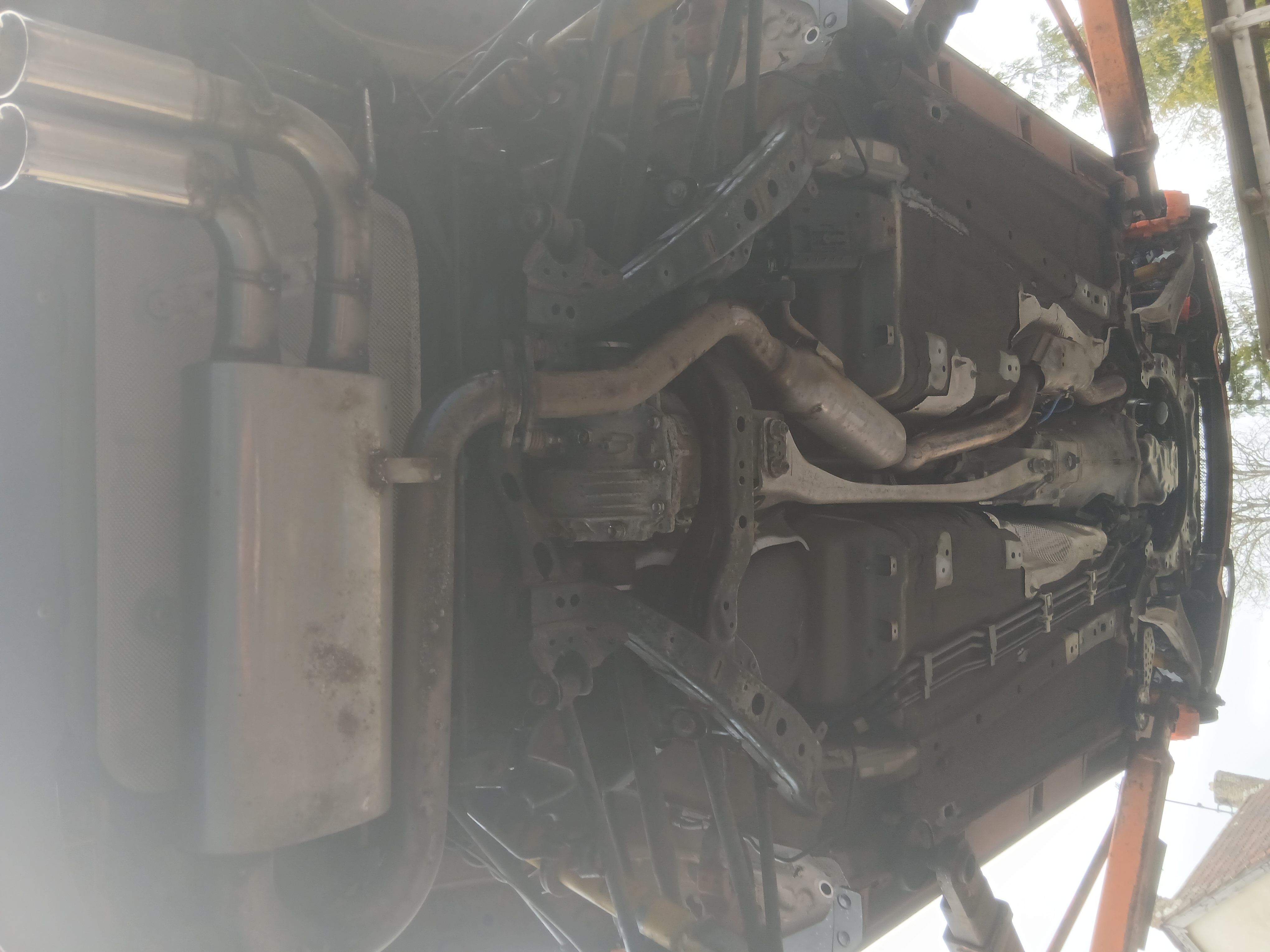
The Rust Iceberg: A Visual Mental Model
Use the Rust Iceberg model.
The rust you can see is the tip. The real problem sits underneath, inside chassis rails, seams, sills, and box sections where salt water stays trapped and corrosion spreads from the inside out.
By the time rust shows on the surface, the internal structure may already be compromised. This is why surface rust vs structural rust matters so much. The biggest mistake is waiting until rust becomes visible.
WHEN TO ACT
Timing determines the value of the treatment. The earlier you act, the lower the cost and the better the result.
0–3 Years
This is the early protection window. Many owners assume factory rust protection is enough, but factory coverage is usually limited, especially inside cavities and seams.
3–5 Years
This is the ideal treatment window. Minor oxidation may be starting, but it is still the best stage for long-term prevention. If you are asking when to book, this is the sweet spot.
5–8 Years
Risk increases sharply here. If the vehicle has never been treated, corrosion is often already active inside the structure, even if the outside still looks acceptable.
8+ Years
At this stage, treatment may still help, but the focus shifts away from pure prevention and towards slowing established corrosion. Costs and limitations rise.
The biggest mistake is waiting until rust becomes visible.

The Rustec Elite Standard vs. Quick "Underseals"
If you decide to act, do not fall into the trap of "cheap and fast" services. A common response to procrastination is a last-minute dash to a garage that offers a "quick spray" for £200. This is a recipe for disaster.
A poor rustproofing job can be worse than doing nothing, as it traps moisture and accelerates corrosion.
At Rustec, we operate the 72-hour Elite Standard. This process is designed for longevity, not speed:
Deep Decontamination: Remove road filth, salt, and loose scale. Spraying over dirt means poor adhesion and short-lived results.
Forced Drying: Dry the chassis fully before application. Moisture trapped under product accelerates corrosion.
Comprehensive Masking: Protect brakes, exhaust components, and sensitive areas properly.
Cavity Injection: Inject high-creep waxes into sills, pillars, and chassis rails where hidden corrosion starts.
Multi-Stage Coating: Apply professional-grade materials such as Dinitrol for durable underbody protection.
Contrast this with a same-day spray job. If a garage claims it can wash, dry, and coat a vehicle in a few hours, critical steps are being skipped. Read why real rustproofing takes time. Use a process-led standard, not a rushed coating.

Buyer Psychology: Minimising Regret
We frequently speak to customers whose vehicles have gone beyond straightforward prevention. The comment is always the same: "I should have done this earlier."
That is the real buyer psychology here. Delay feels cheaper in the short term, but it usually ends in MOT failure, resale loss, and expensive corrective work.
Protecting your vehicle is a rational financial decision. Spending roughly £700 now to avoid £3,000 in welding and £4,000 in lost value is the better outcome.
Frequently Asked Questions
Is rustproofing still a problem on modern vehicles?
Yes. Modern vehicles still rust, especially in UK salt and moisture. Factory protection is limited and often misses the internal areas that matter most.
Can I just do it myself next summer?
DIY kits exist, but they do not match professional cavity injection, drying, masking, and preparation. Waiting until next summer may also mean another winter of corrosion progression.
How long does a professional treatment last?
A Rustec Elite Standard treatment is built for long-term durability. Annual inspections still matter, especially if the underbody takes damage. Read more about how long rustproofing lasts in the UK.
Final Takeaway: Stop the Clock Today
Corrosion is relentless. Every winter your vehicle spends unprotected on UK roads pushes it closer to structural decay, resale loss, and repair bills that are far higher than prevention.
Choose the best rustproofing method for UK roads and prioritise process quality over cheap product-led claims.
In UK conditions, corrosion is not a question of if — but when. Delaying protection leads to structural failure and £4,000+ repair bills. Book your inspection now.

Comments