
Is factory rust protection enough?
When you drive a brand-new vehicle off the forecourt, it's natural to assume that the manufacturer has taken every possible measure to protect your investment. After all, modern vehicles benefit from advanced production techniques, and nearly all cars since the 1990s feature e-coat technology as a base corrosion protection system.
But here's the question many vehicle owners don't think to ask until it's too late: Is factory rust protection truly enough to keep your vehicle rust-free for its lifetime?
The straightforward answer is no. Factory rust protection, while providing a foundation, has inherent limitations that leave your vehicle vulnerable: particularly in the demanding conditions found across the United Kingdom. Understanding these limitations is the first step toward ensuring your pride and joy remains protected for years to come.
What Does Factory Rust Protection Actually Include?
Before examining its shortcomings, it's worth understanding what factory rust protection typically comprises.
Most modern vehicles leave the production line with several layers of corrosion defence:
Electrocoating (E-coat): A primer applied using an electrical charge that provides the base layer of protection
Primer and paint layers: Multiple coats that seal exposed metal surfaces
Galvanised steel: Many manufacturers use zinc-coated steel in key structural areas
Minimal underbody coatings: A thin layer of protective material applied to certain underside components
These measures represent significant improvements over vehicles produced decades ago. However, they were never designed to provide comprehensive, lifetime protection against the full spectrum of corrosive elements your vehicle will encounter.
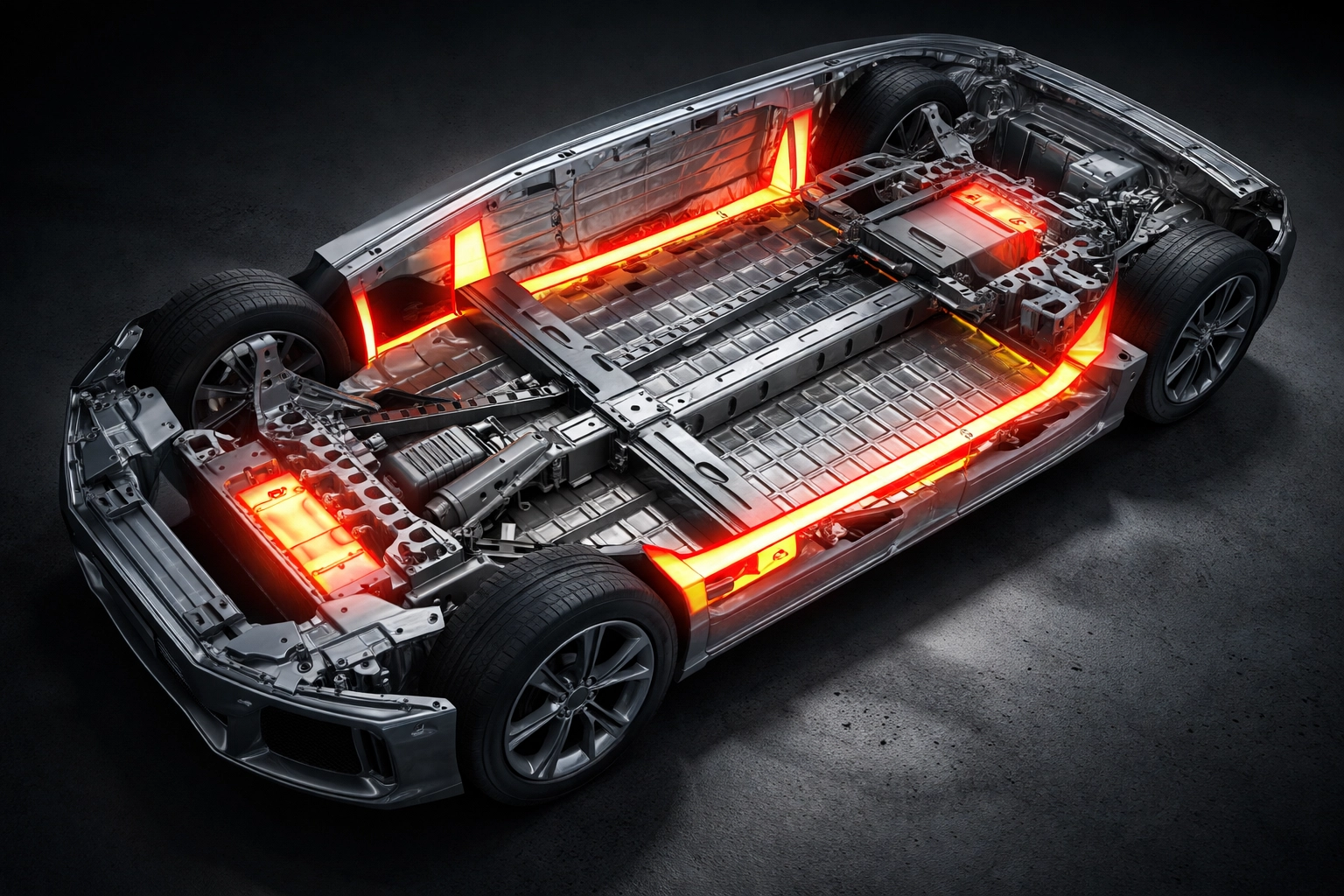
The Inherent Limitations of Factory Protection
Understanding why factory protection falls short requires examining the realities of modern vehicle manufacturing.
Formulated for Speed, Not Longevity
Factory coatings are specifically formulated to cure quickly, allowing vehicles to move efficiently through production lines and be handled immediately. This prioritisation of manufacturing speed can compromise long-term adhesion and durability. The protective layers applied in the factory simply aren't designed with the same permanence as specialist aftermarket treatments.
Minimal Coverage in Critical Areas
Perhaps the most significant limitation is the extent of coverage. Factory protection focuses primarily on visible surfaces and easily accessible areas. Critical hidden zones: where rust most commonly takes hold: often receive minimal attention or are missed entirely.
These overlooked areas include:
Internal chassis rails and box sections
Door cavities and sill interiors
Suspension mounting points
Seams, joints, and spot-welded areas
Brake line routing channels
Fuel tank surrounds
These hidden cavities trap moisture, road debris, and salt: creating the perfect environment for corrosion to develop unseen until structural damage has already occurred.
Designed for Global Markets, Not UK Conditions
Vehicle manufacturers must balance protection levels against production costs across global markets. The factory protection applied to a vehicle destined for the UK is typically identical to one heading for a dry, mild climate. Yet UK roads present uniquely aggressive challenges that demand far more robust protection.

Why UK Driving Conditions Demand Additional Protection
The United Kingdom presents a particularly hostile environment for vehicle undercarriages. Several factors combine to accelerate corrosion beyond what factory protection can withstand.
Road Salt and Grit
Local authorities spread approximately two million tonnes of road salt across UK roads each winter. This salt, combined with abrasive grit, creates a corrosive cocktail that attacks metal surfaces relentlessly. Salt spray penetrates every crevice, settling in hidden cavities where it continues its destructive work long after winter has passed.
Year-Round Moisture
The UK's temperate maritime climate means vehicles rarely dry out completely. Persistent dampness, frequent rainfall, and high humidity levels ensure that moisture remains in contact with metal surfaces almost continuously. This constant exposure accelerates the oxidation process significantly.
Coastal Exposure
For vehicles regularly driven in coastal regions, airborne salt particles compound the challenge. Even vehicles that never directly encounter road salt face corrosive attack from the salt-laden air.
Temperature Fluctuations
The UK's variable temperatures cause metal to expand and contract repeatedly. This thermal cycling can cause microscopic cracks in protective coatings, allowing moisture and salt to reach the bare metal beneath.
The Areas Factory Protection Consistently Misses
Professional rustproofing specialists routinely encounter the same vulnerable areas that factory protection has left inadequately defended. Knowing where to look can help you understand why additional protection is essential.
Chassis Rails and Box Sections
These structural components are particularly vulnerable because they form enclosed spaces where moisture accumulates. Factory protection rarely penetrates the interior of these sections, leaving them exposed from within.
Wheel Arches and Inner Wings
Despite being highly exposed to road spray, these areas often receive only basic protection. The constant bombardment of water, salt, and debris quickly overwhelms factory coatings.
Door Bottoms and Sill Interiors
Water ingress through drainage holes and window seals makes these cavities prime locations for hidden rust. By the time corrosion becomes visible externally, significant damage has typically already occurred inside.
Suspension and Brake Components
While some manufacturers apply protection to these areas, the coverage is frequently inconsistent. Brake pipes, in particular, are vulnerable to corrosion that can compromise safety.
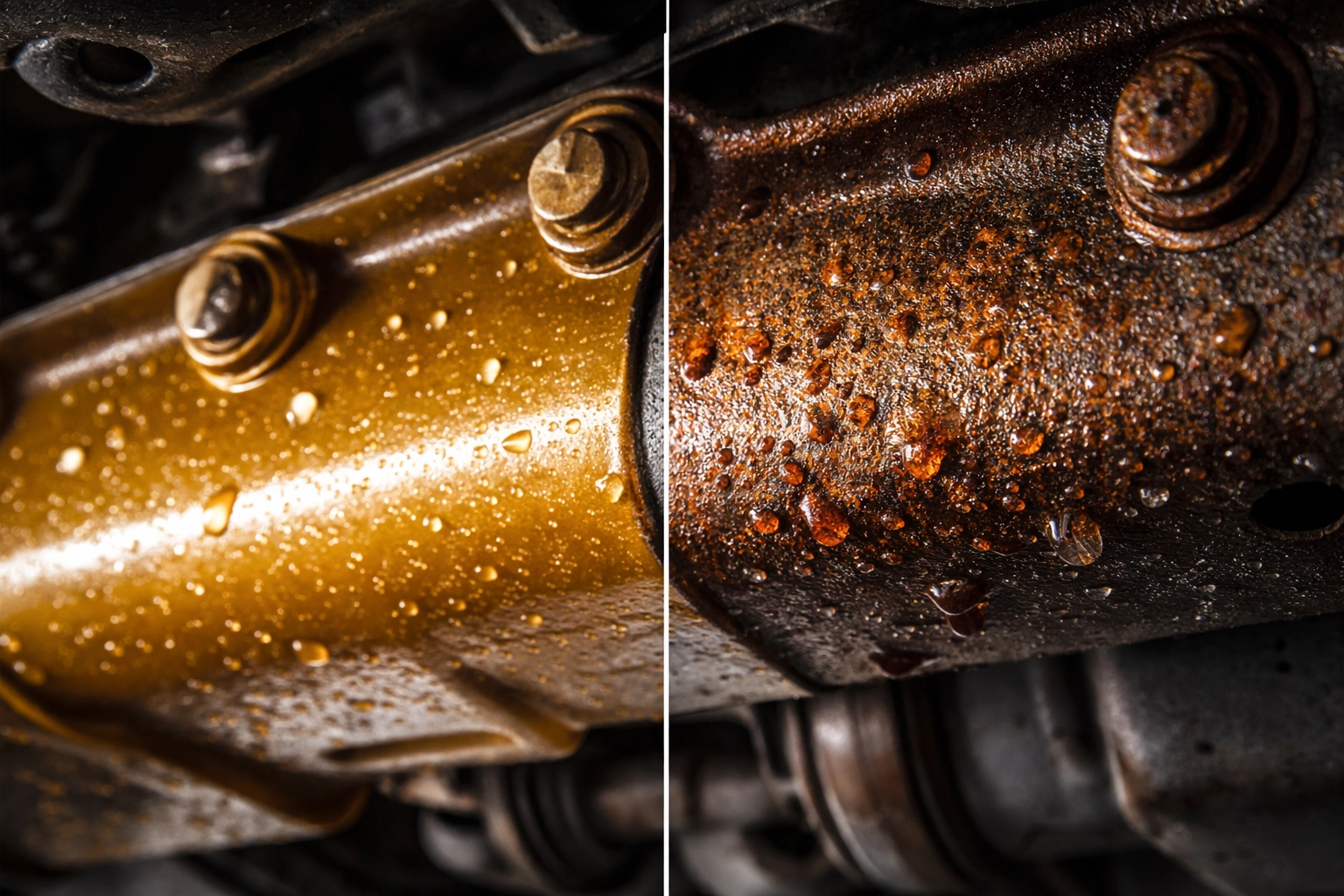
The Professional Rustproofing Difference
A comprehensive professional rustproofing treatment addresses every limitation of factory protection, providing the thorough, lasting defence your vehicle truly needs.
Complete Coverage of Hidden Areas
Professional treatments utilise specialist equipment to reach every cavity, seam, and box section that factory processes miss. Cavity waxes are injected under pressure into enclosed spaces, creating a protective barrier where it matters most.
Products Designed for Longevity
Unlike factory coatings formulated for rapid curing, professional-grade products such as Dinitrol are engineered specifically for maximum durability and adhesion. These premium formulations provide superior protection that maintains its integrity for years, not months.
Tailored to UK Conditions
Professional rustproofing services understand the specific challenges of UK driving. Treatments are applied with these conditions in mind, providing protection that's genuinely fit for purpose rather than a one-size-fits-all global solution.
Comprehensive Inspection
A professional service begins with a thorough inspection of your vehicle's underside, identifying any existing concerns and ensuring every vulnerable area receives appropriate treatment. This meticulous approach ensures nothing is overlooked.
When Should You Consider Professional Rustproofing?
The ideal time to apply professional rustproofing is as early as possible in your vehicle's life. For new vehicles, treatment before the first winter provides the best possible foundation for long-term protection.
However, it's never too late to act. Vehicles of any age can benefit from professional treatment, provided significant structural corrosion hasn't already developed. Even vehicles with surface rust can often be treated effectively after appropriate preparation.
Key moments to consider professional rustproofing:
Immediately after purchasing a new vehicle
Before your vehicle's first MOT (around the three-year mark)
After purchasing a used vehicle
Before winter, if your vehicle is currently unprotected
If you're planning to keep your vehicle long-term
Protecting Your Investment for a Lifetime
Your vehicle represents a significant investment, and protecting that investment requires looking beyond what the manufacturer provides as standard. Factory rust protection, while a useful starting point, simply isn't designed to offer the comprehensive, lasting defence that UK conditions demand.
Professional rustproofing treatments fill the gaps that factory protection leaves behind, reaching hidden cavities, applying specialist products, and providing the thorough coverage necessary to keep your vehicle rust-free throughout its life.
At Rustec, we specialise in delivering premium rustproofing treatments using the highest-quality products available. Our comprehensive service includes meticulous inspection, thorough preparation, and complete coverage of every vulnerable area: backed by our Rustec Guarantee.
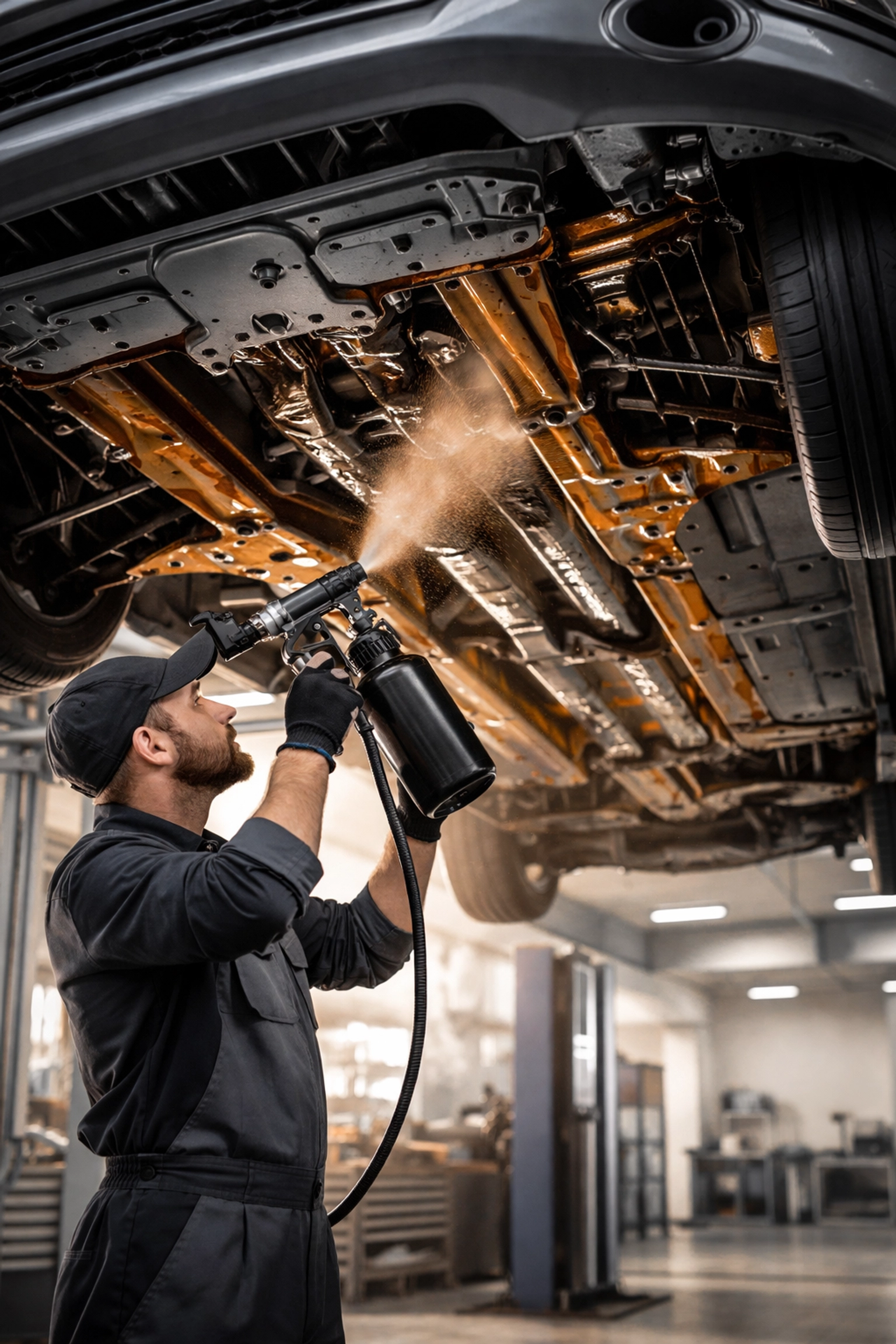
Don't leave your vehicle's protection to chance. Whether you've just collected a brand-new car or want to safeguard a cherished vehicle for years to come, professional rustproofing provides the peace of mind that factory protection alone simply cannot offer.
Ready to give your vehicle the protection it deserves? Visit our blog for more expert advice on vehicle care, or get in touch with our team to discuss your rustproofing requirements. We're here to help you maintain your vehicle in optimal condition for a lifetime.
Comments