
Why We Inspect Before Treating: The Secret to Long-Lasting Protection
A professional rustproofing treatment is only as effective as the inspection that precedes it. Treating a vehicle without a comprehensive underbody assessment is an exercise in futility; it risks sealing in existing corrosion and moisture, which accelerates structural failure. At Rustec, inspection is the non-negotiable first step to ensure the integrity of the chassis and the longevity of the protective barrier.
The Direct Answer: Why Inspection is Non-Negotiable
You do not apply a high-performance coating to a surface you haven’t verified. A thorough inspection identifies the specific state of oxidation, hidden moisture traps, and structural weaknesses that are invisible to the untrained eye. Skipping this stage is how "quick-fix" shops trap active corrosion beneath a layer of black goop, leading to catastrophic failure later. A poor rustproofing job can be worse than doing nothing, as it traps moisture and accelerates corrosion.
The Visual Mental Model: The Surgeon’s Assessment
Think of a professional rustproofing treatment like a surgical procedure. A surgeon never operates without first conducting scans and X-rays to understand exactly what lies beneath the skin. Applying rustproofing without an inspection is like a surgeon operating blind, you might cover the "wound," but if the infection (rust) is still active underneath, it will continue to rot the structure from the inside out. Process matters more than product, and the process begins with diagnosis.
The Iceberg of Corrosion: What You Don’t See Will Destroy Your Car
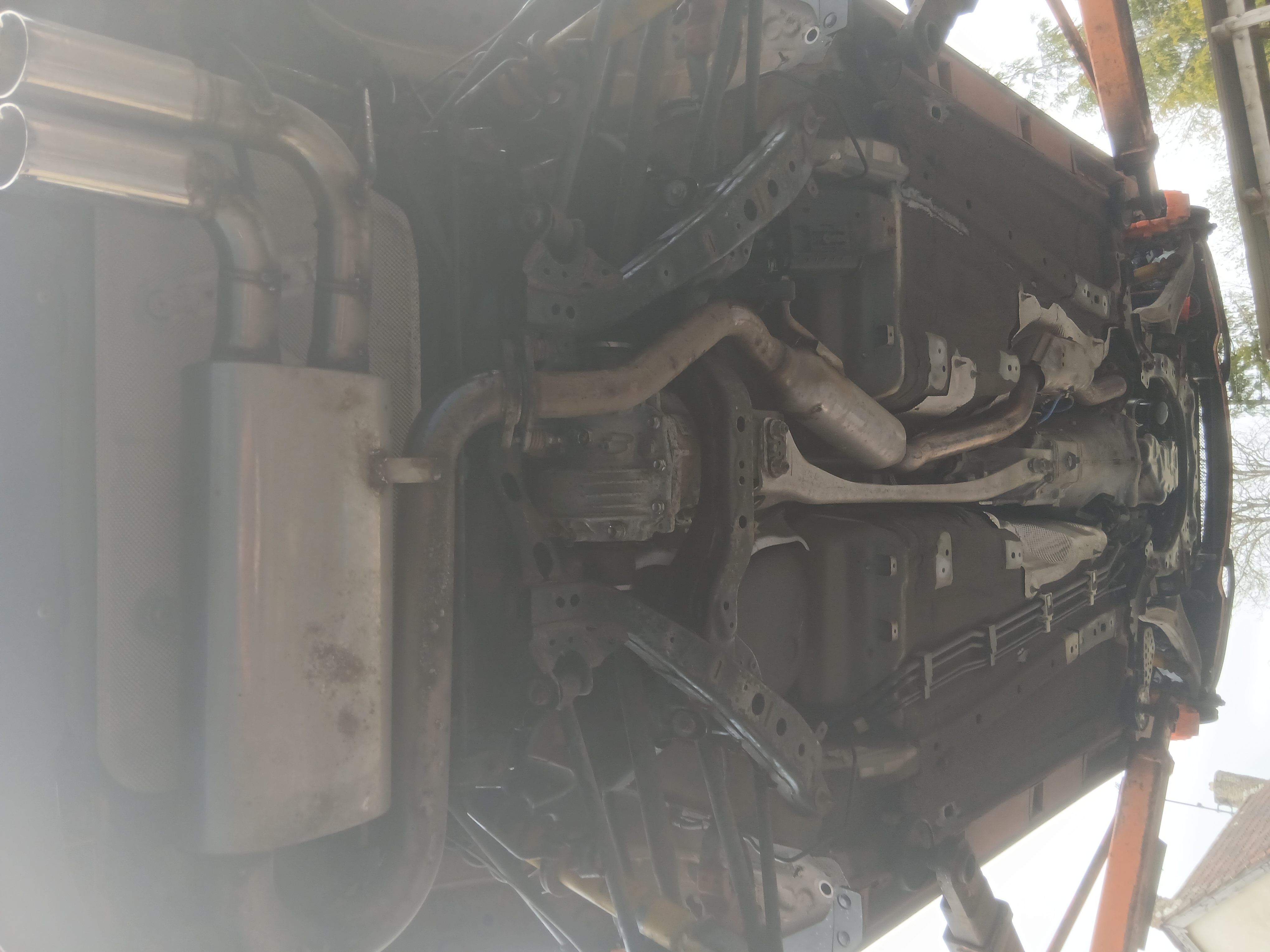
For owners of 3-year-old or low-mileage vehicles, the "iceberg" model of corrosion is the most critical concept to understand. The rust you see on the surface, the small orange spots on a suspension arm, is merely the tip. The real danger lies within the box sections, sills, and chassis rails.
In these internal cavities, condensation and road salt sit undisturbed, eating away at the metal from the inside out. By the time you see a bubble in the paint or a hole in the chassis, the structural integrity is already compromised. Professional inspection uses borescopes and high-intensity lighting to map this hidden decay. You must understand: The biggest mistake is waiting until rust becomes visible.
UK-Specific Context: The Brutal Reality of British Roads
In the UK, the environment is engineered to destroy your vehicle. We endure a unique combination of high humidity, fluctuating temperatures, and heavy use of aggressive road salts (sodium chloride and sometimes magnesium chloride). This creates a permanent electrolyte solution on your underbody.
Whether you are driving in Wrexham or navigating the coastal air of Newport, your vehicle is under constant chemical attack. In UK conditions, corrosion is not a question of if — but when. Without an inspection to identify where these salts have already begun their work, any treatment applied will be a temporary cosmetic mask rather than a structural solution. Inspection matters because it exposes hidden risk before it turns into a financial surprise.
The Financial Consequence: Prevention vs. Rectification
Owners often balk at the time required for a professional process, but the financial data is undeniable. Doing nothing leads to financial loss.
Service Type | Typical Cost Range | Outcome |
Rustec Professional Protection | £500 – £1,200 | Preserves structural integrity and resale value. |
Chassis Welding & Repairs | £1,000 – £4,000+ | Stressful, invasive, and reduces vehicle value. |
Resale Value Loss (Rusted) | £2,000 – £5,000 | Buyers walk away from "crusty" underbodies. |
By investing in the best rustproofing method for UK vehicles, you are reducing the chance of hidden corrosion turning into a £1,000–£4,000 welding bill or a £2,000–£5,000 resale-value hit later. A proper inspection removes uncertainty, exposes weak points early, and stops financial surprises before they escalate. Review the cost of rustproofing in the UK and see does rustproofing increase resale value before you delay.
WHEN TO ACT: The Window of Opportunity
Timing is the difference between preservation and restoration.
0–3 Years (New/Near-New): This is the Prevention Window. Factory protection is minimal at best. Inspecting and treating now ensures the metal remains in showroom condition indefinitely.
3–5 Years: This is the Ideal Window. Surface rust has likely started but hasn't yet compromised the thickness of the steel.
Visible Rust Present: This is the Urgent Window. If you can see it, the "iceberg" is already large. Immediate intervention is required to stop the spread.
Advanced Corrosion: This is the Restoration Stage. You are no longer preventing; you are managing a failing asset.
The Rustec Elite 72-Hour Standard vs. Quick Services
Do not confuse a 4-hour "spray-over" with professional rustproofing. The quality of the treatment is dictated by the preparation, which is why our Elite Standard is a meticulous 72-hour process.
Stage 1: Deep Clean & Decontamination: High-pressure removal of all salt, mud, and loose debris.
Stage 2: Thorough Drying: We utilize industrial air movers. Applying wax to a damp chassis is the fastest way to trap moisture against the metal.
Stage 3: Comprehensive Inspection: We assess every inch of the chassis, identifying areas that require specific pre-treatment or rust conversion.
Stage 4: Precision Masking: We protect the brakes, exhaust, and electrical sensors. Cheap shops spray everything, which can lead to mechanical failure and MOT failures.
Stage 5: Cavity & Underbody Application: We inject specialized waxes into every hidden box section and apply a durable external barrier to the floor pans.

Ownership Identity: What a Serious Owner Does
Serious owners do not wait for an MOT advisory to tell them what they should have prevented earlier. They inspect early, act in the 2–5 year window, and protect the vehicle before corrosion becomes expensive. That is the difference between controlled maintenance and reactive spending. If you care about long-term condition, resale strength, and avoiding nasty workshop bills, inspection is the move that keeps you in control.
Competitor Contrast: Inspection First vs Spray First
Cheap operators sell speed because speed is what their model depends on. They need the vehicle in and out, with minimal prep, minimal drying, and no meaningful cavity assessment. That approach hides problems instead of identifying them. Rustec inspects first because process quality determines outcome. If you want to understand how long rustproofing lasts in the UK, start by looking at the inspection and prep standard, not just the product tin.
Buyer Psychology: The Regret of the "One Year Too Late"
The most common phrase we hear in our workshops is: "I wish I had done this sooner."
Vehicle owners often wait until their first "advisory" on an MOT before seeking help. By that point, the cost of treatment often increases because of the extensive manual descaling required to prepare the metal. Regret minimisation is simple: act while the vehicle is still "clean." Knowing your car is protected provides a level of psychological security that cannot be matched by a "wait and see" approach. Beyond peace of mind, consider the market: a documented Rustec treatment proves to a future buyer that you maintained the vehicle to an elite standard, supporting stronger resale and reducing buyer suspicion. Read does rustproofing increase resale value and compare that with the cost of rustproofing in the UK. The biggest surprise bill is the one inspection would have exposed earlier.
Comparison: The Rustec Difference
Feature | Cheap "Drive-In" Service | Rustec Elite Standard |
Duration | 3–5 Hours | 72 Hours |
Inspection | Visual/Glance | Borescope & Structural Assessment |
Drying Time | Minimal/None | 24 Hours Industrial Drying |
Masking | None/Over-spray common | Full component protection |
Longevity | 6–12 Months | Multi-year Durability |
Risk | High (Trapped Moisture) | Low (Engineered Process) |
Expanded FAQ
How long does rustproofing last in the UK? While products like Dinitrol are designed for long-term protection, the environment dictates the lifespan. With the Rustec Elite Standard, we typically see 5+ years of robust protection before a top-up is required, depending on mileage and usage.
Does a 3-year-old car really need an inspection? Yes. By year three, many UK vehicles have already developed "spider" rust in the seams. Catching this early is the difference between a £600 treatment and a future £2,000 repair.
Can you rustproof over existing rust? Only if the rust is stable and has been treated with the correct converters. We never "hide" rust; we neutralize it and then seal it. If the rust is structural, we will advise on repairs before treatment.
What is the cost of rustproofing in the UK? A professional, multi-day service typically ranges from £500 to £1,200. Anything significantly cheaper likely indicates a lack of preparation or inferior materials.
Will this void my manufacturer warranty? Generally, no. Rustproofing is considered a maintenance service. However, because we use a non-invasive, high-quality process, we protect your vehicle’s structural warranty by preventing the very thing that would void it: perforation.
Final Summary
Inspection is the bridge between a cosmetic cover-up and a structural solution. Without it, you are gambling with your vehicle’s most expensive component: the chassis. At Rustec, we refuse to take that gamble. We identify the problem, prepare the surface to an elite standard, and apply a barrier that lasts.
If you want to protect your vehicle properly — not just cover it up — the best time to act is before corrosion progresses. Book a free inspection [https://calendly.com/rustec-works/free-vehicle-inspectioni] or request a quote here.
In UK conditions, corrosion is not a question of if — but when. Delaying turns prevention into welding bills, hidden repair costs, and resale loss. Book your inspection now.
Related Rustec posts:
Comments