
What causes rust in coastal areas?
If you live near the coast or regularly drive in coastal areas, you've likely noticed how quickly vehicles deteriorate compared to inland regions. The accelerated corrosion process in coastal environments isn't coincidental – it's the result of specific environmental factors that create the perfect storm for rust formation. Understanding these causes is crucial for protecting your vehicle investment, whether you're a coastal resident or simply planning seaside trips with your car, van, or 4x4.
The Primary Culprit: Saltwater Exposure and Salt Spray
The most significant factor accelerating rust in coastal areas is saltwater exposure and salt spray. Coastal environments contain exceptionally high concentrations of dissolved salts, particularly sodium chloride (NaCl), which creates an aggressive corrosive environment for metal surfaces.
Even when your vehicle isn't directly submerged in seawater, coastal winds carry fine salt-laden mist droplets inland, creating what experts call salt spray. This invisible threat constantly deposits corrosive particles onto every exposed metal surface of your vehicle – from the bodywork and chassis to suspension components and exhaust systems.

The salt spray phenomenon extends far beyond the immediate shoreline. Depending on wind patterns and weather conditions, vehicles can be affected by salt spray several kilometres inland. This means that even if you live a reasonable distance from the coast, your vehicle may still be experiencing accelerated corrosion from airborne salt particles.
Exceptionally High Humidity Levels
Coastal regions are characterised by persistently high humidity levels throughout the year. Unlike inland areas where humidity fluctuates with seasons and weather patterns, the proximity to large water bodies ensures moisture remains constantly present in the air.
When steel and other metals are exposed to these humid environments, moisture readily condenses on metal surfaces, creating the essential component for rust formation – water. High humidity causes this moisture to penetrate metal surfaces more readily, significantly accelerating the oxidation process that leads to rust.
The combination of high humidity with salt particles creates a particularly aggressive environment. The moisture provides the medium for corrosion reactions, while the salt acts as a catalyst, dramatically speeding up the entire process.
Temperature Fluctuations and Condensation
Coastal areas experience significant temperature variations, particularly between day and night. These temperature swings create additional challenges for vehicle protection, as they cause condensation to form regularly on metal surfaces.
During cooler nighttime temperatures, water vapour in the salt-laden air condenses onto metal components, creating persistent moisture that continuously fuels corrosion reactions. This condensation, combined with the salt already present on surfaces, maintains the ideal conditions for rust formation around the clock.

Temperature variations can also cause expansion and contraction in protective coatings and paint, leading to microscopic cracks or fissures. These tiny openings provide pathways for salt and moisture to reach the underlying metal, compromising any existing protection and accelerating the corrosion process.
The Electrochemical Acceleration Process
The fundamental mechanism behind coastal rust acceleration is electrochemical. Saltwater acts as a superior conductor of electricity compared to freshwater, and when salt functions as an electrolyte, it facilitates the flow of electrons from the metal during oxidation.
This electrochemical process dramatically enhances the speed of rust formation. Chloride ions from saltwater are particularly destructive as they can penetrate and break down the natural protective oxide layers that form on metal surfaces. Once these protective barriers are compromised, the underlying metal becomes vulnerable to rapid degradation.
The presence of different metals in modern vehicles (steel, aluminium, copper) can also create galvanic corrosion when connected in the presence of saltwater. This occurs when dissimilar metals form an electrical circuit in the presence of an electrolyte (salt water), accelerating corrosion of the more reactive metal.
Impact on Vehicle Components
Understanding how coastal conditions affect specific vehicle components helps illustrate the comprehensive nature of this threat:
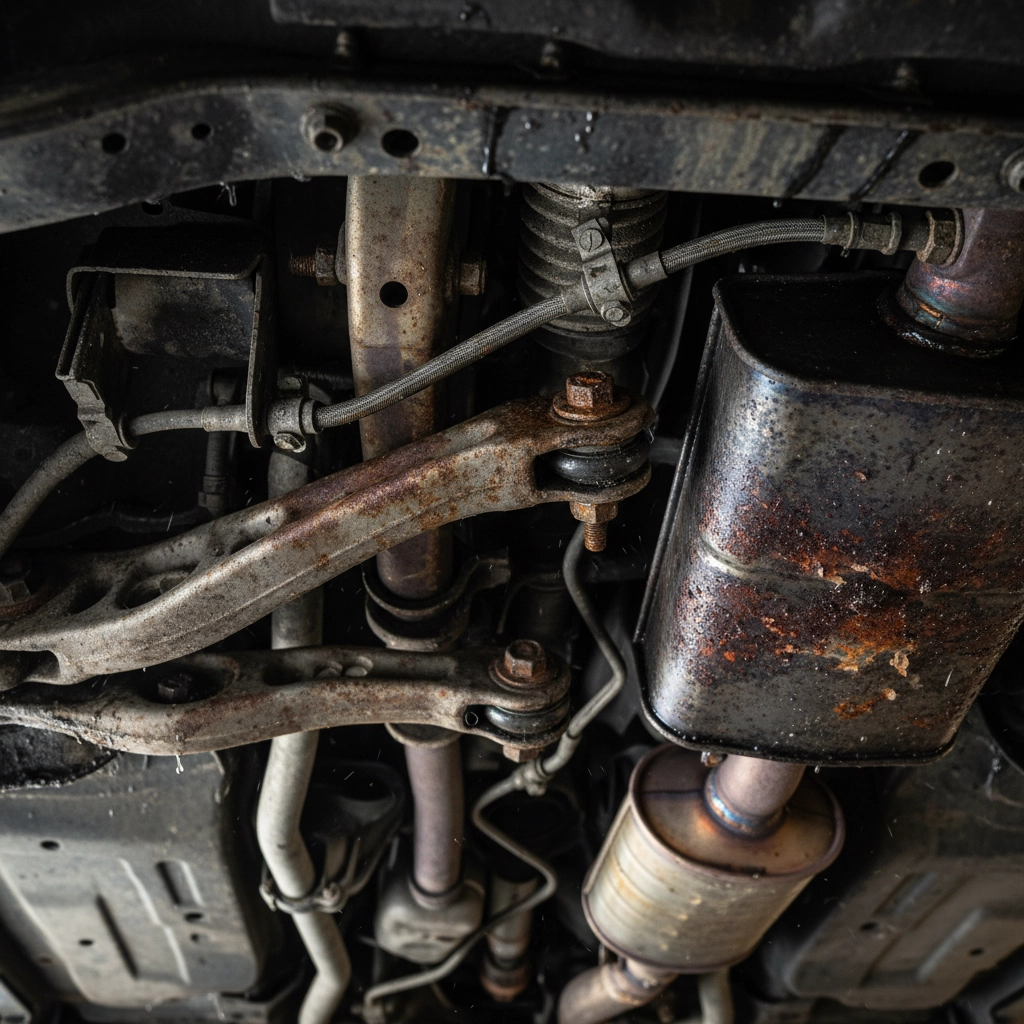
Chassis and Undercarriage: The vehicle's underside faces constant exposure to salt spray kicked up from roads, particularly during wet conditions. The chassis, suspension components, and exhaust system are all vulnerable to accelerated corrosion.
Body Panels and Paint: Salt spray deposits on paintwork and can penetrate through stone chips or minor scratches, leading to rust formation beneath the paint surface. This often appears as bubbling or blistering before the rust becomes visible.
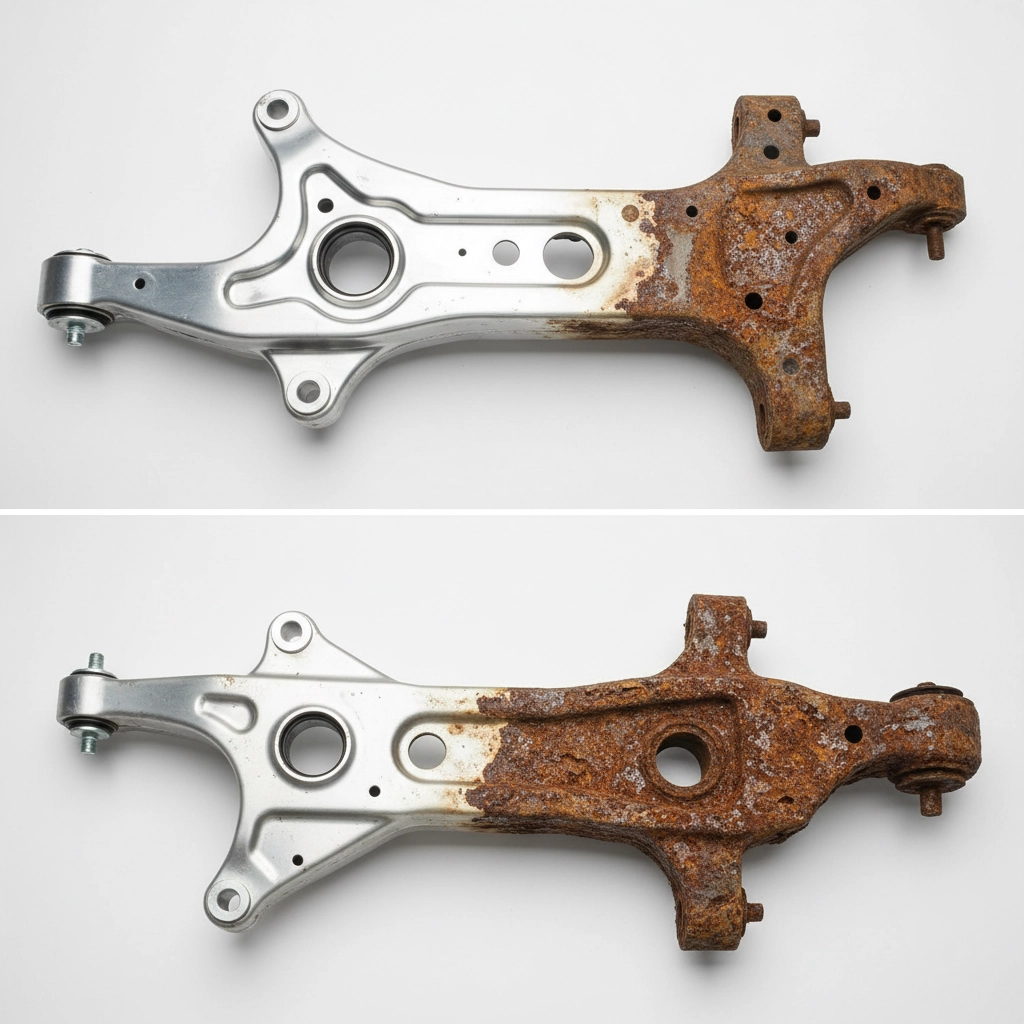
Hidden Cavities: Door frames, sills, and other enclosed areas can trap salt-laden moisture, creating persistent corrosive conditions that are difficult to detect until significant damage has occurred.
Brake Components: Brake discs, calipers, and lines are particularly vulnerable to salt corrosion, which can affect both performance and safety.
The Compounding Effect
These coastal factors don't work in isolation – they combine and amplify each other's effects. Salt spray provides the corrosive agent, high humidity supplies the moisture, temperature fluctuations create condensation cycles, and the electrochemical process accelerates the entire reaction. This creates a compounding effect where coastal vehicles can experience rust formation at rates three to five times faster than vehicles in inland environments.
The continuous nature of these conditions means there's rarely a respite for metal surfaces to dry completely or for natural protective processes to take effect. Instead, the corrosive environment maintains constant pressure on vehicle components, leading to progressive deterioration unless proper protective measures are implemented.
Professional Protection Solutions
Given the aggressive nature of coastal corrosive conditions, professional rustproofing treatments become essential rather than optional for vehicle longevity. Premium treatments like Dinitrol systems are specifically formulated to withstand these challenging environments.
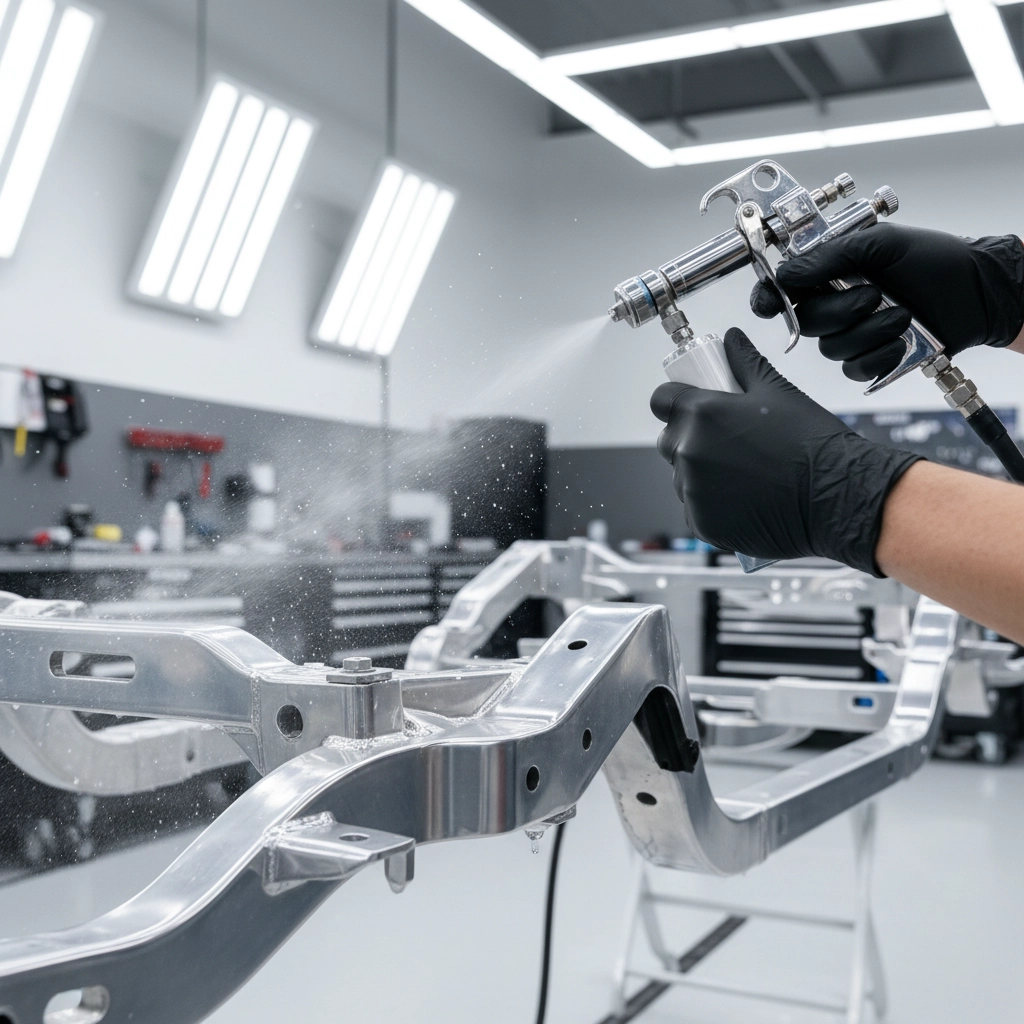
Professional applications ensure complete coverage of vulnerable areas, including hard-to-reach cavities where salt and moisture can accumulate undetected. The treatment process includes thorough cleaning to remove existing salt deposits before applying protective coatings that create effective barriers against future corrosion.
Long-term Investment Protection
For coastal vehicle owners, understanding these rust-causing factors highlights why preventive treatment represents such valuable long-term investment protection. The cost of comprehensive rustproofing treatment is significantly less than dealing with structural rust damage, failed MOT tests, or premature vehicle replacement.
Quality rustproofing treatments not only protect against current exposure but also provide ongoing resistance to the persistent coastal conditions your vehicle will face throughout its operational life.
Expert Assessment and Treatment
If you're concerned about coastal corrosion affecting your vehicle, professional assessment can identify vulnerable areas and recommend appropriate protection strategies. Comprehensive inspection can reveal early signs of corrosion that might not be immediately obvious, allowing for preventive action before significant damage occurs.
The combination of saltwater exposure, high humidity, temperature fluctuations, and electrochemical acceleration makes coastal environments particularly challenging for vehicle preservation. However, with proper understanding of these factors and appropriate protective measures, you can ensure your vehicle maintains its structural integrity and value despite these aggressive conditions.
For vehicles regularly exposed to coastal conditions, professional rustproofing represents an essential investment in longevity, safety, and value retention. The comprehensive protection provided by expert treatment ensures your vehicle can withstand the unique challenges of coastal driving for years to come.
Comments