
Should you remove old Waxoyl before reapplying?
- Lloyd Saunders
- Nov 30, 2025
- 5 min read
When it comes to maintaining your vehicle's rust protection, one question frequently arises among car owners: should you strip off the old Waxoyl before applying a fresh coat? This comprehensive guide examines the proper approach to Waxoyl maintenance and reapplication, providing you with professional insights to ensure maximum protection for your vehicle.
The Short Answer: No, Removal Is Not Necessary for Maintenance
The straightforward answer is no – you should not remove old Waxoyl before routine reapplication. When properly applied, Waxoyl creates a long-lasting protective barrier that doesn't require complete removal for maintenance purposes. This approach saves both time and money while maintaining optimal rust protection for your vehicle.
Professional automotive protection specialists understand that Waxoyl is designed for cumulative application. Once it has been properly applied to internal box sections, inside sills, and other critical areas, the existing coating provides an excellent foundation for additional layers.
Understanding Waxoyl's Protective Properties
Waxoyl works by penetrating into metal surfaces and creating a moisture-displacing barrier that prevents rust formation. This premium rust protection system maintains its effectiveness over extended periods, making complete removal unnecessary for standard maintenance applications.
The product's unique formulation allows new applications to bond with existing coatings, creating an enhanced protective layer. This cumulative effect actually strengthens your vehicle's rust resistance over time, provided the reapplication process follows proper procedures.
When Routine Reapplication Is Sufficient

For most maintenance scenarios, simple reapplication over existing Waxoyl provides adequate protection. This approach is particularly effective for:
Internal box sections and chassis rails where the original application remains largely intact and continues providing effective protection. These areas typically require minimal maintenance once properly treated.
Sill interiors and door frames benefit from annual brush-applied maintenance coats, especially in areas exposed to water spray or road debris. The existing Waxoyl provides an excellent foundation for these touch-up applications.
Hidden cavity areas where access is limited and complete removal would be impractical. These locations often retain their protective coating for extended periods, requiring only periodic enhancement.
The key to successful reapplication lies in proper surface preparation and application technique, ensuring optimal adhesion and coverage.
Critical Exceptions: When Complete Removal Is Essential
However, there are specific circumstances where complete Waxoyl removal is absolutely necessary before proceeding with any work:
Rust Treatment Requirements
If you need to perform active rust treatment on areas previously coated with Waxoyl, complete removal becomes essential. The waxy coating prevents rust converters, neutralising agents, and treatment chemicals from making proper contact with affected metal surfaces.
Any attempt to treat rust through existing Waxoyl will result in ineffective treatment and continued corrosion progression. Professional rust remediation requires direct access to the metal surface.
Paint and Bodywork Applications
Complete removal is mandatory before any painting, priming, or bodywork repairs. Waxoyl's moisture-displacing properties make it incompatible with paint adhesion systems. Any attempt to paint over Waxoyl will result in poor adhesion, premature failure, and compromised finish quality.
Professional body shops understand this requirement and always specify complete Waxoyl removal before commencing paintwork.
Welding and Metal Fabrication
Before any welding operations, Waxoyl must be completely removed from the work area and surrounding zones. The heated wax can create dangerous fumes and interfere with weld quality, presenting both safety and structural integrity concerns.
Professional Maintenance Application Procedure

When performing routine Waxoyl maintenance without removal, follow this comprehensive professional procedure:
Surface Preparation
Begin with thorough cleaning of exposed surfaces using appropriate degreasers to remove road grime, salt deposits, and contaminants. While you're not removing the underlying Waxoyl coating, clean application surfaces ensure optimal bonding of the new layer.
Pay particular attention to areas where water exposure is highest, including wheel arch edges, sill exteriors, and chassis sections exposed to road spray.
Application Technique
Apply fresh Waxoyl using appropriate methods for each area. Brush application works effectively for accessible surfaces and provides excellent control over coating thickness.
For internal cavities and hard-to-reach areas, use proper spray equipment designed for cavity wax application. Ensure adequate penetration and coverage while avoiding excessive application that could lead to dripping or accumulation.
Annual Maintenance Schedule
Areas exposed to regular water spray benefit from annual reapplication, particularly during autumn months before winter road salt exposure intensifies. This timing provides optimal protection during the most challenging corrosion conditions.
Monitor high-exposure areas more frequently, applying touch-up coatings as needed to maintain continuous protection.
Complete Removal Process: When Required
When complete removal becomes necessary for rust treatment or bodywork, follow a systematic three-stage process:
Mechanical Removal
Begin with mechanical removal of bulk Waxoyl deposits using plastic scrapers and appropriate hand tools. This initial stage removes the majority of coating material without damaging underlying metal surfaces.
Work systematically to avoid missing areas while preventing damage to protective coatings on adjacent surfaces.
Solvent Treatment
Apply appropriate solvents designed for Waxoyl removal, allowing adequate penetration time for effective dissolution of remaining residues. Professional-grade solvents provide more effective removal than household alternatives.
Ensure adequate ventilation and follow all safety protocols when working with solvent-based removal systems.
Final Cleaning
Complete the process with thorough cleaning using wheel cleaners or similar degrasing agents to remove all traces of both Waxoyl and removal solvents. This final step ensures optimal surface preparation for subsequent treatments.
Verify complete removal before proceeding with rust treatment or paintwork applications.
Professional Service Advantages
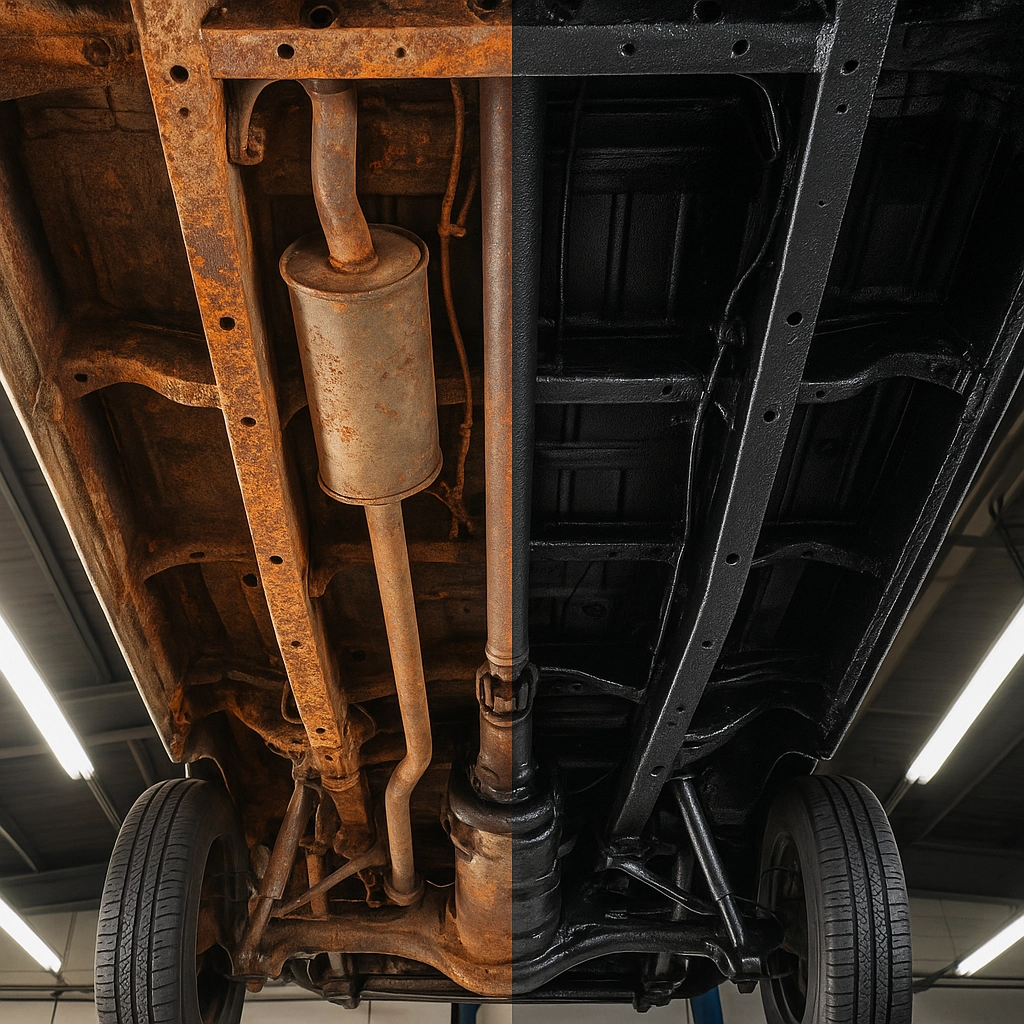
While Waxoyl reapplication might seem straightforward, professional automotive protection services provide significant advantages:
Comprehensive inspection identifies areas requiring attention before they develop into serious problems. Professional technicians understand the subtle signs of coating degradation and can address issues proactively.
Proper equipment and materials ensure optimal application coverage and penetration. Professional spray systems access areas that standard consumer equipment cannot reach effectively.
Quality assurance and documentation provide confidence in the work performed and establish maintenance records for future reference.
Long-Term Protection Strategy
Developing a systematic approach to Waxoyl maintenance maximises your vehicle's rust protection investment. Regular inspection combined with targeted reapplication provides cost-effective protection that extends vehicle lifespan significantly.
Consider your vehicle's exposure conditions, usage patterns, and environmental factors when establishing maintenance intervals. Vehicles used in coastal areas or exposed to frequent road salt applications benefit from more frequent attention.
Professional consultation helps develop customised maintenance programmes tailored to your specific vehicle and usage requirements, ensuring optimal protection throughout your vehicle's service life.
Conclusion: Maintenance Without Removal
For routine Waxoyl maintenance, removal of existing coatings is unnecessary and counterproductive. The established protective layer provides an excellent foundation for additional applications, creating enhanced rust protection through cumulative coating development.
Reserve complete removal procedures for specific applications requiring direct metal access, such as rust treatment or paintwork. These specialised requirements demand complete coating removal to ensure proper treatment effectiveness.
Professional automotive protection specialists understand these distinctions and can provide guidance tailored to your specific requirements. Whether you need routine maintenance application or complete system renewal, proper technique ensures maximum protection for your vehicle investment.
Regular Waxoyl maintenance, applied correctly over existing coatings, provides reliable rust protection that preserves your vehicle's integrity and value throughout its service life. This approach represents the most practical and effective method for maintaining optimal corrosion resistance.
Comments