
Layering rustproofing products : good idea or not?
When it comes to protecting your vehicle from corrosion, more is better: right? Not necessarily. One of the most common questions we encounter at Rustec is whether vehicle owners can layer different rustproofing products on top of each other. Perhaps you've applied Waxoyl in the past and now want to try Lanoguard, or you're wondering if combining Dinitrol with another brand might offer superior protection.
The short answer: layering different rustproofing products is generally not recommended. However, there's more nuance to this topic than a simple yes or no. This comprehensive guide will explain exactly why mixing products can cause problems, when multiple applications are beneficial, and how to achieve the best possible rust protection for your vehicle.
Why Vehicle Owners Consider Layering Products
The logic seems sound on the surface. If one rustproofing product offers good protection, surely combining two different formulations would provide even better coverage? This thinking typically stems from several scenarios:
Previous treatment wearing thin – You notice your existing underseal is degrading and want to top it up with whatever product you have available
Switching brands – You've read positive reviews about a different rustproofing product and want to try it without fully removing the existing treatment
Belt-and-braces approach – You want maximum protection and believe combining products will cover any weaknesses in individual formulations
Cost considerations – You have leftover product from a previous application and want to use it up
While these motivations are understandable, the reality of how different rustproofing products interact tells a different story.
The Chemistry Problem: Why Different Products Don't Mix Well
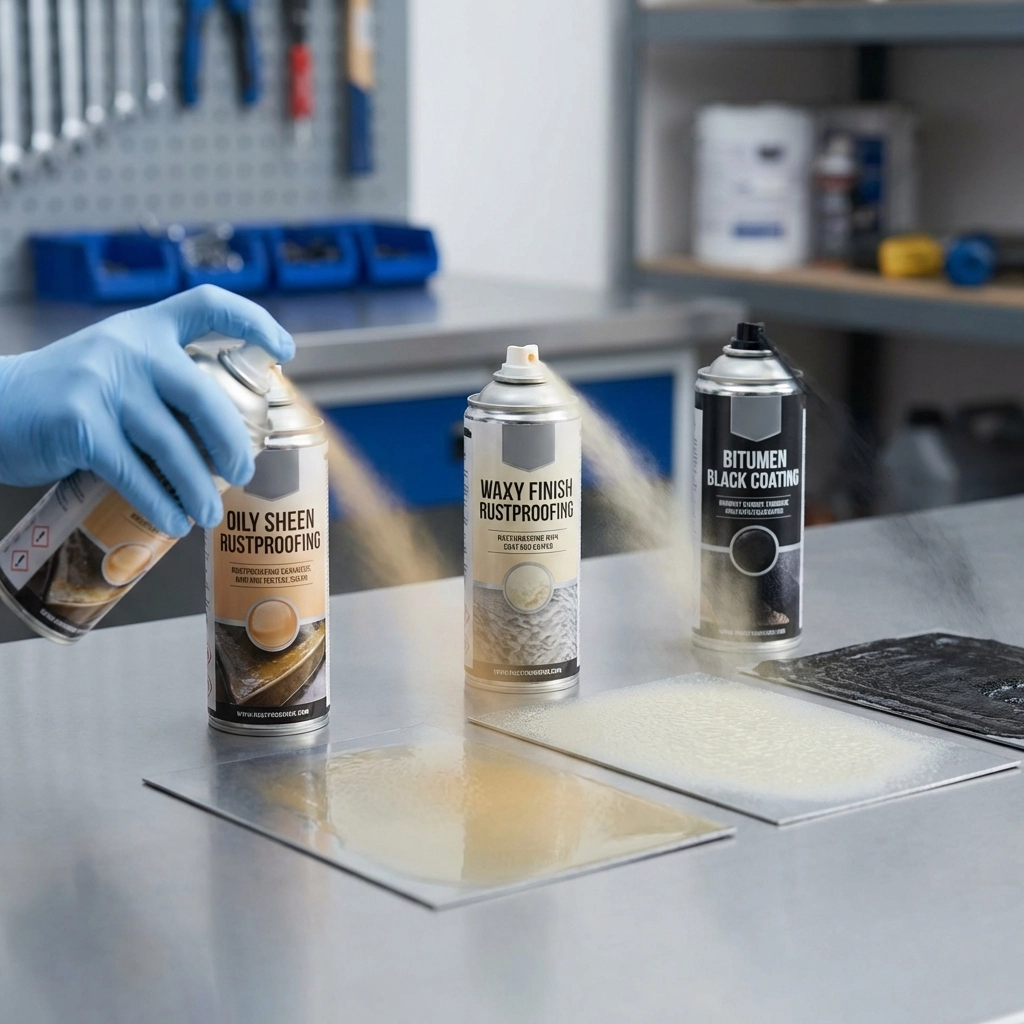
Rustproofing products fall into several distinct categories, each with unique chemical compositions:
Oil-based products – These penetrate into metal surfaces and displace moisture. Lanoguard falls into this category, using lanolin (wool grease) as its primary active ingredient.
Wax-based products – These create a harder, more durable barrier on the surface. Dinitrol products utilise advanced wax technology to form protective films.
Synthetic compounds – Some modern rustproofing treatments use synthetic polymers and additives for enhanced performance.
Bitumen-based underseals – Traditional black underseal products that create a thick, rigid coating.
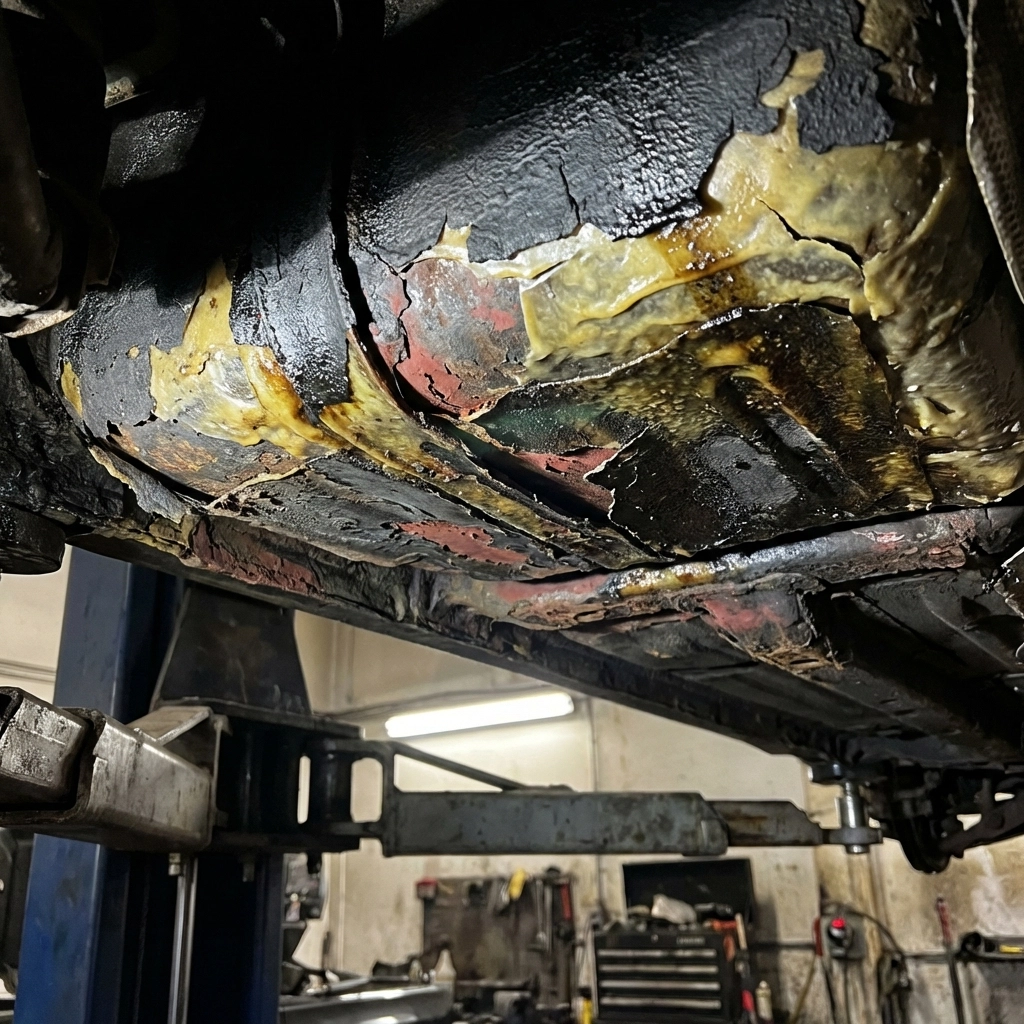
The fundamental issue with layering different products lies in their incompatible chemical properties. When you apply an oil-based product over a wax-based one (or vice versa), several problems can occur:
Poor adhesion – The new product may not bond properly to the existing layer, creating weak spots where moisture can penetrate
Chemical reactions – Different formulations can react with each other, potentially breaking down the protective properties of both products
Softening or lifting – One product may dissolve or soften the other, compromising the entire protective layer
Trapped moisture – If the products don't bond correctly, moisture can become trapped between layers, actually accelerating rust formation
The Right Approach: Multiple Coats of the Same Product
Here's where the distinction becomes crucial. While mixing different products creates problems, applying multiple coats of the same rustproofing product is actively recommended by most manufacturers and professional applicators.
For optimal protection, we advise applying two to three coats of your chosen rustproofing product, depending on the specific formulation and the level of protection required. This approach offers several advantages:
Consistent chemical composition throughout all layers
Proper bonding between each application
Increased thickness in vulnerable areas
No risk of adverse chemical reactions
The key is allowing sufficient drying or curing time between applications. Each product has specific recommendations: Dinitrol products, for example, require adequate curing time before subsequent coats are applied.
Specific Product Combinations: What the Evidence Shows
Let's address some common combinations vehicle owners ask about:
Can You Mix Lanoguard with Dinitrol?
This is one of the most frequently asked questions we receive. Lanoguard is a lanolin-based product that remains soft and self-healing, while Dinitrol products create firmer, more durable protective films. These fundamentally different approaches mean they're not designed to work together.
Applying Lanoguard over existing Dinitrol (or the reverse) can result in:
The lanolin softening the wax-based Dinitrol coating
Poor adhesion between the two different film types
Inconsistent coverage and protection levels
Can You Apply Lanoguard Over Old Waxoyl?
Similar issues arise here. While both products aim to prevent rust, their different formulations mean one may compromise the other's effectiveness. If you want to switch from Waxoyl to Lanoguard, the safest approach involves thoroughly cleaning the undercarriage first.
What About Topping Up the Same Product?
This is perfectly acceptable and often recommended. If you've had your vehicle treated with Dinitrol and want to maintain that protection, applying fresh Dinitrol over the existing treatment is the correct approach. The products are designed to bond with each other, ensuring continuous protection.
Signs That Product Layering Has Gone Wrong
If you've already attempted to layer different rustproofing products, watch for these warning signs:
Dripping or weeping – Product that continues to drip long after application suggests poor adhesion
Soft, tacky surfaces – Coatings that never fully cure may indicate chemical incompatibility
Peeling or flaking – The top layer separating from the layer beneath
Swollen rubber components – Some product combinations can damage seals, grommets, and rubber bushings
Wiring insulation damage – Incompatible products may affect electrical components
If you notice any of these issues, we strongly recommend having your vehicle professionally inspected and, if necessary, having the incompatible products removed before starting fresh with a single, high-quality treatment system.
The Professional Approach to Comprehensive Rust Protection
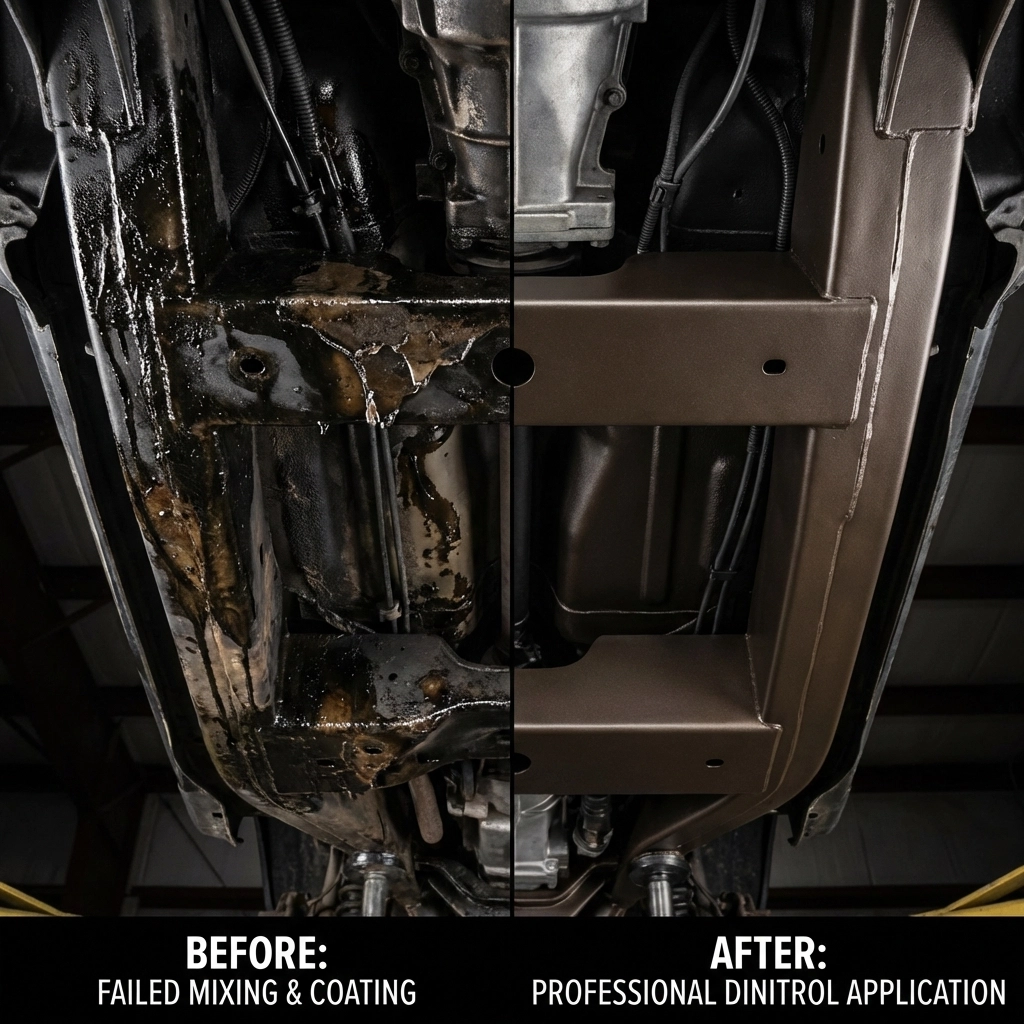
At Rustec, we use the Dinitrol treatment system exclusively because it offers a complete, compatible range of products designed to work together:
Dinitrol ML – Cavity wax for internal box sections, sills, and chassis rails
Dinitrol 4941 – Underbody coating for exposed underseal areas
Dinitrol RC900 – Rust converter for treating existing corrosion before protection
These products are specifically formulated to be used together, providing comprehensive protection without the risks associated with mixing different brands or formulations.
Our treatment process follows a meticulous methodology:
Comprehensive inspection – We assess your vehicle's current condition and identify all areas requiring attention
Thorough cleaning – A complete undercarriage steam clean removes dirt, old product residue, and contaminants
Rust treatment – Any existing corrosion is addressed with appropriate rust converter
Systematic application – Products are applied in the correct order, with proper curing time between coats
Photo documentation – You receive visual evidence of the treatment for your records
This systematic approach ensures every component works together harmoniously, providing lifetime protection rather than a patchwork of incompatible products.
What To Do If You Want to Switch Products
If you're currently using one rustproofing product but want to switch to another, here's the recommended approach:
Step 1: Professional inspection – Have your vehicle assessed to understand the current condition of existing treatments
Step 2: Thorough removal – Depending on the products involved, the existing treatment may need to be removed through steam cleaning, degreasing, or careful scraping
Step 3: Surface preparation – The bare metal needs proper preparation before new products are applied
Step 4: Fresh application – Apply your chosen new product system according to manufacturer specifications
Step 5: Ongoing maintenance – Maintain your protection with the same product range going forward
This process requires more initial investment than simply applying a new product over the old one, but it ensures proper protection and avoids the problems associated with incompatible layering.
Making the Right Choice From the Start
The best way to avoid layering complications is to choose the right rustproofing system from the beginning and stick with it. Consider these factors when making your decision:
Product longevity – How long does the protection last before reapplication is needed?
Compatibility with your vehicle – Is the product safe for all materials, including plastics, rubber, and electrical components?
Professional support – Can you access professional application and maintenance services?
Warranty coverage – What guarantees come with the treatment?
At Rustec, we're always happy to discuss your specific requirements and recommend the most appropriate treatment for your vehicle. Whether you drive a daily commuter, a classic car, a 4x4, or a commercial fleet vehicle, the principle remains the same: one comprehensive, compatible treatment system provides superior protection to a mixture of different products.
Your Next Step
If you're unsure about your vehicle's current rustproofing status, or you're considering treatment for the first time, we invite you to get in touch. Our team can advise on the best approach for your specific situation, ensuring your vehicle receives premium protection that lasts.
Visit Rustec to learn more about our comprehensive rustproofing services, or explore our specialist 4x4 treatments and campervan services for vehicle-specific information.
Remember: when it comes to rustproofing, consistency beats combination every time.

Comments