
Is Waxoyl still any good in 2025?
- Lloyd Saunders
- Nov 13, 2025
- 5 min read
Waxoyl has been a household name in rust prevention for decades, but with advances in automotive protection technology and new products entering the market, many vehicle owners are questioning whether this traditional solution still holds its ground in 2025. As professionals in the rust prevention industry, we've analysed current performance data, real-world user experiences, and modern alternatives to provide you with a comprehensive assessment.
Current Performance Claims and Laboratory Data
According to manufacturer specifications, Waxoyl continues to demonstrate impressive performance metrics in controlled laboratory conditions. Professional testing indicates the product can provide up to 5 years of protection against rust and corrosion when properly applied. Field observations from vehicle owners report significant reduction in rust formation for approximately 4 years following application, with the product claiming to reduce corrosion risk by up to 90%.
The formulation remains largely unchanged, featuring a penetrating wax-based compound designed to displace moisture and create a protective barrier against salt, road grime, and environmental contaminants. Waxoyl's ability to kill existing surface rust and prevent further oxidation continues to be one of its primary selling points, particularly for older vehicles where some rust formation has already begun.
Laboratory testing demonstrates that Waxoyl maintains its protective properties across varying temperature ranges and environmental conditions typical of UK driving. The product's permanent adhesion characteristics mean it never fully dries, theoretically providing ongoing protection as long as the coating remains intact.
Real-World User Experiences: A Mixed Picture
Despite promising laboratory results, real-world user experiences paint a considerably more complex picture. Automotive forums and professional discussions reveal significant concerns about Waxoyl's long-term performance in practical applications.
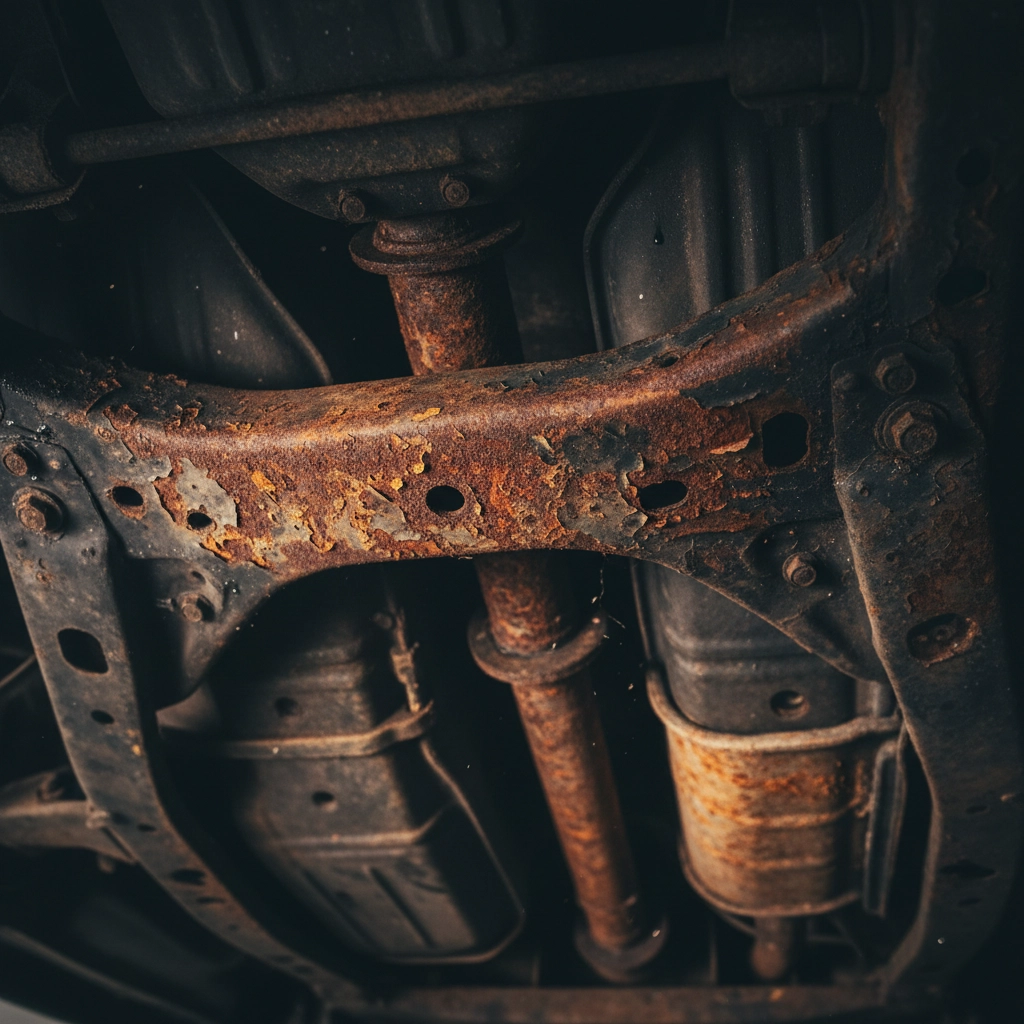
Multiple vehicle owners report that Waxoyl can peel away within 12 months of application, particularly in high-stress areas such as wheel arches and chassis components exposed to constant road debris impact. More concerning are reports of rust formation beneath the protective coating, which becomes visible only after the Waxoyl layer deteriorates or is removed.
Professional mechanics and restoration specialists have noted that while Waxoyl may initially appear effective, its opacity prevents ongoing monitoring of rust development. Unlike modern alternatives that remain transparent or allow visual inspection, Waxoyl's thick, dark coating can mask progressive corrosion until significant damage has occurred.
Fleet managers operating commercial vehicles in challenging conditions report inconsistent results with Waxoyl applications. While some vehicles show excellent protection, others develop rust breakthrough within 18-24 months, necessitating costly remedial work.
Modern Alternatives: Superior Performance and Technology
The automotive protection industry has evolved significantly since Waxoyl's introduction, with lanolin-based treatments emerging as the preferred choice for many professional applications. Products such as Lanoguard and Fluid Film offer several advantages over traditional wax-based systems.
Lanolin-based products never fully cure, allowing ongoing self-healing and visual monitoring of the protected surfaces. This transparency enables vehicle owners and mechanics to identify potential rust formation early, before it becomes structurally significant. The natural creeping properties of lanolin also provide superior penetration into joints, seams, and hard-to-reach areas.
Dinitrol products represent another significant advancement in rust prevention technology. Professional-grade Dinitrol treatments offer extended protection periods with superior adhesion characteristics compared to traditional Waxoyl applications. Multiple automotive specialists report significantly better long-term results with Dinitrol systems, particularly in commercial and heavy-duty applications.
Synthetic alternatives such as Bilt Hamber products provide comparable protection at potentially lower cost points, with improved environmental credentials and easier application procedures. These modern formulations address many of the practical limitations associated with traditional wax-based treatments.
When Waxoyl Still Makes Sense
Despite these concerns, Waxoyl retains relevance in specific applications. Brand-new vehicles with completely clean underbodies can benefit from Waxoyl's protective properties, particularly when applied professionally with proper surface preparation. The product remains especially effective on older vehicles where complete rust elimination isn't economically viable, and a protective coating over treated surfaces is the primary objective.
Classic car restoration represents another area where Waxoyl continues to find application. Restoration specialists often prefer its proven track record and compatibility with traditional automotive materials, particularly for vehicles that won't face daily exposure to harsh road conditions.
Budget-conscious applications may still favour Waxoyl due to its relatively low material cost, though this advantage diminishes when considering potential long-term remedial work requirements.
Professional Assessment: An Outdated Solution
From a professional rust prevention perspective, Waxoyl represents outdated technology that has been surpassed by modern alternatives in virtually every performance metric. The automotive community's migration toward lanolin-based treatments and advanced synthetic coatings reflects real-world performance differences that become apparent over extended periods.
The fundamental issue with Waxoyl isn't that it doesn't work – under ideal conditions with perfect application, it can provide adequate protection. The problem is that modern alternatives consistently outperform Waxoyl in durability, longevity, and inspectability while often being easier to apply and maintain.
Professional rust prevention specialists increasingly view Waxoyl as a legacy product that fails to meet current expectations for comprehensive vehicle protection. The inability to monitor ongoing rust development, combined with reports of coating failure and rust breakthrough, make it a high-risk choice for valuable vehicles.
The Cost of Compromise
While Waxoyl may initially appear cost-effective, the total cost of ownership often exceeds that of premium alternatives. Reapplication requirements, potential rust breakthrough damage, and the need for complete removal and retreatment can quickly escalate costs beyond those of a properly applied modern system.
Commercial fleet operators have increasingly moved away from Waxoyl due to these long-term cost implications. The expense of vehicle downtime for retreatment, combined with potential safety implications of hidden rust development, make modern alternatives a more economical choice over vehicle lifecycles.
Professional Recommendations
For maximum rust protection in 2025, we recommend moving beyond traditional Waxoyl applications toward modern lanolin-based treatments or professional-grade Dinitrol systems. These alternatives provide superior long-term protection with better transparency and maintenance characteristics.
New vehicle owners should consider comprehensive rust prevention packages that utilise modern chemistry and application techniques. The small additional investment in superior products provides significantly better protection and peace of mind over the vehicle's operational life.
Existing Waxoyl treatments should be professionally assessed to determine coating integrity and underlying metal condition. Where deterioration is evident, complete removal and retreatment with modern alternatives typically provides better long-term value than reapplication of Waxoyl.
The Rustec Approach to Modern Vehicle Protection
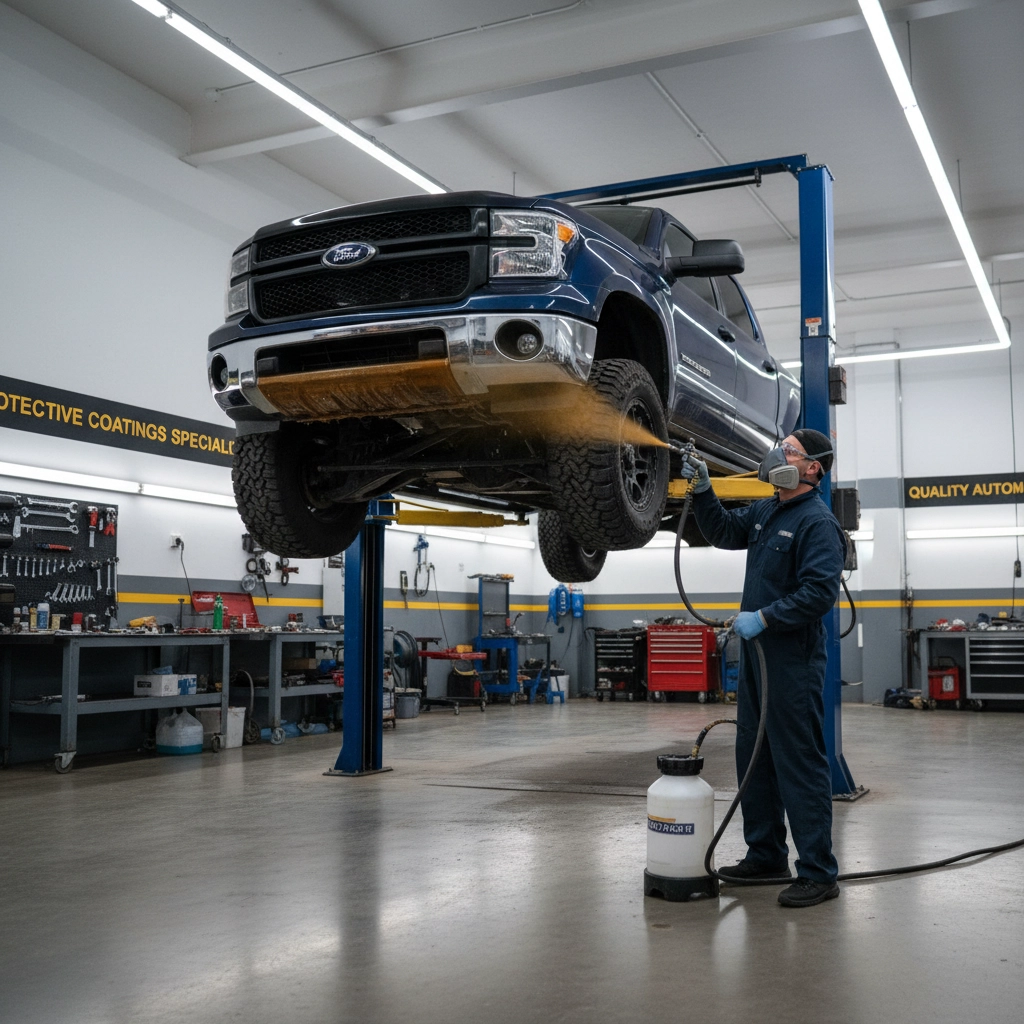
At Rustec, we've moved beyond traditional solutions like Waxoyl to offer our customers the most advanced rust prevention technology available. Our Life Long Dinitrol® treatment system represents the pinnacle of automotive protection, providing comprehensive coverage with professional application standards that ensure maximum longevity.
Our meticulous inspection and preparation process identifies all areas requiring protection, followed by thorough cleaning and precision application of premium-grade Dinitrol products. Every treatment includes photo documentation and comes with our Rustec Guarantee, providing complete peace of mind for your vehicle's protection.
Professional application makes the crucial difference between adequate and exceptional protection. Our certified technicians ensure complete coverage, proper product selection for each application area, and adherence to manufacturer specifications that maximise treatment effectiveness.
Don't compromise your vehicle's protection with outdated solutions. Contact Rustec today to discuss the best rust prevention option for your specific vehicle and usage requirements. Our expert team will provide personalised recommendations based on your vehicle type, age, and operating conditions, ensuring you receive the most effective protection available in 2025.
Submit an enquiry through our website or call our specialist team to arrange a comprehensive vehicle assessment and discover why modern rust prevention technology delivers superior results to traditional alternatives like Waxoyl.
Comments