
Is Lanoguard better than Waxoyl?
When it comes to protecting your vehicle from corrosion, two names consistently dominate the conversation: Lanoguard and Waxoyl. Both products have earned loyal followings among car enthusiasts, classic vehicle owners, and professional garages across the UK. But which one truly delivers superior rust protection?
The answer, as with many things in the automotive world, depends on your specific requirements, budget, and how you intend to apply the product. In this comprehensive guide, we examine both rustproofing solutions in detail, comparing their application methods, costs, finishes, and overall effectiveness to help you make an informed decision.
Understanding the Two Products
Before diving into the comparison, it's essential to understand what each product actually is and how they work to protect your vehicle.
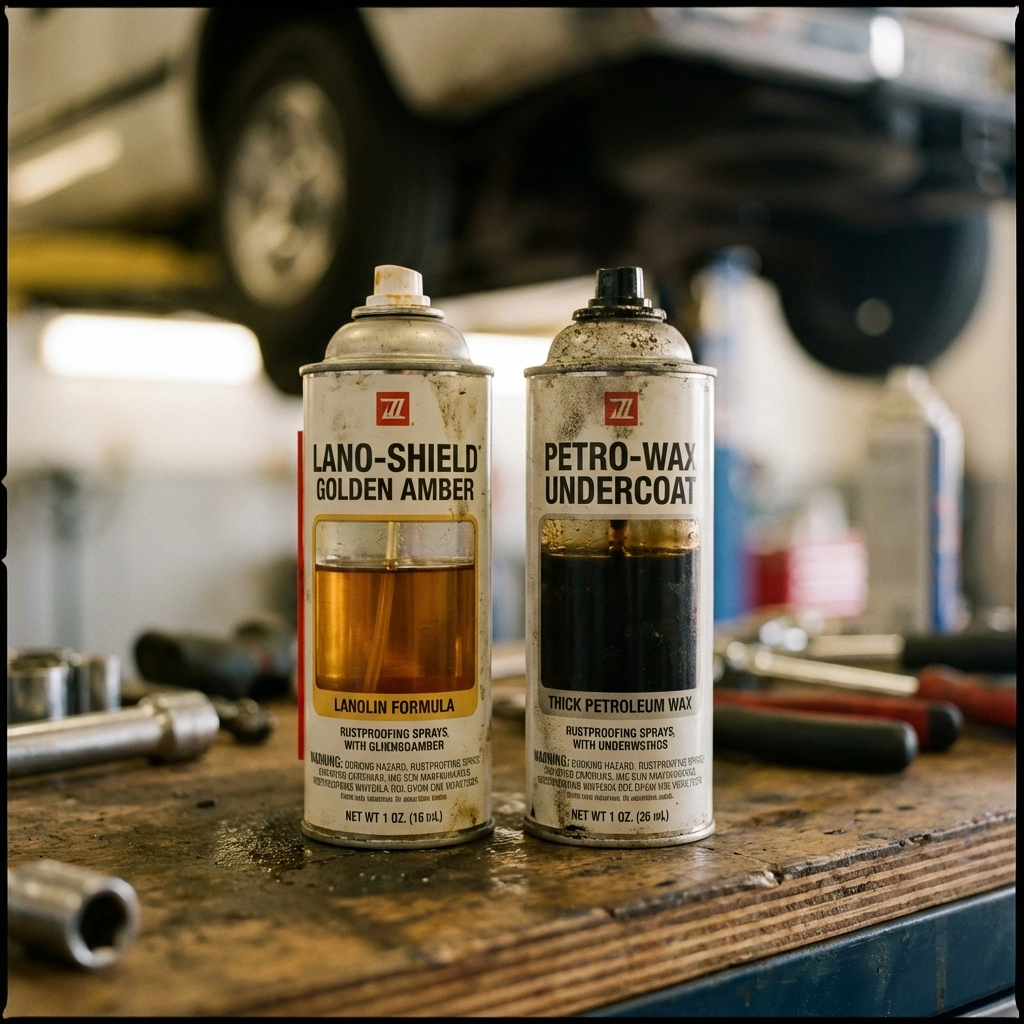
Waxoyl has been a household name in rustproofing for decades. This petroleum-based product creates a thick, waxy barrier that seals metal surfaces from moisture and oxygen: the two key elements required for rust to form. It has been a go-to solution for DIY enthusiasts and garages since the 1970s.
Lanoguard is a lanolin-based rustproofing product that has gained significant popularity in recent years. Derived from sheep's wool oil, lanolin is a natural water-repellent substance that creates a soft, protective film over metal surfaces. This product positions itself as a more modern, user-friendly alternative to traditional petroleum-based solutions.
Ease of Application: A Clear Winner
One of the most significant differences between these two products lies in how easy: or difficult: they are to apply.
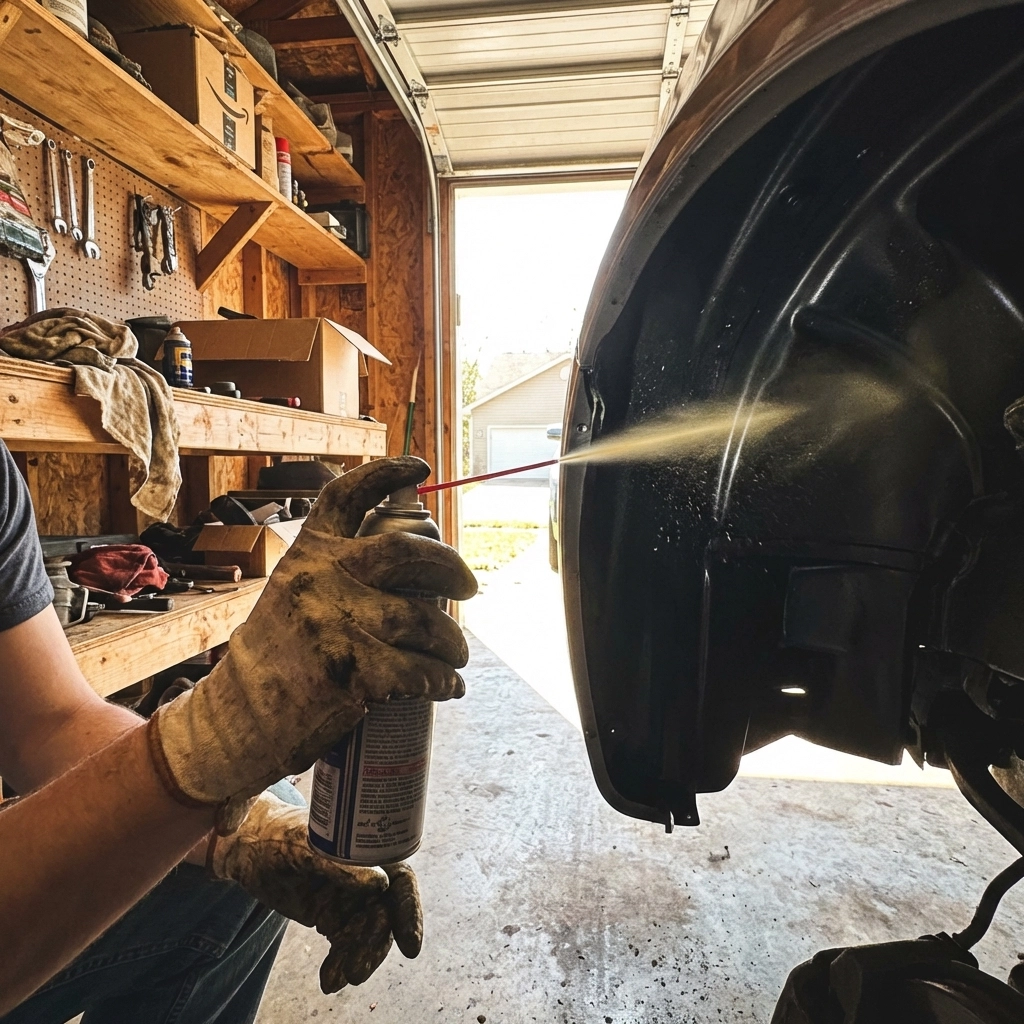
Lanoguard excels in this department. The product features a spray mechanism that delivers a fine, wide spray pattern, allowing you to cover larger areas efficiently. This spray reaches into nooks, crannies, and hard-to-access cavities with minimal effort. No specialist equipment is required, making it particularly appealing for DIY applications. Additionally, touch-ups and reapplication are straightforward, requiring no extensive surface preparation.
Waxoyl, by contrast, presents more challenges during application. The product has a thick, gloopy consistency that many users find cumbersome to work with. Achieving even coverage requires more effort, and the application process can become messy quickly. Many experienced users recommend heating Waxoyl before application to improve flow: a step that adds complexity and time to the process.
For those who value convenience and ease of use, Lanoguard holds a distinct advantage.
Cost Comparison: Budget Considerations
When comparing rustproofing products, cost naturally plays a significant role in the decision-making process.
Waxoyl wins decisively on price. The product typically costs approximately half the price of Lanoguard, making it an attractive option for those working within tighter budgets or treating larger vehicles and fleets.
Lanoguard commands a premium price point. This higher cost reflects its more sophisticated application system and natural lanolin base, but it may prove prohibitive for some vehicle owners: particularly those treating multiple vehicles or large commercial fleets.
However, cost should always be weighed against other factors such as application time, coverage efficiency, and longevity. A cheaper product that requires more frequent reapplication or uses more product per treatment may not deliver the cost savings it initially appears to offer.
Finish and Appearance
The visual and tactile finish of a rustproofing product matters, particularly for those who maintain their vehicles to high standards or work on classic cars where presentation is paramount.
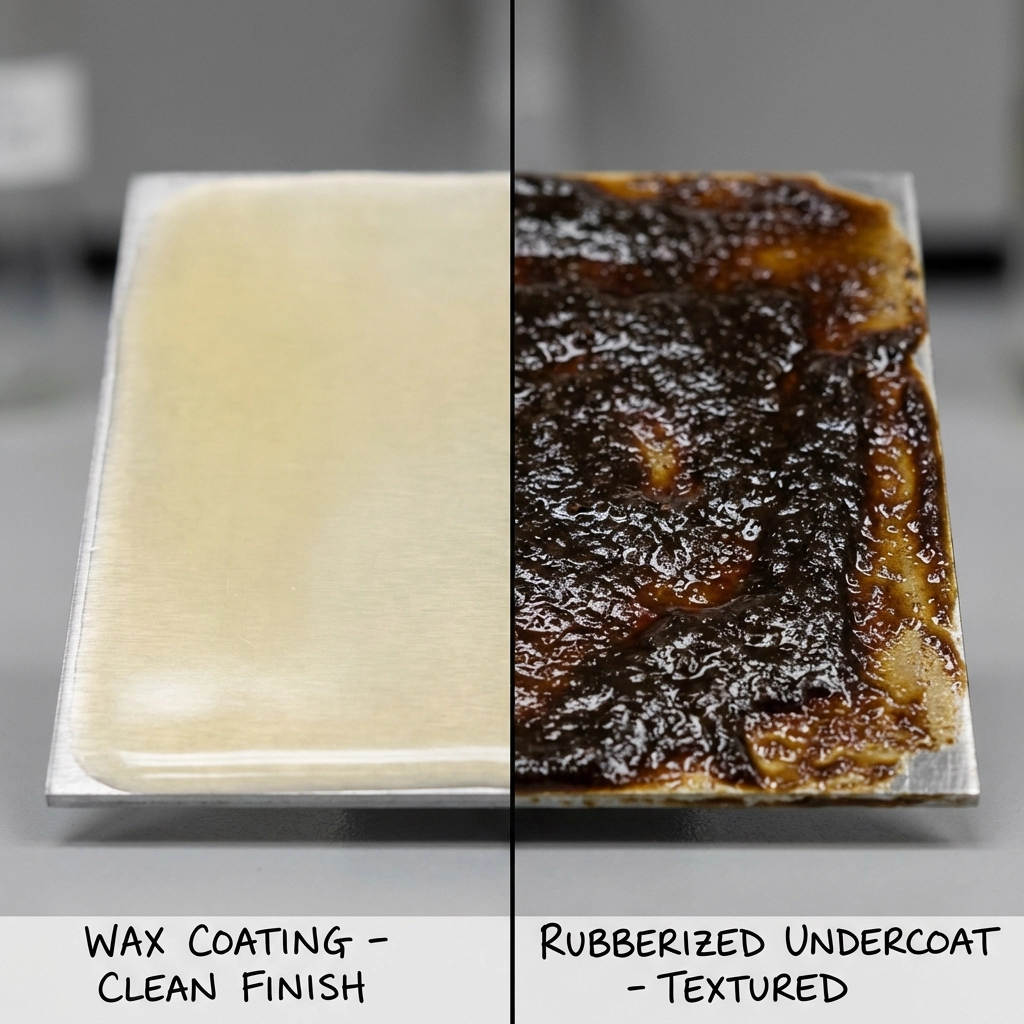
Lanoguard produces a soft, waxy film that remains relatively clean to the touch once cured. Unlike petroleum-based alternatives, it does not leave an excessively oily residue. The product also features a pleasant smell: a notable advantage when working in enclosed spaces or treating interior cavities like door sills and box sections.
Waxoyl creates a thicker, more substantial coating that can appear gooier and may leave visible coloration on treated surfaces. The petroleum-based formula carries a characteristic smell that some find unpleasant, particularly during application and initial curing.
For those treating visible areas or working in enclosed environments, Lanoguard offers a more refined finish and a considerably more pleasant application experience.
Rust Prevention Effectiveness
Ultimately, the most critical factor is how effectively each product prevents rust formation and protects your vehicle's structural integrity.
Both products demonstrate comparable effectiveness when used for rust prevention on clean, rust-free surfaces. They work by creating a barrier that prevents moisture and oxygen from reaching the metal substrate: the fundamental mechanism behind all successful rustproofing treatments.
Where differences emerge is in specific use cases:
Waxoyl appears particularly effective when treating areas with existing rust buildup. Its thicker consistency may provide better penetration into corroded surfaces, offering a degree of treatment alongside protection. When applied hot, Waxoyl flows into cavities and crevices effectively, providing comprehensive coverage.
Lanoguard's lanolin base offers natural water-displacement properties, making it effective at pushing moisture away from metal surfaces. This characteristic proves particularly valuable in UK conditions, where vehicles regularly encounter rain, road spray, and high humidity levels.
Both products require periodic reapplication to maintain protection. While opinions on longevity vary, most users report that treatments last effectively for one to three years, depending on exposure conditions and application thickness.
Which Product Should You Choose?
Based on our analysis, here's our guidance for different scenarios:
Choose Lanoguard If:
Ease of application is your priority
You prefer a cleaner, less messy application process
You're treating areas where smell matters (interior cavities, enclosed spaces)
You want a product that's easy to touch up over time
You're applying rustproofing yourself without specialist equipment
Choose Waxoyl If:
Budget is your primary concern
You're treating large areas or multiple vehicles
You're dealing with surfaces that have existing rust buildup
You have access to heating equipment for optimal application
You're comfortable with a more involved application process
Consider Using Both
Interestingly, many experienced professionals recommend using both products for different purposes within the same vehicle. Lanoguard may be used for cavities, door frames, and areas requiring a cleaner finish, while Waxoyl treats heavy-duty underbody areas where its thicker consistency provides robust protection.
The Professional Alternative: Dinitrol Treatment
While both Lanoguard and Waxoyl offer viable DIY solutions, neither matches the comprehensive protection provided by a professional Dinitrol treatment.
At Rustec, we specialise in premium Dinitrol rustproofing: a system trusted by vehicle manufacturers and professional bodyshops worldwide. Our treatments include:
Comprehensive inspection to identify existing corrosion
Thorough undercarriage steam clean to ensure optimal adhesion
Meticulous application of cavity wax and underbody protection
Photo documentation of all treated areas
Rustec Guarantee for long-term peace of mind
For vehicle owners seeking the highest-quality rust protection without the challenges of DIY application, professional treatment represents the optimal solution. Our 4x4 services and camper services cater specifically to vehicles that face demanding conditions where rust protection is essential.

Making Your Decision
Both Lanoguard and Waxoyl have earned their place in the rustproofing market, and neither product represents a poor choice. Your decision should be guided by your specific priorities:
Prioritise convenience? Choose Lanoguard.
Prioritise cost savings? Choose Waxoyl.
Prioritise comprehensive, professional-grade protection? Contact Rustec for a Dinitrol treatment.
Whatever route you choose, the most important decision is to take action. UK roads, with their combination of salt, grit, moisture, and temperature fluctuations, create perfect conditions for rust formation. Protecting your vehicle proactively ensures your pride and joy remains structurally sound and rust-free for years to come.
If you'd like expert guidance on the best rustproofing approach for your specific vehicle, don't hesitate to get in touch. Our team is always happy to provide advice and help you determine the optimal protection solution for your needs.
Comments