
How to remove old Waxoyl before reapplying
Removing old Waxoyl before reapplication is a crucial step that many vehicle owners overlook, yet it can determine the success of your entire rustproofing treatment. While Waxoyl has served as a trusted underseal solution for decades, there comes a time when the old coating must be completely removed to ensure optimal adhesion and protection from your new treatment.
At Rustec, we regularly encounter vehicles where previous Waxoyl applications have degraded, collected debris, or begun to fail. Understanding when and how to properly remove old Waxoyl is essential for maintaining your vehicle's long-term rust protection and ensuring your investment in rustproofing delivers maximum value.
When Old Waxoyl Needs Complete Removal
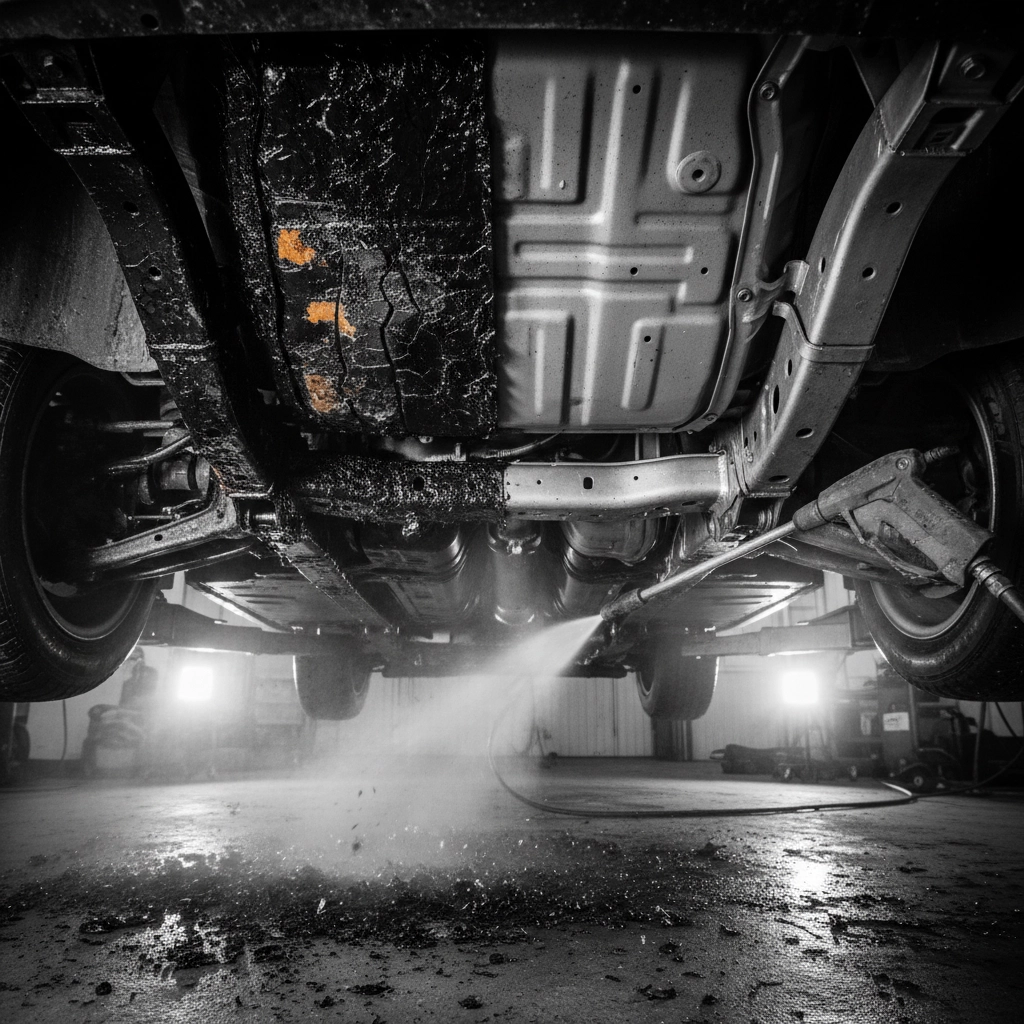
Professional assessment reveals several scenarios where old Waxoyl removal becomes necessary rather than simply applying additional coats. Degraded coating presents the most common issue: after years of exposure to road conditions, Waxoyl can become brittle, crack, or lose its protective properties entirely.
Heavy contamination represents another critical factor. Road salt, mud, and debris can become embedded in the Waxoyl coating, creating abrasive surfaces that can actually accelerate corrosion rather than prevent it. When contamination levels reach this point, complete removal and fresh application becomes the only viable solution.
Incompatibility concerns arise when switching between different underseal products. While some treatments can be applied over existing coatings, others require clean metal surfaces for proper adhesion. Professional rustproofing services often recommend complete removal when transitioning from Waxoyl to modern alternatives like Dinitrol or Lanoguard systems.
Essential Tools and Materials for Effective Removal
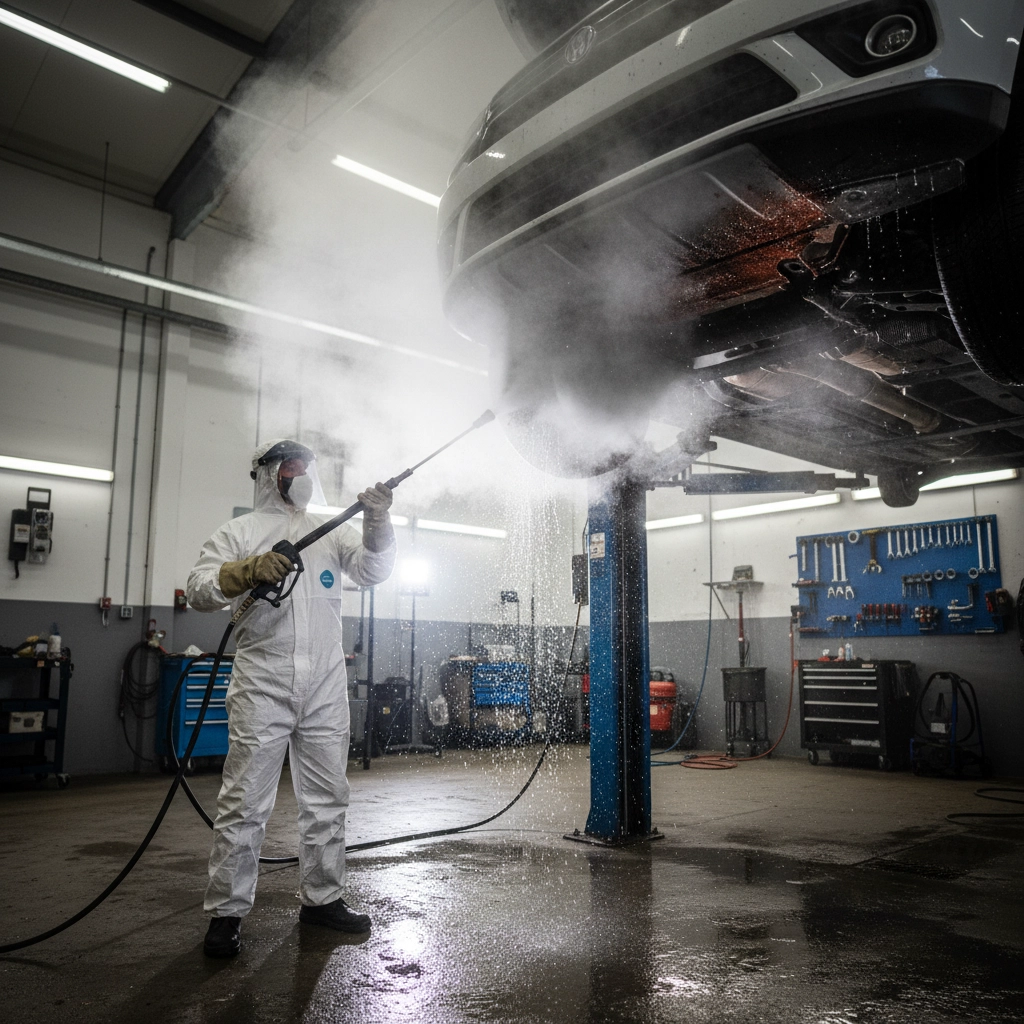
Successful Waxoyl removal requires proper equipment and materials to ensure thorough cleaning without damaging underlying metal surfaces. Steam cleaning equipment represents the most effective primary tool for large-scale removal projects.
Professional-grade steam cleaners, available from most equipment hire shops, provide the heat and pressure necessary to soften and lift Waxoyl coatings. The high-temperature steam penetrates the coating while minimizing chemical usage and environmental impact.
Chemical removal agents play a crucial supporting role in the removal process. Transit wax removers and dedicated degreasing solutions break down the molecular bonds in Waxoyl, making mechanical removal significantly easier. These products work best when allowed proper dwell time to penetrate the coating thoroughly.
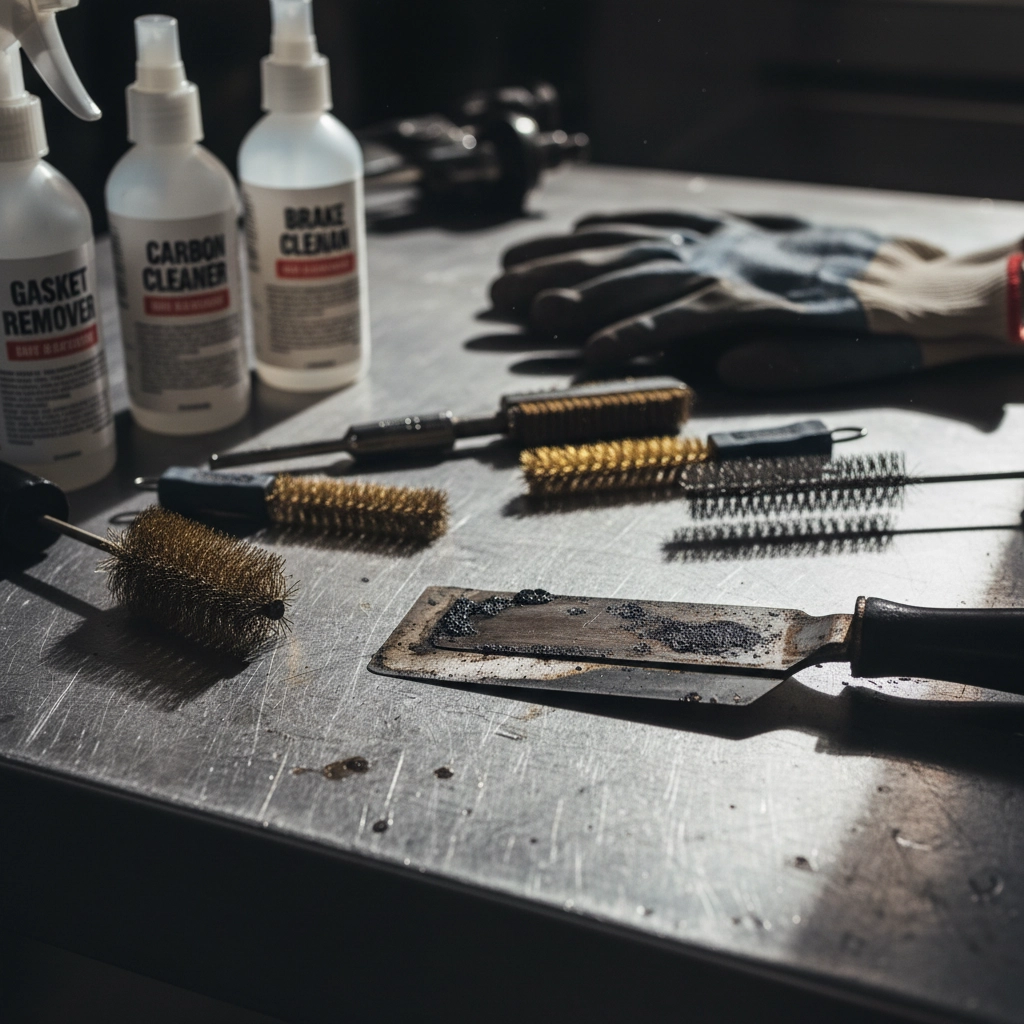
Manual removal tools become necessary for areas where steam cleaning proves insufficient. Quality scrapers, wire brushes, and abrasive pads enable targeted removal in tight spaces and heavily contaminated areas. Professional operators typically maintain a comprehensive toolkit including various blade angles and stiffness levels.
Professional Steam Cleaning Method
The most effective removal technique combines steam cleaning with chemical treatment in a systematic approach that ensures complete coating removal. Initial preparation involves lifting the vehicle and removing wheels to provide full access to treated areas.
Professional steam cleaning begins with thorough coverage of all Waxoyl-coated surfaces. The high-pressure steam application should be methodical, working section by section to ensure consistent heat penetration. Temperature and pressure settings must be carefully controlled to avoid damage to rubber components, electrical connections, or thin metal sections.
Following initial steam treatment, drying periods of at least one hour allow residual moisture to evaporate while keeping the coating in a softened state. This timing proves critical: premature chemical application reduces effectiveness, while excessive drying allows the coating to re-harden.
Chemical application involves generous coverage with transit wax remover or equivalent degreasing agents. Professional applications allow 15-20 minutes for chemical penetration, ensuring the removal agent reaches all coating layers. The combination of prior steam softening and chemical breakdown creates optimal conditions for final removal.
Manual Removal Techniques and Best Practices
When steam cleaning equipment is unavailable or insufficient, manual removal becomes the primary method for old Waxoyl elimination. Systematic approach proves essential for manual removal: working in manageable sections prevents fatigue while ensuring consistent results throughout the treatment area.
Scraping technique requires careful attention to blade angle and pressure application. Shallow angles and consistent pressure minimize metal surface damage while maximizing coating removal efficiency. Professional operators typically work in overlapping passes, gradually reducing coating thickness rather than attempting single-pass removal.
Safety considerations during manual removal cannot be overstated. The process generates significant debris, including potentially harmful particles and chemical residues. Proper ventilation in work areas prevents accumulation of airborne contaminants, while eye protection guards against debris impact.
Time allocation represents a critical factor in manual removal success. Depending on coating thickness and vehicle size, manual removal can require weeks of dedicated work. Professional assessment helps establish realistic timeframes and prevent project abandonment due to underestimated complexity.
Chemical Removal Solutions and Safety Protocols
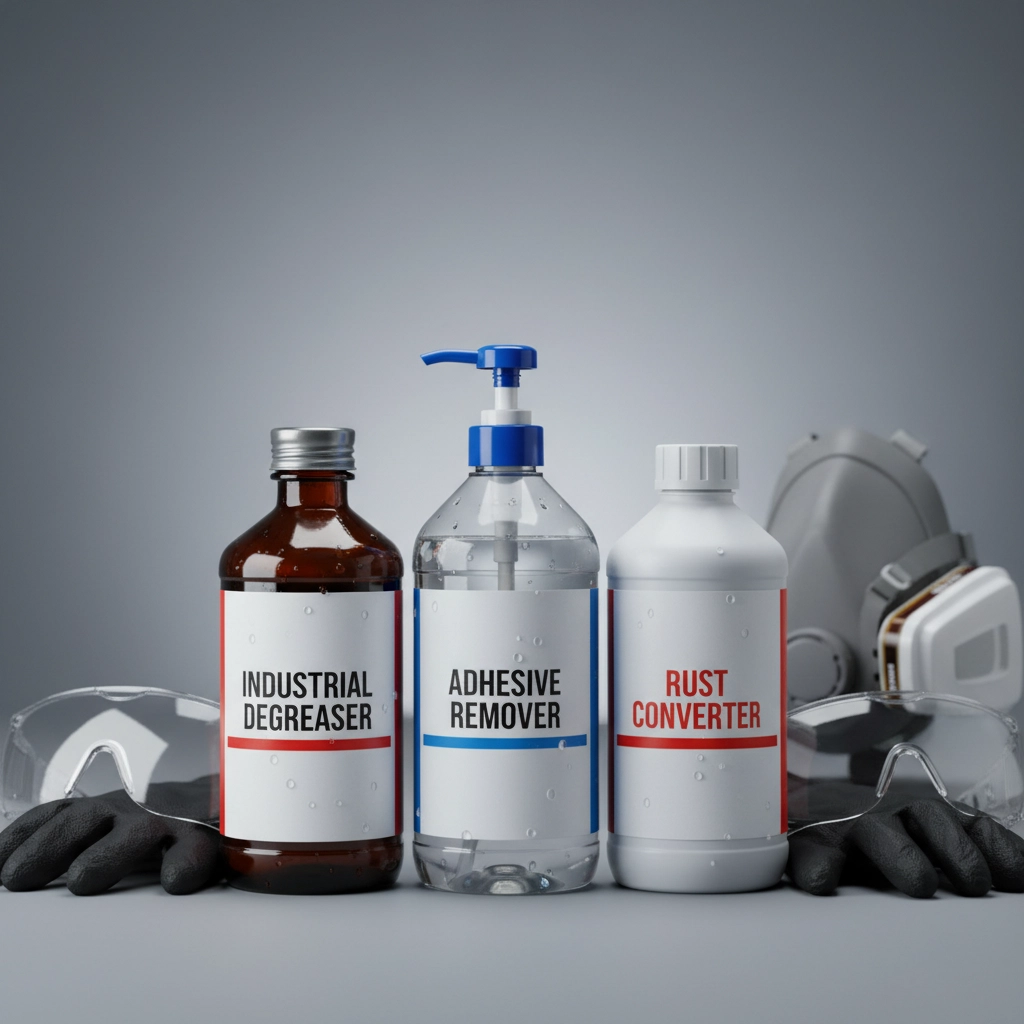
Modern chemical removal solutions offer enhanced effectiveness compared to traditional mechanical methods, particularly when used as part of integrated removal strategies. Professional-grade degreasers specifically formulated for automotive applications provide superior penetration while maintaining compatibility with vehicle components.
Application methodology significantly impacts chemical removal success. Proper coverage requires systematic spraying or brushing, ensuring complete coating contact without wasteful overapplication. Contact time varies by product and coating thickness: manufacturers' recommendations provide starting points, but field conditions often require adjusted timing.
Safety protocols during chemical removal demand particular attention due to potentially harmful vapors and skin contact risks. Personal protective equipment including chemical-resistant gloves, eye protection, and respiratory equipment should be considered standard rather than optional.
Environmental considerations influence both product selection and disposal methods. Many modern removal products offer biodegradable formulations that reduce environmental impact without compromising effectiveness. Proper waste disposal ensures compliance with local regulations while demonstrating responsible automotive care practices.
Professional vs DIY Removal Considerations
The decision between professional removal services and DIY approaches involves multiple factors beyond simple cost comparison. Equipment requirements for effective removal often exceed typical home workshop capabilities, particularly regarding steam cleaning equipment and proper ventilation systems.
Time investment represents a significant factor in the professional vs DIY equation. While DIY removal can save immediate costs, the time required for thorough removal often makes professional services more cost-effective when hourly value calculations are considered.
Quality assurance through professional services includes comprehensive inspection protocols that identify potential issues before they become costly problems. Professional operators possess the experience to recognize when removal is complete and surfaces are properly prepared for new treatments.
Warranty considerations often favor professional removal services, as many rustproofing warranties require professional surface preparation to maintain coverage validity. Understanding warranty implications before beginning removal ensures continued protection coverage.
Surface Preparation for Optimal Reapplication
Complete Waxoyl removal represents only the first step toward successful rustproofing renewal. Surface inspection following removal reveals the true condition of underlying metal surfaces and identifies areas requiring repair before new treatment application.
Cleaning protocols ensure removal of all chemical residues and debris that could interfere with new coating adhesion. Professional-grade degreasers followed by clean water rinsing remove chemical residues while preparing surfaces for optimal treatment bonding.
Rust treatment of any discovered corrosion proves essential before new rustproofing application. Surface conversion treatments neutralize existing rust while providing improved adhesion surfaces for subsequent coatings.
Timing considerations between removal and reapplication minimize exposure periods that could allow new corrosion formation. Professional scheduling coordinates removal and reapplication to minimize bare metal exposure while ensuring proper surface preparation.
Professional Rustproofing Solutions at Rustec
At Rustec, our comprehensive approach to Waxoyl removal and surface preparation ensures optimal results from your rustproofing investment. Our experienced technicians utilise professional-grade equipment and proven methodologies to deliver complete coating removal while protecting your vehicle's integrity.
Our systematic removal process begins with thorough vehicle assessment to determine the most appropriate removal method for your specific situation. Whether requiring steam cleaning, chemical treatment, or combined approaches, our team possesses the expertise and equipment necessary for complete removal success.
Following removal, our surface preparation protocols ensure optimal conditions for your chosen rustproofing system. From traditional treatments to modern Dinitrol applications, proper surface preparation forms the foundation of our comprehensive rustproofing guarantee.
Professional consultation helps you understand the best timing for removal and reapplication based on your vehicle's condition, usage patterns, and environmental exposure. Our transparent approach ensures you receive honest assessments and recommendations tailored to your specific requirements.
For vehicles requiring Waxoyl removal and professional rustproofing renewal, contact Rustec to discuss your specific requirements. Our experienced team provides comprehensive consultations and detailed quotations that outline all aspects of your rustproofing project, ensuring complete transparency and optimal results for your vehicle's long-term protection.
Comments