
How to check your car for rust at home
Rust is one of the most destructive forces threatening your vehicle's structural integrity and resale value. While professional inspections provide the most thorough assessment, conducting regular home inspections can help you identify early warning signs before they become costly repairs. This comprehensive guide will equip you with the knowledge and techniques needed to spot rust formation in its earliest stages.
Essential Tools for Your Home Rust Inspection
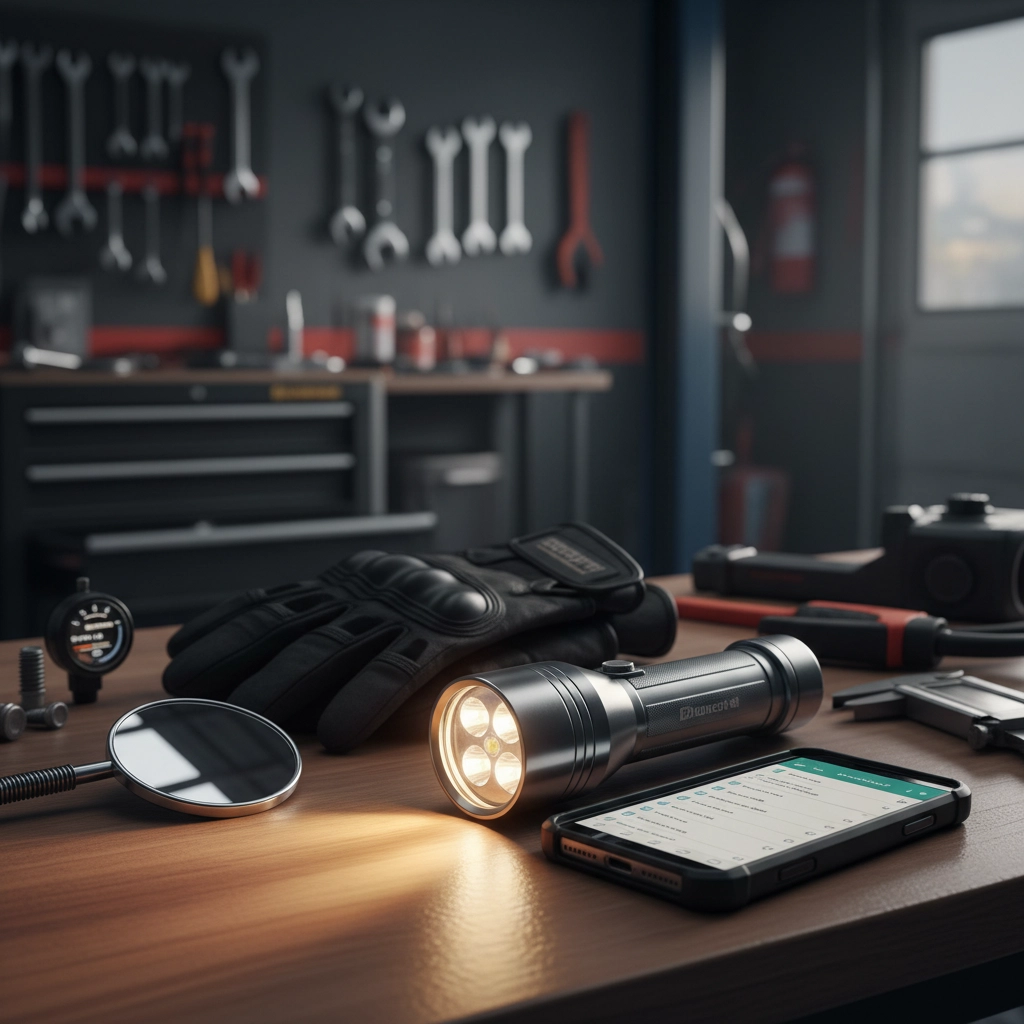
Before beginning your inspection, gather the necessary equipment to ensure a thorough examination. You'll need a high-powered torch or LED flashlight to illuminate dark areas beneath your vehicle. A small mirror can help you inspect hard-to-reach corners and crevices. Work gloves protect your hands from sharp edges and dirt, while a creeper or old blanket makes lying under your vehicle more comfortable.
Consider having a camera or smartphone ready to document any suspicious areas for future reference or professional consultation. A small brush or cloth can help remove dirt and debris that might obscure rust spots during your inspection.
Visual Inspection: Reading the Warning Signs
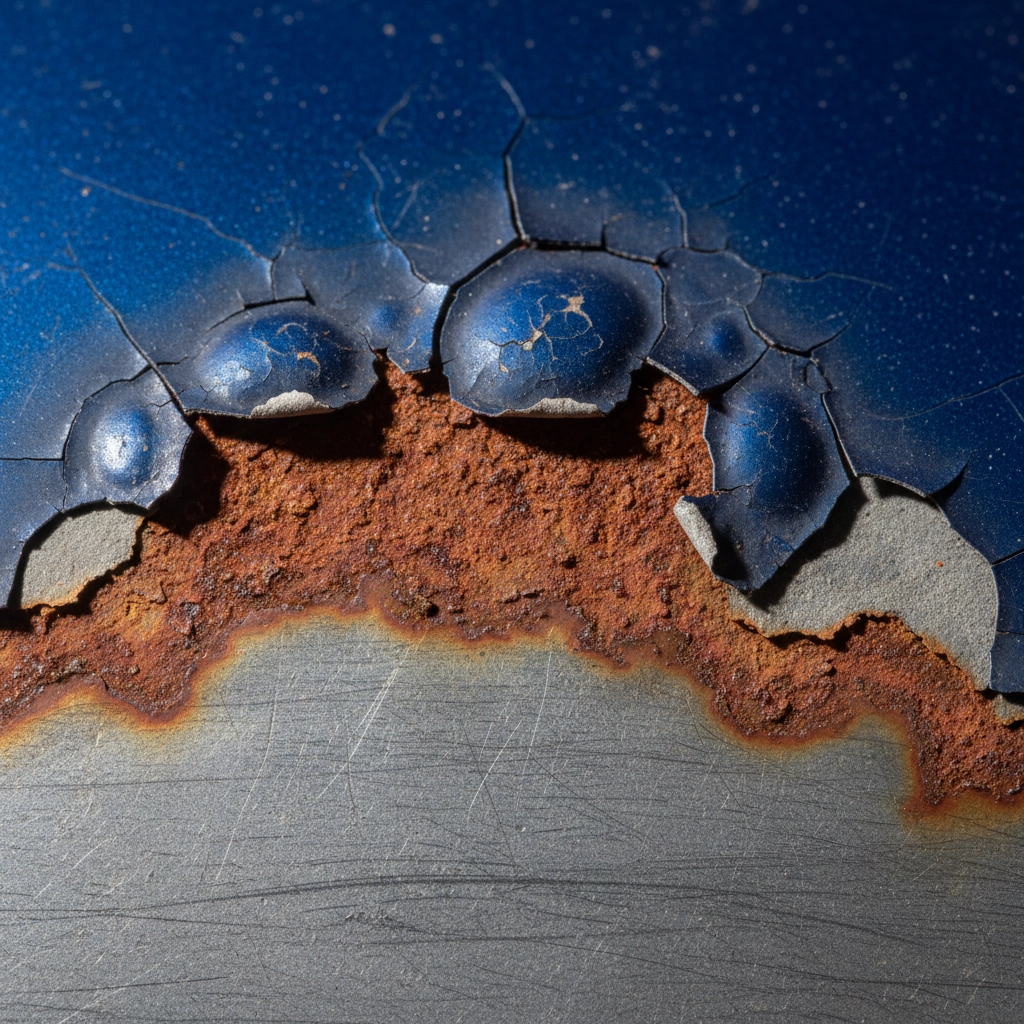
Begin your inspection with a comprehensive visual examination of your vehicle's exterior surfaces. Bubbling or blistering paint represents one of the most reliable indicators of rust formation beneath the surface. These bubbles occur when rust pushes upward against the paint, creating distinctive raised areas that feel soft when pressed gently.
Discoloration appears as brown, orange, or reddish stains that seep through the paint or appear along panel edges. Rough or pitted surfaces indicate where rust has already begun eating through the metal. Pay particular attention to areas where paint has been chipped or scratched down to bare metal, as these locations provide direct pathways for moisture and oxygen to reach the steel substrate.
Streaking or staining below specific areas often indicates rust formation above, with rust particles washing down during rain. This commonly appears below door handles, trim pieces, or anywhere water might collect and drain.
Critical Areas Requiring Special Attention
Wheel Wells and Arches
Wheel wells represent the most vulnerable area on most vehicles, particularly older models without protective arch liners. Inspect both the visible outer surfaces and the hidden inner areas where road debris, salt, and moisture accumulate. Look for perforation holes, cracked or flaking paint, and brown staining around the wheel well edges.
Run your hands along the wheel well surfaces, feeling for rough patches or soft spots that might indicate metal degradation. Pay special attention to the rear wheel wells, where rust commonly begins above the wheels and spreads outward.
Door Edges and Drainage Points
Examine the bottom edges of all doors, including the driver's, passenger's, and rear doors. Rust frequently develops along these edges where water collects and drainage becomes compromised. Lift the rubber weather stripping carefully to inspect the metal surfaces beneath, as rust often hides in these concealed areas.
Check the door hinges and mounting points for discoloration or surface irregularities. Door jambs require careful inspection, particularly where the door meets the body frame. Look for rust staining or bubbling paint around door handles and lock mechanisms.
Frame Rails and Structural Components
Frame rails running beneath your vehicle's doors on both sides deserve thorough examination, as these structural components bear significant load and stress. Use your torch to illuminate these areas, looking for surface scaling, perforation holes, or significant discoloration.
Rocker panels along the vehicle's sides, particularly near the bottom, commonly develop rust due to road debris impact and moisture retention. Inspect these panels for soft spots, holes, or bubbling paint that might indicate internal rust formation.
Exhaust System Components
The exhaust system presents unique rust challenges due to extreme temperature variations and internal moisture accumulation. Examine the tailpipe, muffler, and visible exhaust components for surface rust, holes, or structural weakness. Gentle tapping with a small tool can reveal areas where rust has thinned the metal significantly.
Look for white or brown staining around exhaust joints and mounting points, which often indicates rust formation or exhaust gas leakage through corroded areas.
Undercarriage Inspection Techniques
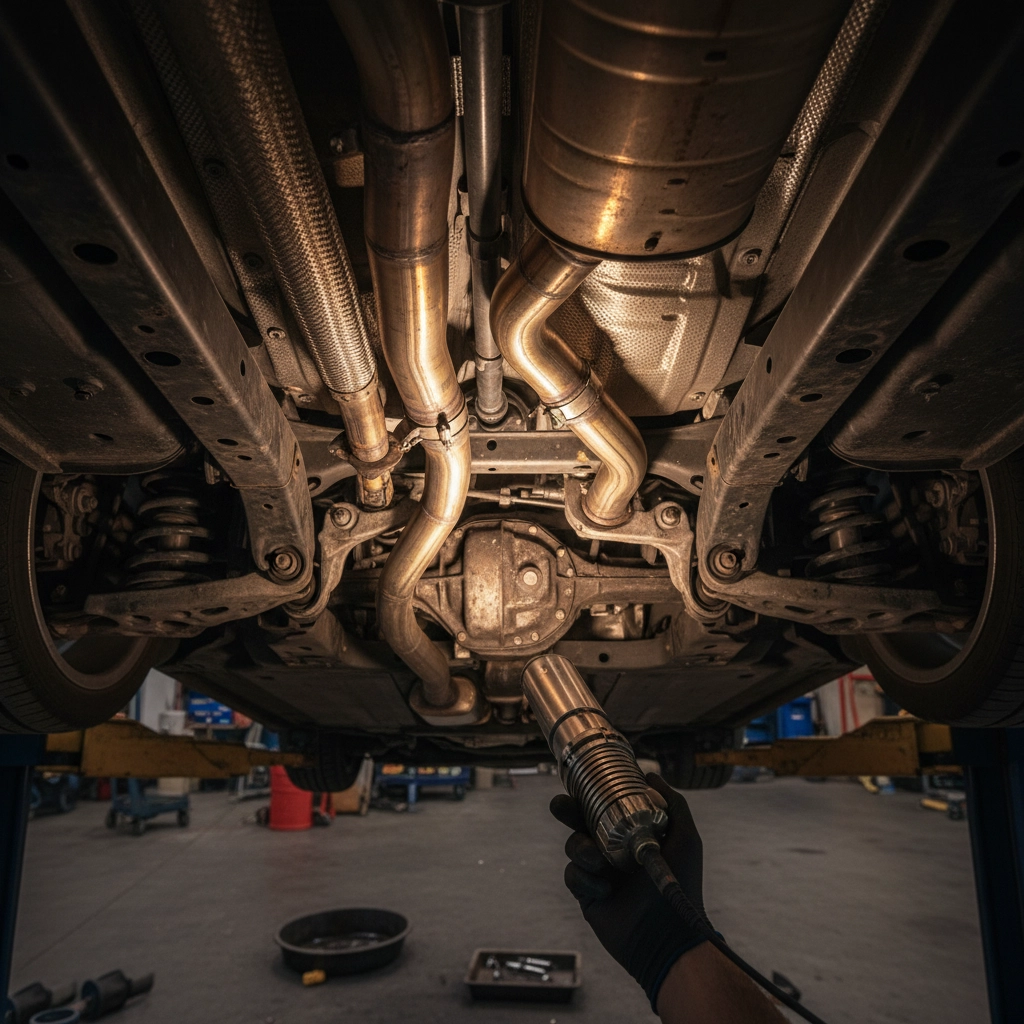
Inspecting your vehicle's undercarriage requires proper lifting equipment or access to a pit or ramp. If professional lifting equipment isn't available, carefully jack up one end of the vehicle while ensuring proper safety procedures and stable support stands.
Systematically examine all visible metal surfaces beneath your vehicle, paying particular attention to cross-members, suspension mounting points, and brake line mounting areas. Look for flaking rust, perforation holes, or areas where protective coatings have failed.
Fuel lines, brake lines, and electrical components mounted beneath the vehicle require careful inspection for rust damage that might compromise their function or safety. Any structural component showing significant rust development warrants immediate professional assessment.
Hidden Rust: Interior and Concealed Areas
Rust doesn't limit itself to visible exterior surfaces. Remove the trunk carpeting to inspect the metal floor beneath for signs of perforation or surface rust. Water damage from floods or persistent leaks often manifests as rust in these concealed areas.
Interior door panels sometimes conceal rust formation, particularly in older vehicles. If you notice musty odors or water stains inside the vehicle, investigate further for potential rust development in structural areas.
Battery mounting areas frequently develop rust due to acid exposure and moisture retention. Inspect these areas regularly, as rust here can compromise the battery's secure mounting and potentially create safety hazards.
Understanding Rust Severity Levels
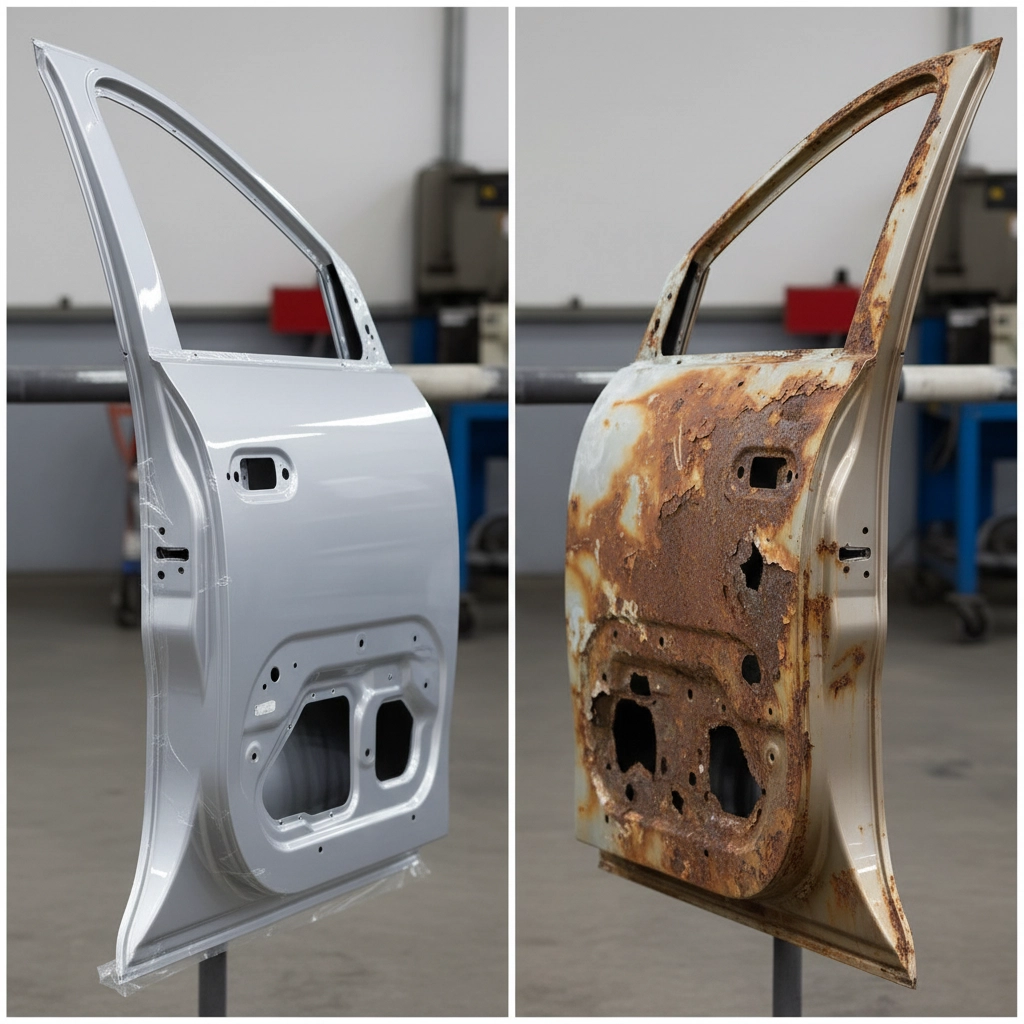
Not all rust presents the same level of concern or urgency. Surface rust appears as light discoloration or slight roughness and can often be addressed with proper treatment before spreading. Scale rust involves visible flaking and represents more advanced corrosion requiring prompt attention.
Penetrating rust creates actual holes through the metal and indicates structural compromise requiring immediate professional intervention. Any rust affecting safety-critical components like suspension mounting points, brake components, or structural frame members demands immediate professional assessment.
When Professional Inspection Becomes Essential
While home inspections provide valuable early detection capabilities, certain situations require professional expertise. Suspected structural rust, extensive corrosion, or rust affecting safety systems should always receive professional evaluation.
If you discover rust but feel uncertain about its severity or appropriate treatment methods, professional inspection provides peace of mind and expert guidance. Complex rust patterns or rust in hard-to-access areas often require professional tools and experience for proper assessment.
Documenting Your Findings
Maintain detailed records of your rust inspections, including photographs and written descriptions of any areas of concern. Date-stamped documentation helps track rust progression and provides valuable information for insurance claims or warranty discussions.
Regular inspection scheduling every three to six months allows early detection and prevention of serious rust development. Seasonal inspections following winter months prove particularly valuable due to increased road salt exposure.
Professional Validation and Next Steps
Even the most thorough home inspection cannot replace professional expertise and specialized equipment. If your inspection reveals any concerning areas or if you simply want peace of mind about your vehicle's condition, professional rust inspection provides comprehensive assessment and treatment recommendations.
Rustec's comprehensive free inspection service utilizes advanced techniques and professional experience to identify rust formation in its earliest stages. Our certified technicians can assess your findings, provide expert recommendations, and develop customized protection strategies to preserve your vehicle's value and structural integrity.
Don't wait for rust to compromise your vehicle's safety or value. Contact Rustec today to schedule your complimentary professional rust inspection and discover how our premium rustproofing treatments can protect your investment for years to come. Book your free inspection and take the first step toward comprehensive rust protection.
Comments