
How long does it take for rust to form on a new car?
If you've recently purchased a brand-new vehicle, you might assume rust formation is years away. However, the reality of rust development on new cars is more complex than many owners realise. Understanding the timeline and factors involved in rust formation is crucial for maintaining your vehicle's longevity and value.
The simple answer is that rust formation on new cars doesn't follow a fixed timeline. Instead, the speed at which rust develops depends entirely on environmental conditions, vehicle usage, and the protective measures already in place. While modern vehicles benefit from advanced protective coatings, certain conditions can accelerate rust formation from months to mere weeks after purchase.
Understanding the Rust Formation Process
Rust formation requires three basic elements: iron (present in steel), oxygen, and moisture. When these combine, oxidation occurs, leading to the corrosive process we know as rust. On new vehicles, this process typically begins in areas where the protective coating has been compromised or where moisture can accumulate.
Flash rust can develop within hours under certain conditions, particularly after processes like pressure washing or in environments with high humidity and salt exposure. However, this initial surface oxidation differs significantly from the structural rust that poses serious concerns for vehicle integrity.
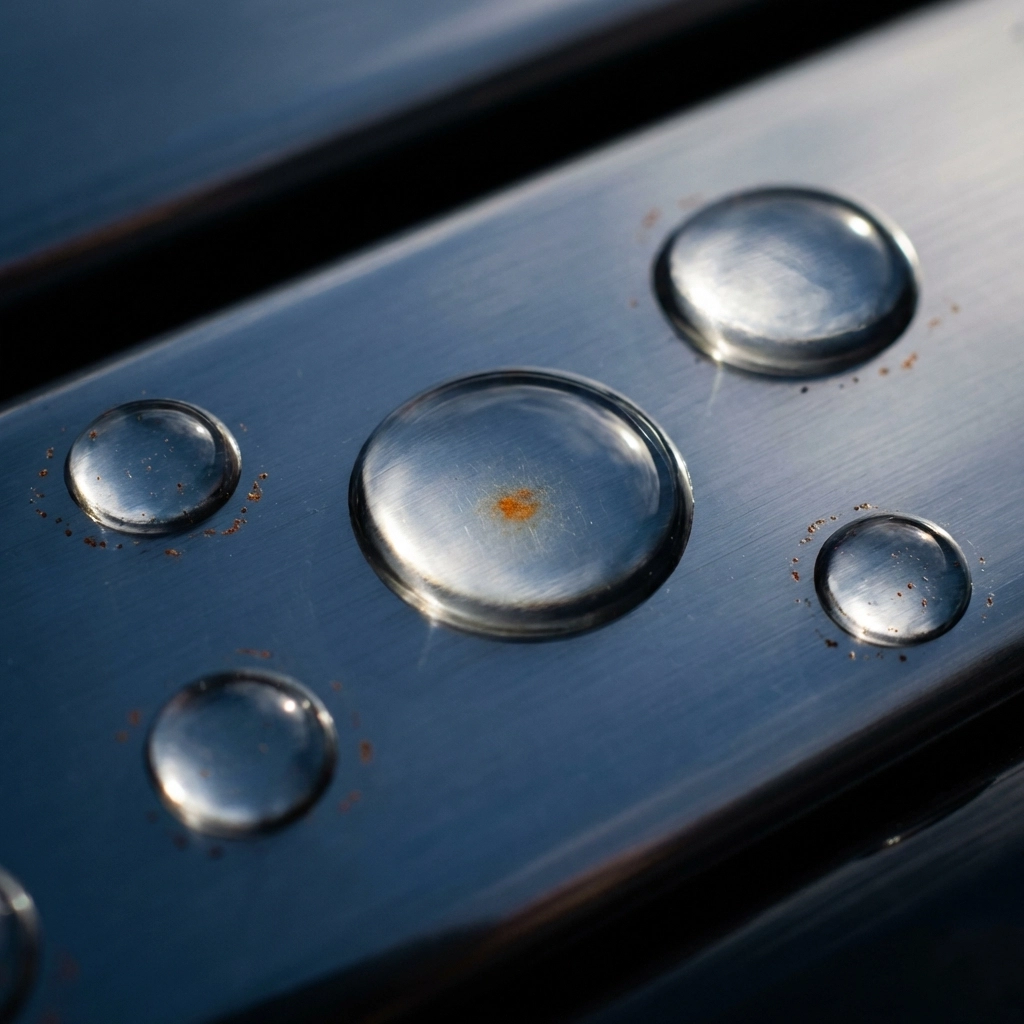
Modern vehicles incorporate galvanised steel construction, which provides substantial protection against corrosion. Galvanised steel can resist rust formation for up to 70 years under normal conditions, representing a significant advancement over older vehicle manufacturing techniques. Additionally, contemporary paint systems include multiple protective layers designed specifically for rust prevention.
Environmental Factors That Accelerate Rust Formation
The environment in which you drive and store your vehicle plays the most critical role in determining rust formation speed. Understanding these factors helps you assess your vehicle's risk level and take appropriate preventive measures.
Coastal and High-Salt Environments
Hot, humid, salty air represents the worst possible conditions for rust prevention. Vehicles operated near coastal areas face accelerated corrosion due to salt particles in the air that settle on metal surfaces. This saltwater exposure can reduce the time for visible rust formation from years to months, particularly in areas where protective coatings have been damaged.
Winter Road Salt Exposure
In the UK, winter road salt application creates challenging conditions for vehicle preservation. Road salt accelerates corrosion processes even in below-freezing temperatures, making regular removal essential for rust prevention. Vehicles exposed to heavy road salt applications without proper cleaning can show rust signs within a single winter season.
High Humidity Conditions
Persistent high humidity increases moisture exposure, providing the water component necessary for rust formation. Combined with temperature fluctuations, high humidity environments can accelerate the oxidation process significantly compared to dry climates.
Timeline Expectations for Different Scenarios
New Car Under Normal Conditions
For a new vehicle driven in moderate UK conditions with regular maintenance, visible rust formation typically doesn't occur for several years. The combination of galvanised steel construction, modern protective coatings, and reasonable environmental conditions provides substantial protection.
However, iron deposits from shipping and transport can oxidize relatively quickly if not properly removed. These deposits, often invisible to the naked eye, can create rust spots within weeks of vehicle delivery if environmental conditions are suitable.
High-Risk Environments
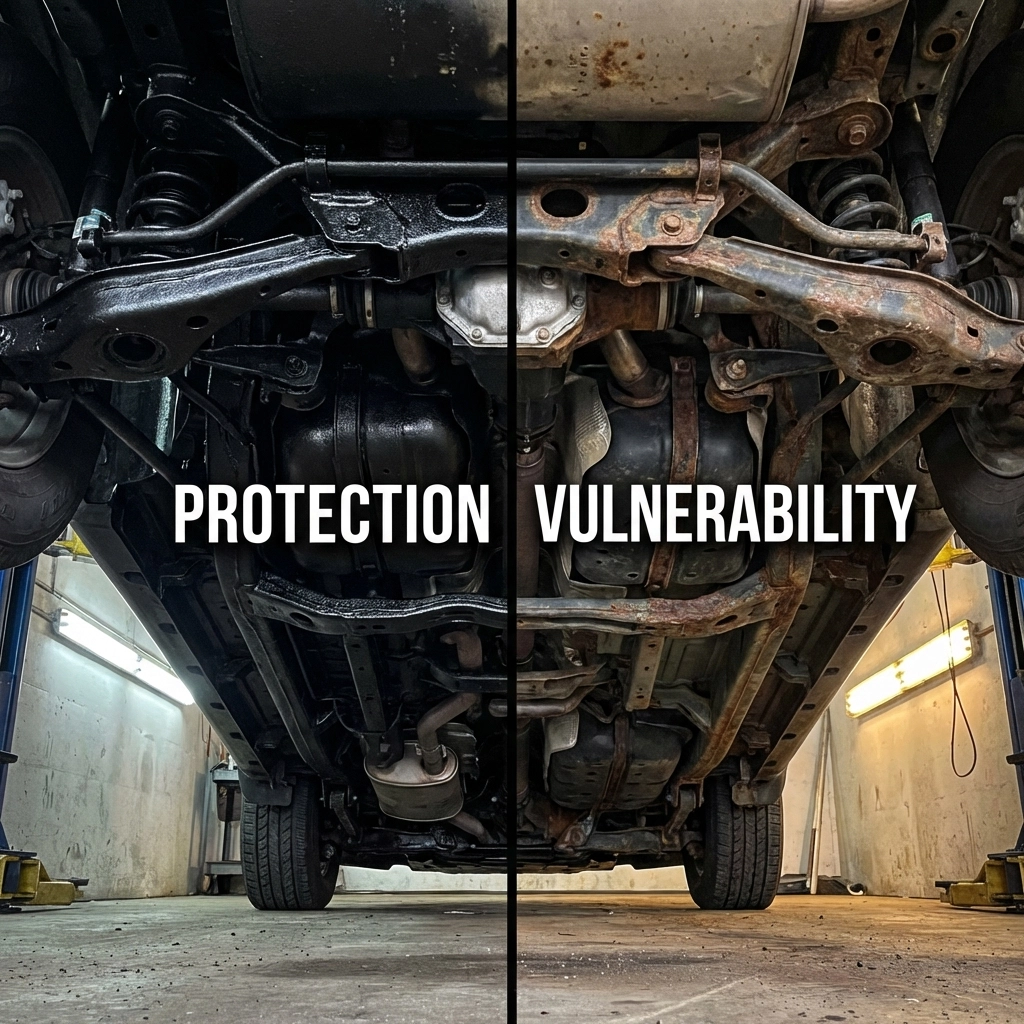
Vehicles operating in high-salt environments or areas with severe weather conditions face dramatically different timelines. Under these conditions, rust formation can begin within months, particularly in vulnerable areas such as:
Wheel wells and undercarriage components
Door frames and sill areas
Areas around trim and body panel joints
Exhaust system components
Commercial and Heavy-Use Vehicles
Commercial vehicles, vans, and frequently used personal vehicles face increased rust risks due to higher exposure levels. The combination of frequent washing, road debris impact, and extended environmental exposure can reduce protective coating effectiveness more rapidly than standard passenger car usage.
Vulnerable Areas on New Vehicles
Even with modern protective systems, certain areas remain more susceptible to rust formation:
Wheel Arches and Undercarriage: These areas face direct exposure to road salt, debris, and moisture without the benefit of regular cleaning attention.
Panel Joints and Seams: Manufacturing joints can create areas where moisture accumulates and protective coatings may be thinner.
Scratch and Impact Points: Any damage to protective coatings creates immediate vulnerability points where rust formation can begin rapidly.

Professional Rust Prevention Strategies
Understanding rust formation timelines highlights the importance of proactive protection measures. Professional rustproofing treatments provide comprehensive protection that extends far beyond factory-applied coatings.
Cavity Wax Applications
Professional cavity wax treatments protect internal panel structures that factory coatings cannot reach effectively. These treatments provide long-term protection in areas where moisture accumulation poses the highest risk.
Comprehensive Undercarriage Protection
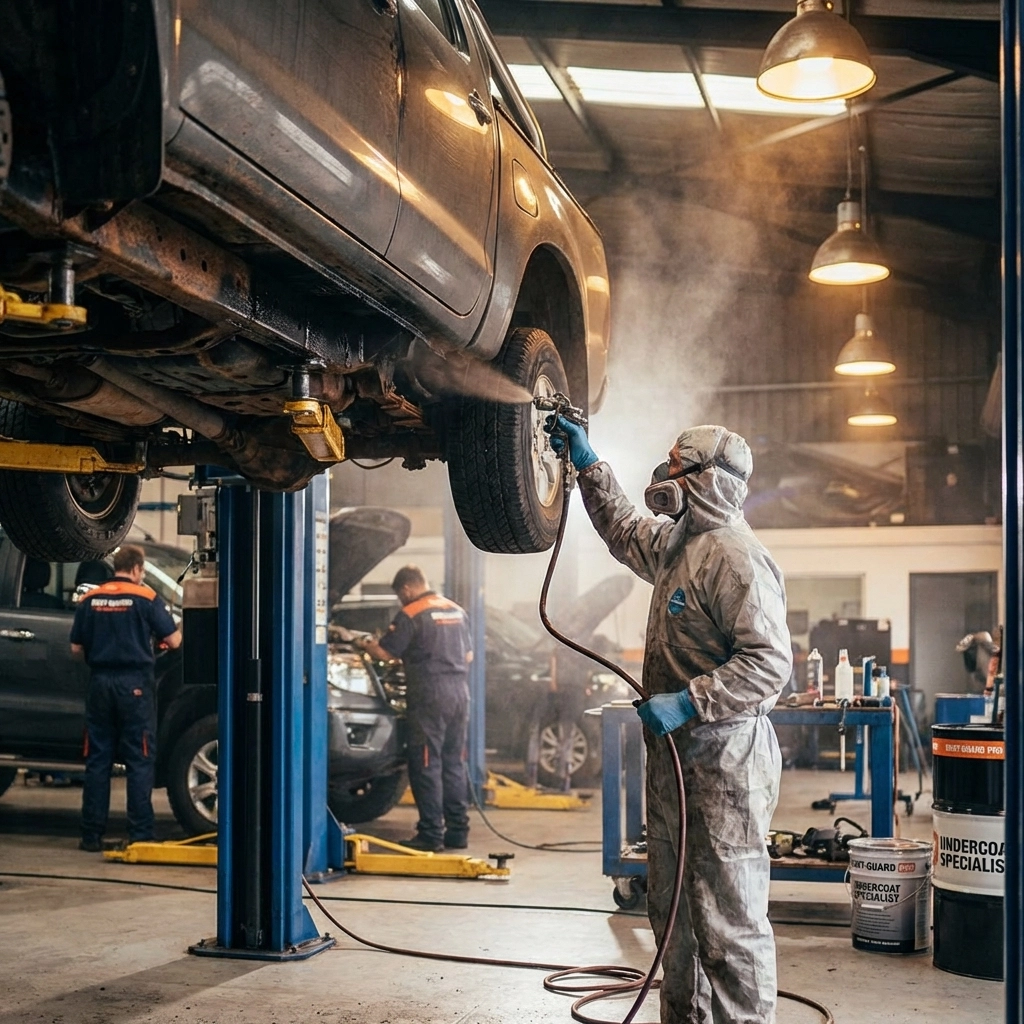
Professional undercarriage treatments create robust barriers against road salt, moisture, and debris impact. These treatments typically last multiple years and provide protection levels that factory coatings alone cannot match.
Regular Maintenance Programmes
Professional rustproofing services often include maintenance programmes that ensure continued protection effectiveness. Regular inspections and touch-up treatments maintain protective barriers before rust formation can begin.
Prevention Measures for New Car Owners
Implementing proper prevention measures from the beginning of vehicle ownership provides the most effective rust protection strategy.
Regular Washing: Remove road salt and accumulated moisture through consistent washing, paying particular attention to undercarriage areas.
Wax Application: Quality wax coatings provide additional moisture barriers and help preserve factory protective systems.
Covered Storage: Store vehicles in dry, covered areas when possible to minimise environmental exposure.
Prompt Damage Repair: Address scratches, dents, and paint damage immediately to prevent moisture penetration and rust formation.
When to Consider Professional Rustproofing
New car owners should consider professional rustproofing immediately after purchase, particularly if:
The vehicle will operate in high-salt environments
Regular coastal or winter driving is expected
Long-term ownership is planned
Maximum resale value preservation is desired
Professional treatments applied to new vehicles provide the most comprehensive protection because they work in conjunction with factory coatings rather than attempting to remedy existing rust damage.
The Investment in Long-Term Protection
While new cars benefit from modern protective technologies, environmental factors can significantly accelerate rust formation timelines. The question isn't whether rust will eventually form, but rather how quickly it will develop and how extensively it will spread.
Professional rustproofing represents a proactive investment in vehicle longevity and value preservation. By understanding rust formation factors and implementing comprehensive protection strategies early in vehicle ownership, you ensure your investment remains protected throughout its operational life.
For new car owners serious about long-term vehicle protection, professional consultation provides personalised assessment and treatment recommendations based on specific usage patterns and environmental conditions. The cost of prevention invariably proves more economical than the expense of rust remediation or premature vehicle replacement.
Contact Rustec today to discuss comprehensive rustproofing solutions tailored to your new vehicle's specific protection requirements. Our expert team provides thorough assessment and premium treatment options designed to preserve your investment for years to come.

Comments