
How do I protect my work van from rust?
Work vans face some of the harshest conditions on UK roads. From constant exposure to road salt and grit to heavy loading and unloading that can damage protective coatings, commercial vehicles are particularly vulnerable to rust formation. The good news is that with a comprehensive protection strategy, you can significantly extend your van's lifespan and maintain its structural integrity for years to come.
Why Work Vans Are at Higher Risk
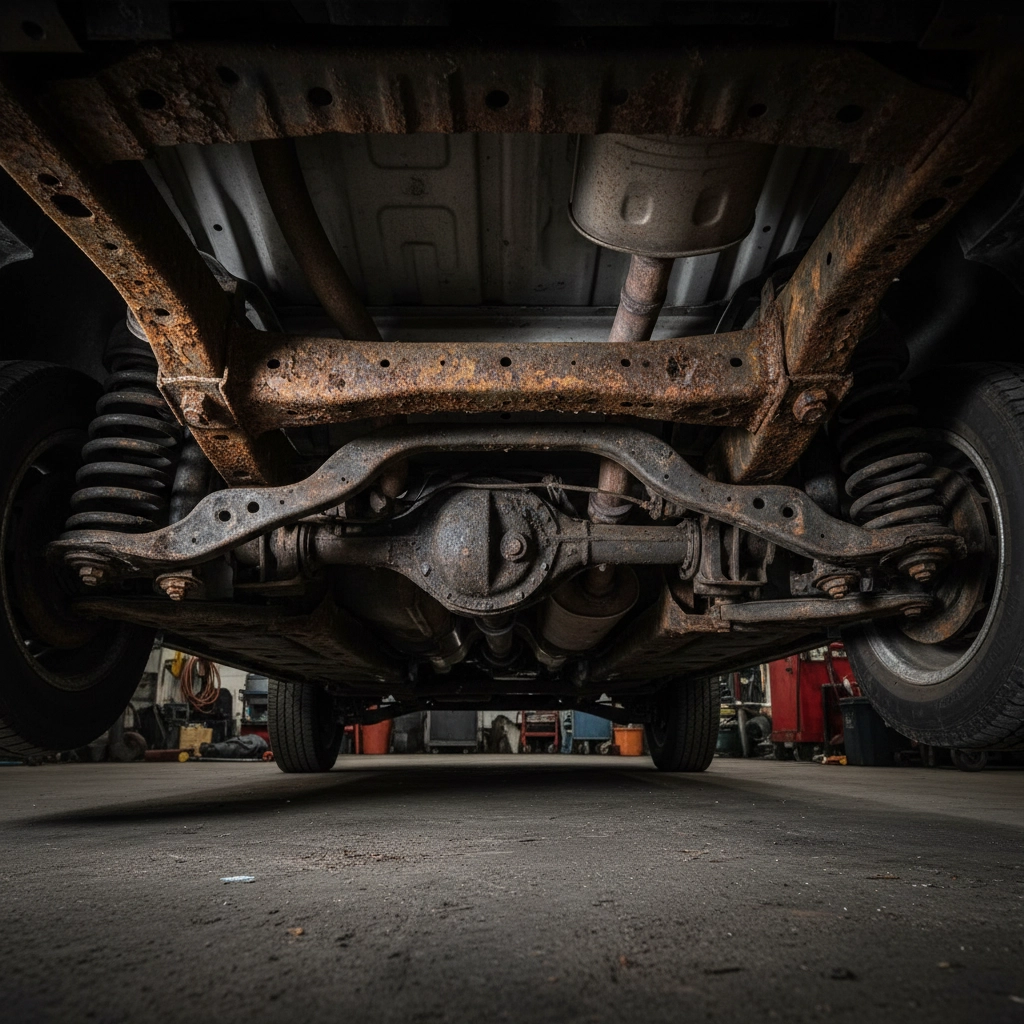
Commercial vehicles operate in challenging environments that accelerate rust formation. Daily exposure to road salt, particularly during winter months, creates an aggressive corrosive environment. Heavy loading and frequent stop-start driving generates vibrations that can crack protective coatings, whilst tools and equipment constantly scraping against surfaces remove paint protection.
Additionally, work vans often carry moisture-generating cargo or equipment, creating humid conditions inside the vehicle. This internal moisture, combined with temperature fluctuations, promotes rust formation in hidden areas like door frames, sill sections, and cargo areas.
Establishing a Preventative Maintenance Routine
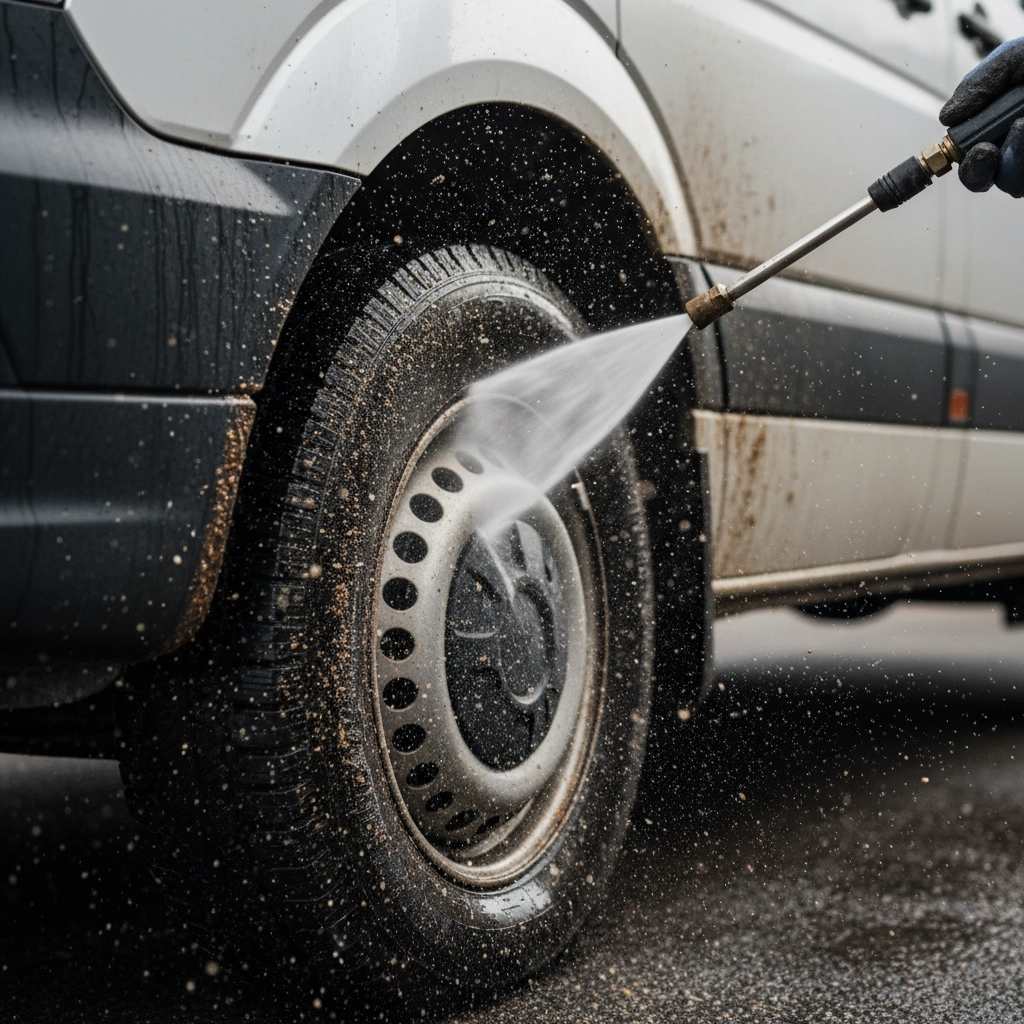
Regular washing forms the foundation of rust prevention. Wash your van's exterior, undercarriage, and wheel wells weekly to remove salt, mud, and debris. Pay particular attention to areas where dirt accumulates, such as door hinges, step wells, and behind wheel arches. Use high-pressure water to flush out packed debris before it hardens and traps moisture against metal surfaces.
Inspect vulnerable areas monthly for scratches, chips, or early rust formation. Focus on loading areas where equipment contact is frequent, door edges, and any mounting points for roof racks or additional equipment. Address paint damage immediately with touch-up paint to prevent moisture reaching bare metal.
Keep drainage holes clear in door frames, sill sections, and floor areas. These channels are designed to allow water to escape, but they become blocked with debris over time. Use compressed air or a small wire to clear blockages and ensure proper water drainage.
Professional Rustproofing Solutions
Comprehensive undercarriage protection provides the most effective long-term solution for work vans. Professional-grade treatments like Dinitrol systems offer superior protection compared to basic factory coatings. These treatments penetrate deep into joints and seams where moisture typically accumulates.
Cavity wax application protects internal box sections and door frames that standard undersealing cannot reach. This wax-based treatment displaces moisture and creates a long-lasting barrier against rust formation in hidden areas.
Structural reinforcement areas require specialised attention. Professional treatments ensure critical stress points like chassis rails, spring mounting points, and towing attachment areas receive appropriate protection. These areas bear the heaviest loads and are most susceptible to fatigue cracking that can expose metal to moisture.
DIY Protection Methods
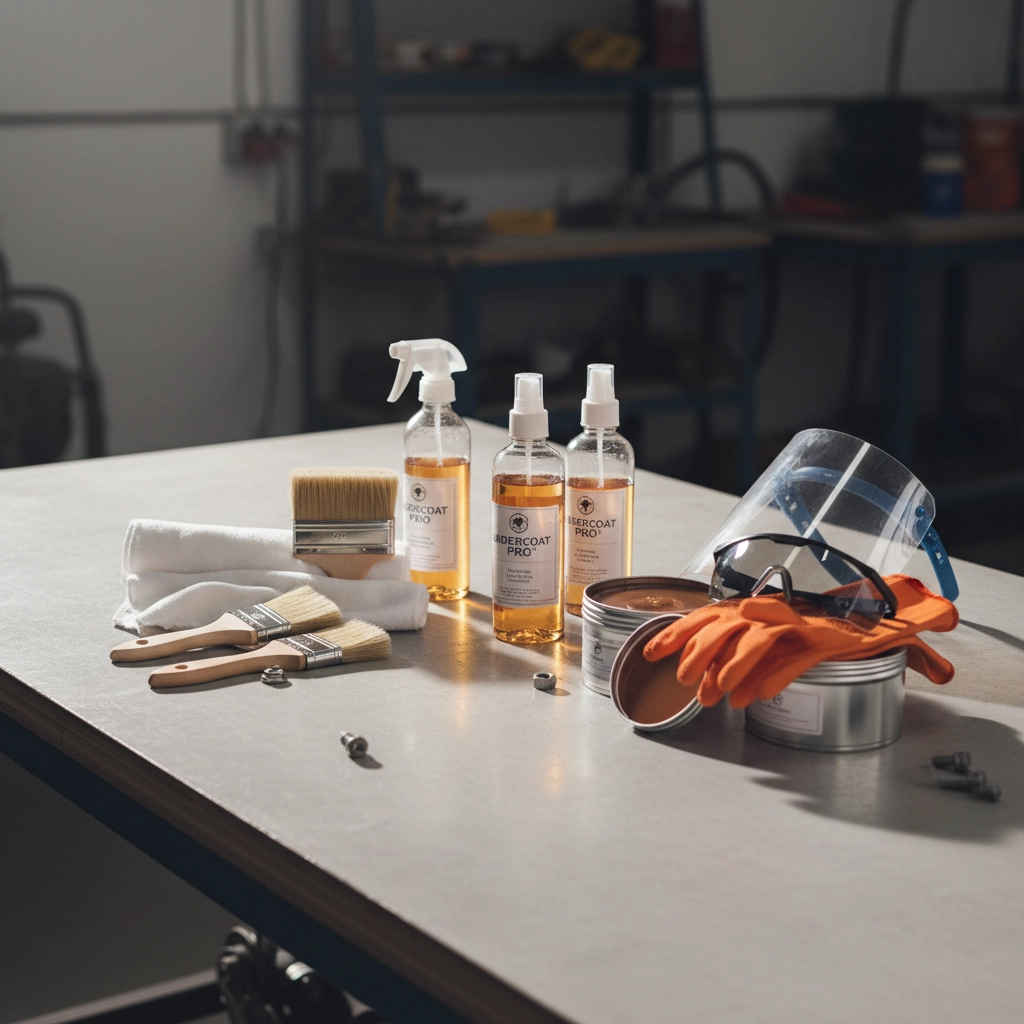
For those preferring a hands-on approach, several effective DIY options exist. Wax-based sprays like Lanoguard offer excellent penetration and displacement properties. These products can be applied with basic equipment and provide good protection for accessible areas.
Preparation remains crucial for DIY success. Clean all surfaces thoroughly with degreasing agents to remove oil, salt, and debris. Sand or wire-brush any surface rust to expose clean metal before applying protective coatings. Poor surface preparation will compromise any treatment's effectiveness.
Rubberised undercoatings provide impact resistance and sound dampening alongside rust protection. These thick coatings work well for areas subject to stone chip damage, though they require proper application technique to avoid trapping moisture underneath.
Protecting High-Wear Areas
Loading areas require special attention due to constant equipment contact. Install protective matting or rubber sheeting to prevent direct metal contact with tools and cargo. Consider adding plastic corner guards at vulnerable edges where loading equipment frequently makes contact.
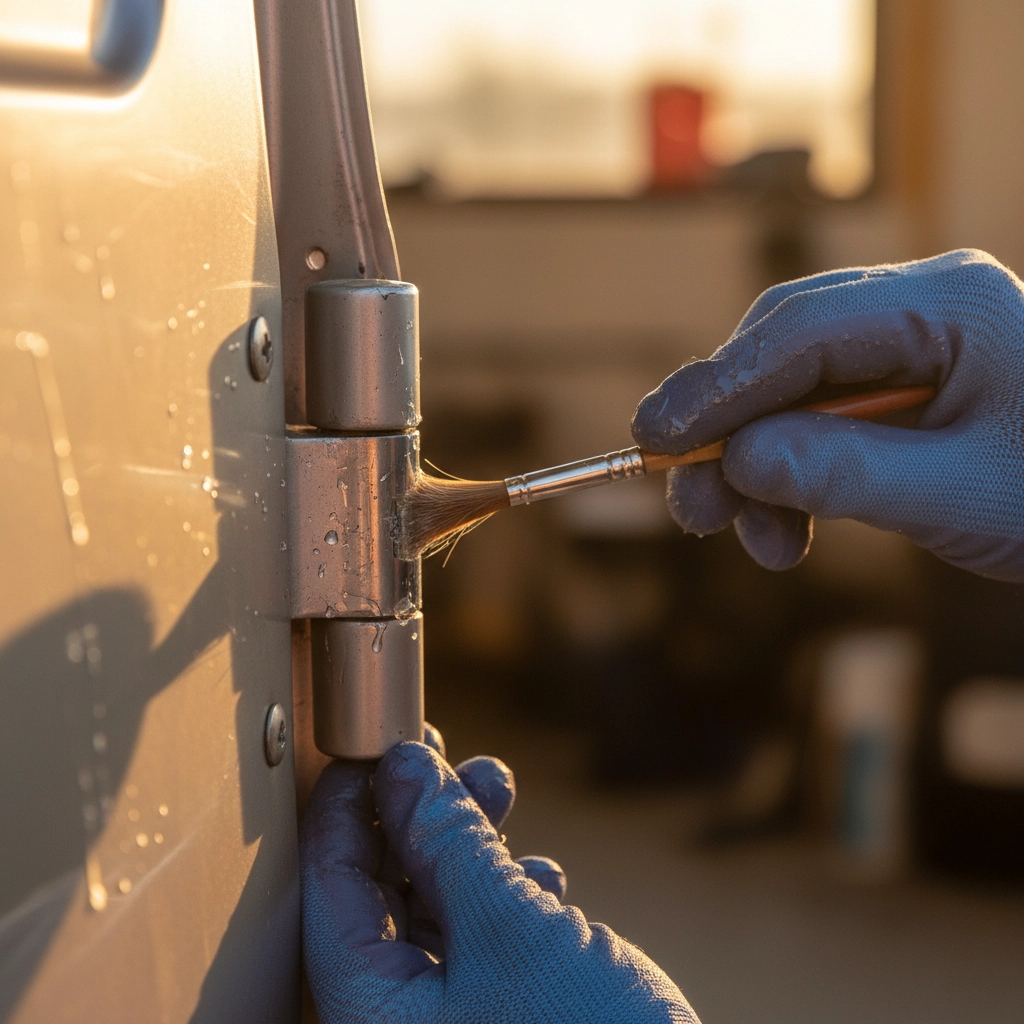
Door hinges and latches need regular lubrication with water-displacing lubricants. These components operate in exposed conditions and can seize if not properly maintained. Use marine-grade lubricants designed to repel moisture whilst maintaining smooth operation.
Step areas and running boards experience heavy foot traffic and direct water exposure. Apply textured anti-slip coatings that incorporate rust inhibitors, providing both safety and protection benefits.
Seasonal Considerations
Winter preparation should begin before the first frost. Apply a comprehensive treatment programme during autumn when surfaces are dry and temperatures remain moderate. Cold weather application of many protective products is less effective due to poor adhesion and curing characteristics.
Road salt removal becomes critical during winter months. Increase washing frequency to twice weekly, ensuring thorough undercarriage flushing. Consider installing mudflaps to reduce salt spray impact on rear panels and bumpers.
Summer months provide optimal conditions for major protection work. Use this period for annual comprehensive treatments, addressing any winter damage and reapplying protective coatings where necessary.
Interior Moisture Control
Work van interiors often carry moisture from wet equipment, clothing, or cargo. Install adequate ventilation to prevent condensation build-up that promotes internal rust formation. Roof vents or additional windows improve air circulation significantly.
Use moisture-absorbing materials in cargo areas during periods of high humidity. Silica gel packs or commercial moisture absorbers help control internal humidity levels, particularly important when carrying wet equipment or materials.
Regular interior cleaning removes salt and debris tracked in on clothing and equipment. Vacuum floor areas thoroughly and clean any spillages immediately to prevent long-term moisture retention.
Monitoring and Early Detection
Develop a systematic inspection routine focusing on common failure points. Under-bonnet areas, door frames, and cargo floor sections require monthly examination for early rust signs. Use a torch to illuminate hidden areas where rust typically begins unnoticed.
Photograph problem areas to track progression over time. Digital records help identify whether treatment programmes are working effectively and highlight areas needing additional attention.
Consider annual professional inspections even when performing DIY maintenance. Experienced technicians can identify potential problems before they become expensive structural issues.
When to Seek Professional Help
Structural rust requires immediate professional attention. If you discover rust in chassis rails, mounting points, or safety-critical areas, cease DIY attempts and consult qualified specialists. Improper repairs in these areas can compromise vehicle safety and legal compliance.
Complex cavity treatments are best left to professionals with specialised equipment. Proper cavity wax application requires pressure spraying equipment and knowledge of vehicle drain hole locations to avoid blocking essential drainage points.
Annual professional maintenance programmes offer comprehensive protection whilst maintaining manufacturer warranty compliance. These services typically include thorough cleaning, inspection, and reapplication of protective treatments where necessary.
Long-Term Investment Benefits
Proper rust protection significantly extends vehicle lifespan and maintains resale value. Work vans with documented protection history command higher prices and attract quality buyers who recognise the value of preventative maintenance.
Reduced maintenance costs offset initial treatment expenses through fewer emergency repairs and extended component life. Protecting against rust formation costs substantially less than repairing rust damage after it occurs.
Professional treatments often include guarantees providing additional peace of mind for commercial operators. These warranties can transfer to subsequent owners, adding value to your vehicle investment.
Protecting your work van from rust requires consistent attention and appropriate treatment selection. Whether choosing professional services or DIY approaches, the key lies in early intervention and regular maintenance. A well-protected van will serve your business reliably for many years whilst maintaining its value and structural integrity.
Comments