
How do I know if my car has rust?
Rust is one of the most serious threats to your vehicle's structural integrity and long-term value. Early detection is crucial: what begins as minor surface corrosion can rapidly progress to expensive structural damage that compromises safety and fails MOT inspections. Understanding how to identify rust in its early stages empowers you to take preventative action before costly repairs become necessary.
UK vehicles face particularly aggressive rust conditions due to road salt application, coastal environments, and persistent moisture. Regular rust inspection should form part of every vehicle owner's maintenance routine, regardless of your car's age or perceived condition.
Visual Signs That Indicate Rust Formation
The most obvious indicators of rust development appear as visible discoloration on metal surfaces. Look for brownish-red spots, particularly around edges where paint protection may be compromised. These spots often start small but expand rapidly under UK conditions.
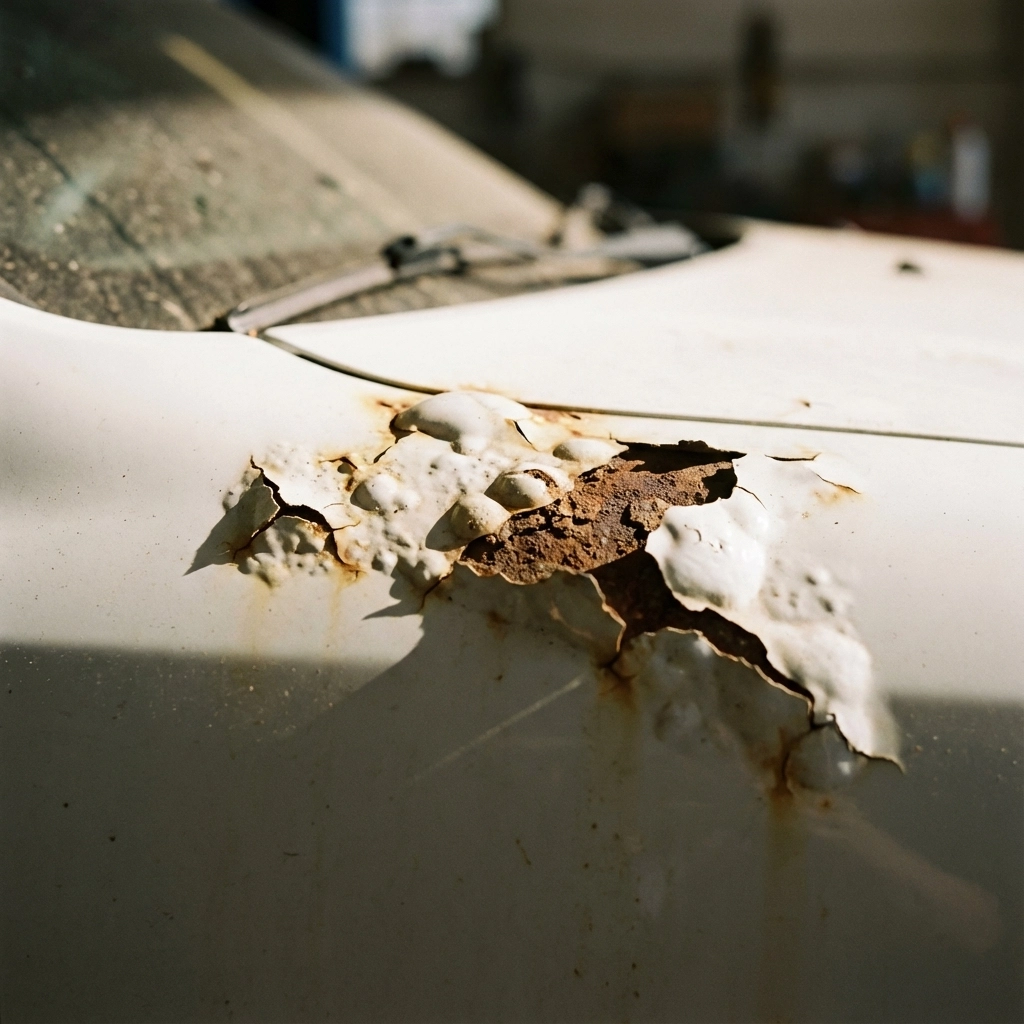
Paint bubbling or blistering represents one of the most critical early warning signs. When rust forms beneath paint layers, it causes the coating to lift and create distinctive bubble patterns. These bubbles indicate active corrosion occurring underneath apparently intact paintwork: a situation requiring immediate attention.
Flaking paint accompanied by rough texture suggests advanced rust development. The metal surface becomes uneven as corrosion progresses, causing paint to lose adherence and chip away. Any area showing irregular paint patterns that don't match the original finish warrants thorough investigation.
Small brownish-red flecks appearing on your vehicle's paint surface often indicate rust particles being deposited from other corroded components. While these spots may seem minor, they frequently signal more serious underlying rust issues elsewhere on the vehicle.
Critical Areas Requiring Regular Inspection
Certain locations on your vehicle are particularly susceptible to rust development due to water exposure, debris accumulation, and protective coating wear.
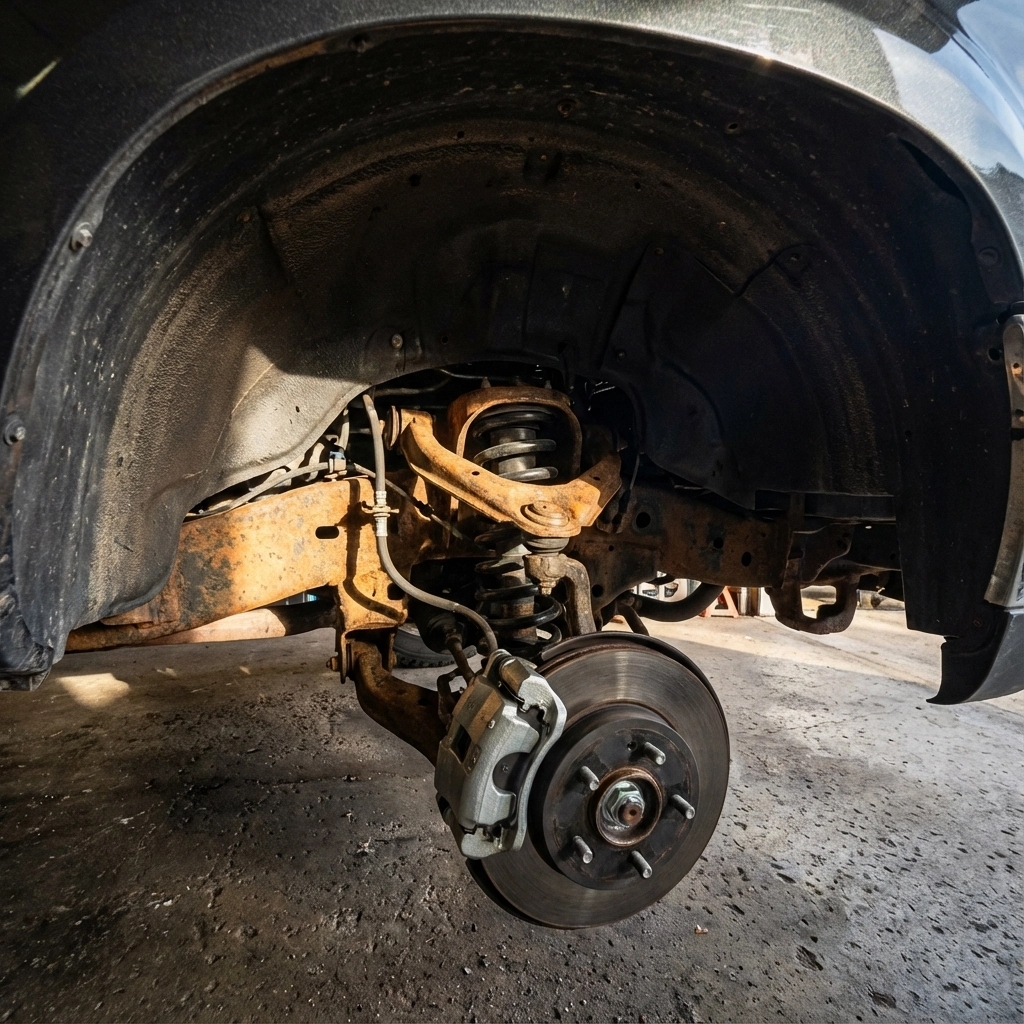
Wheel wells present the highest risk area for most vehicles. The curved surfaces above each tyre collect road spray, salt, and debris while experiencing constant flexing during driving. Inspect both the visible outer surfaces and the hidden areas behind plastic wheel arch liners.
Frame rails running underneath both sides of your vehicle beneath the doors carry structural loads and face direct exposure to road conditions. These components are critical for vehicle safety, making rust inspection here absolutely essential.
Door edges and trim mounting points trap moisture and debris, creating ideal conditions for rust initiation. Pay particular attention to areas where trim pieces meet painted surfaces, as these junctions often allow water penetration.
Undercarriage and suspension components face the harshest conditions, with constant exposure to moisture, salt, and road debris. While some surface rust is normal on older vehicles, structural components must remain sound for safety reasons.
Exhaust system components experience rust from both internal moisture (combustion byproducts) and external environmental exposure. Regular inspection helps identify problems before system failure occurs.
Window surrounds, particularly around the windshield and rear glass, can develop rust from seal failures that allow water penetration behind paint and trim pieces.
Comprehensive Inspection Methodology
Effective rust detection requires systematic visual and tactile inspection techniques. Walk completely around your vehicle in good lighting, examining all accessible surfaces from multiple angles. Rust often hides in shadows or becomes visible only from specific viewpoints.
Run your hands along suspected areas to feel for rough textures, raised spots, or flaking material that may not be immediately visible. Tactile inspection frequently reveals early-stage rust that hasn't yet created obvious visual changes.
When possible, inspect underneath your vehicle using proper lifting equipment or inspection pits. The undercarriage typically shows the most advanced rust development, as this area receives minimal cleaning and maximum exposure to corrosive elements.
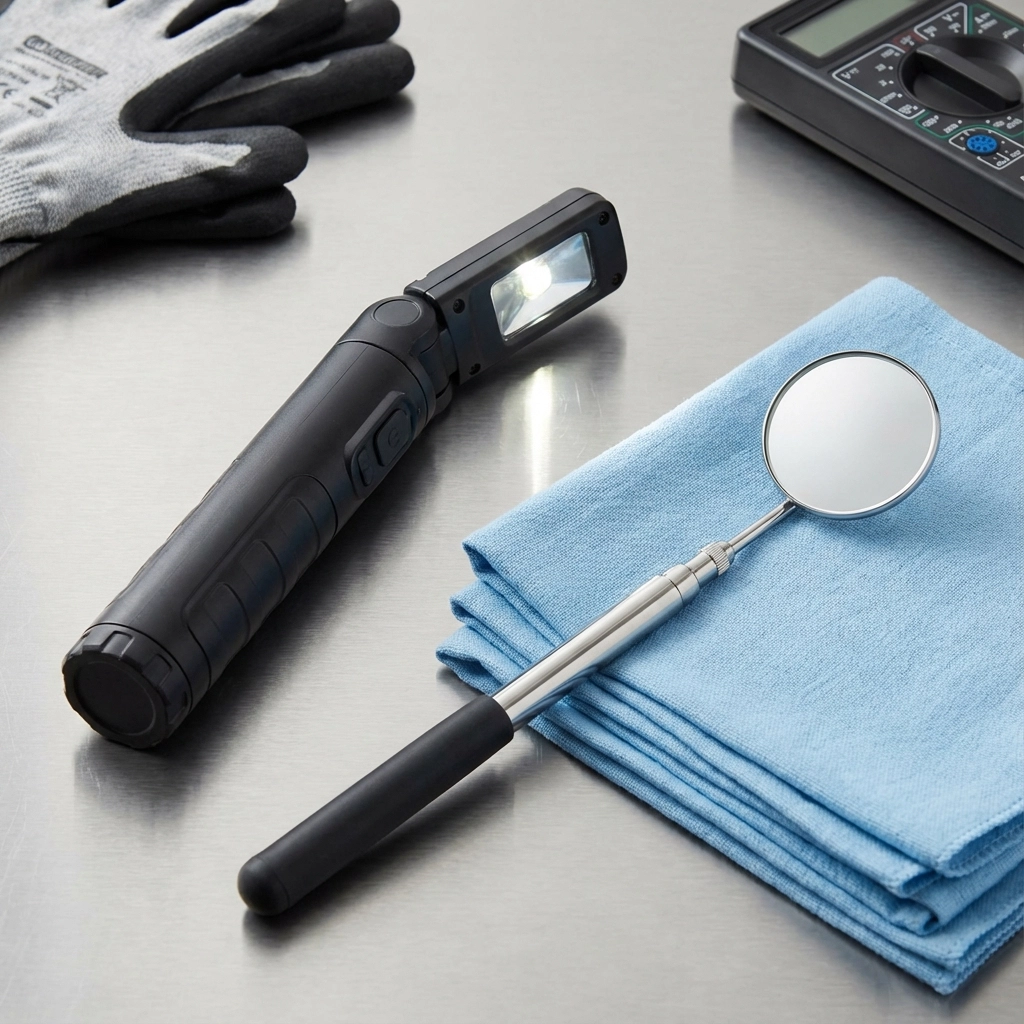
Use a bright torch or inspection light to illuminate hidden areas behind trim pieces, inside wheel wells, and under body panels. Rust often develops in these concealed locations before becoming visible on outer surfaces.
Understanding Different Types and Stages of Rust
Surface rust appears as light discoloration or minor flaking on metal surfaces. While concerning, surface rust typically responds well to treatment and doesn't immediately compromise structural integrity.
Scale rust develops when surface rust penetrates deeper into metal components. This stage shows more pronounced flaking and texture changes, requiring more intensive treatment to halt progression.
Penetrating rust represents the most serious stage, where corrosion has eaten completely through metal components. This level of rust typically requires component replacement rather than treatment.
Cosmetic versus structural rust requires different urgency levels. Cosmetic rust on non-structural panels affects appearance and value but doesn't immediately compromise safety. Structural rust on frame components, suspension mounting points, or safety-critical areas demands immediate professional attention.
Recognising When Professional Assessment Becomes Necessary
While basic rust inspection can be performed by vehicle owners, certain situations require professional evaluation. Suspected structural rust should always receive expert assessment to determine safety implications and treatment options.
Extensive rust development across multiple areas suggests systematic protection failure requiring comprehensive treatment planning. Professional inspection provides accurate assessment of treatment costs versus vehicle value.
Pre-purchase inspections for used vehicles should include thorough rust evaluation by experienced technicians who can identify hidden problems that may not be apparent to casual observers.
MOT preparation benefits from professional rust assessment, as examiners apply specific criteria for structural integrity that may differ from owner observations.
The Importance of Early Intervention
Rust prevention proves significantly more cost-effective than rust repair. Once corrosion begins, it progresses exponentially under UK conditions, particularly during winter months when road salt application intensifies.
Immediate action upon discovering early rust signs can prevent minor issues from becoming major structural problems. Even surface rust warrants attention, as it indicates compromised protective coatings that will allow further corrosion development.
Professional rustproofing treatment provides comprehensive protection that addresses both visible rust and potential future development. Quality treatments like Dinitrol systems offer long-term protection that preserves vehicle value and prevents costly repairs.
Professional Rust Assessment and Treatment Solutions
At Rustec, we provide comprehensive rust inspection services that identify both obvious and hidden corrosion issues. Our experienced technicians understand how rust develops in different vehicle types and can recommend appropriate treatment strategies.
Our detailed inspection process includes undercarriage examination, cavity assessment, and documentation of all findings. We provide clear explanations of rust severity and treatment recommendations tailored to your vehicle's specific needs.
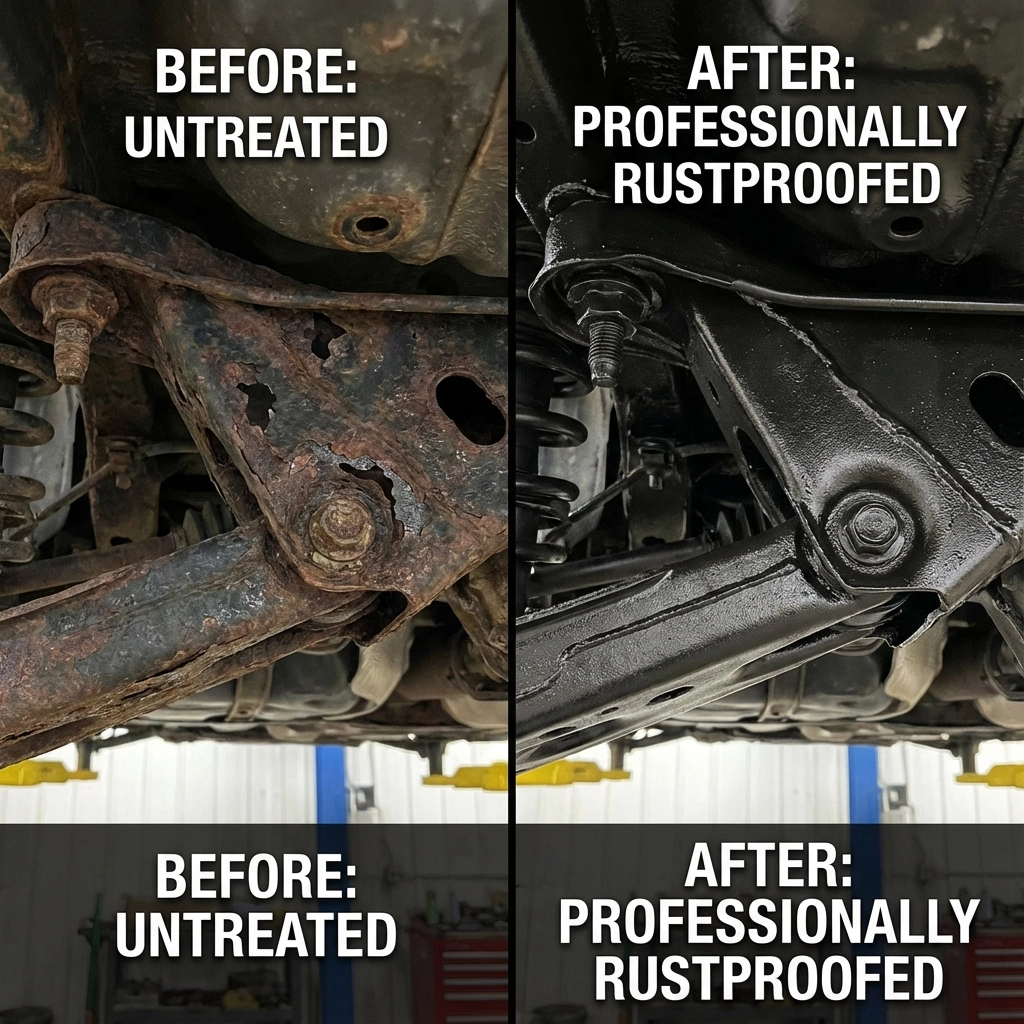
Professional treatment addresses existing rust while providing comprehensive protection against future development. Our lifetime Dinitrol treatments offer superior protection that maintains your vehicle's structural integrity and preserves resale value.
Taking Action to Protect Your Investment
Regular rust inspection should become part of your vehicle maintenance routine, particularly before and after winter months when rust development accelerates. Early detection combined with professional treatment provides the most effective protection for your automotive investment.
If you've identified potential rust issues during your inspection, don't delay seeking professional assessment. Rust never improves on its own: it only worsens with time and exposure.
Contact Rustec today for comprehensive rust inspection and treatment solutions. Our expert team provides honest assessment and effective treatment options that protect your vehicle for the long term. Visit our gallery to see examples of our professional treatment work, or learn more about our comprehensive rustproofing services on our main website.
Don't let rust compromise your vehicle's safety, value, or longevity. Professional inspection and treatment provide peace of mind and long-term protection that preserves your automotive investment for years to come.
Comments