
Does underseal trap moisture?
One of the most persistent concerns vehicle owners have about undersealing is whether it traps moisture beneath their car, potentially causing more harm than good. This misconception has led many drivers to avoid protective treatments altogether, leaving their vehicles vulnerable to the very rust damage they're trying to prevent.
Understanding Underseal: Protection, Not Entrapment
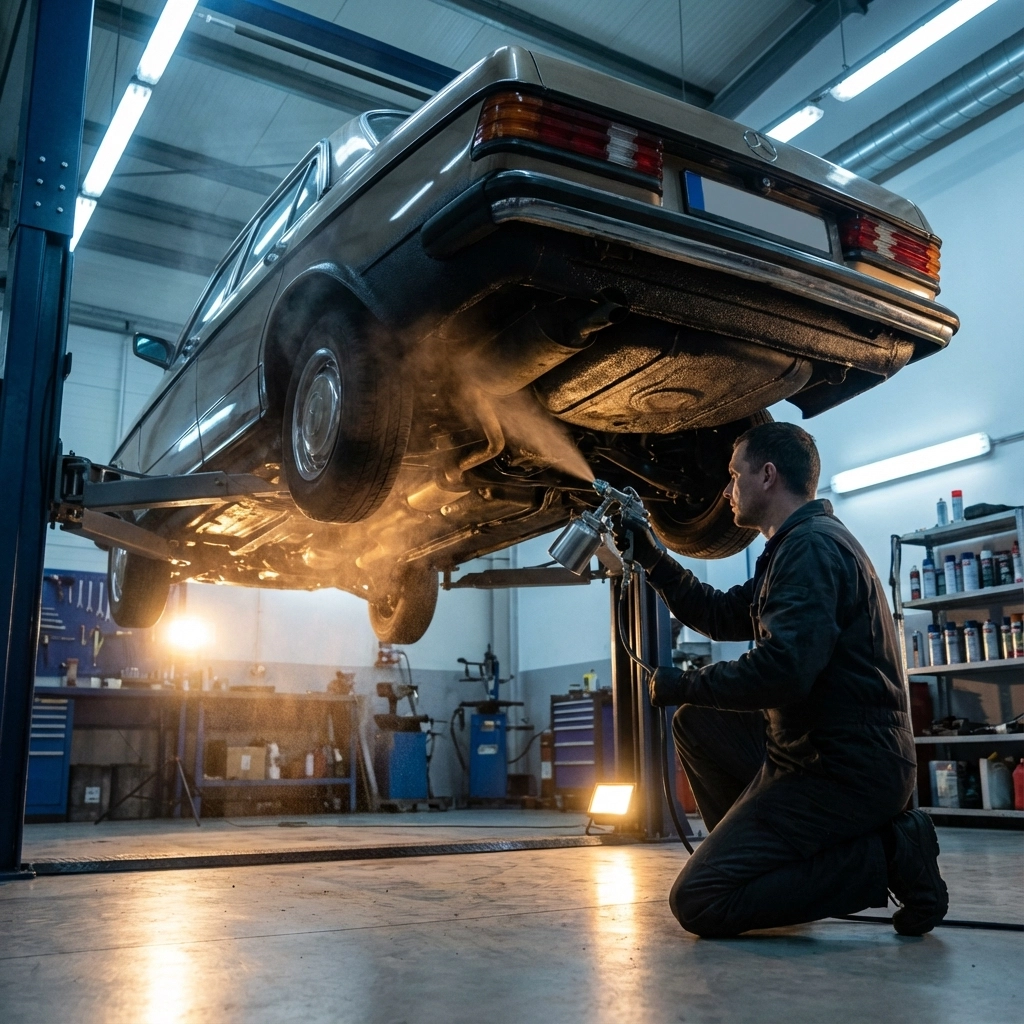
Quality underseal products are specifically designed to prevent moisture penetration, not trap it. Modern undersealing systems create a protective barrier that blocks water, salt, and corrosive elements from reaching vulnerable metal surfaces. When applied correctly by experienced professionals, underseal acts as a comprehensive shield rather than a moisture prison.
The Science Behind Moisture Management
Effective undersealing works through multiple protective mechanisms. The primary function involves creating an impermeable barrier that prevents external moisture from reaching metal surfaces. Quality products achieve this through advanced polymer formulations that cure into flexible, durable films resistant to water penetration.
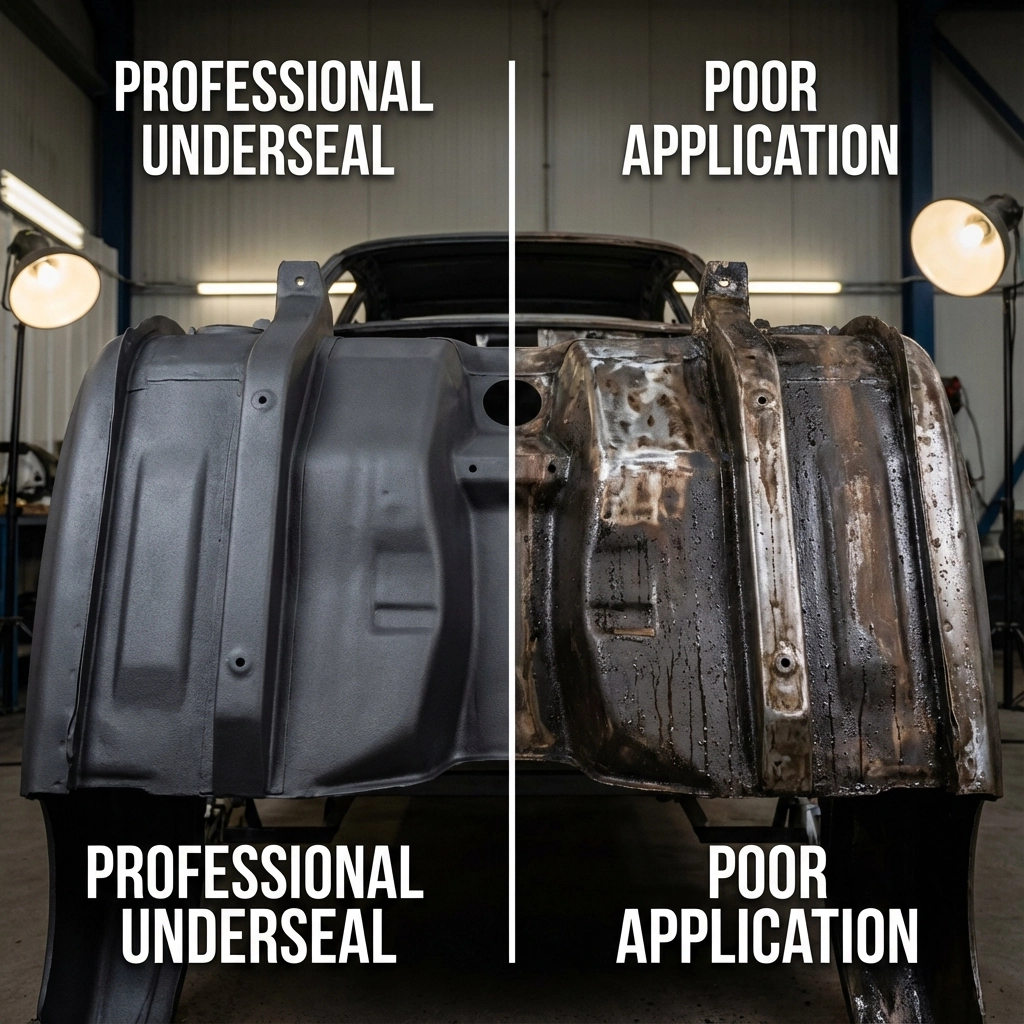
Moisture problems typically occur when inferior products are used or when application procedures are inadequate. Cheap underseals may crack, peel, or develop gaps over time, creating pockets where water can accumulate. This is why professional application using premium products represents a crucial investment in long-term vehicle protection.
Proper preparation is essential for preventing moisture-related issues. Before any undersealing application, surfaces must be thoroughly cleaned, degreased, and completely dried. Any existing rust or corrosion requires treatment or removal to ensure optimal adhesion and performance.
When Moisture Problems Actually Occur
Moisture entrapment typically results from poor application practices rather than inherent product limitations. Common scenarios that lead to moisture issues include:
Inadequate surface preparation leaves contaminants or existing moisture beneath the underseal. Professional services include comprehensive cleaning and drying procedures to eliminate this risk entirely.
Using inferior products can result in permeable coatings that allow moisture penetration while preventing adequate evaporation. This creates ideal conditions for accelerated corrosion.
Incomplete coverage leaves gaps where water can penetrate and become trapped behind partial protection. Thorough application ensures complete coverage of all vulnerable areas.
Damaged underseal from impacts, scraping, or normal wear can create entry points for moisture. Regular inspection and maintenance prevent these issues from developing into serious problems.

The Professional Application Advantage
Professional undersealing services eliminate moisture-related concerns through systematic preparation and application procedures. Experienced technicians understand the critical importance of proper surface preparation, including steam cleaning, degreasing, and complete drying before product application.
Comprehensive inspection identifies existing rust spots, stone chip damage, or previous treatment failures that require attention before new protection can be applied effectively.
Controlled environment application ensures optimal curing conditions and prevents contamination during the treatment process. Professional facilities maintain appropriate temperatures and humidity levels for superior results.
Quality product selection ensures compatibility with your vehicle's specific requirements and existing protection systems. Professional services use proven products with established performance records.
Thorough coverage guarantees complete protection of all vulnerable areas, including difficult-to-reach sections where DIY applications often fail.
Modern Underseal Technology
Contemporary undersealing products incorporate advanced technology specifically designed to manage moisture effectively. These formulations create molecular barriers that block water transmission while maintaining flexibility and durability under extreme conditions.
Penetrating formulations like cavity wax systems reach areas where traditional underseal cannot provide coverage. These products displace moisture and create long-lasting protection in box sections, door frames, and other enclosed spaces.
Self-healing properties in premium products allow minor damage to seal automatically, preventing moisture penetration through small impacts or scratches.
Breathable formulations in some applications allow trapped moisture to escape while preventing new moisture from entering, providing optimal protection for sensitive areas.
Maintaining Your Underseal Protection
Proper maintenance ensures your underseal continues providing effective moisture protection throughout your vehicle's lifetime. Regular inspection allows early identification of any damage or wear that could compromise the protective barrier.
Annual inspections should examine the underseal for cracks, peeling, or impact damage. Professional services can assess the condition and recommend touch-up treatments where necessary.
Prompt repair of any damage prevents moisture penetration and potential corrosion issues. Small repairs are significantly more cost-effective than major rust treatment later.
Environmental considerations in coastal areas or regions with heavy road salt usage may require more frequent inspection and maintenance to ensure continued protection.
Addressing Common Concerns
Vehicle owners often worry that underseal will prevent them from detecting rust development beneath the protection. Quality professional applications include photo documentation of the vehicle's condition before treatment, providing a baseline for future inspections.
Modern underseal products remain flexible and durable, allowing for normal vehicle movement and temperature fluctuations without cracking or separation. Professional-grade materials maintain their protective properties for many years when properly applied.
MOT inspections can still examine critical structural areas even with underseal protection. Experienced MOT testers understand how to assess vehicle condition through professional undersealing applications.

The Cost of Inadequate Protection
Avoiding undersealing due to moisture concerns often results in significantly higher costs over time. Rust development accelerates rapidly once it begins, particularly in areas exposed to road salt and adverse weather conditions.
Structural rust repair can cost thousands of pounds, far exceeding the investment in preventive protection. MOT failures due to corrosion require immediate expensive repairs before the vehicle can legally return to the road.
Reduced resale value affects vehicles with visible rust or corrosion damage. Professional rustproofing maintains vehicle condition and supports higher resale values.
Safety implications of structural corrosion can compromise vehicle integrity and occupant protection. Preventive treatment eliminates these serious safety concerns.
Professional Peace of Mind
Quality undersealing applied by experienced professionals provides comprehensive protection without moisture-related concerns. The investment in proper preparation, premium products, and expert application ensures your vehicle receives optimal protection against corrosion.
Lifetime guarantees from reputable services demonstrate confidence in their materials and application procedures. These warranties provide additional peace of mind regarding long-term protection effectiveness.
Follow-up services ensure your protection remains effective throughout your vehicle's lifetime. Professional providers offer maintenance programs and inspection services to maintain optimal protection levels.
The answer to whether underseal traps moisture lies in the quality of products used and the expertise of application. Professional undersealing services eliminate moisture concerns while providing comprehensive protection against the corrosive elements that threaten your vehicle's longevity and value.
Quality underseal protects rather than traps, shields rather than conceals, and preserves rather than compromises your vehicle's structural integrity for years to come.

Comments