
Does rustproofing protect brake lines and fuel lines?
Yes, professional rustproofing is one of the most effective ways to protect your vehicle’s brake and fuel lines from corrosion. In the UK, these lines are highly susceptible to "pitting" and structural failure due to road salt and constant moisture. When applied as part of a comprehensive underbody treatment, specialized coatings provide a physical barrier that prevents oxidation and keeps these safety-critical components intact for the life of the vehicle.
In this guide, we’ll explain how rustproofing works specifically for these lines, why factory protection often fails, and why the method of application is just as important as the product itself.
Why brake and fuel lines are high-risk zones
Brake and fuel lines are the "arteries" of your vehicle. Most modern cars use steel lines coated in a thin plastic or paint layer from the factory. While this looks okay on the showroom floor, it doesn’t stand a chance against the UK’s winter roads.
Once road grit chips that thin factory coating, moisture and salt get trapped against the bare steel. Because these lines are often tucked away in hard-to-reach areas of the chassis, the corrosion remains hidden until a leak occurs or the vehicle fails an MOT.
The Financial Reality of Corrosion
Ignoring line protection isn't just a safety risk; it’s a financial one. Replacing a full set of corroded brake or fuel lines can easily cost between £600 and £1,200 in labor and parts, depending on the vehicle. If the corrosion spreads to the chassis mounts, you could be looking at welding repairs ranging from £1,000 to £3,000.
Furthermore, a vehicle with visible underbody corrosion faces a significant hit in the used market. We typically see a £2k–£5k resale loss on premium 4x4s and vans where the underside hasn't been maintained. In UK conditions, corrosion is not a question of if , but when.
The "Hidden Rust" Iceberg: Protecting What You Can’t See
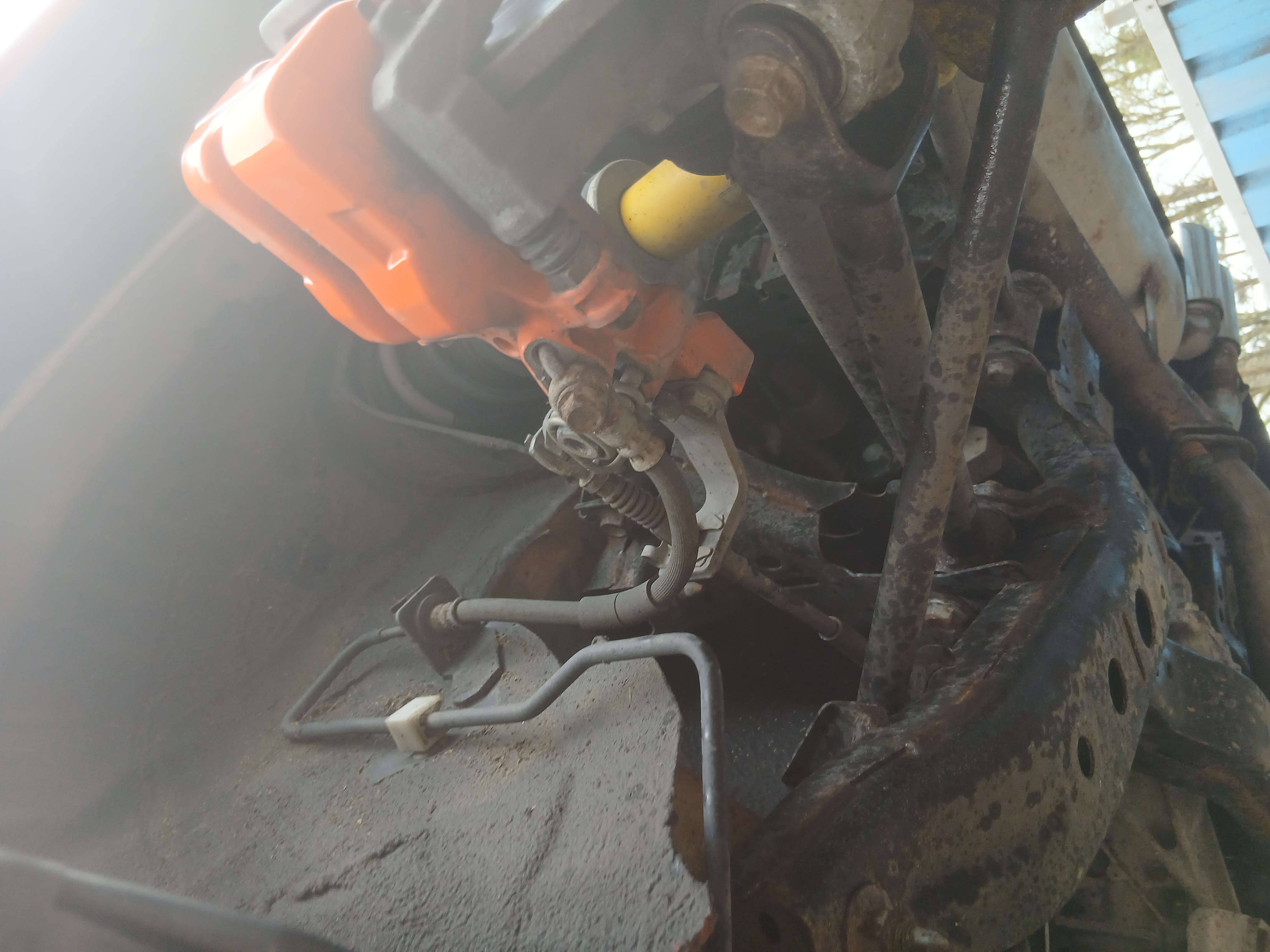
When we talk about vehicle protection at Rustec, we often use the Iceberg Model. Most owners only worry about the rust they can see on the outer sills or arches. However, the most dangerous corrosion happens beneath the surface, inside chassis rails and behind heat shields where brake and fuel lines run.
By the time you notice a soft brake pedal or the smell of fuel, the "iceberg" has already done its damage. This is why is surface rust on a car something to worry about is such a common question; even minor surface spotting on lines can indicate deeper structural thinning.
Visual Mental Model: The High-Quality Raincoat
Think of professional rustproofing like a high-quality, breathable raincoat for your car’s "internal organs." A cheap spray-can job is like a bin bag, it might keep the water off for a minute, but it rips easily and actually traps sweat (moisture) underneath, making things worse. A professional treatment, like our Elite Standard, bonds to the metal and remains flexible, moving with the lines as they vibrate and expand.
How Rustec Protects Your Lines: The 72-Hour Elite Standard
We don't just "spray and go." Protecting delicate lines requires a level of precision that quick-lube shops and DIY kits can't match. A poor rustproofing job can be worse than doing nothing, as it traps moisture and accelerates corrosion.
At Rustec, we follow a strict 72-hour process to ensure the lines are actually protected, not just covered in gunk.
Preparation & Deep Clean: We begin with a thorough undercarriage steam clean to remove all salt, grease, and debris. You can't protect a line that's covered in mud.
Drying: The vehicle is dried completely using industrial heaters. Applying product to damp lines is a recipe for disaster.
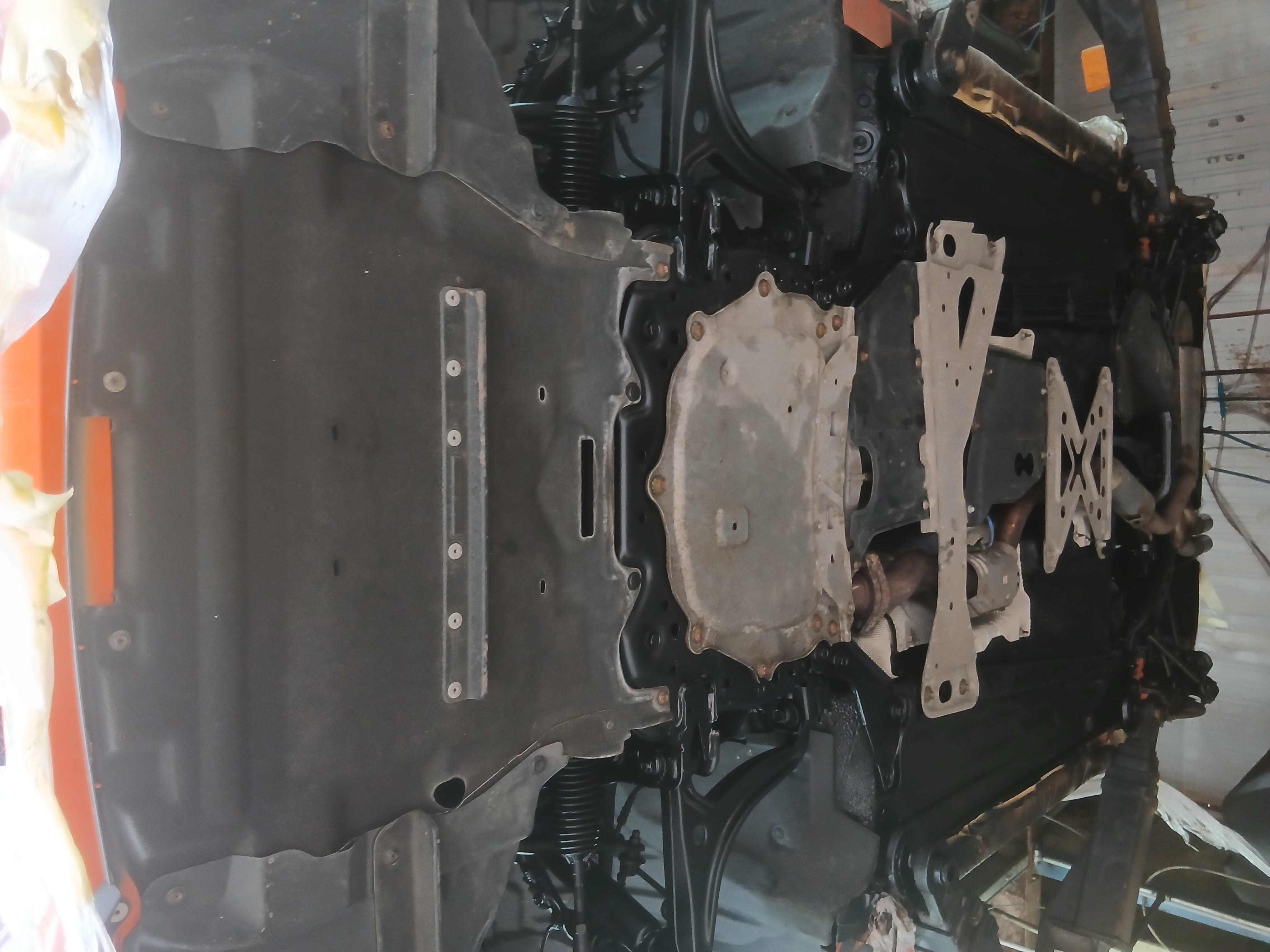
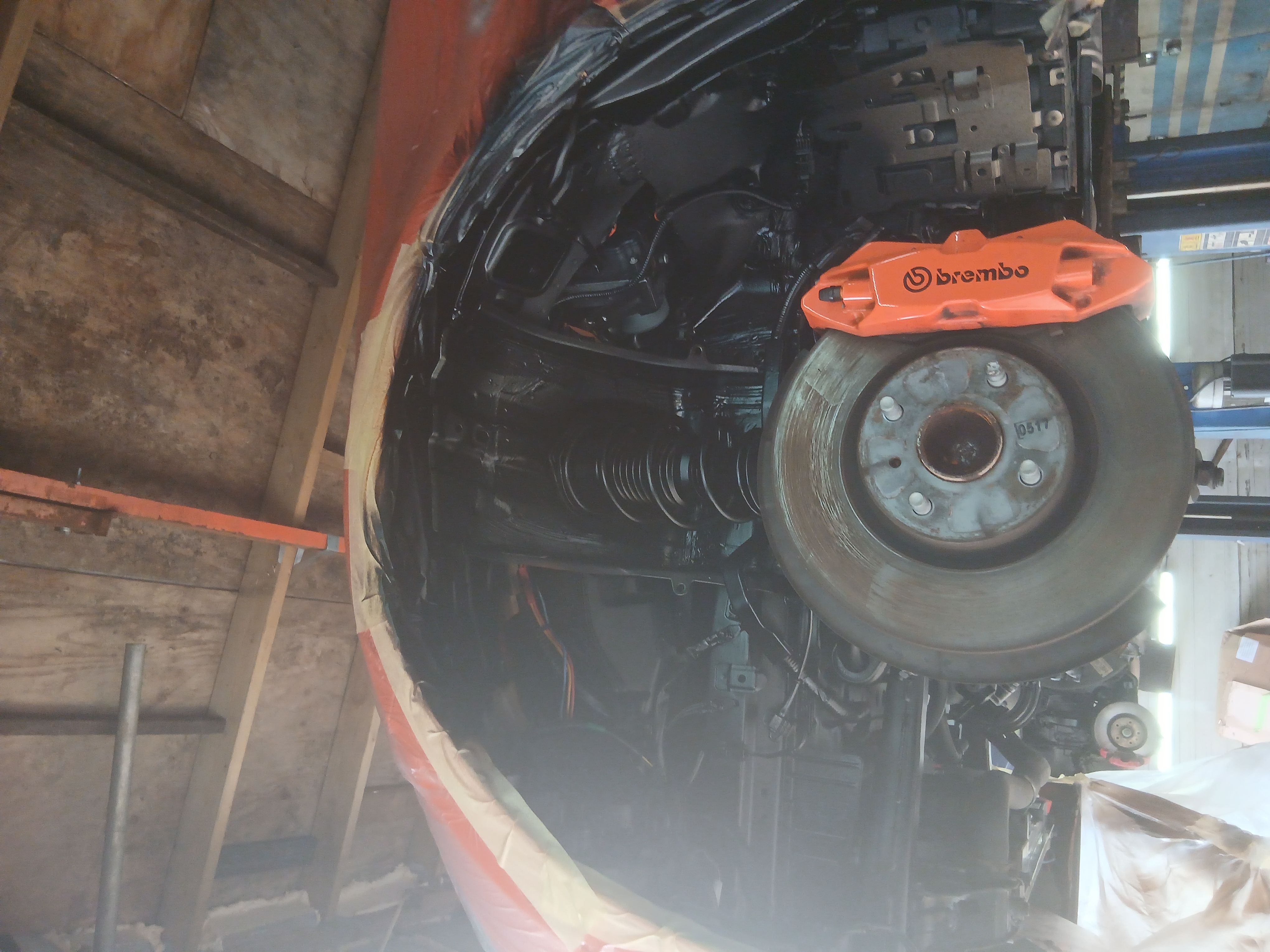
Inspection & Masking: We meticulously mask off areas that shouldn't be coated (like exhaust sensors and brake discs) while ensuring the brake and fuel lines remain exposed for treatment.
Cavity Injection & Underseal: We use high-penetration waxes like Dinitrol ML for the lines. This "creeps" into the fittings and joints where rust starts.
Final Shielding: A robust underbody wax is applied to create a durable shield against road debris.
If you are looking for how to choose the best rustproofing service near me, always ask about their drying and masking process. If they don't take 48-72 hours, they aren't doing it properly.
Can rustproofing stop rust that has already started on lines?
This is a frequent concern for owners of older vehicles. The answer is yes, provided the metal is still structurally sound. High-quality penetrants like cavity wax are designed to soak into existing oxide layers, displacing oxygen and moisture to halt the chemical reaction.
For more details on this, see our post on whether rustproofing can stop rust that has already started. However, if the lines are already "flaky" or heavily pitted, we will always recommend replacement before treatment. We are experts in protection, not in covering up dangerous defects.
Comparison: Professional vs. Cheap "Quick-Fix" Services
When protecting safety-critical items like fuel lines, the "cheap" option is often the most expensive mistake you can make.
Feature | Cheap "Overnight" Service | Rustec Elite Standard (72-Hour) |
Preparation | Surface wipe or basic jet wash | Multi-stage steam clean & deep dry |
Drying Time | 0–2 hours | 24+ hours (Heated) |
Cavity Coverage | None or minimal | Full internal chassis & line fitting injection |
Masking | Minimal (overspray risk) | Meticulous (protects sensors/brakes) |
Longevity | 6–12 months | Multi-year durability |
Risk | High (Trapped moisture) | Extremely Low (Professional grade) |
The Importance of UK Context
In the UK, we don't just deal with rain; we deal with "brine." Local councils spread millions of tonnes of salt every winter. This salt dissolves into a liquid that finds its way into every nook and cranny of your brake line clips and fuel tank straps.
This environment is why we recommend the Ultimate Guide to Rustproofing in the UK as essential reading for any vehicle owner. Standard factory protection is designed for global climates; it is rarely sufficient for a damp, salty British winter.
FAQ: Protecting Your Vehicle's Lines
Does rustproofing affect the operation of my brakes? No. We meticulously mask off the brake discs, pads, and calipers. The rustproofing is only applied to the hard lines and the areas where they meet the chassis. In fact, by preventing corrosion on the line fittings, we make future brake maintenance much easier for your mechanic.
Can I just use a spray can of underseal on my fuel lines? We strongly advise against this. Standard "bitumen" style underseals can crack over time, allowing salt water to seep behind the layer. Because the coating is thick and black, you won't see the line rotting away until it fails. Professional waxes are far superior as they remain self-healing and flexible.
Will this help my car pass an MOT? Absolutely. "Corroded brake lines" is one of the most common MOT fail items in the UK. By keeping the lines in "as-new" condition, you eliminate this headache and ensure your vehicle stays on the road.
How often does the protection need to be checked? While our Elite Standard is designed for long-term durability, we recommend a quick annual inspection to check for any physical damage from road debris (like large stones) that might have chipped the coating.
Summary: Invest in Prevention
Brake and fuel lines are small components that carry a massive responsibility. Protecting them isn't just about preserving the vehicle's value: it's about ensuring it stops when you hit the pedal and stays sealed when you're driving.
By choosing a professional 72-hour process, you avoid the traps of moisture-trapping "quick fixes" and secure your vehicle against the inevitable UK corrosion.
If you want to protect your vehicle properly : not just cover it up : the best time to act is before corrosion progresses. You can book a free inspection or request a quote here.

Comments