
How long does professional rustproofing actually last?
- Lloyd Saunders
- Apr 20
- 5 min read
Meta Title: How Long Does Professional Rustproofing Last? | Rustec UK Meta Description: Discover the real lifespan of professional rustproofing in the UK. Learn why the Rustec 72-hour process ensures 3–5+ years of protection and prevents resale value loss. Slug: /how-long-does-professional-rustproofing-actually-last
In the UK, professional rustproofing typically lasts between 3 to 5 years before requiring a maintenance check or top-up. However, this lifespan is entirely dependent on the quality of the application and the environment the vehicle inhabits. While a premium Dinitrol® treatment can protect a chassis for several years, a quick "wash and spray" job may fail in as little as six months.
When you invest in underbody protection, you aren't just buying the product in the tin; you are buying the process that ensures that product stays attached to your vehicle. In UK conditions, corrosion is not a question of if , but when. Understanding the factors that dictate the longevity of your treatment is essential to protecting your vehicle’s structural integrity and its future resale value.
The short answer: Lifespan by treatment type
Not all rustproofing is created equal. The "lifespan" varies wildly based on the chemistry of the barrier used:
Oil-based sprays (Soft films): These generally last 12–18 months. They are "self-healing" but wash away relatively easily with road spray and pressure washing.
Wax-based cavity waxes: When injected into internal sections, these can last 5+ years because they aren't exposed to direct road debris.
Professional Hard/Semi-Hard Coatings (Dinitrol®): A professional application often provides 3–5 years of robust underbody protection before a top-up is recommended.
Cheap "Underseal": Often lasts 1–2 years before cracking. A poor rustproofing job can be worse than doing nothing, as it traps moisture and accelerates corrosion.
The Visual Mental Model: The Exterior Paint Analogy
Think of rustproofing like painting a wooden deck. If you slap high-quality paint over wet, mossy, or rotting wood, the paint will bubble and peel within a single season, regardless of how expensive the tin was.
Professional rustproofing follows the same logic. Longevity isn't about the thickness of the "paint"; it’s about the preparation of the "wood." If the metal isn't surgically clean and bone-dry before application, the protection is destined to fail from the inside out.
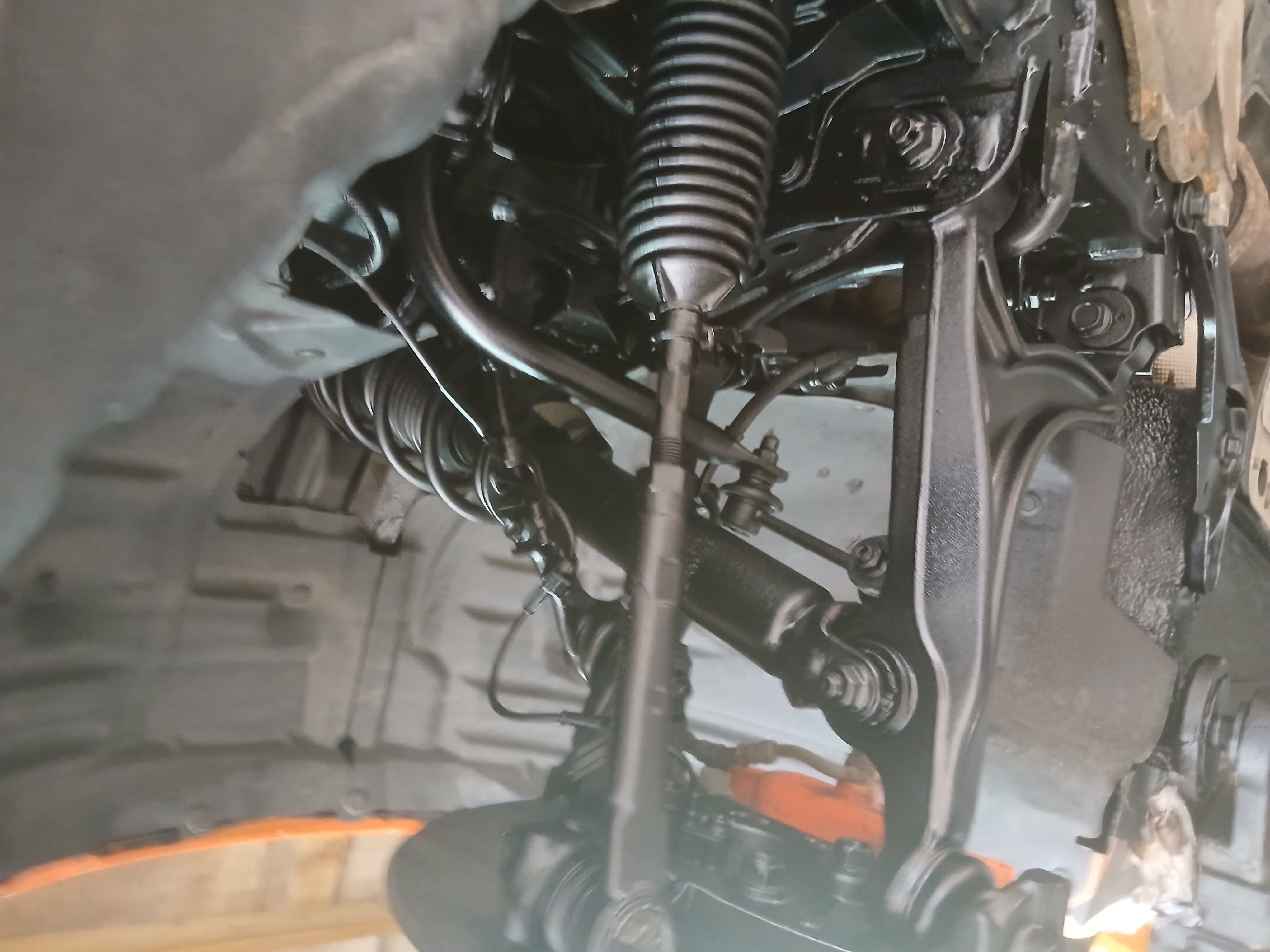
Why UK conditions are the ultimate test
The UK climate is uniquely aggressive toward automotive steel. We deal with high humidity, consistent rainfall, and thousands of tonnes of rock salt spread across our roads every winter.
When salt mixes with water, it creates an electrolyte that accelerates the chemical reaction of rusting. If your rustproofing treatment isn't applied to a high standard, this salt-laden water finds its way into microscopic gaps. This is why choosing the most effective rustproofing method for UK conditions is a matter of long-term financial survival for your vehicle.
The Rustec Elite Standard: Our 72-hour longevity process
To ensure a treatment lasts for years rather than months, we adhere to the Rustec Elite Standard. This is a meticulous 72-hour process designed to guarantee that the protective barrier bonds perfectly to the substrate.
Comprehensive Inspection & Strip Down: We remove undertrays and wheel arch liners to expose the "iceberg" of hidden rust.
Thorough Underbody Steam Clean: Removing all salt, grease, and road grime.
Deep Drying Phase: The vehicle is dried thoroughly using industrial heaters. Applying rustproofing to a damp chassis is the primary cause of premature failure.
Meticulous Masking: We protect the brakes, exhaust, and sensors to ensure the treatment only goes where it belongs.
Cavity Wax Injection: We treat the internal chassis rails and sills where rust starts "inside-out."
Underbody Barrier Coating: A premium Dinitrol® layer is applied to the exposed undercarriage.
By taking 72 hours instead of 4, we ensure the treatment doesn't just "cover" the rust, but prevents it.
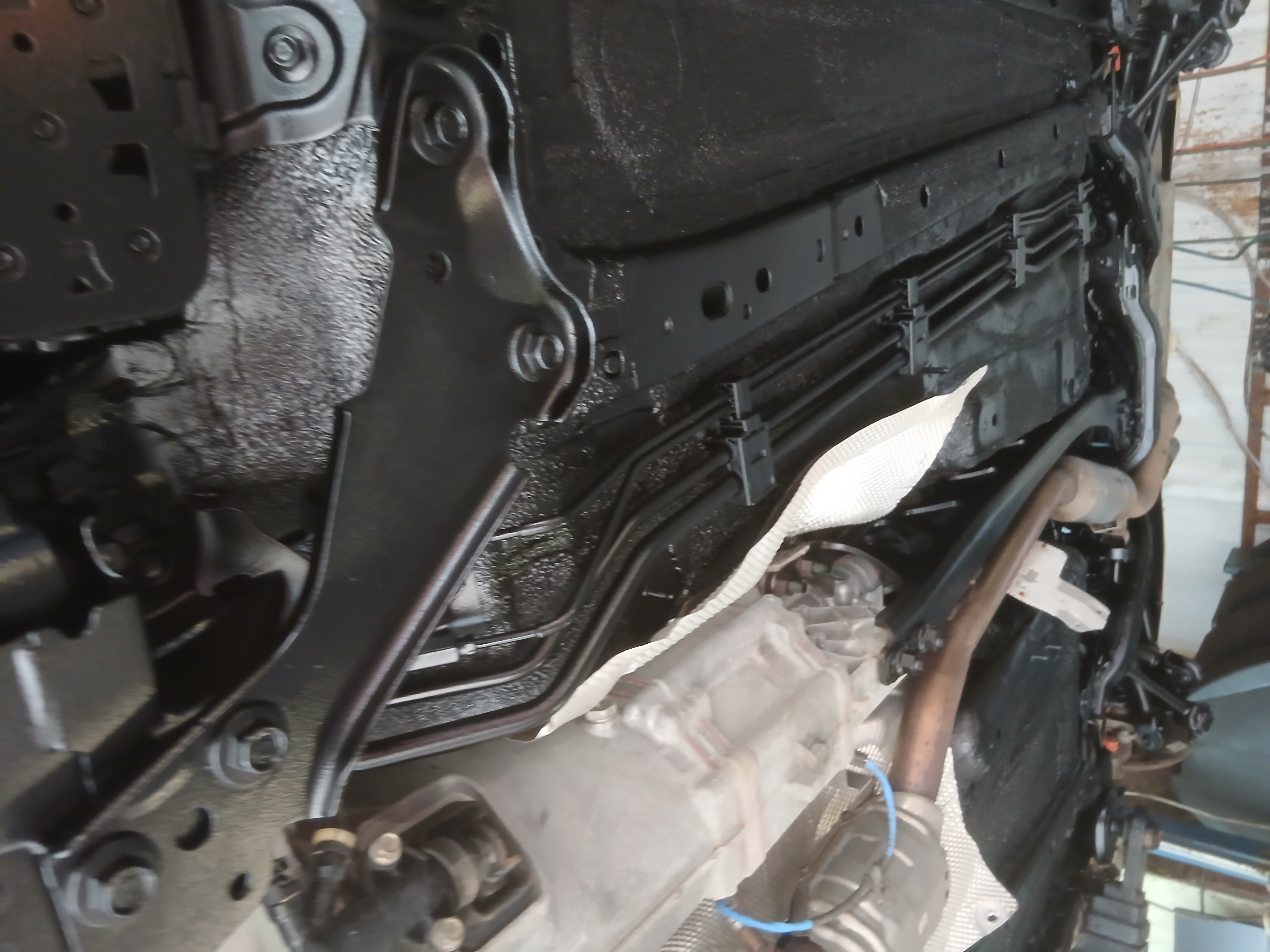
The financial justification: Prevention vs. Regret
Many owners ask if the cost of professional treatment is worth the lifespan. When you look at the numbers, the answer is clear.
The Cost of Neglect: Structural welding repairs for an MOT failure typically cost between £1,000 and £3,000. Furthermore, a vehicle with visible underside corrosion can suffer a £2,000 to £5,000 loss in resale value compared to a pristine, rustproofed equivalent.
The Value of Prevention: A professional treatment performed every few years maintains the "factory fresh" look of your chassis. This not only preserves the structural integrity but acts as a massive selling point should you ever decide to part with the vehicle.
The "Iceberg" of Hidden Rust
Longevity is often misunderstood because owners only look at what is visible. Corrosion in vehicles is like an iceberg; 90% of the damage happens where you can't see it, inside the chassis legs, sills, and box sections.
If you use a quick DIY spray, you might protect the visible surface, but the "inner iceberg" continues to rot. This is why cavity wax is so important; it reaches the areas that external coatings cannot. Without treating the internals, the external coating's lifespan is irrelevant because the metal will eventually fail from within.
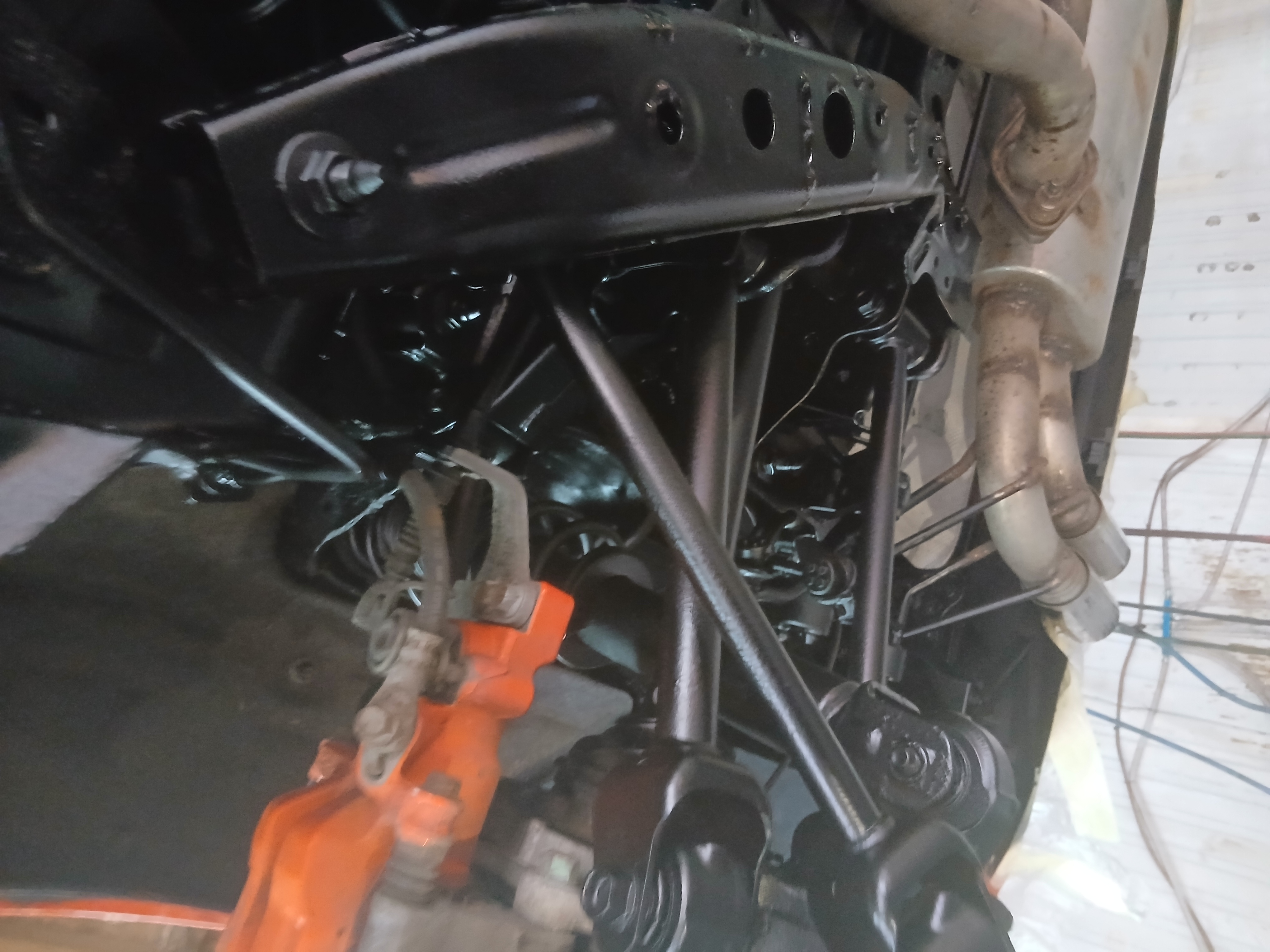
Buyer Intent Comparison: Lifespan & Value
Feature | Cheap "Underseal" | DIY Kits | Rustec Elite Standard |
Typical Lifespan | 12-18 Months | 1-2 Years | 3-5 Years (plus maintenance) |
Preparation Time | 1-2 Hours | 3-5 Hours | 72 Hours |
Internal Cavity Coverage | None | Limited | Comprehensive Injection |
Moisture Risk | High (Traps water) | Moderate | Zero (Industrial Drying) |
Resale Value Impact | Negative/Neutral | Neutral | Significant Positive |
When should you re-apply?
Even the best professional treatments require maintenance. We recommend a complimentary inspection every 12 to 24 months. During these checks, we look for "mechanical damage", areas where the coating may have been scraped off by speed bumps, off-roading, or road debris. A quick top-up of these areas ensures the main barrier remains intact for a decade or more.
Whether your car is a few years old or a brand new purchase, it is never too early to consider rustproofing. In fact, treating a vehicle early is the most cost-effective way to ensure the coating lasts its maximum duration, as there is no existing corrosion to neutralise.
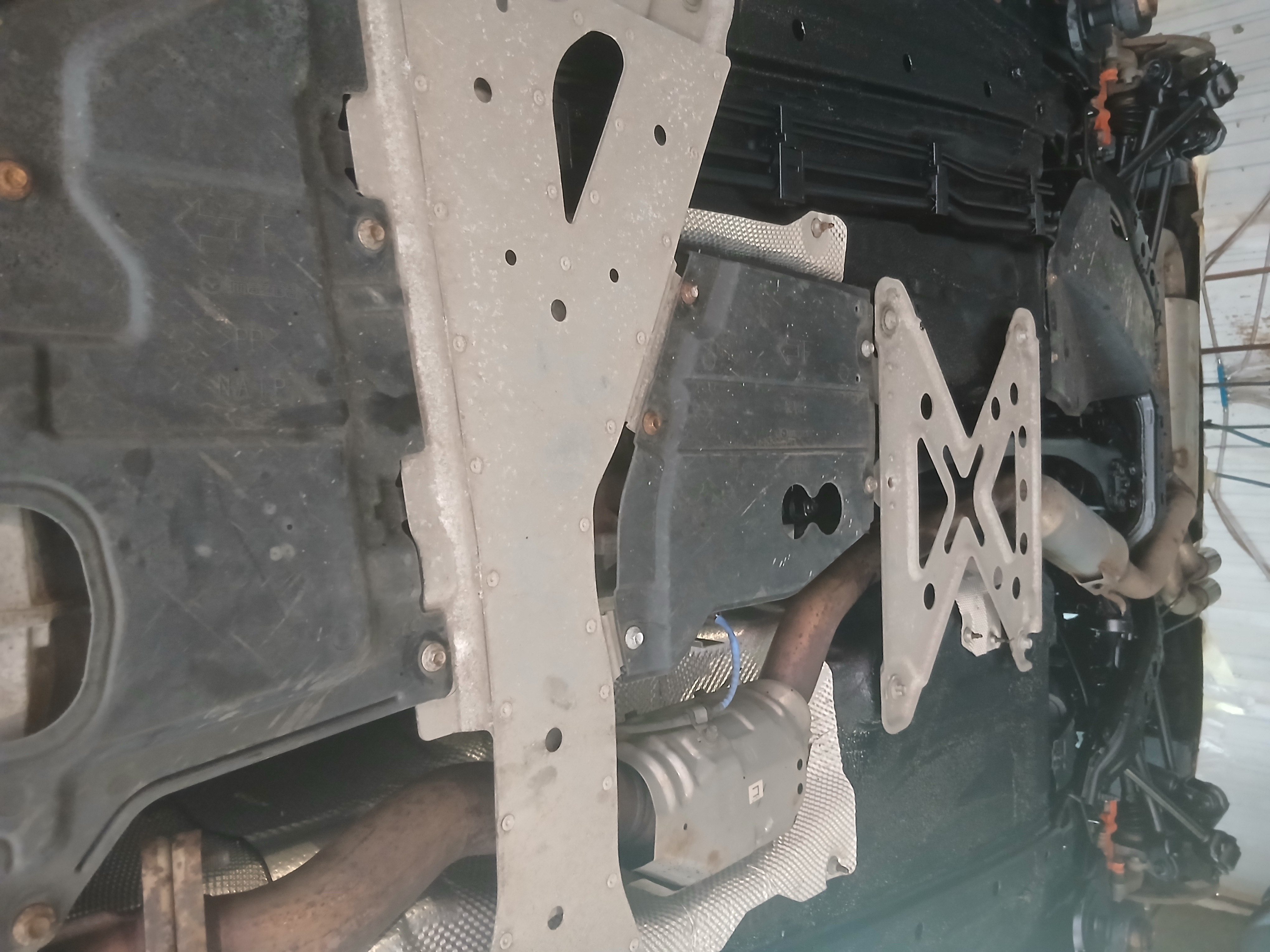
Frequently Asked Questions
Does professional rustproofing last longer than DIY? Yes. The primary difference is the preparation. Most DIYers cannot steam clean and industrially dry a chassis or access the deep internal cavities that professional equipment can reach. Professional application typically lasts 2–3 times longer than DIY attempts.
Will I need to do it every year? No. A full Rustec Elite Standard treatment is designed to last several years. We recommend an annual inspection, but full re-application is usually only necessary every 3 to 5 years depending on your mileage and usage.
Does rustproofing help with the MOT? While rustproofing itself isn't a requirement for an MOT, it prevents the structural corrosion that causes 1-in-5 older vehicles to fail their MOT in the UK. Keeping your chassis clean and protected is the best way to ensure a smooth pass.
Can I pressure wash my car after it's been treated? You should avoid high-pressure blasting of the underbody immediately after treatment. Once cured, you can wash your car, but we recommend gentle rinsing of the underside rather than industrial-strength pressure washing, which can eventually abrade any coating over time.
Summary: A Lifetime of Protection
Professional rustproofing is an investment in time and quality. By following the 72-hour Rustec Elite Standard, we ensure that the protection lasts for years, safeguarding your vehicle against the inevitable UK salt and rain. If you want to maintain your vehicle’s structural integrity and ensure it doesn't become part of the "hidden rust" statistic, professional intervention is the only long-term solution.
If you want to protect your vehicle properly : not just cover it up : the best time to act is before corrosion progresses. You can book a free inspection or request a quote here.
Comments