
Does rustproofing affect MOT results?
The straightforward answer is that rustproofing doesn't directly influence how an MOT test is conducted, but it significantly improves your chances of passing by preventing the structural corrosion that causes failures. Understanding this distinction is crucial for every vehicle owner who wants to maintain MOT compliance and protect their investment.
How Rustproofing Prevents MOT Failures
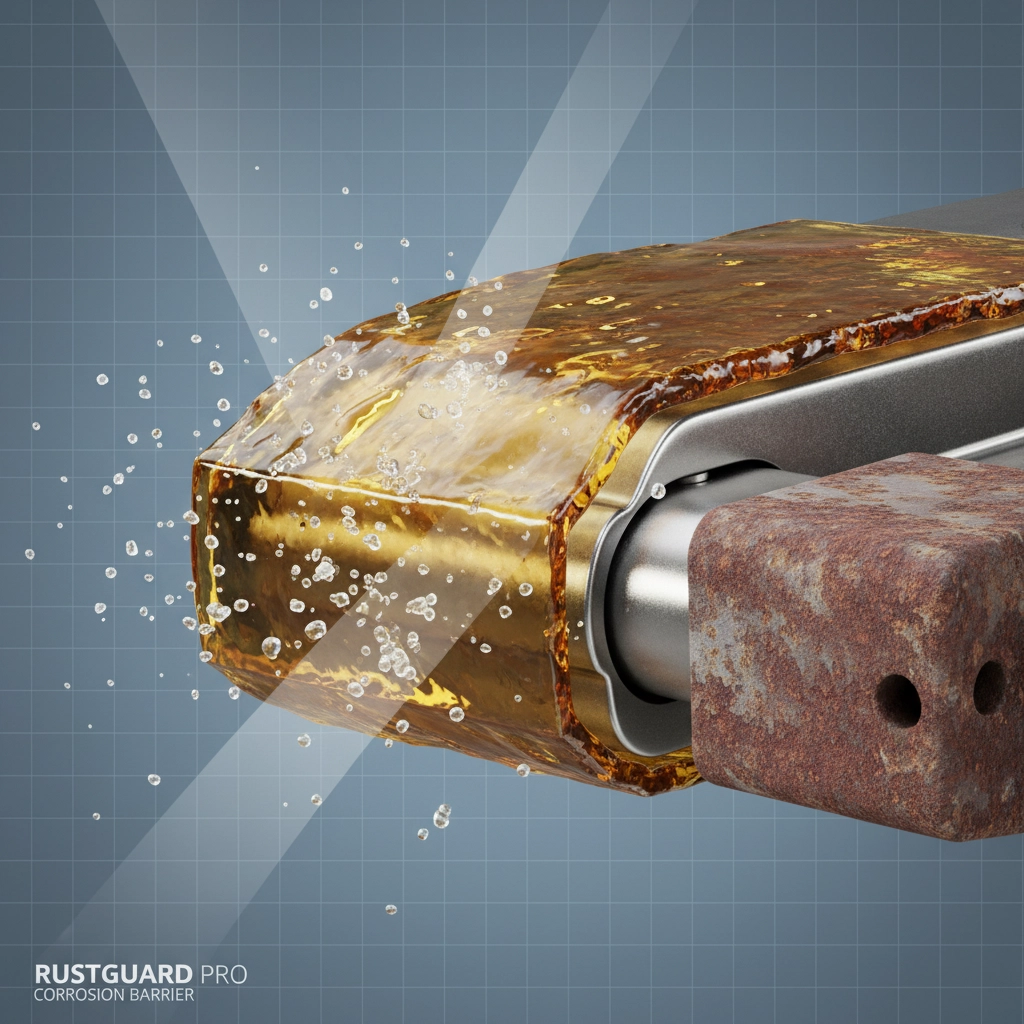
Rustproofing serves as a comprehensive preventive measure that creates a protective barrier against the elements that cause corrosion. When applied correctly using premium products like Dinitrol, this treatment shields vulnerable areas from moisture, road salt, and other corrosive substances that accelerate rust formation.
The key benefit lies in preservation rather than concealment. A properly rustproofed vehicle maintains its structural integrity over time, ensuring that critical components remain sound when examined during MOT testing. This proactive approach prevents the development of dangerous corrosion that would otherwise compromise safety-critical areas.
Professional rustproofing treatments create a long-lasting barrier that penetrates into every crevice and cavity, providing comprehensive protection that amateur applications simply cannot match. This thoroughness becomes particularly important when considering the rigorous inspection standards applied during MOT testing.
What MOT Testers Actually Examine
During an MOT inspection, qualified testers focus exclusively on structural integrity and safety compliance, not on whether rust appears cosmetically covered. The examination follows strict guidelines that prioritise passenger safety and vehicle roadworthiness above all other considerations.
Critical Inspection Points:
Chassis and subframe integrity - Load-bearing components must remain structurally sound
Suspension mounting points - Critical for vehicle control and handling safety
Brake line supports and brackets - Essential for braking system reliability
Seat belt anchor points - Vital for passenger protection during accidents
Floor pan areas - Structural strength affects overall vehicle safety
Sill sections - Key structural elements that maintain body rigidity
Cosmetic surface rust on non-structural components will not result in MOT failure. However, any corrosion that affects the integrity of safety-critical components will immediately trigger a failure notice, requiring professional repair before the vehicle can legally return to the road.
The distinction between cosmetic and structural rust becomes paramount during inspection. Experienced MOT testers can quickly identify whether corrosion poses a genuine safety risk or merely represents aesthetic deterioration that doesn't compromise vehicle function.
Structural Corrosion vs Surface Rust
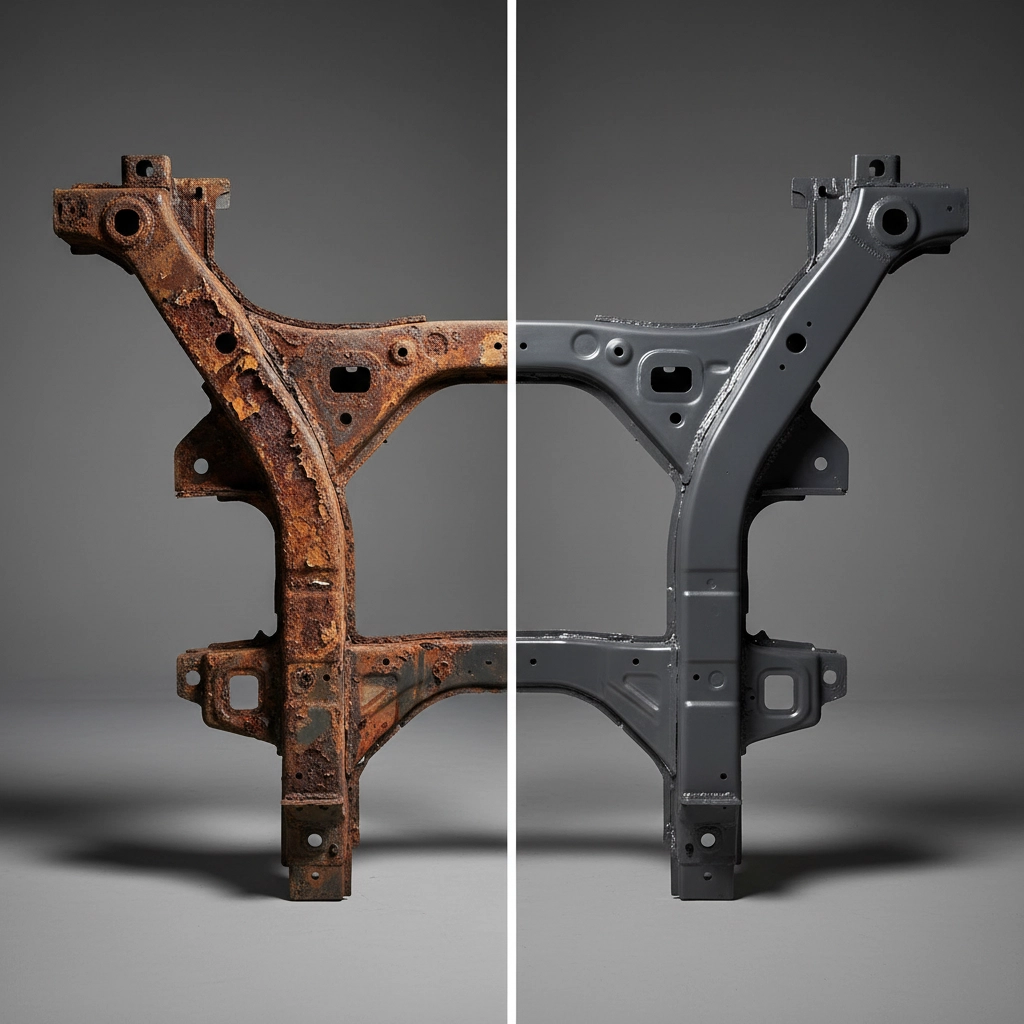
Understanding the difference between structural and cosmetic rust helps vehicle owners appreciate why preventive rustproofing proves so valuable. Surface rust typically appears as light discolouration or minor flaking on exposed metal surfaces, presenting no immediate safety concerns.
Structural corrosion, however, represents a serious safety hazard that develops when rust penetrates deep into load-bearing components. This type of deterioration weakens critical areas, potentially leading to catastrophic failure during normal vehicle operation.
Warning Signs of Structural Corrosion:
Holes or severe thinning in chassis sections
Cracking around suspension mounting points
Separation of welded joints due to rust expansion
Compromised brake line support brackets
Deteriorated seat belt mounting areas
Professional rustproofing prevents this progression by creating an impenetrable barrier that stops corrosion before it reaches dangerous levels. The investment in quality treatment protects against the significant costs associated with structural repairs or vehicle replacement.
The Limitations of Rustproofing for MOT Compliance
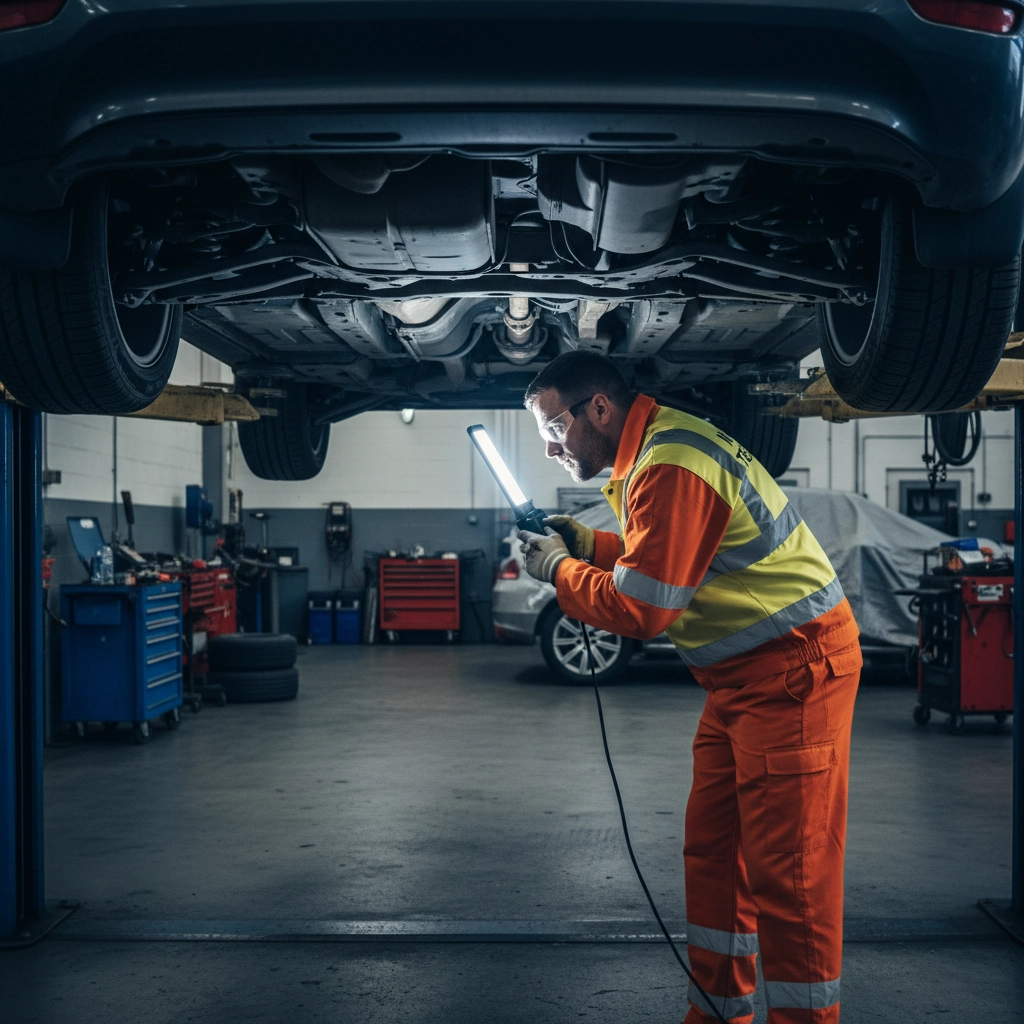
While rustproofing provides excellent protection against future corrosion, it cannot reverse existing structural damage that has already compromised vehicle safety. Attempting to cover serious rust problems with protective coatings will not satisfy MOT requirements if the underlying damage affects structural integrity.
MOT testers receive comprehensive training to identify concealed defects and will thoroughly examine any areas where protective coatings have been recently applied. This professional scrutiny ensures that dangerous vehicles cannot circumvent safety requirements through superficial treatments.
For vehicles with existing rust problems, professional assessment becomes essential before MOT testing. Qualified technicians can determine whether structural repairs are necessary or if the corrosion remains within acceptable limits for continued roadworthiness.
When Rustproofing Makes the Biggest Difference
The most significant impact on MOT results comes from early intervention with comprehensive rustproofing treatment. New vehicles and those with minimal existing corrosion benefit tremendously from professional application of premium protective systems.
Optimal Timing for Maximum Benefit:
New vehicles - Immediate protection before any corrosion begins
Recently serviced vehicles - After thorough cleaning reveals all vulnerable areas
Seasonal preparation - Before winter exposure to road salt and harsh conditions
Post-repair protection - Following professional rust remediation work
Regular maintenance and reapplication of protective treatments ensure continued effectiveness throughout the vehicle's operational life. This ongoing commitment to corrosion prevention dramatically reduces the likelihood of MOT failure due to structural deterioration.
Professional Treatment vs DIY Applications
The quality and comprehensiveness of rustproofing treatment directly influences its effectiveness in preventing MOT failures. Professional applications using products like Dinitrol provide superior coverage and longevity compared to amateur DIY attempts.
Professional Treatment Advantages:
Complete vehicle preparation including thorough cleaning and degreasing
Specialist equipment ensures penetration into all cavities and crevices
Premium products with proven long-term effectiveness
Comprehensive inspection identifies all vulnerable areas
Detailed documentation and warranty protection
Follow-up maintenance programmes to ensure continued protection
Amateur applications often miss critical areas or apply insufficient coverage, leaving vehicles vulnerable to corrosion in exactly the locations that MOT testers examine most carefully. The false economy of DIY treatment frequently results in premature failure and expensive remedial work.
Maintaining MOT Compliance Through Preventive Care
Successful MOT compliance requires ongoing attention to vehicle condition rather than last-minute panic when testing approaches. Regular inspection and maintenance of rustproofing treatment ensures continued protection against the elements that cause structural deterioration.
Preventive Maintenance Schedule:
Annual visual inspection of all protected areas
Immediate attention to any damage or coating breakdown
Professional reapplication according to manufacturer recommendations
Documentation of all maintenance activities for warranty purposes
This systematic approach to corrosion prevention creates a robust defence against the factors that cause MOT failure while protecting the vehicle's long-term value and reliability.
The Investment in Long-Term Compliance
Quality rustproofing treatment represents a strategic investment in maintaining MOT compliance while protecting vehicle value over its entire operational life. The cost of comprehensive protection remains minimal compared to the expenses associated with structural repairs or premature vehicle replacement.
Professional rustproofing services provide detailed quotations that outline exactly what protection your vehicle will receive, ensuring complete transparency and value for money. This investment approach recognises that preventing problems costs significantly less than addressing them after they develop.
For vehicle owners seeking reliable MOT compliance and long-term protection, professional rustproofing treatment offers the most effective solution. The combination of premium products, expert application, and ongoing support ensures your vehicle remains roadworthy and structurally sound for years to come.
Contact our expert team today to discuss comprehensive rustproofing solutions that will keep your vehicle MOT-compliant and protected against the elements that cause costly structural deterioration.
Comments