
Does rain make rust worse?
Yes, rain absolutely makes rust worse. If you've ever wondered whether those frequent British showers are silently damaging your vehicle's underside, the answer is unequivocally yes. Rain doesn't just accelerate existing rust – it actively initiates the corrosion process on unprotected metal surfaces, making professional rustproofing more critical than ever for UK vehicle owners.
Understanding exactly how rain contributes to rust formation is essential for making informed decisions about your vehicle's long-term protection. Whether you drive a brand-new car, a cherished classic, or a hardworking commercial van, the relationship between precipitation and corrosion directly impacts your vehicle's structural integrity, safety, and resale value.
The Science Behind Rain-Accelerated Rust
Rain creates the perfect storm for rust formation through a straightforward chemical process called oxidation. When rainwater contacts iron-containing metals – which includes virtually every vehicle chassis, body panel, and structural component – it initiates a reaction that transforms iron into iron oxide, commonly known as rust.
The process becomes particularly aggressive because rainwater is naturally acidic. As rain falls through the atmosphere, it absorbs carbon dioxide, forming weak carbonic acid. This slightly acidic solution is far more corrosive than pure water, eating away at metal surfaces with remarkable efficiency.
Prolonged exposure to rain significantly hastens corrosion. Once moisture penetrates vulnerable areas like wheel arches, door frames, and undercarriage components, the oxidation process accelerates dramatically. The constant wet-dry cycle that characterises British weather creates ideal conditions for rust to establish, spread, and eventually compromise structural integrity.
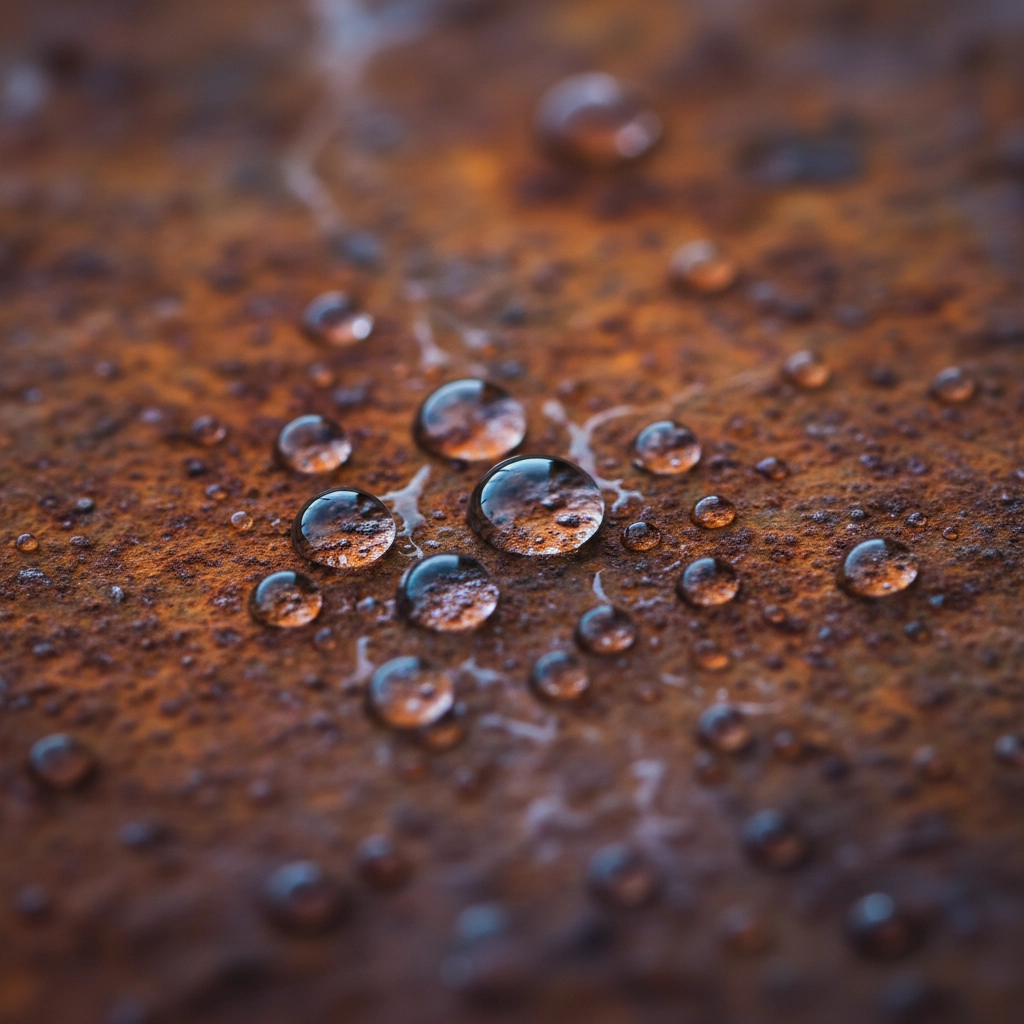
Why Rain is More Dangerous Than You Think
Modern rainwater contains far more than just H2O and carbon dioxide. Industrial pollution, agricultural runoff, and urban contaminants create a corrosive cocktail that attacks metal surfaces. These impurities act as catalysts, speeding up the rusting process and making even light rainfall potentially damaging to unprotected vehicles.
In areas with frequent rain combined with high humidity – essentially describing most of the UK for much of the year – metal faces particularly aggressive conditions. The combination of moisture, temperature fluctuations, and atmospheric pollutants can substantially reduce the lifespan of vehicle components, particularly those exposed to the elements.
UK-Specific Rust Acceleration Factors
British vehicles face unique challenges that make rain-related rust formation especially problematic. Our climate combines frequent precipitation with temperature variations that create optimal corrosion conditions throughout most of the year.
Road salt application during winter months compounds the problem exponentially. When autumn and winter rains mix with residual road salt, the resulting solution becomes an aggressive electrolyte that causes metal to lose electrons rapidly. This accelerated oxidation process can cause significant damage in surprisingly short timeframes.
The Midlands and northern regions experience particularly challenging conditions, where heavy rainfall combines with industrial pollution and frequent freeze-thaw cycles. Coastal areas face additional challenges as sea salt combines with rainwater to create exceptionally corrosive conditions.
Seasonal Rust Patterns
Autumn represents the highest risk period for rain-related rust acceleration. September through November typically sees increased rainfall just as road salt applications begin. This combination creates aggressive conditions that can initiate rust formation on previously unaffected surfaces.
Winter rain is particularly devastating because it often follows snow, meaning moisture encounters surfaces already compromised by road salt exposure. The constant wet conditions prevent proper drying, maintaining the moisture levels necessary for sustained oxidation.
Spring rainfall, while generally lighter, poses risks because it reactivates salt deposits that have accumulated over winter. Even small amounts of precipitation can create highly corrosive conditions when they dissolve crystallised salt deposits.
The Hidden Damage of Acid Rain
Acid rain presents an escalated threat that can hasten rust formation faster than regular precipitation. Industrial emissions and vehicle exhaust create sulphur dioxide and nitrogen oxides that combine with atmospheric moisture to form sulphuric and nitric acids.
These acids attack metal surfaces aggressively, stripping away protective coatings and exposing bare metal to further oxidation. Areas near major industrial centres, airports, and busy motorways experience higher acid rain concentrations, making professional protection essential for vehicles regularly exposed to these environments.
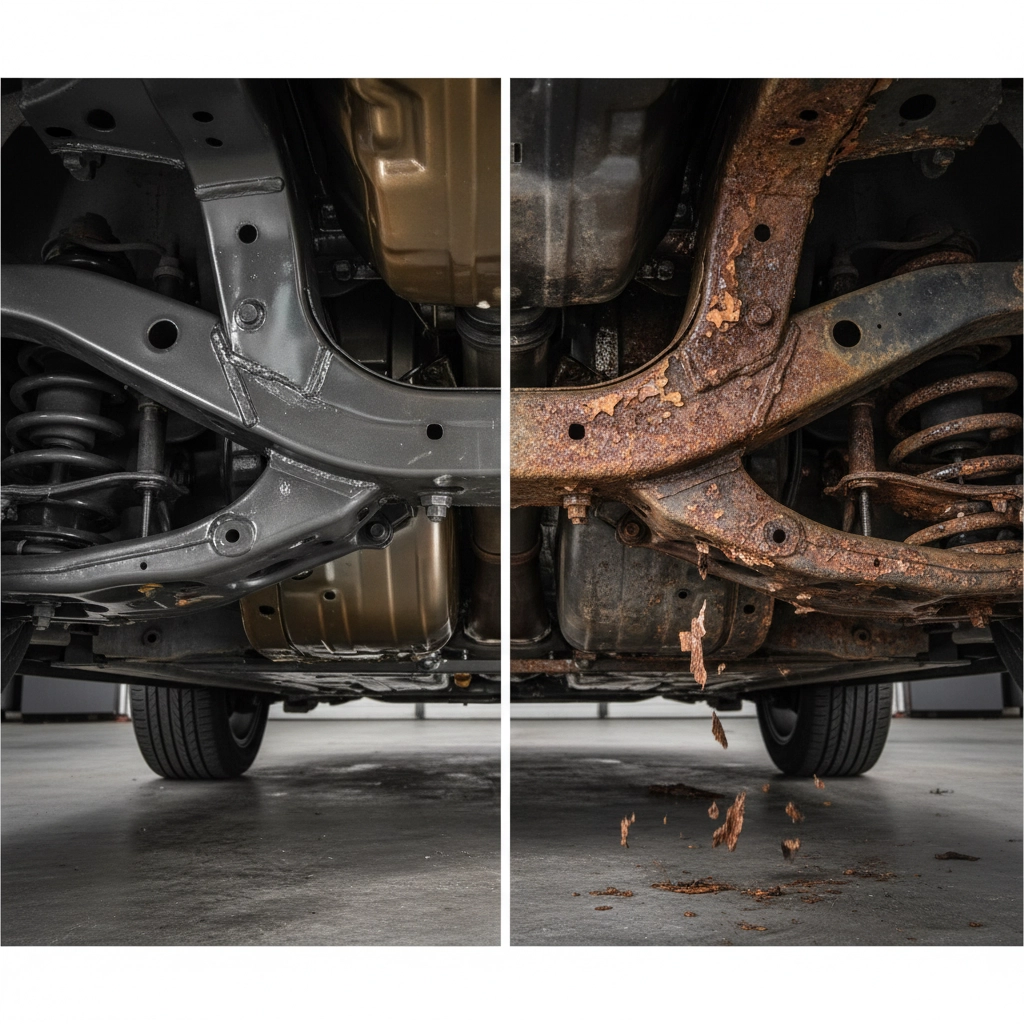
The damage often occurs invisibly, with acid rain eating away at underbody protection and primer coatings long before visible rust appears on surface panels. By the time rust bubbles become visible, significant structural damage may already have occurred.
Protecting Your Investment from Rain Damage
Professional rustproofing provides comprehensive protection against rain-related corrosion through multiple barrier systems. Quality treatments like Dinitrol create waterproof barriers that prevent moisture penetration while neutralising existing corrosive elements.
Modern rustproofing systems address the complete vehicle, protecting not just obvious areas like the chassis and wheel arches, but also vulnerable cavity spaces where rainwater commonly accumulates. Door frames, sills, and structural joints receive particular attention because these areas typically show rust damage first.
Cavity wax injection ensures comprehensive protection by reaching areas where rainwater commonly pools but traditional treatments cannot access. These internal spaces often develop serious rust problems before external inspection reveals any damage.
The Importance of Timing
Autumn represents the optimal time for rustproofing application because it provides maximum protection before winter weather arrives. Professional treatment applied in September or October creates a protective barrier before road salt application and increased rainfall create aggressive corrosive conditions.
However, spring applications also provide excellent value, removing accumulated corrosive deposits while protecting against summer humidity and frequent shower activity. The key is establishing protection before rust formation begins, as prevention is always more effective and economical than repair.

Long-Term Value Protection
Rain damage doesn't just affect vehicle appearance – it directly impacts safety, reliability, and resale value. Structural rust can compromise crucial safety systems, while cosmetic corrosion significantly reduces market value.
Professional rustproofing treatments typically provide protection for multiple years when properly applied by experienced technicians. The investment in quality protection pays dividends through extended vehicle life, reduced repair costs, and maintained resale value.
Commercial vehicle owners particularly benefit from rain protection because downtime for rust repairs can be extremely costly. A comprehensive rustproofing programme ensures reliable service life and protects significant capital investments.
Professional Assessment and Treatment
A thorough inspection reveals existing rain damage and identifies vulnerable areas requiring immediate attention. Professional technicians understand how rainwater travels through vehicle structures and can identify problem areas before serious damage occurs.
Modern rustproofing facilities use comprehensive preparation procedures that remove existing corrosion while preparing surfaces for optimal treatment adhesion. This methodical approach ensures maximum protection against future rain damage.
Quality treatments include detailed documentation of work completed, providing peace of mind and supporting warranty coverage. Professional application ensures coverage of all vulnerable areas using appropriate products for specific applications.
Don't Wait – Protect Your Vehicle Today
The relationship between rain and rust formation makes professional protection essential for all UK vehicles. Every day of delay allows moisture to penetrate deeper into vulnerable areas, making eventual treatment more complex and expensive.
Contact Rustec today to schedule your comprehensive rustproofing treatment. Our experienced technicians provide thorough inspection services, detailed treatment recommendations, and professional application using premium Dinitrol products.
With winter weather approaching and rainfall increasing, now is the perfect time to establish comprehensive protection against rain-related rust damage. Don't let British weather destroy your investment – take action today to ensure your vehicle remains rust-free for years to come.
Book your rustproofing consultation now and discover why thousands of UK vehicle owners trust Rustec for professional corrosion protection. Your vehicle deserves the best defence against rain, salt, and time.
Comments