
Do modern cars rust?
The short answer is yes, modern cars still rust. Despite significant advances in automotive technology, materials, and manufacturing processes, corrosion remains an inevitable challenge that all vehicles will eventually face. However, the story is more nuanced than a simple yes or no.
While modern cars are considerably more resistant to rust than their predecessors from the 1970s and 1980s, they haven't eliminated the problem entirely. Understanding why modern cars rust, where they're vulnerable, and what you can do about it is crucial for protecting your investment.
Why Modern Cars Are More Rust-Resistant
Advanced Paint Systems and Protective Coatings
Modern vehicles benefit from sophisticated multi-stage paint processes that provide superior corrosion protection. Most contemporary cars undergo a comprehensive treatment involving primer, sealer, and final paint application, creating multiple barriers between the metal bodywork and environmental elements.
These modern paint systems contain advanced chemical additives that form an invisible shield against moisture penetration. Additionally, manufacturers apply specialized anti-corrosion waxes to particularly vulnerable areas such as wheel rims, door frames, and structural joints during production.
Galvanized Steel Construction
Perhaps the most significant advancement in rust prevention is the widespread adoption of galvanized steel in vehicle manufacturing. The steel used in modern car production undergoes hot-dip galvanization at the end of the steel production process, coating the metal with a protective zinc layer that provides exceptional corrosion resistance.
This galvanized coating acts as a sacrificial barrier – even if the steel is scratched or damaged, the zinc coating continues to protect the underlying metal from oxidation.
Improved Design and Engineering
Modern vehicle design has evolved to minimize rust-prone areas through several key improvements:
Enhanced Water Management: Contemporary cars are engineered to be significantly more watertight than older vehicles, with improved seals and drainage systems that prevent water accumulation in vulnerable areas.
Reduced Corrosion Points: Manufacturers have redesigned vehicles to eliminate traditional rust traps. Gone are the deep pockets where mud and debris could gather, and many rust-prone seams have been removed entirely from modern designs.
Better Fastening Methods: Modern vehicles predominantly use bolts instead of rivets for attaching body sections, allowing for tighter seals that are less susceptible to water intrusion.

Where Modern Cars Remain Vulnerable
Despite these improvements, rust formation continues to occur in specific areas where the protective measures are compromised or insufficient.
High-Stress Areas
The locations most susceptible to rust are where the steel has been bent, welded, or subjected to stress during manufacturing. These areas include:
Door frames and hinges where repeated movement can compromise protective coatings
Body panel joints where welding can create vulnerabilities
Wheel arches exposed to road spray and debris impact
Structural mounting points where brackets and components attach to the chassis
Chassis and Suspension Components
Vehicle frames and suspension systems remain particularly vulnerable to corrosion, especially in areas where protective coatings may be thinner or where stone chips and road debris can damage the surface protection.
Every Weld Point and Bend
Professional rustproofing experts understand that every spot weld, bend, and hinge represents a potential entry point for moisture and corrosion. These areas require particular attention and specialized protection methods.
UK-Specific Rust Challenges
Road Salt and Winter Conditions
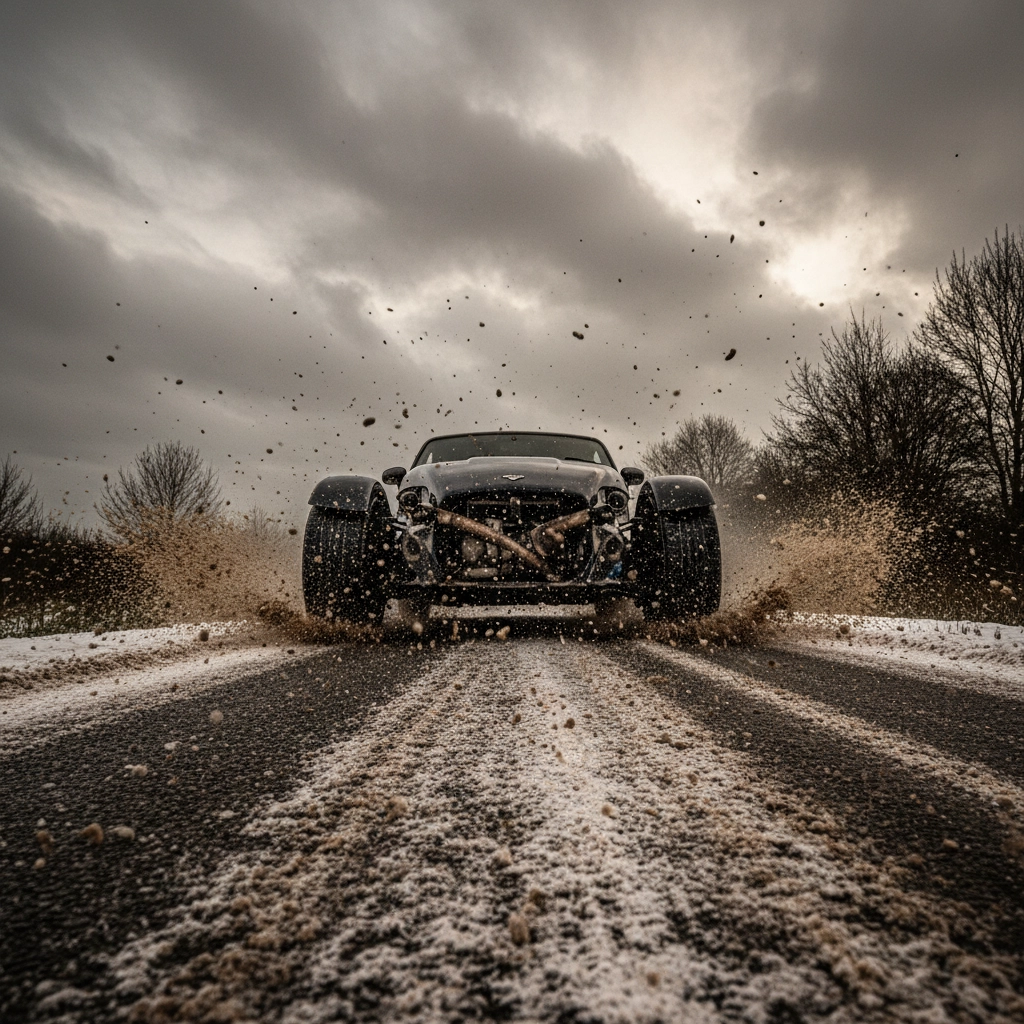
The UK's extensive use of road salt during winter months creates an exceptionally aggressive corrosion environment. Salt accelerates the oxidation process dramatically, making vehicles in the UK more susceptible to rust than those in drier climates.
Coastal and High-Humidity Environments
Properties near the coast face additional challenges from salt-laden air, while the UK's generally high humidity levels create persistent moisture conditions that promote corrosion throughout the year.
Poor Drainage and Standing Water
UK roads often suffer from poor drainage, creating conditions where vehicles regularly encounter standing water, puddles, and spray that can penetrate protective systems and reach vulnerable metal components.
The Reality for Modern Car Owners
Rust Development Timeline
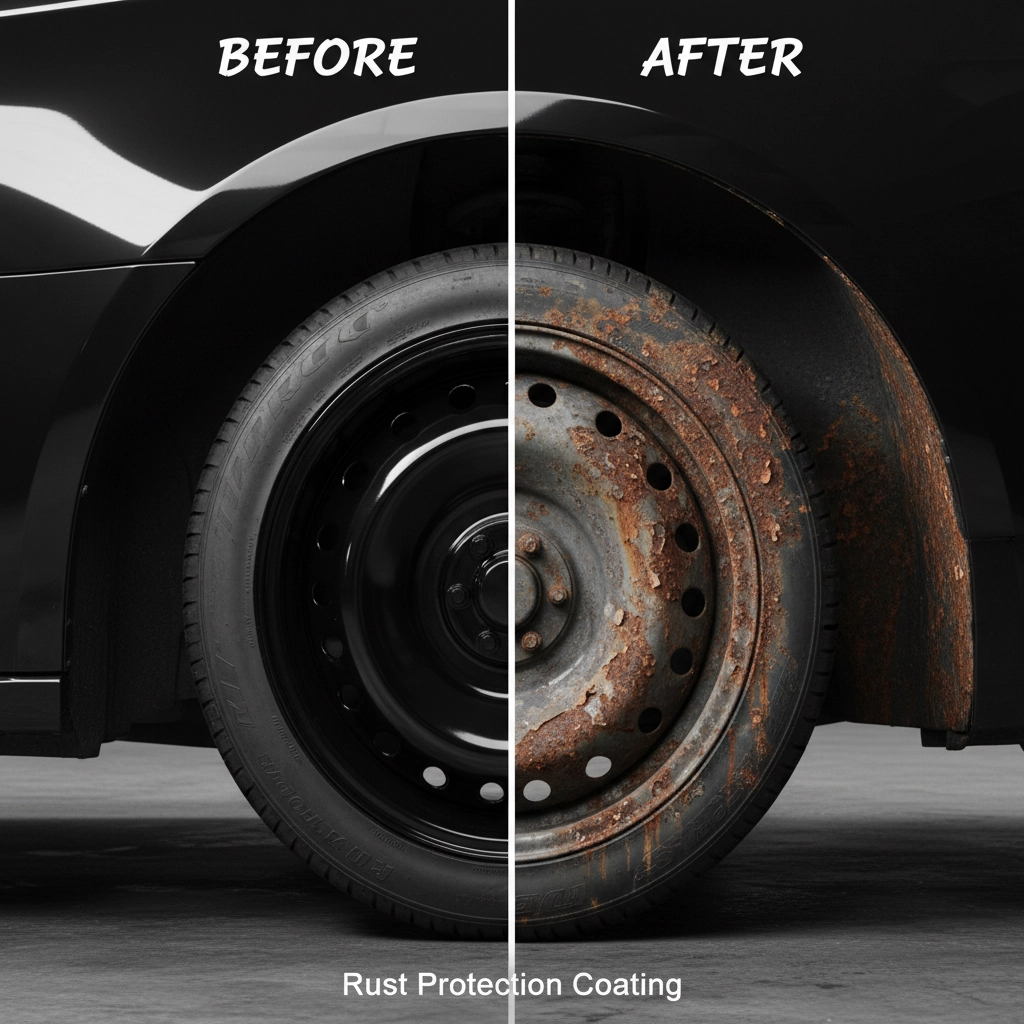
While modern cars resist rust formation better than older vehicles, corrosion typically begins developing within the first few years of ownership, particularly in areas exposed to road salt and environmental contaminants. The process may be slower, but it remains inevitable without proper protection.
Hidden Corrosion
Modern rust often develops in concealed areas where it may go unnoticed for years. By the time visible rust appears on the exterior, significant structural damage may have already occurred underneath the vehicle.
Accelerated Deterioration
Ironically, while modern cars are slower to start rusting, once corrosion takes hold, it can progress more rapidly due to the complex alloys and thinner steel sections used in contemporary vehicle construction.
Why Factory Protection Isn't Enough
Limited Coverage
Manufacturer rust protection typically focuses on visible areas and major structural components, often leaving critical areas like cavities, joints, and hidden surfaces inadequately protected.
Wear and Deterioration
Factory-applied protective coatings naturally deteriorate over time, especially under the harsh conditions found on UK roads. The protection provided by manufacturers is designed to meet warranty requirements rather than provide lifetime protection.
Warranty Limitations
Most manufacturer corrosion warranties contain significant exclusions and only cover perforation rust, not the surface corrosion that can compromise structural integrity and aesthetic appeal.
The Importance of Proactive Rustproofing
Long-term Value Protection
Professional rustproofing significantly extends vehicle life and maintains resale value. The cost of comprehensive rust prevention is minimal compared to the expense of rust repair or premature vehicle replacement.
Comprehensive Coverage
Professional rustproofing services like those provided by Rustec offer complete protection for all vulnerable areas, including hard-to-reach cavities, joints, and structural components that factory protection may miss.
Advanced Materials and Methods
Professional rustproofing employs superior products such as Dinitrol cavity wax and advanced application techniques that provide longer-lasting, more comprehensive protection than factory treatments.
When to Act
New Vehicle Protection
The optimal time for rustproofing is within the first year of ownership, before any corrosion has begun. This allows the protective treatments to bond effectively with clean, undamaged metal surfaces.
Seasonal Considerations
The best time for rustproofing application is during warmer months when products can cure properly and provide maximum effectiveness before winter salt application begins.
Don't Wait for Visible Rust
By the time rust becomes visible, significant damage has already occurred. Proactive protection is always more effective and economical than reactive repair.
Professional Rustproofing Solutions
Comprehensive Treatment Programs
Rustec's professional rustproofing services provide complete protection using premium Dinitrol products specifically formulated for UK conditions. Our treatments include:
Thorough undercarriage cleaning to prepare surfaces
Cavity wax injection for internal protection
Comprehensive undercarriage coating for external surfaces
Detailed inspection and documentation of the treatment process
Long-term Protection Guarantee
Our Rustec Guarantee provides peace of mind with comprehensive coverage and follow-up services to ensure your vehicle remains rust-free throughout its life.
Expert Application
Professional application ensures complete coverage of all vulnerable areas using specialized equipment and techniques that DIY treatments cannot match.
Conclusion
Modern cars do rust, but they don't have to succumb to corrosion if properly protected. While advances in automotive technology have significantly improved rust resistance, they haven't eliminated the need for additional protection, especially in the challenging UK environment.
The question isn't whether your modern car will rust – it's whether you'll take proactive steps to prevent it. Professional rustproofing represents a small investment that protects a significant asset, ensuring your vehicle maintains its value, performance, and safety throughout its operational life.
Contact Rustec today to discuss comprehensive rustproofing solutions tailored to your vehicle's specific needs and the unique challenges of UK driving conditions.
Comments