
Can rustproofing stop rust that has already started?
If you’ve crawled under your car and spotted the dreaded orange-brown hue of corrosion, your first thought is probably: "Is it too late?"
The short answer is no, it is not too late, provided the rust is still at a surface level. High-quality rustproofing treatments are specifically designed to penetrate existing surface oxidation, neutralise it, and cut off the oxygen and moisture required for it to spread. However, if the rust has already compromised the structural integrity of the metal: meaning there are holes or "flaking" layers: rustproofing cannot fix what is already broken. In those cases, you need a welder, not a coating.
In this guide, we’ll explain how professional treatment arrests existing corrosion, why the "cover-up" approach is dangerous, and how to tell if your vehicle is still a candidate for protection.
Surface Rust vs. Structural Rot: Knowing the Difference
Before deciding on a treatment, you need to understand what you are looking at. Not all rust is created equal.
Surface Rust: This is the early stage. It looks like a thin layer of dust or discoloration on the surface of the metal. While it looks unsightly, the metal underneath is still solid. At this stage, rustproofing is highly effective.
Scale Rust: This is deeper. The metal starts to pit, and you might see "scales" or flakes coming off. This is a warning sign. It can often still be treated, but it requires significantly more preparation to get back to a solid substrate.
Structural Rot (Perforation): If you can poke a screwdriver through the metal, or if the edges of a component look like Swiss cheese, rustproofing will not help. You cannot "waterproof" a hole.
In UK conditions, corrosion is not a question of if : but when. Because our roads are heavily salted and our climate is persistently damp, even a three-year-old car can begin to show signs of surface rust.
How Rustproofing "Stops" Existing Rust
Rust is a chemical reaction called oxidation. It requires three things: iron (your car), oxygen, and an electrolyte (water/salt). If you remove any one of those, the reaction stops.
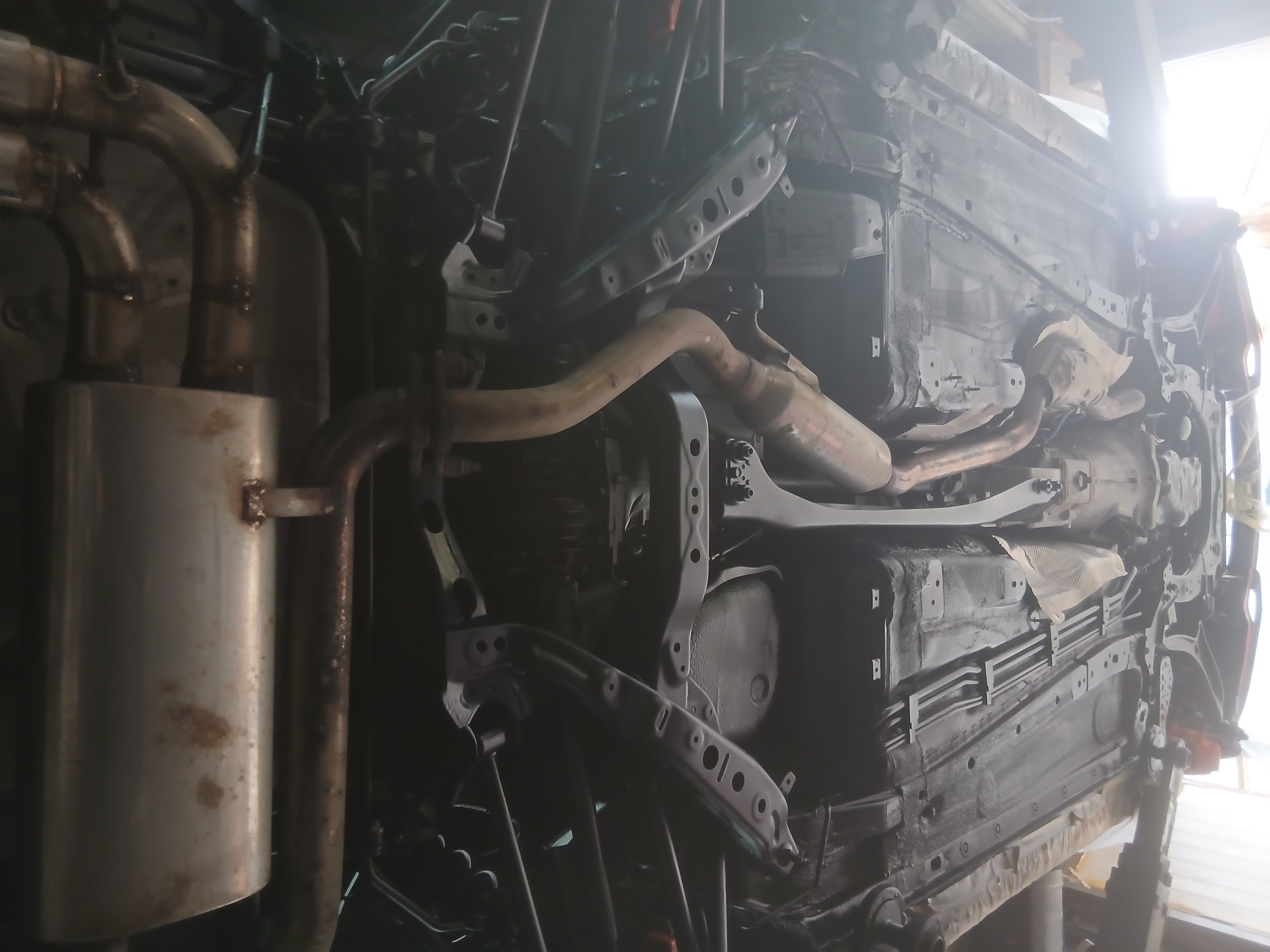
Professional rustproofing works as a "fire blanket" for your chassis. Just as a fire blanket smothers a flame by removing oxygen, a premium underbody coating smothers rust. High-viscosity cavity waxes and underbody fluids (like those used in the Rustec Elite Standard) are designed to "creep" into the microscopic pores of existing rust. They displace any trapped moisture and seal the metal behind an airtight, watertight barrier.
By isolating the existing oxidation from the environment, we effectively put the rust into "hibernation." It doesn't disappear, but it can no longer grow.
The Danger of the "Quick Fix" (Why Prep is Everything)
There is a massive misconception that you can simply spray a black coating over rust to "fix" it. This is one of the most expensive mistakes a vehicle owner can make.
A poor rustproofing job can be worse than doing nothing, as it traps moisture and accelerates corrosion.
If you apply a thick, non-breathable bitumen or "rubberised" coating over existing rust without proper preparation, you are essentially creating a moisture sandwich. The rust will continue to eat the metal from the inside out, hidden beneath the black coating. By the time the coating bubbles or falls off, the damage is usually structural and requires thousands of pounds in welding repairs.
For a treatment to actually stop existing rust, the surface must be meticulously cleaned and dried. This is why we argue that the most effective rustproofing methods for UK conditions always prioritise preparation over the product itself.
The "Iceberg" Model of Corrosion
Think of vehicle rust like an iceberg. What you see on the outside of a chassis rail is often only 10% of the problem. The real danger is the "hidden rust" inside the box sections, sills, and pillars. This is "inside-out" corrosion. While the exterior might look okay, the internal cavities are often collecting damp mud and salt, rotting away in secret. This is why professional cavity wax injection is a mandatory part of any real solution.
The Rustec Elite Standard: A 72-Hour Process
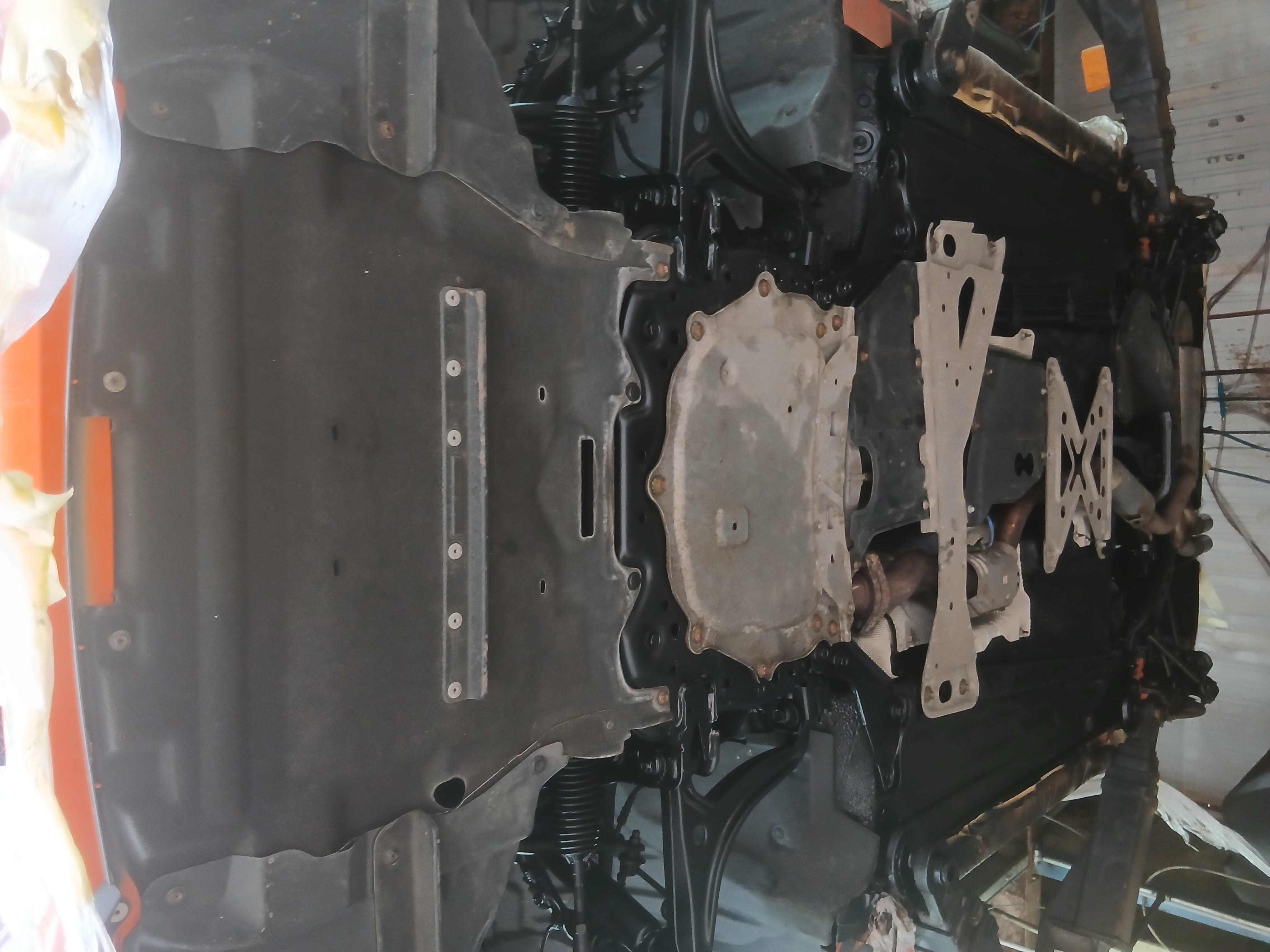
At Rustec, we don't believe in "same-day" turnarounds. If a garage tells you they can wash, dry, and rustproof your car in four hours, they are likely trapping moisture. To truly stop existing rust, we follow a rigorous 72-hour Elite Standard:
Deep Clean & Decontamination: A full undercarriage steam clean to remove all salt, grease, and road grime.
Extended Drying Phase: The vehicle is placed in a temperature-controlled environment with industrial air movers. We do not apply products to damp metal.
Meticulous Masking: We mask off brakes, exhaust systems, and electrical sensors to ensure the treatment only goes where it should.
Surface Treatment: Any loose scale is removed, and existing surface rust is treated with high-penetration oils.
Cavity Injection & Underbody Coating: We use premium Dinitrol® products to coat internal cavities and the external chassis, providing a dual-layer defence.
The Financial Reality: Prevention vs. Cure
Many owners hesitate at the cost of professional rustproofing, but the alternative is far more expensive.
The Cost of Neglect: A single MOT failure for "excessive corrosion near a mounting point" can easily result in a £1,000–£3,000 welding bill. Furthermore, a rusted underside can lead to a £2,000–£5,000 loss in resale value, as savvy buyers (and dealers) will walk away from a vehicle with a "crusty" subframe.
The Cost of Protection: A professional underbody treatment is a fraction of that cost and acts as an investment in the vehicle’s longevity.
In the UK, where cars rust faster than in almost any other country, the "wait and see" approach is essentially a decision to let your vehicle depreciate.
Buyer’s Comparison: DIY vs. Professional Treatment
Feature | DIY Spray Can | Standard "Quick" Garage | Rustec Elite Standard |
Preparation | Wire brush (minimal) | Pressure wash | Industrial Steam Clean & 24hr Dry |
Cavity Coverage | External only | Limited | Full Internal Cavity Injection |
Materials | Consumer grade | Mixed/Cheap | Premium Dinitrol® Systems |
Longevity | 6–12 Months | 1–2 Years | 5+ Years (with maintenance) |
Risk | High (Traps moisture) | Moderate | Minimal |
Frequently Asked Questions
Can I rustproof over rust myself?
You can apply consumer-grade products, but without the ability to steam clean the chassis and professionally dry it, you risk trapping salt and moisture against the metal. DIY attempts often fail to reach the internal cavities where the most dangerous rust lives.
Does rustproofing help pass an MOT?
Yes. MOT testers look for structural integrity. By stopping surface rust from turning into structural rot, you prevent the kind of corrosion that leads to mandatory failures and expensive welding.
How do I know if my rust is too far gone?
We recommend a comprehensive guide on rust on cars: causes, prevention & repair to identify the stages of decay. However, the best way is a physical inspection. If the metal is flaking away in large chunks, it’s likely too late for rustproofing alone.
Is it worth it on an older car?
Absolutely. If the car is structurally sound, stopping the clock on further decay is the best way to keep an older vehicle on the road for another decade. For classics and high-value 4x4s, it is practically mandatory.
Final Takeaway
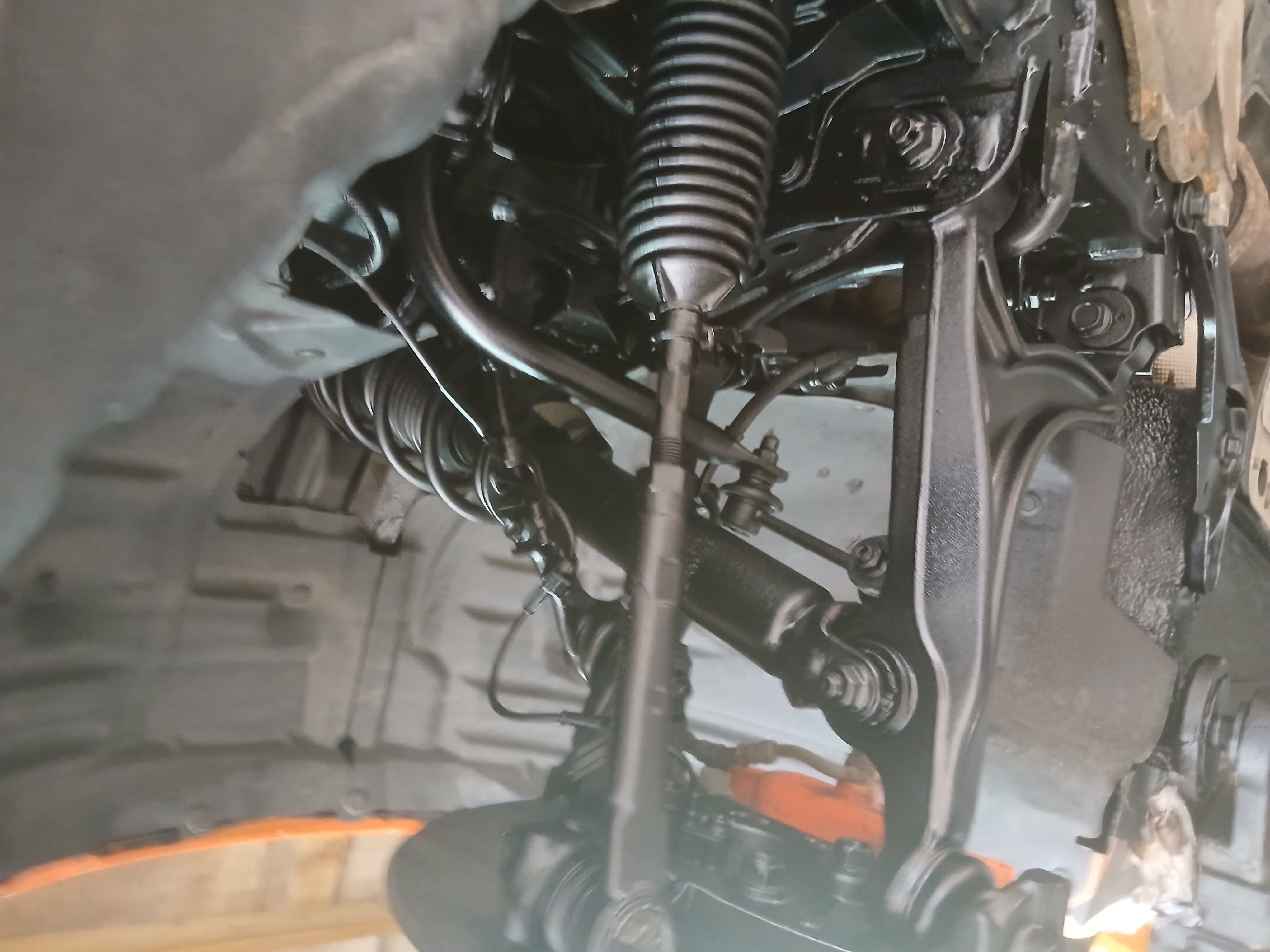
You can stop rust that has already started, but you cannot "spray away" neglect. The effectiveness of the treatment depends entirely on the quality of the preparation and the ability of the product to reach the hidden areas of the chassis.
If you ignore surface rust today, you are essentially scheduling a date with a welder tomorrow. Early action is always the lowest-cost path to keeping your vehicle safe and valuable.
If you want to protect your vehicle properly : not just cover it up : the best time to act is before corrosion progresses. You can book a free inspection or request a quote here.
Comments