
Can rustproofing damage sensors or electronics?
- Lloyd Saunders
- Jan 18
- 5 min read
Modern vehicles are packed with sophisticated electronics, sensors, and delicate wiring systems that control everything from anti-lock braking to parking assistance. It's no surprise that vehicle owners increasingly ask whether rustproofing treatments could interfere with these sensitive components. The short answer is: it depends entirely on the type of rustproofing product and application method used.
When applied correctly using high-quality spray-type products, professional rustproofing is completely safe for your vehicle's electronics and sensors. However, choosing the wrong product or inexperienced application can indeed cause problems. This comprehensive guide explains everything you need to know about protecting both your vehicle's bodywork and its electronic systems.
Why Vehicle Owners Are Concerned
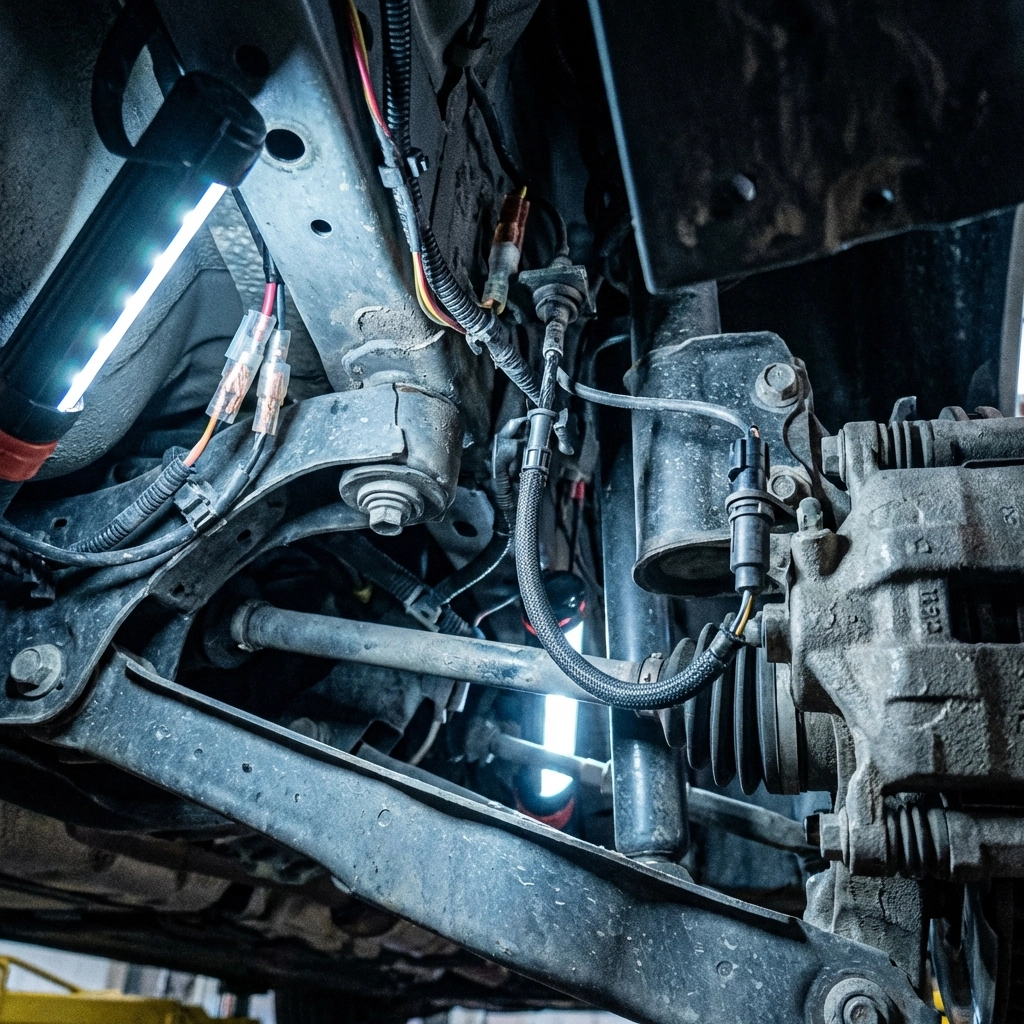
Today's vehicles are fundamentally different from those manufactured even a decade ago. A modern car, van, or 4x4 contains dozens of sensors located throughout the chassis and undercarriage, including:
ABS wheel speed sensors positioned near each wheel hub
Oxygen sensors in the exhaust system
Parking sensors integrated into bumpers
Traction control sensors monitoring wheel slip
Temperature sensors throughout the engine bay and underside
Wiring looms and connectors running along the chassis rails
With so many electronic components in rust-prone areas, the concern about rustproofing interference is entirely valid. Understanding which products pose risks: and which are specifically engineered for modern vehicles: is essential before committing to any treatment.
The Critical Difference: Hard Undercoatings vs Spray Rustproofing
Not all rustproofing products are created equal, and this distinction is crucial when it comes to protecting your vehicle's electronics.
Hard Undercoatings: The Problematic Option
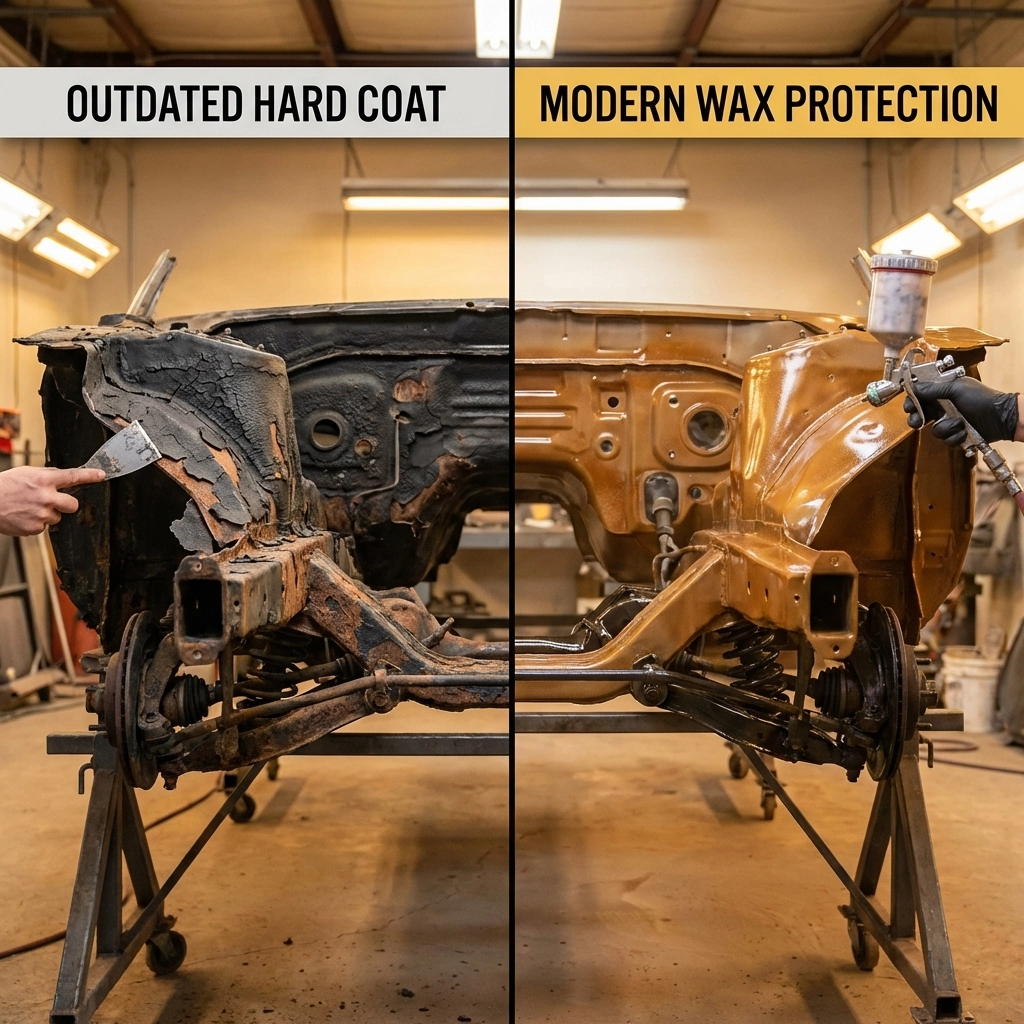
Traditional hard undercoatings: thick, rubberised compounds that set solid after application: present genuine risks to modern vehicles. These products can:
Physically block sensors, preventing them from functioning correctly
Trap moisture beneath the coating, accelerating hidden corrosion
Crack over time, allowing water ingress while appearing intact
Interfere with wiring connections if applied carelessly
Many manufacturers of hybrid and electric vehicles specifically advise against hard undercoating treatments. This isn't merely a precaution: it's because rigid coatings can genuinely disrupt the electronic systems these vehicles rely upon for safe operation.
Spray-Type Rustproofing: The Safe Alternative
Professional-grade spray rustproofing products, such as Dinitrol, are engineered specifically to be safe for modern vehicles with complex electronic systems. These products offer several key advantages:
Non-conductive formulation that won't interfere with electrical connections
Water-dispersing properties that actively protect wiring from moisture
Flexible application that doesn't block sensor surfaces
Self-healing characteristics that maintain protection over time
Independent laboratory testing has confirmed that quality spray-type rust inhibitors do not harm vehicle sensors or electronic components. In fact, these products can actually enhance electrical reliability by protecting connectors and wiring from the corrosion that causes electrical faults.
How Quality Spray Rustproofing Protects Electronics
Understanding how products like Dinitrol work helps explain why they're safe for sensitive components.
Water Displacement Technology
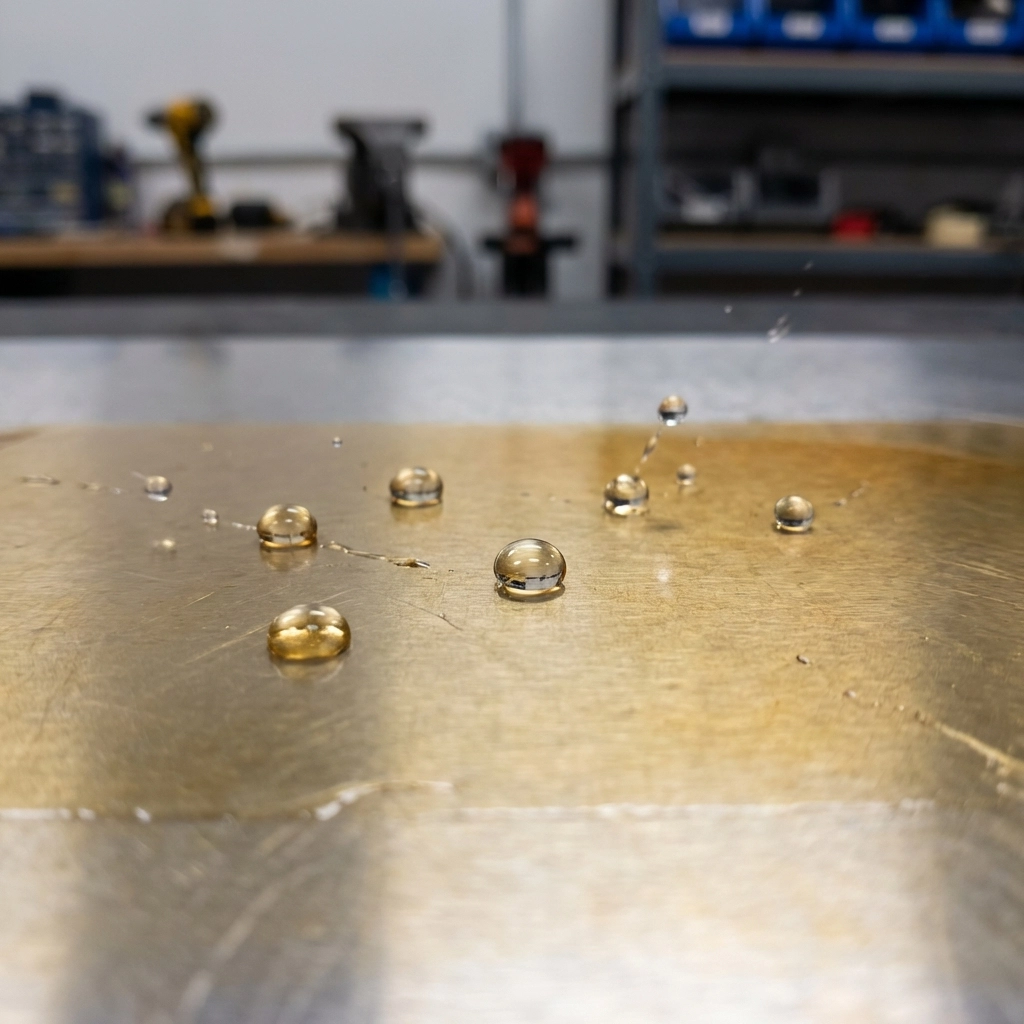
Premium spray rustproofing products are formulated to displace moisture rather than trap it. When applied to wiring connectors and sensor housings, the treatment actively pushes water away from electrical contact points. This water-dispersing action provides ongoing protection against the corrosion that causes intermittent electrical faults: a common problem in UK vehicles exposed to our damp climate.
Non-Conductive Properties
Quality cavity wax and underbody treatments are specifically designed to be electrically non-conductive. This means that even if the product comes into contact with exposed wiring or sensor connections, it won't create short circuits or interfere with electrical signals. The product provides a protective barrier without conducting electricity between components that should remain isolated.
Flexible, Non-Blocking Application
Unlike rigid undercoatings that can physically obstruct sensors, spray rustproofing remains flexible and doesn't build up in layers thick enough to block sensor function. When applied by experienced technicians, the treatment coats surfaces with a thin, protective film that shields against corrosion without interfering with component operation.
What About Hybrid and Electric Vehicles?
Owners of hybrid and electric vehicles often express particular concern about rustproofing treatments. These vehicles contain high-voltage systems and additional sensors that require careful consideration.
The good news is that spray-type rustproofing is safe for hybrid and electric vehicles when applied by knowledgeable professionals. The key considerations include:
Avoiding high-voltage components during application
Using non-conductive products throughout the treatment
Understanding vehicle-specific sensor locations to ensure proper coverage without interference
Following manufacturer guidelines for any areas requiring special attention
At Rustec, our technicians are trained in the specific requirements of hybrid and electric vehicles. We understand where sensitive components are located and how to provide comprehensive rust protection without compromising your vehicle's sophisticated systems.
The Professional Advantage: Why Application Method Matters
Even the highest-quality rustproofing product can cause problems if applied incorrectly. This is where professional expertise becomes invaluable.
Comprehensive Vehicle Assessment
Before any treatment begins, a thorough inspection identifies all sensor locations, wiring routes, and areas requiring special attention. This assessment ensures that protective measures are in place before application commences.
Precision Application Techniques
Professional rustproofing involves more than simply spraying product onto surfaces. Experienced technicians understand:
Which areas require cavity wax injection
Where underbody treatment should be applied
How to protect sensors during the treatment process
The correct product thickness for optimal protection without interference
Masking and Protection Protocols
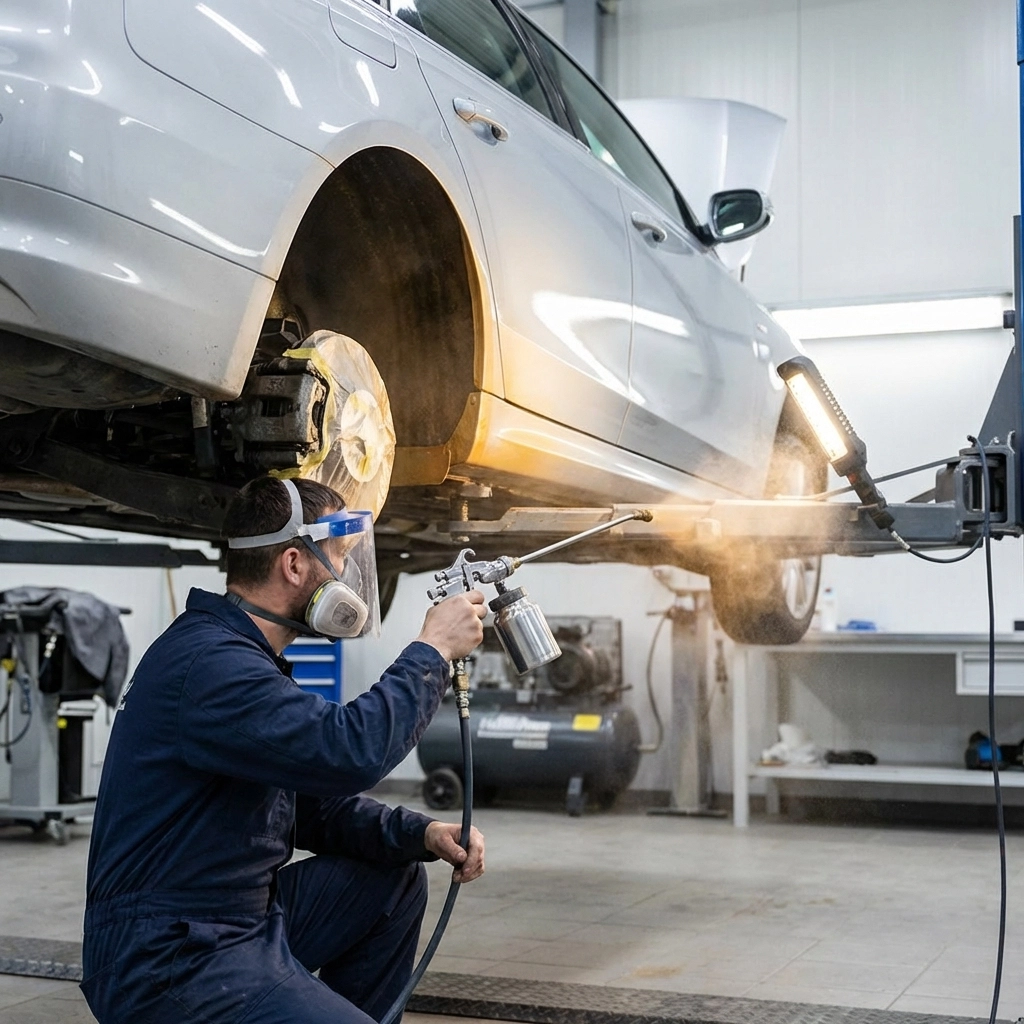
Critical components that shouldn't receive direct product application are carefully masked before treatment. This meticulous approach ensures sensors and sensitive electronics remain fully functional while surrounding areas receive comprehensive rust protection.
Post-Treatment Verification
Following any professional rustproofing treatment, vehicle systems should be checked to confirm everything operates correctly. This quality control step provides peace of mind that your vehicle's electronics remain unaffected.
Signs of Improper Rustproofing Application
If you've previously had rustproofing applied elsewhere and are experiencing electronic issues, these symptoms may indicate problematic application:
Warning lights appearing on your dashboard
Parking sensors malfunctioning or giving false readings
ABS or traction control warnings appearing intermittently
Electrical faults that weren't present before treatment
These issues typically result from hard undercoatings blocking sensors or excessive product buildup interfering with component function. If you're experiencing such problems, professional assessment can identify whether rustproofing is the cause and recommend appropriate remediation.
Choosing a Rustproofing Service That Protects Your Electronics
When selecting a rustproofing provider, ask these important questions:
What products do you use? Look for spray-type treatments like Dinitrol rather than hard undercoatings
Are your technicians trained on modern vehicles? Experience with electronic systems is essential
Do you mask sensors during application? Professional services protect sensitive components
What guarantee do you offer? Reputable providers stand behind their work
The Rustec Approach to Safe, Comprehensive Protection
At Rustec, we exclusively use Dinitrol professional-grade products specifically engineered to be safe for modern vehicles with complex electronic systems. Our comprehensive treatment process includes:
Detailed pre-treatment inspection identifying all sensor and wiring locations
Meticulous masking of components requiring protection during application
Precision application by trained technicians who understand modern vehicle systems
Post-treatment verification ensuring all electronics function correctly
Photo documentation of your vehicle's treatment for your records
Our Rustec Guarantee provides confidence that your vehicle receives the highest standard of rust protection without compromising its electronic systems. We treat every vehicle as if it were our own, understanding that modern cars, vans, and 4x4s require expertise that matches their sophisticated engineering.
Conclusion: Protection Without Compromise
The question of whether rustproofing can damage sensors or electronics has a clear answer: the right products, applied correctly by experienced professionals, pose no risk to your vehicle's electronic systems. In fact, quality spray rustproofing actively protects electrical connections from the corrosion that causes faults.
The key is choosing spray-type treatments over hard undercoatings and selecting a provider with genuine expertise in modern vehicle systems. With the correct approach, you can enjoy comprehensive rust protection while maintaining complete confidence in your vehicle's electronic reliability.
If you're considering rustproofing and want assurance that your vehicle's electronics will remain fully protected, explore our services or get in touch with our team. We're always happy to answer questions and explain exactly how we safeguard every component of your vehicle during treatment.
Comments