
Can I pressure wash over Dinitrol?
- Lloyd Saunders
- Nov 12, 2025
- 4 min read
Vehicle maintenance after professional rustproofing treatment raises important questions about care and preservation. One of the most frequently asked questions our Rustec specialists encounter concerns pressure washing over Dinitrol treatments. Understanding the correct approach ensures your investment in premium rust protection remains effective for years to come.
Understanding Dinitrol's Water Resistance Properties
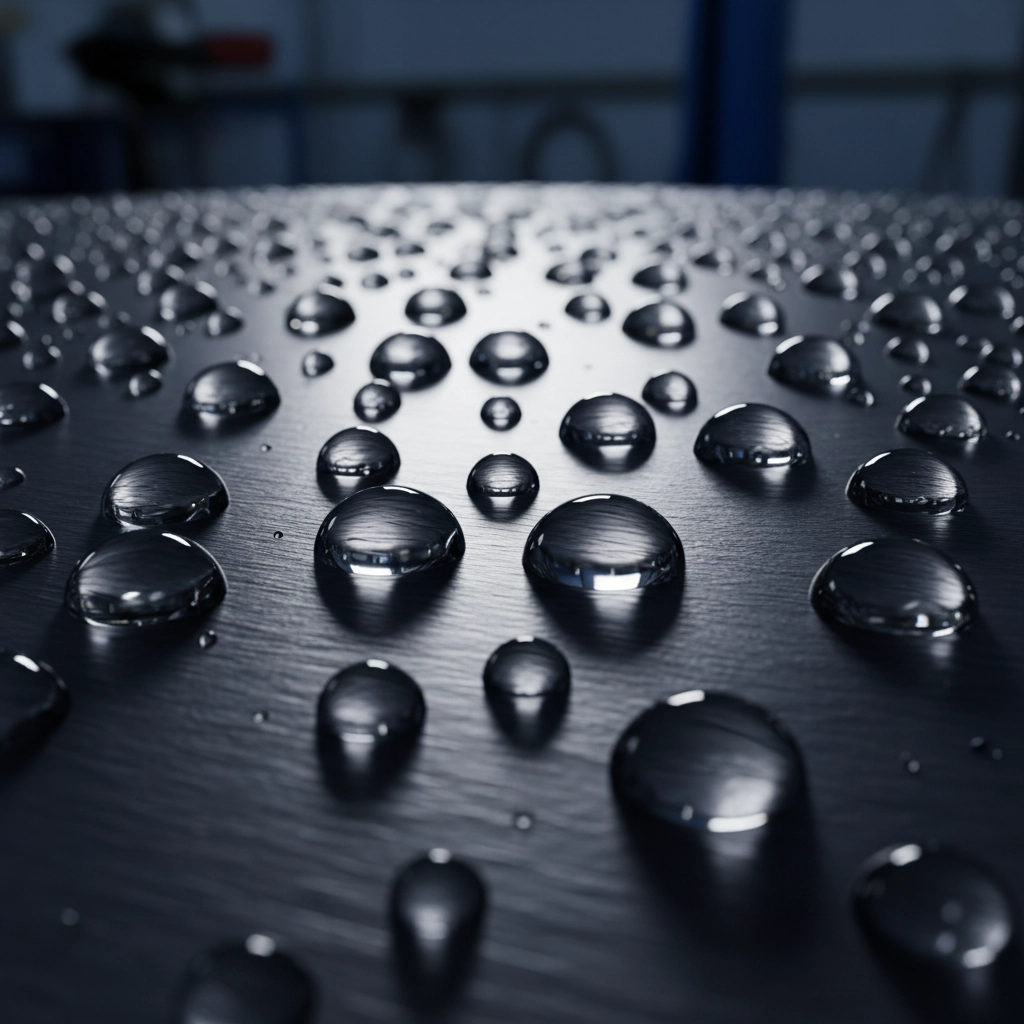
Dinitrol represents the pinnacle of modern rust prevention technology, engineered specifically to withstand the harsh conditions encountered by vehicles in the UK. This premium rustproofing solution demonstrates exceptional water resistance properties, making it fundamentally different from basic underseals or temporary protective coatings.
The molecular structure of Dinitrol creates a resilient barrier that maintains its protective qualities when exposed to moisture. This water resistance is precisely why professional rustproofing specialists choose Dinitrol for comprehensive vehicle protection. However, understanding the limitations of this resistance proves crucial for maintaining optimal protection levels.
The Safe Approach to Pressure Washing
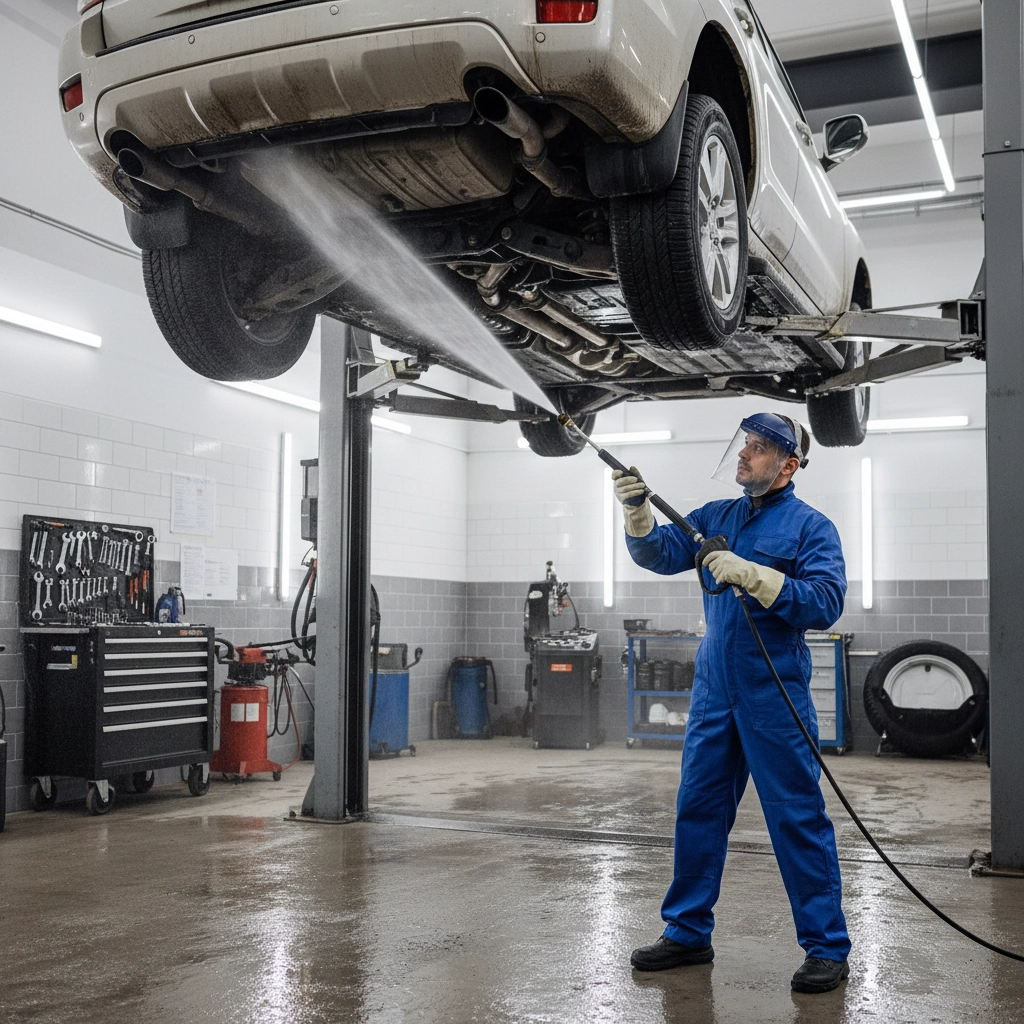
Yes, you can pressure wash over Dinitrol, but the technique and pressure levels require careful consideration. Regular pressure washing at standard household pressure levels will not compromise or blast away properly applied Dinitrol treatments. A standard garden hose with a decent pressure fitting provides sufficient cleaning power for routine maintenance without risking damage to your protective coating.
The key lies in understanding what constitutes "standard" versus "excessive" pressure. Professional-grade pressure washers operating at moderate settings remain safe for Dinitrol-treated surfaces. However, commercial or industrial-strength equipment operating at maximum pressure levels can potentially compromise the protective barrier.
Critical Limitations: Steam Cleaning and High Pressure
Steam cleaning must be avoided entirely after Dinitrol application. The combination of heat and moisture inherent in steam cleaning can soften Dinitrol, reducing its effectiveness and potentially causing the protective layer to become compromised. This represents the most significant limitation when considering cleaning methods for Dinitrol-treated vehicles.
High-pressure settings that exceed manufacturer recommendations pose similar risks. While Dinitrol demonstrates impressive resilience, subjecting it to "uber pressure" levels can result in partial removal or damage to the protective coating. This defeats the purpose of professional rustproofing treatment and potentially exposes vulnerable metal surfaces to corrosion.
Professional Best Practices for Post-Treatment Cleaning
Our Rustec specialists recommend adopting a methodical approach when cleaning Dinitrol-treated vehicles. Begin with the lowest effective pressure setting and gradually increase only if necessary. Focus on removing dirt and debris rather than attempting to strip away every trace of road grime through aggressive pressure application.
Recommended cleaning sequence:
Start with low-pressure rinse to remove loose debris
Apply appropriate cleaning solution if required
Use moderate pressure for stubborn contamination
Finish with thorough low-pressure rinse
Allow complete air drying before inspection
The use of specialized undercarriage cleaning lances, when operated carefully, can effectively maintain cleanliness while preserving Dinitrol protection. These tools distribute pressure more evenly and reduce the risk of concentrated high-pressure impact on treated surfaces.
Understanding Pressure Limitations and Equipment Selection
Standard household pressure washers typically operate between 1,400-2,000 PSI, falling well within safe parameters for Dinitrol-treated surfaces. Professional detailing equipment may exceed these levels, requiring operator awareness and appropriate pressure adjustment.
Equipment considerations:
Household pressure washers: Generally safe when used appropriately
Professional equipment: Requires pressure moderation
Steam cleaners: Strictly prohibited
Soft brush attachments: Excellent for gentle cleaning
Wide-angle nozzles: Distribute pressure more safely than concentrated jets
The angle of application also influences safety. Direct perpendicular pressure application creates maximum impact, while angled approach reduces concentrated force on the protective coating.
Alternative Cleaning Methods
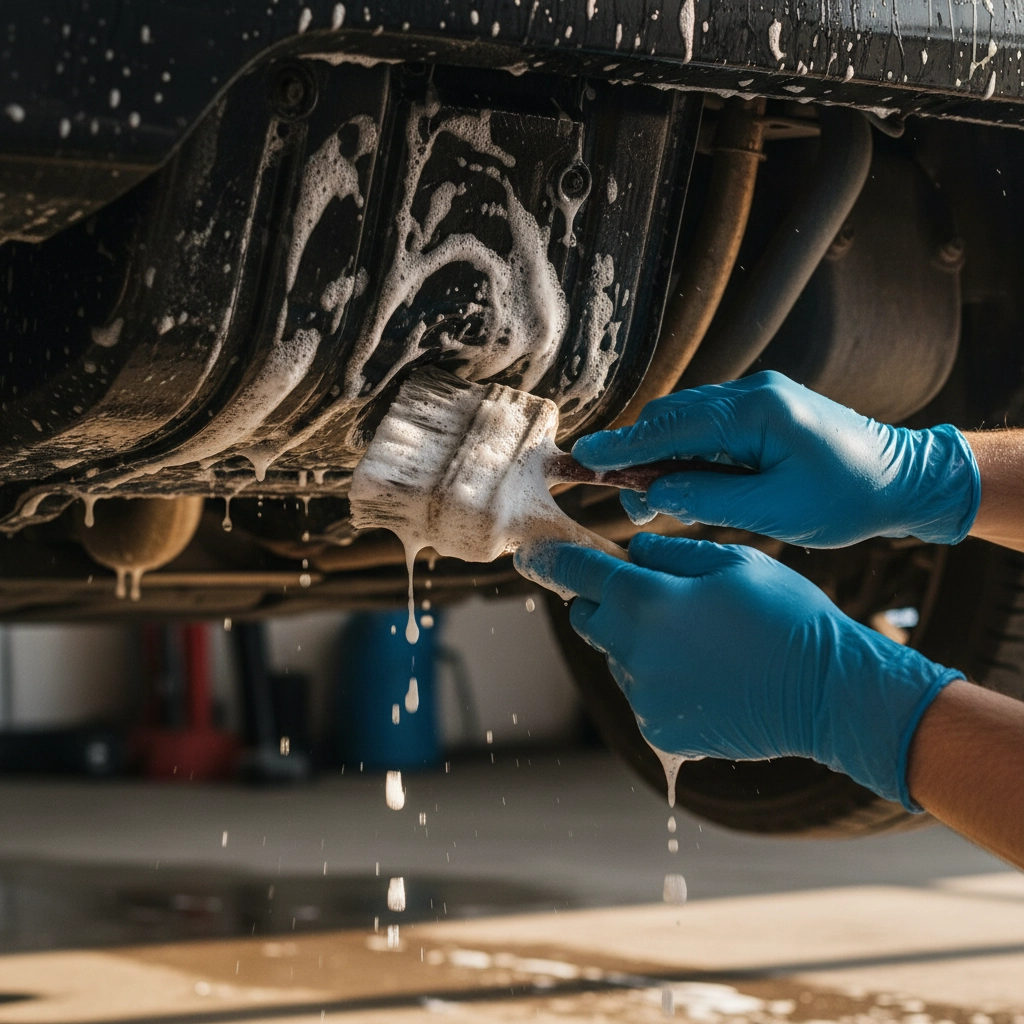
When doubt exists regarding appropriate pressure levels, alternative cleaning methods provide effective maintenance without risk to Dinitrol protection. Soft-bristled brushes combined with low-pressure water flow offer excellent cleaning results while maintaining complete safety margins.
Manual washing using appropriate automotive detergents removes contamination effectively without mechanical stress on protective coatings. This approach proves particularly beneficial for vehicles operating in challenging environments where frequent cleaning becomes necessary.
Alternative techniques:
Soft brush and low-pressure water combination
Manual washing with automotive-specific detergents
Steam-free degreasing agents for stubborn contamination
Regular garden hose with adjustable nozzle settings
Signs of Compromised Protection
Understanding indicators of potential Dinitrol damage enables early detection and corrective action. Visual inspection following cleaning reveals whether protective coating remains intact and effective.
Warning signs to monitor:
Visible removal or thinning of protective coating
Exposed metal surfaces in previously treated areas
Changes in coating texture or consistency
Unusual wear patterns following cleaning
Early detection enables prompt professional assessment and potential reapplication before corrosion damage occurs.
The Importance of Professional Application Quality
The resilience of Dinitrol against pressure washing depends significantly on professional application quality. Our Rustec technicians ensure complete surface preparation, optimal product temperature, and appropriate application thickness for maximum durability.
Professional application advantages:
Comprehensive surface preparation and cleaning
Optimal product viscosity through temperature control
Consistent application thickness across all surfaces
Methodical coverage of vulnerable areas
Quality assurance through systematic inspection
Properly applied Dinitrol demonstrates superior resistance to mechanical cleaning compared to DIY applications or substandard professional work.
Maintaining Long-Term Protection Effectiveness
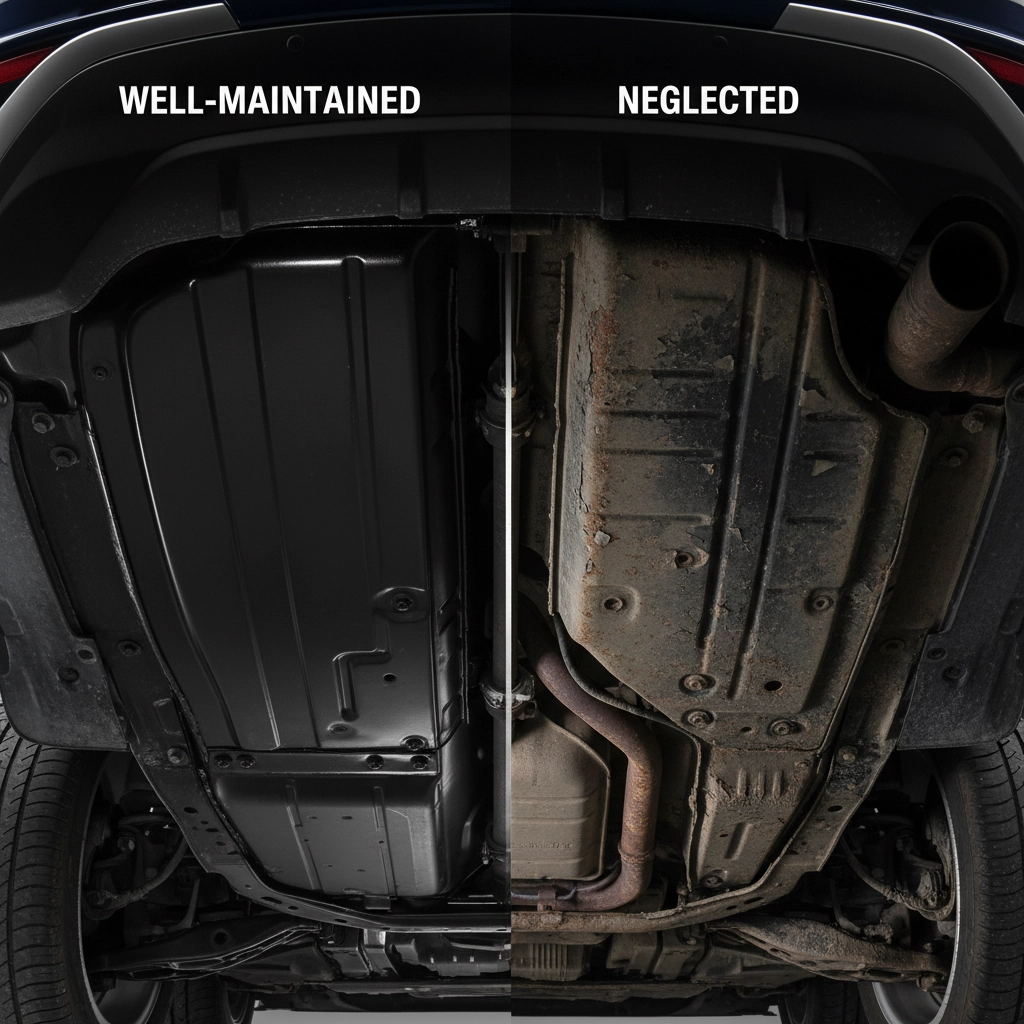
Regular maintenance cleaning using appropriate techniques preserves both appearance and protective qualities of Dinitrol treatments. Establishing consistent cleaning routines prevents accumulation of corrosive substances while maintaining coating integrity.
Maintenance schedule recommendations:
Monthly undercarriage inspection and cleaning
Immediate cleaning following exposure to road salt
Seasonal comprehensive cleaning and assessment
Professional inspection annually or every 12,000 miles
This systematic approach maximizes the lifespan of your rustproofing investment while maintaining optimal protection levels.
When Professional Assessment Becomes Necessary
Certain situations warrant professional evaluation of Dinitrol condition and effectiveness. Our Rustec specialists provide comprehensive inspections to assess coating integrity and recommend appropriate maintenance or reapplication.
Professional consultation indicators:
Uncertainty regarding cleaning method safety
Visible changes in coating appearance or texture
Exposure to extreme cleaning conditions
Regular heavy-duty use requiring frequent cleaning
Annual maintenance inspection requirements
Professional assessment provides peace of mind and ensures continued optimal protection for your vehicle investment.
Conclusion: Balancing Cleaning and Protection
Pressure washing over Dinitrol remains entirely feasible when approached with appropriate technique and equipment selection. The key lies in understanding pressure limitations, avoiding steam cleaning, and adopting graduated cleaning approaches that prioritize protection preservation.
Our Rustec team stands ready to provide expert guidance on maintaining your Dinitrol treatment effectively. Whether you require specific cleaning technique advice or comprehensive protection assessment, our specialists ensure your rustproofing investment delivers maximum long-term value.
Ready to ensure optimal care for your Dinitrol treatment? Contact our Rustec specialists for professional maintenance advice and inspection services. Our comprehensive approach to rustproofing care ensures your vehicle receives the expert attention it deserves, maintaining premium protection standards throughout its operational life.
Trust Rustec for professional rustproofing solutions and ongoing maintenance support. Your vehicle's long-term protection depends on expert application and informed maintenance practices.
Comments