
Can I just use paint instead of underseal?
When it comes to protecting your vehicle's underside from rust, many car owners wonder whether they can save money by using paint instead of dedicated underseal products. While paint can provide some protection, it's important to understand the significant differences in performance, durability, and long-term effectiveness between these two approaches.
Understanding the Fundamentals
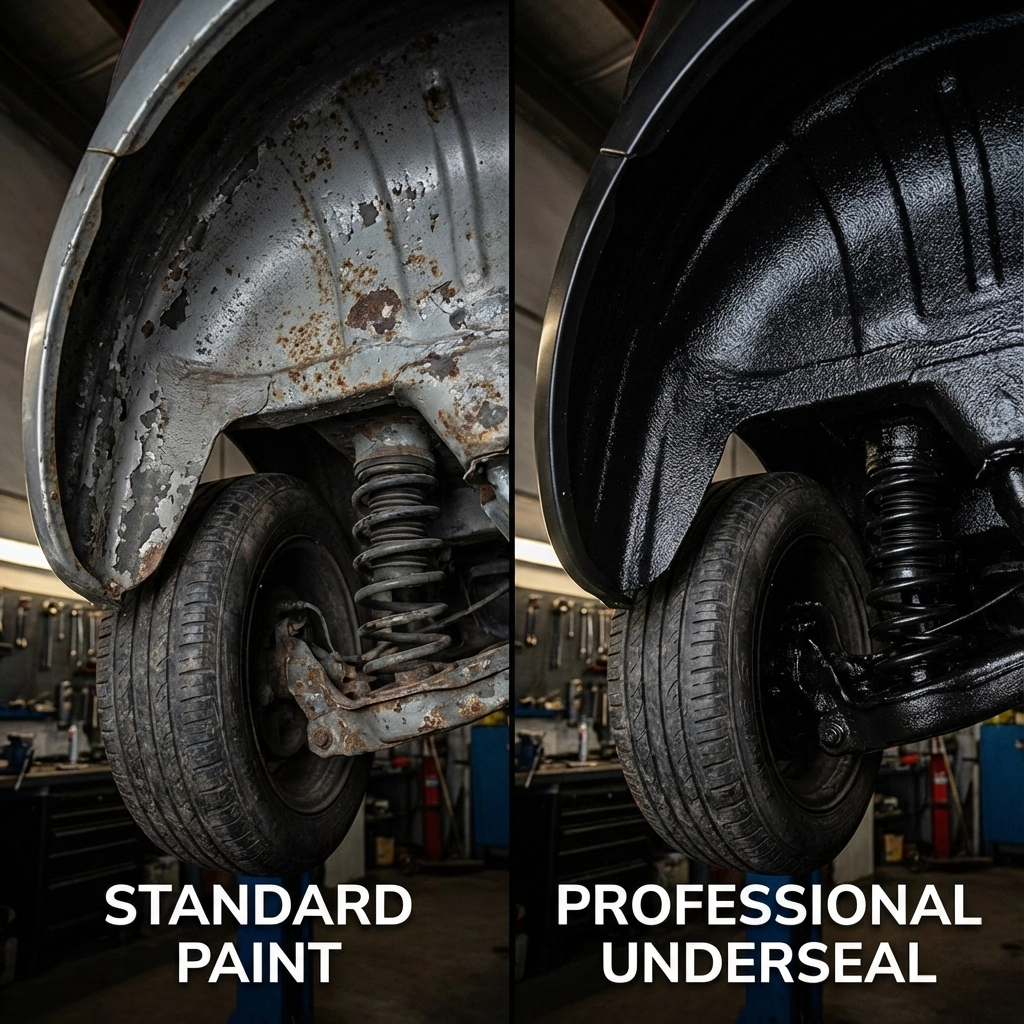
Paint and underseal serve similar purposes – preventing moisture and corrosion from attacking bare metal – but they achieve this protection through fundamentally different mechanisms. Standard automotive paint forms a hard, decorative barrier that looks good but lacks the flexibility and impact resistance needed for harsh underside conditions.
Dedicated underseal products, whether wax-based, bitumen-based, or modern polymer formulations, are specifically engineered to withstand the brutal environment beneath your vehicle. They must resist stone chips, temperature fluctuations, chemical exposure from road salt, and constant flexing as the vehicle moves.
The Limitations of Paint Protection
Using paint alone for underside protection presents several critical limitations. As automotive experts note, "with paint alone, one stone and rust will start" – meaning even minor stone chips quickly expose bare metal to corrosion. This vulnerability stems from paint's brittle nature when fully cured.
When a stone strikes painted metal, it creates a clean break through the coating, exposing the metal underneath. Without the self-sealing properties of quality underseal products, these chips become entry points for moisture and salt, rapidly developing into rust spots that spread outward under the surrounding paint.
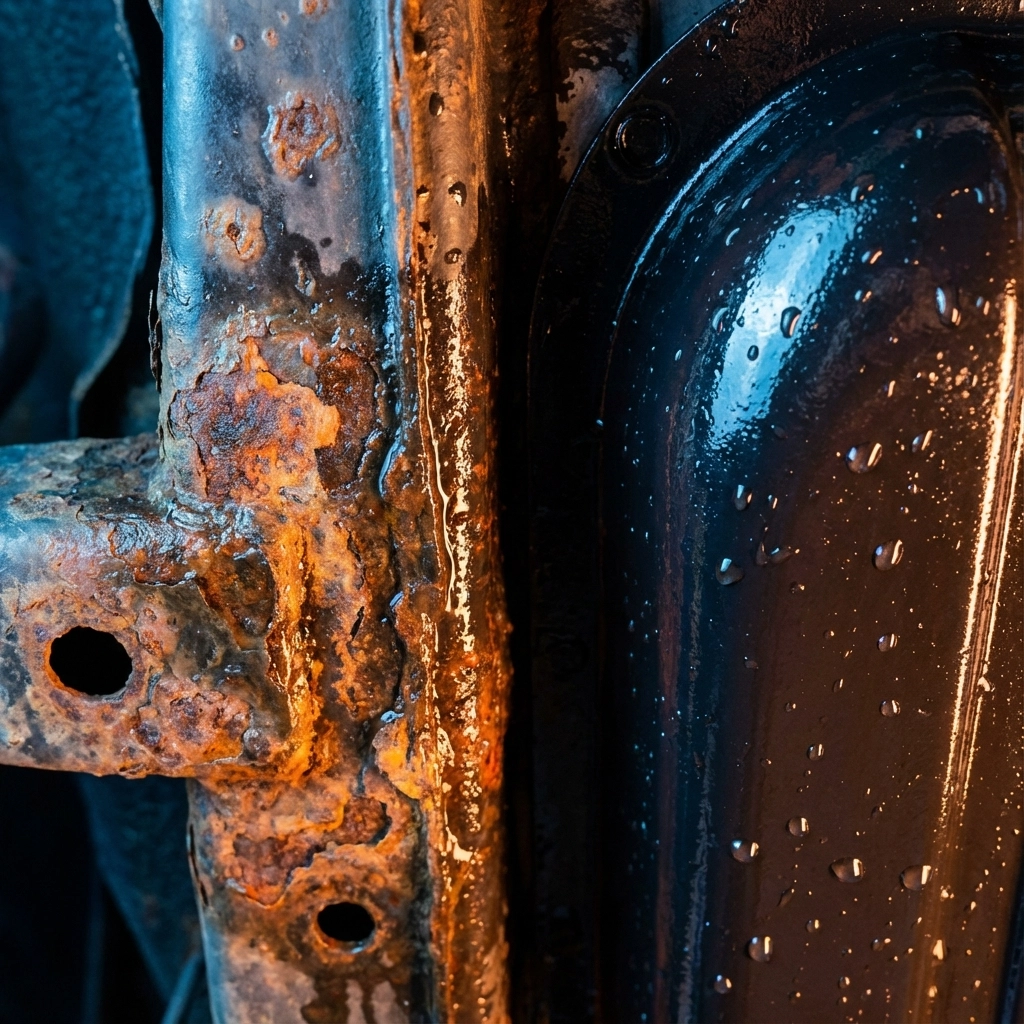
Additionally, standard paint lacks the chemical resistance needed for road environments. Modern winter gritting operations use aggressive de-icing chemicals that can break down conventional paint coatings over time, creating microscopic pathways for corrosion to begin.
Chassis Paint: A Middle Ground Option
Chassis paint products, sometimes called "chassis black," offer a compromise between standard paint and dedicated underseal. These specialised coatings provide better corrosion protection than ordinary paint while maintaining a more attractive, glossy finish than traditional underseal.
However, even high-quality chassis paints don't match the superior corrosion protection offered by dedicated underbody treatments. While they resist chipping better than standard paint, they still lack the self-healing properties and extreme durability of premium rustproofing systems like Dinitrol or Lanoguard.
Chassis paints work best in situations where visual appearance matters – such as restored classic cars or show vehicles where the underside might be visible. They're also more cost-effective for budget restorations, though this savings comes with reduced long-term protection.
Professional Underseal: The Gold Standard
Dedicated underseal products excel where paint fails. Quality wax-based systems like Dinitrol ML create a semi-flexible barrier that can absorb impact without cracking. When damaged, these materials often self-seal around minor penetrations, maintaining protection even after stone strikes.
Modern bitumen-free underseals offer several advantages over paint:
Superior adhesion to properly prepared surfaces, reducing the risk of delamination that plagues some paint systems in harsh environments.
Chemical resistance to road salt, diesel spills, and cleaning chemicals that would degrade paint coatings.
Temperature stability across the extreme range experienced by vehicle undersides, from sub-zero winter conditions to the heat generated by exhaust systems.
Penetrating protection that works into seams, joints, and overlapping panels where paint application is often inadequate.
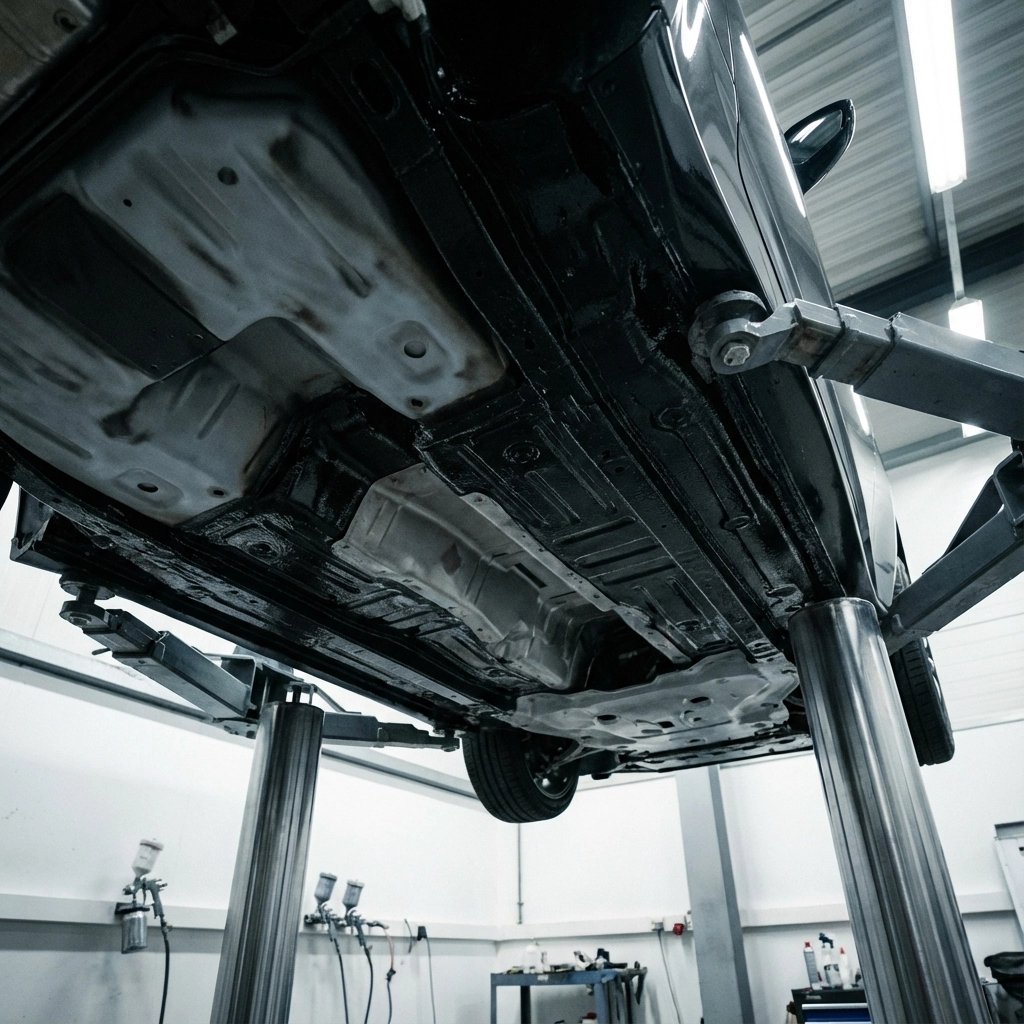
The application process for professional underseal also differs significantly from paint. While paint requires pristine surface preparation and controlled environmental conditions, quality underseals can be applied over slightly corroded surfaces and will often displace moisture during application.
When Paint Might Be Appropriate
Despite its limitations, paint does have applications in underside protection. For vehicles in mild climates with minimal road salt exposure, quality chassis paint can provide adequate protection at a fraction of the cost of comprehensive rustproofing.
Paint works well for:
Budget restoration projects where some protection is better than none, and the vehicle won't face harsh winter conditions.
Seasonal vehicles stored during winter months when road salt exposure is eliminated.
Areas requiring visual appeal where the glossy finish of chassis paint is preferred over the typically matte appearance of underseal.
Temporary protection during restoration projects, with plans for proper rustproofing later.
However, even in these scenarios, paint should be considered a short-term solution requiring regular inspection and touch-up maintenance.
The Cost-Benefit Analysis
While paint initially costs less than professional rustproofing, the long-term economics often favour proper underseal. Paint requires more frequent reapplication and touch-up work, especially in areas prone to chip damage. The labour costs for repeated paint maintenance can quickly exceed the initial investment in quality rustproofing.
Professional rustproofing systems like those applied by certified Rustec technicians typically provide protection for many years with minimal maintenance. This longevity, combined with the superior protection level, often makes professional rustproofing more economical over the vehicle's lifetime.
Professional Application Makes the Difference
The effectiveness of any underside protection system depends heavily on proper application. Paint application requires extensive masking, controlled environmental conditions, and precise surface preparation. Many DIY attempts fail because of inadequate preparation or poor application conditions.
Professional rustproofing services understand these critical factors. At Rustec, our technicians meticulously prepare surfaces, ensuring optimal adhesion and coverage. We use specialised equipment to reach areas impossible to coat properly with brush or spray can application.
Environmental Considerations
Modern underseal formulations also offer environmental advantages over some paint systems. Quality wax-based products like Dinitrol contain fewer volatile organic compounds (VOCs) than many paint formulations, reducing environmental impact during application.
The longevity of professional rustproofing also reduces the environmental burden of repeated treatments and the waste generated by frequent reapplication cycles common with paint-based protection.
Making the Right Choice
The decision between paint and underseal ultimately depends on your specific requirements, budget, and expectations. For maximum protection, especially in the harsh UK environment with its combination of road salt, moisture, and temperature extremes, dedicated underseal products provide significantly superior performance.
If you're considering paint as a cost-saving measure, factor in the long-term maintenance requirements and potential repair costs when corrosion inevitably penetrates the coating. For most UK drivers, the initial investment in professional rustproofing pays dividends in extended vehicle life and maintained resale value.
At Rustec, we specialise in comprehensive underside protection using the highest-quality products and proven application techniques. Our experienced technicians can assess your vehicle's specific needs and recommend the most appropriate protection system for your requirements and budget.
Whether you're protecting a new vehicle, maintaining a cherished classic, or addressing early signs of corrosion, professional rustproofing offers peace of mind that paint alone simply cannot match. Contact us today to discuss how we can help protect your investment with our premium rustproofing services and lifetime guarantee.
Comments