
Can a rusted chassis be fixed?
Yes, a rusted chassis can be fixed, but the extent of repair required and the overall feasibility depends entirely on the severity and location of the rust damage. From minor surface oxidation to significant structural corrosion, chassis rust presents varying challenges that demand different repair approaches and professional expertise.
Assessing the Severity of Chassis Rust
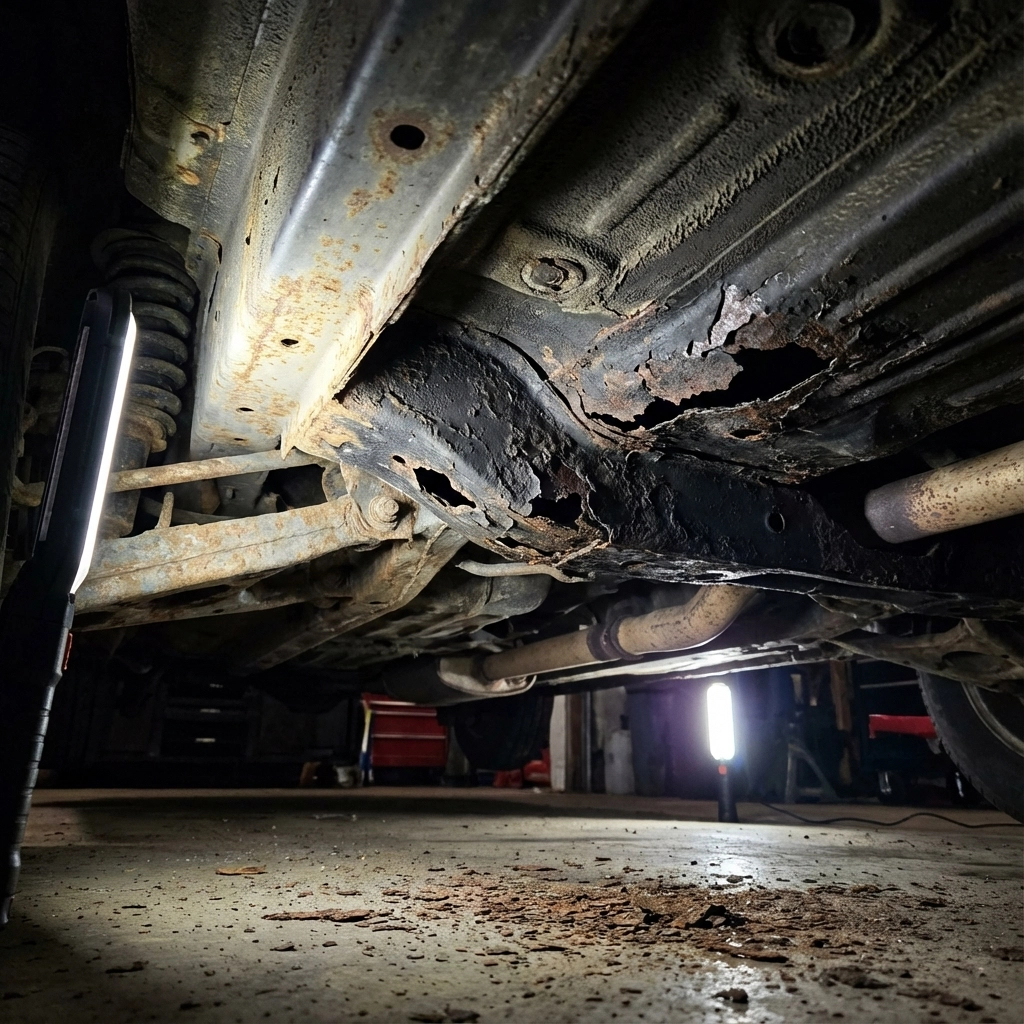
Before determining whether your chassis can be effectively repaired, a comprehensive inspection is essential to evaluate the extent of corrosion damage. Surface rust appears as minor discolouration and can typically be addressed through cleaning and protective treatments. However, structural rust that has compromised the metal's integrity presents far more serious safety concerns.
Surface rust manifests as light brown or orange discolouration on metal surfaces, often accompanied by slight texture changes but without penetrating through the material. This type of corrosion responds well to mechanical removal and preventative treatments.
Penetrating rust creates holes, flaking metal, or areas where the chassis structure has been significantly weakened. This level of damage requires welding repairs, metal patching, or in severe cases, complete section replacement to restore structural integrity.
Professional assessment becomes crucial when rust affects load-bearing areas of the chassis, suspension mounting points, or safety-critical components that directly impact vehicle stability and roadworthiness.
Surface Rust Repair Methods
Surface rust removal begins with mechanical cleaning using appropriate tools and techniques. Wire brushes, sandpaper, and grinding equipment effectively strip rust down to bare metal, creating a clean foundation for protective treatments.
The process starts with coarse 80-grit sandpaper to remove the bulk of surface corrosion, followed by progressively finer grades up to 400-grit to achieve a smooth finish. Thorough cleaning with water and mild detergent removes all debris and contaminants before applying protective treatments.
Chemical rust converters transform remaining rust particles into stable compounds that won't spread further, while rust inhibitors create protective barriers against moisture and oxygen that cause oxidation. These treatments prove particularly effective on hard-to-reach areas where mechanical removal proves difficult.
Following chemical treatment, primer application ensures optimal adhesion for protective coatings. High-quality metal primers designed specifically for automotive applications provide the foundation for long-lasting rust prevention.
Structural Rust Repair Techniques
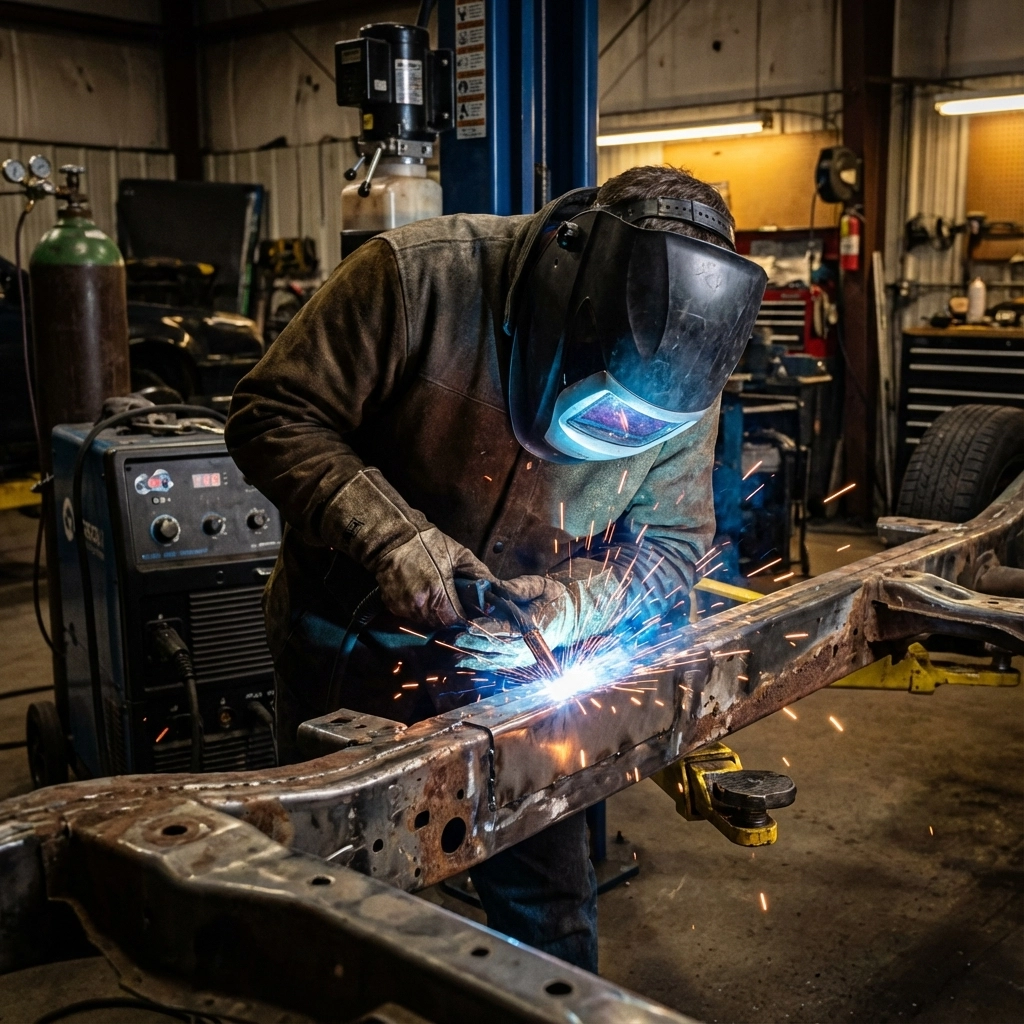
When rust has compromised chassis structural integrity, more extensive repair methods become necessary. Welding repairs restore strength to damaged sections, though this work demands professional expertise to ensure safety and structural soundness.
Small holes and minor structural damage can often be addressed through patch welding, where new metal pieces are welded over or into damaged areas. Larger sections may require complete replacement, particularly where rust has extensively weakened load-bearing components.
Reinforcement techniques strengthen repaired areas through additional metal plates or gussets welded to distribute loads across wider areas. These modifications often exceed original structural specifications, providing enhanced durability in previously compromised locations.
Professional welders ensure complete seam welding to prevent water ingress and future rust formation. Proper welding techniques eliminate gaps where moisture could accumulate and cause renewed corrosion problems.
Professional Assessment and Safety Considerations
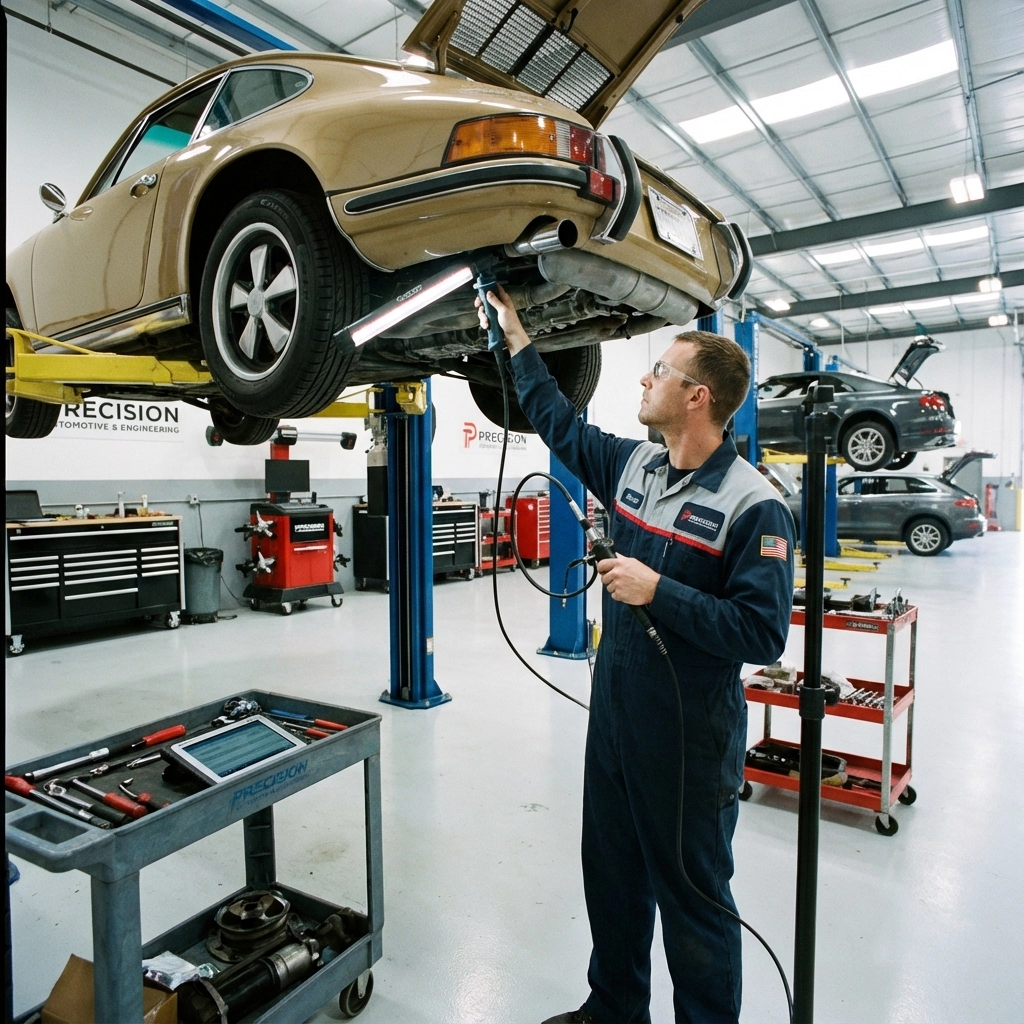
Chassis repair decisions impact vehicle safety directly, making professional assessment essential for any structural rust concerns. Certified technicians can evaluate whether repair attempts are worthwhile or if replacement becomes the safer, more cost-effective option.
Professional inspection identifies hidden rust damage that may not be immediately visible. Areas around suspension mounting points, cross-members, and structural joints often harbour concealed corrosion that only emerges during detailed examination.
Safety implications of improper chassis repairs cannot be overstated. Inadequate welding, incorrect metal selection, or missed structural damage can lead to catastrophic failure during normal vehicle operation. Professional repair services ensure work meets safety standards and regulatory requirements.
Structural repairs often require specialised equipment including chassis alignment tools, professional welding apparatus, and lifting equipment that exceeds typical DIY capabilities. Professional facilities provide controlled environments essential for quality metalwork.
Post-Repair Protection and Prevention
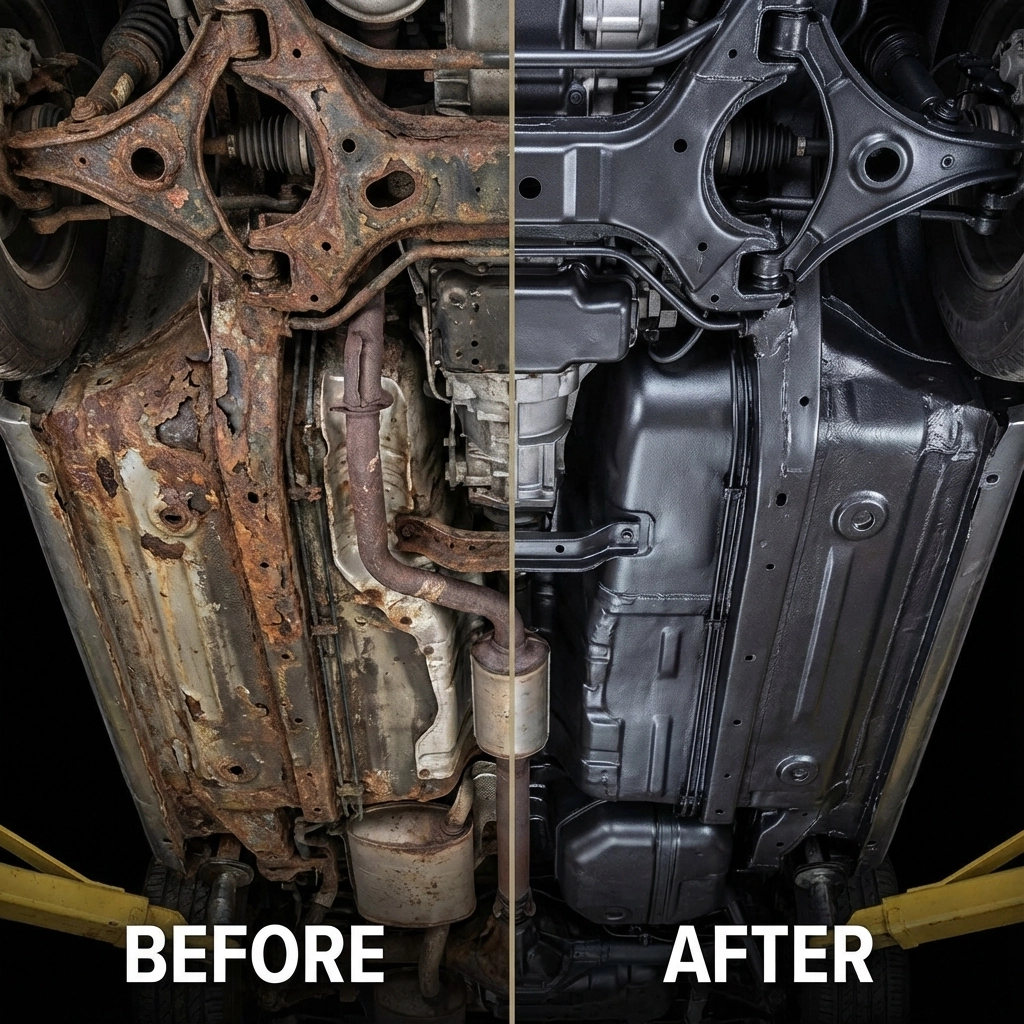
Successfully repaired chassis require comprehensive protection to prevent future rust formation. This involves thorough cleaning, chemical treatment, and application of protective coatings designed to withstand UK road conditions.
Protective coatings including cavity wax, underseal, and rust preventative treatments create barriers against moisture, road salt, and corrosive elements. Professional-grade products like Dinitrol offer superior longevity and protection compared to consumer alternatives.
Regular maintenance and inspection schedules ensure protective treatments remain effective and identify emerging rust issues before they become structural problems. Annual inspections, particularly before and after winter months, help maintain optimal protection levels.
Steam cleaning prior to protective treatment application removes accumulated road grime, salt deposits, and other contaminants that could compromise coating adhesion and effectiveness.
Cost-Effectiveness and Decision Factors
Repair viability depends on multiple factors including vehicle value, extent of damage, and repair costs relative to replacement options. Professional assessment helps determine whether extensive chassis repairs represent sound investment or if vehicle replacement becomes more practical.
Minor surface rust treatment typically costs significantly less than structural repairs requiring welding and metal replacement. Early intervention through preventative treatments proves far more cost-effective than addressing advanced corrosion damage.
For high-value vehicles, classic cars, or vehicles with sentimental significance, extensive chassis restoration may justify considerable expense. However, for standard vehicles where repair costs approach or exceed vehicle value, replacement becomes the sensible choice.
Professional repair services provide detailed quotations outlining required work, expected outcomes, and warranty coverage, enabling informed decisions about repair versus replacement options.
When Professional Intervention Becomes Essential
Several scenarios demand immediate professional attention rather than attempted DIY repairs. Load-bearing structural damage, compromised suspension mounting points, or extensive rust affecting multiple chassis areas require expert evaluation and repair.
Welding repairs should always be performed by qualified professionals with appropriate certifications and equipment. Improper welding techniques can create weakened joints that fail under stress, creating serious safety hazards.
MOT failure due to chassis rust often requires professional certification that repairs meet safety standards. DIY repairs may not satisfy regulatory requirements, leading to continued MOT failures and legal complications.
Complex chassis geometry and alignment requirements demand professional expertise to ensure repaired vehicles maintain proper tracking, stability, and handling characteristics essential for safe operation.
Prevention: The Ultimate Solution
While chassis rust can often be repaired, prevention remains far more cost-effective than restoration. Regular protective treatment application, proper maintenance schedules, and prompt attention to minor rust issues prevent expensive structural repairs.
Professional rustproofing services provide comprehensive protection using premium products applied by trained technicians. These treatments offer superior coverage and longevity compared to DIY alternatives, particularly for hard-to-reach chassis areas.
Annual treatment schedules maintain optimal protection levels, adapting to seasonal conditions and usage patterns that affect rust formation rates. Regular professional inspection identifies emerging issues before they require expensive repairs.
Quality protective treatments from established manufacturers like Dinitrol come with performance guarantees providing peace of mind and protection against premature failure or inadequate coverage.
Making the Right Decision for Your Vehicle
Chassis rust repair decisions require careful consideration of safety, cost, and long-term viability factors. While many rust issues can be successfully addressed through professional repair services, some situations warrant vehicle replacement rather than extensive restoration efforts.
Professional consultation provides objective assessment of repair viability, expected outcomes, and cost-effectiveness relative to vehicle replacement. This expert guidance ensures decisions based on factual evaluation rather than emotional attachment or wishful thinking.
For vehicles worth preserving, comprehensive restoration including proper rust repair and premium protective treatments can extend service life significantly while maintaining safety and reliability standards.
At Rustec, our experienced technicians provide thorough chassis inspection services and honest assessments of repair requirements versus replacement recommendations. Our comprehensive approach ensures you receive expert guidance tailored to your specific situation and requirements.
Contact us today for professional chassis inspection and expert advice on the most appropriate course of action for your vehicle's rust concerns.
Comments