
7 Mistakes You're Making with Car Rust Prevention (and How to Fix Them)
- Lloyd Saunders
- Oct 28, 2025
- 5 min read
Rust is the silent destroyer of vehicle value and structural integrity. Every year, UK car owners lose thousands of pounds to preventable rust damage simply because they're making critical mistakes in their rust prevention approach. These errors compound over time, turning minor oversights into major repair bills that could have been avoided entirely.
Professional rustproofing services understand these pitfalls intimately and have developed comprehensive systems to eliminate each one. Here are the seven most costly mistakes affecting vehicle owners today: and the proven solutions that protect your investment for life.
Mistake #1: Skipping Thorough Cleaning and Preparation
The Problem: The most expensive error occurs before any rustproofing product touches your vehicle. Applying protective treatments to dirty surfaces creates a false barrier that traps contaminants against the metal, actually accelerating corrosion rather than preventing it.
Dust, road grime, salt residue, and oil deposits prevent rustproofing compounds from bonding properly with the metal surface. When products can't achieve proper adhesion, they fail within months rather than providing years of protection.
The Professional Solution: Comprehensive preparation is non-negotiable. This involves systematic decontamination using specialised automotive detergents, followed by thorough rinsing of all surfaces including wheel arches, undercarriage components, and concealed areas where debris accumulates.
Professional services employ pressure washing equipment and steam cleaning techniques to remove embedded contaminants from every crevice. This preparation phase often takes longer than the actual rustproofing application: because it's that critical to long-term success.

Mistake #2: Applying Treatments to Wet Surfaces
The Problem: Water and rustproofing products are incompatible. Moisture trapped beneath protective coatings creates the perfect environment for rust to develop undetected. This hidden corrosion spreads rapidly, often causing catastrophic damage before becoming visible.
Many vehicle owners rush the drying process, particularly in winter months when time feels limited. This impatience costs them the entire value of their rustproofing investment.
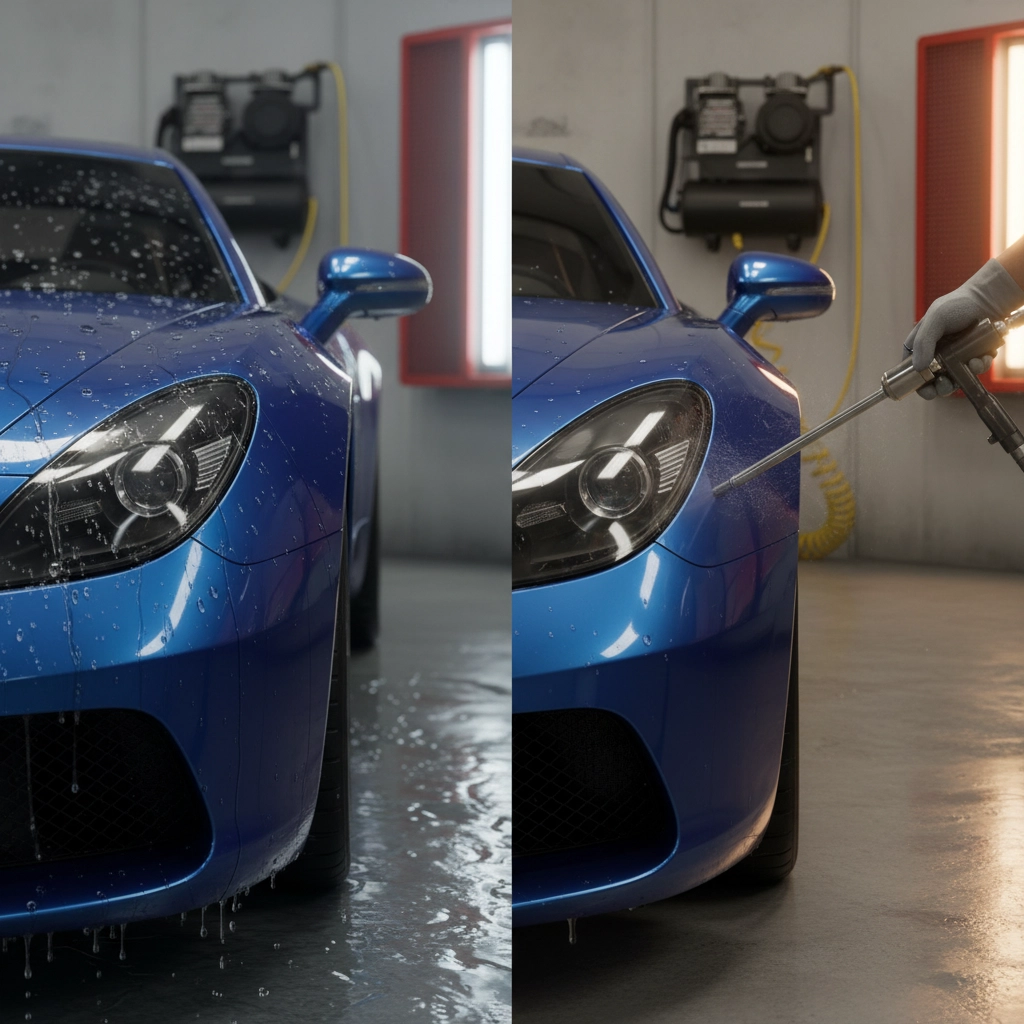
The Professional Solution: Complete moisture elimination is mandatory before any protective application. Professional facilities use heated spray booths and industrial air circulation systems to ensure thorough drying of all surfaces, including normally inaccessible areas like inner sills and cavity spaces.
Advanced techniques include compressed air blowing through drain holes and extended drying periods that guarantee zero moisture remains before treatment begins. This systematic approach ensures optimal product adhesion and maximum protection longevity.
Mistake #3: Ignoring Existing Rust Before Treatment
The Problem: Applying rustproofing over existing corrosion is like painting over mould: it conceals the problem temporarily while making it significantly worse. Rust continues spreading beneath the protective coating, often at an accelerated rate due to trapped moisture and debris.
This mistake transforms rustproofing from a preventive measure into a costly exercise that provides zero protection while giving vehicle owners false confidence in their rust prevention efforts.
The Professional Solution: Comprehensive pre-treatment inspection and rust remediation are essential. Professional services conduct detailed assessments using specialised tools to identify all existing corrosion, including early-stage oxidation that's invisible to untrained eyes.
Existing rust receives proper treatment through mechanical removal, chemical conversion, or cutting and welding depending on severity. Only after achieving a completely clean, corrosion-free surface does protective treatment begin.
Mistake #4: Neglecting the Undercarriage and Concealed Areas
The Problem: Vehicle undercarriages endure constant assault from road salt, debris, and moisture: yet receive minimal attention during most rust prevention efforts. These areas suffer the highest corrosion rates and cause the most expensive structural damage when rust takes hold.
Box sections, inner wings, door frames, and other concealed cavities are particularly vulnerable because they trap moisture and debris while remaining hidden from regular inspection. By the time rust becomes visible in these areas, structural integrity is often already compromised.
The Professional Solution: Comprehensive undercarriage protection using specialised cavity wax and penetrating oils that reach every concealed space. Professional application includes systematic treatment of all box sections, inner panels, and structural components using injection techniques and specialised access points.
Quality rustproofing services create new access holes when necessary to ensure complete coverage of critical areas. This thorough approach protects vulnerable components that DIY methods simply cannot reach effectively.
Mistake #5: Ignoring Paint Chips and Minor Scratches
The Problem: Stone chips, key scratches, and minor paint damage expose bare metal directly to the elements. These seemingly insignificant imperfections become rust initiation points that spread rapidly through the surrounding paintwork and into the underlying metal structure.
Most vehicle owners dismiss small paint defects as cosmetic issues, failing to recognise their role as gateways for serious structural corrosion. This oversight leads to expensive bodywork repairs that far exceed the cost of prompt attention to minor damage.
The Professional Solution: Immediate attention to all paint defects, regardless of size. Professional touch-up procedures involve proper surface preparation, primer application, and protective topcoat systems that create permanent barriers against corrosion.
Advanced paint protection films and ceramic coatings provide additional defense against stone chips and environmental damage. These premium solutions maintain paint integrity and prevent the formation of rust initiation points throughout the vehicle's service life.

Mistake #6: Using Inappropriate Cleaning Products and Techniques
The Problem: Harsh chemicals, abrasive cleaners, and incorrect washing techniques damage existing protective coatings while creating new pathways for corrosion. Many common car wash products contain acids or aggressive detergents that strip wax layers and compromise paint protection systems.
High-pressure washing without proper technique can force water into door seals, drain holes, and other entry points where it becomes trapped and initiates hidden corrosion. These seemingly beneficial maintenance activities often accelerate rust formation rather than preventing it.
The Professional Solution: Proper maintenance protocols using pH-neutral cleaning products and correct washing techniques that preserve protective systems while removing harmful contaminants. Professional maintenance services understand which products and methods enhance rust protection rather than undermining it.
Regular professional inspections identify areas where protective coatings have been compromised, allowing for prompt remedial action before corrosion begins. This proactive approach maintains comprehensive protection throughout the vehicle's service life.
Mistake #7: Treating Rust Prevention as a One-Time Activity
The Problem: The most fundamental error is viewing rust prevention as a single treatment rather than an ongoing protection system. Environmental conditions, normal wear, and seasonal challenges gradually compromise any protective system, requiring systematic maintenance and periodic renewal.
Vehicle owners who apply rustproofing once and forget about it discover years later that their protection has failed completely, often at the worst possible time when replacement costs are highest.
The Professional Solution: Comprehensive lifetime protection programs that include regular inspection, maintenance, and renewal services. Professional rustproofing companies offer structured programs with scheduled touch-ups, cavity wax renewal, and protective coating maintenance.
These programs include documentation of all treatments, photographic records of vehicle condition, and systematic tracking of protection system performance over time. This comprehensive approach ensures continuous rust protection throughout vehicle ownership.
The Professional Advantage
Each of these mistakes represents a failure point in DIY rust prevention approaches. Professional rustproofing services have developed systematic solutions to eliminate every common error while providing guaranteed protection that stands the test of time.
Quality professional services offer comprehensive inspection processes, premium-grade materials, and proven application techniques that address all vulnerability points simultaneously. This holistic approach provides protection that far exceeds DIY efforts while offering warranty coverage and ongoing support.
The investment in professional rustproofing pays dividends through preserved vehicle value, eliminated repair costs, and peace of mind that comes from comprehensive protection. When rust prevention is handled by specialists who understand every potential failure point, vehicle owners can focus on enjoying their cars rather than worrying about hidden corrosion.
Professional rustproofing transforms rust prevention from a series of potential mistakes into a guaranteed protection system that preserves vehicle value and structural integrity for decades. The choice between professional treatment and DIY approaches often determines whether rust prevention succeeds or fails entirely.
Comments