
What underbody protection comes on new cars?
When you drive a brand-new car off the forecourt, it's easy to assume that everything underneath is fully protected against the elements. After all, modern manufacturing standards are higher than ever, and surely the manufacturer has thought of everything, including rust prevention?
The reality is somewhat more nuanced. While new vehicles do come with certain protective features as standard, understanding exactly what protection your car has, and where the gaps lie, is essential knowledge for any vehicle owner who wants to keep their pride and joy in optimal condition for years to come.
What Protection Comes as Standard on New Vehicles?
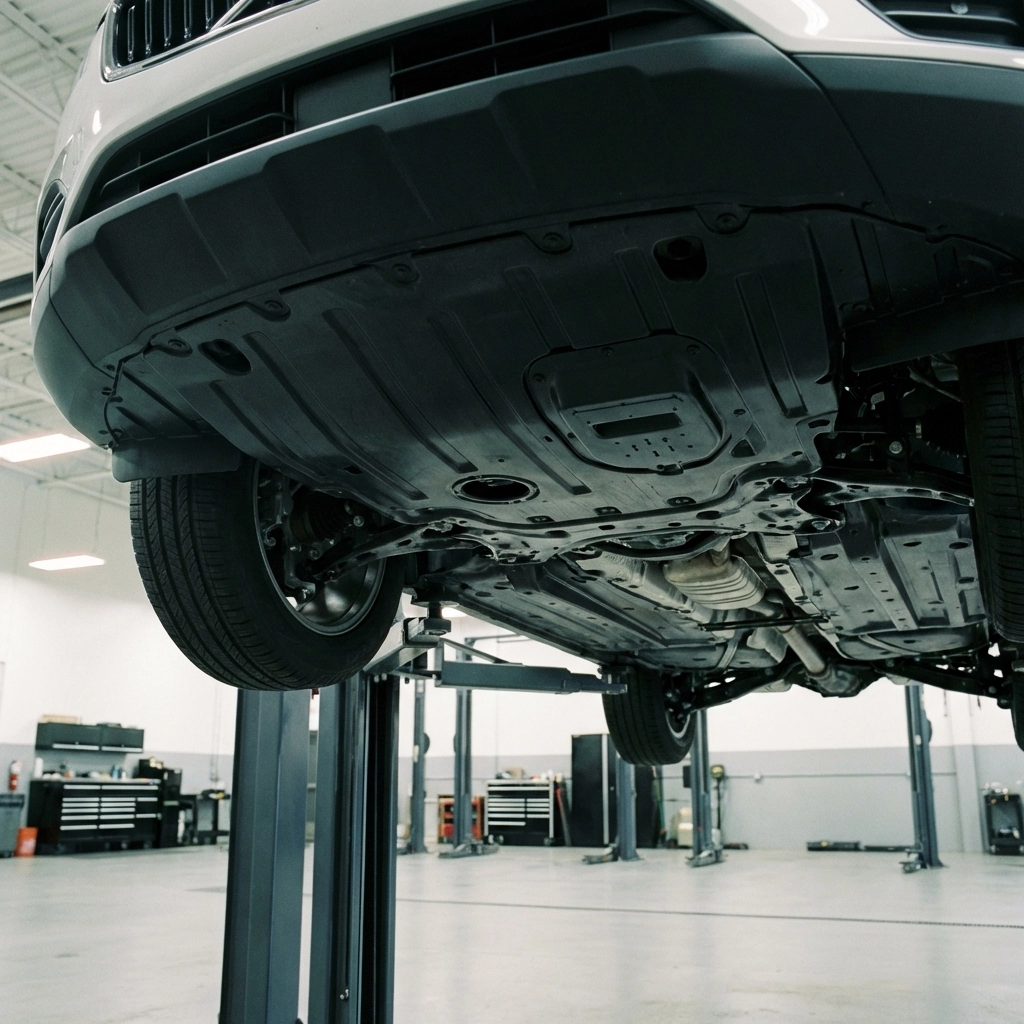
Most new cars sold in the UK today come equipped with plastic underbody shields, sometimes referred to as splash guards or aerodynamic panels. These are the flat plastic covers you'll see when you look underneath most modern vehicles, typically positioned beneath the engine bay, along the sides, and sometimes extending towards the rear of the vehicle.
These plastic panels serve two primary functions:
Beyond these physical shields, manufacturers also apply various forms of corrosion protection during the production process. This typically includes galvanised steel in certain structural areas, factory-applied primer coatings, and in some cases, a basic wax or sealant applied to specific underbody sections.
Understanding Factory Corrosion Protection
Modern vehicle manufacturing has certainly improved when it comes to built-in corrosion resistance. Most manufacturers now use a combination of:
Galvanised steel panels – Certain body sections are treated with a zinc coating that provides a barrier against oxidation.
Electrophoretic coating (E-coat) – A process where the vehicle body is submerged in a tank and an electrical current is used to bond a protective primer to all metal surfaces.
Seam sealers – Applied to welded joints and panel overlaps to prevent moisture ingress.
Cavity wax – Some manufacturers apply a thin protective wax inside box sections and cavities, though this varies significantly between brands.
It's worth noting that the level of factory protection varies considerably depending on the manufacturer, the model, and even the market the vehicle was intended for. A vehicle built for sale in Scandinavia, where road salt is heavily used, may receive more comprehensive factory treatment than one destined for milder climates.
The Limitations of Standard Underbody Protection
While the protection that comes on new cars is better than nothing, it's important to understand its limitations, particularly for vehicles used on UK roads.
Plastic Shields Are Not Skid Plates
The plastic underbody panels fitted to most vehicles are designed primarily for aerodynamics and light debris deflection. They are not engineered to withstand significant impacts. If you catch a pothole, a raised kerb, or debris on the road, critical components such as the oil sump, gearbox casing, and exhaust system can still sustain damage. For drivers who regularly navigate rural roads, building sites, or off-road terrain, these standard shields offer minimal mechanical protection.
Plastic Deteriorates Over Time
These shields are typically secured using plastic clips and fasteners, which are known to become brittle and fail over time. It's common for underbody shields to become loose, crack, or fall off entirely after just a few years of use, particularly if the vehicle has been subjected to regular servicing where panels are repeatedly removed and refitted.
Once these shields are damaged or missing, any protection they provided is lost entirely, leaving the underbody exposed to moisture, salt, and road debris.
Factory Coatings Are Often Minimal
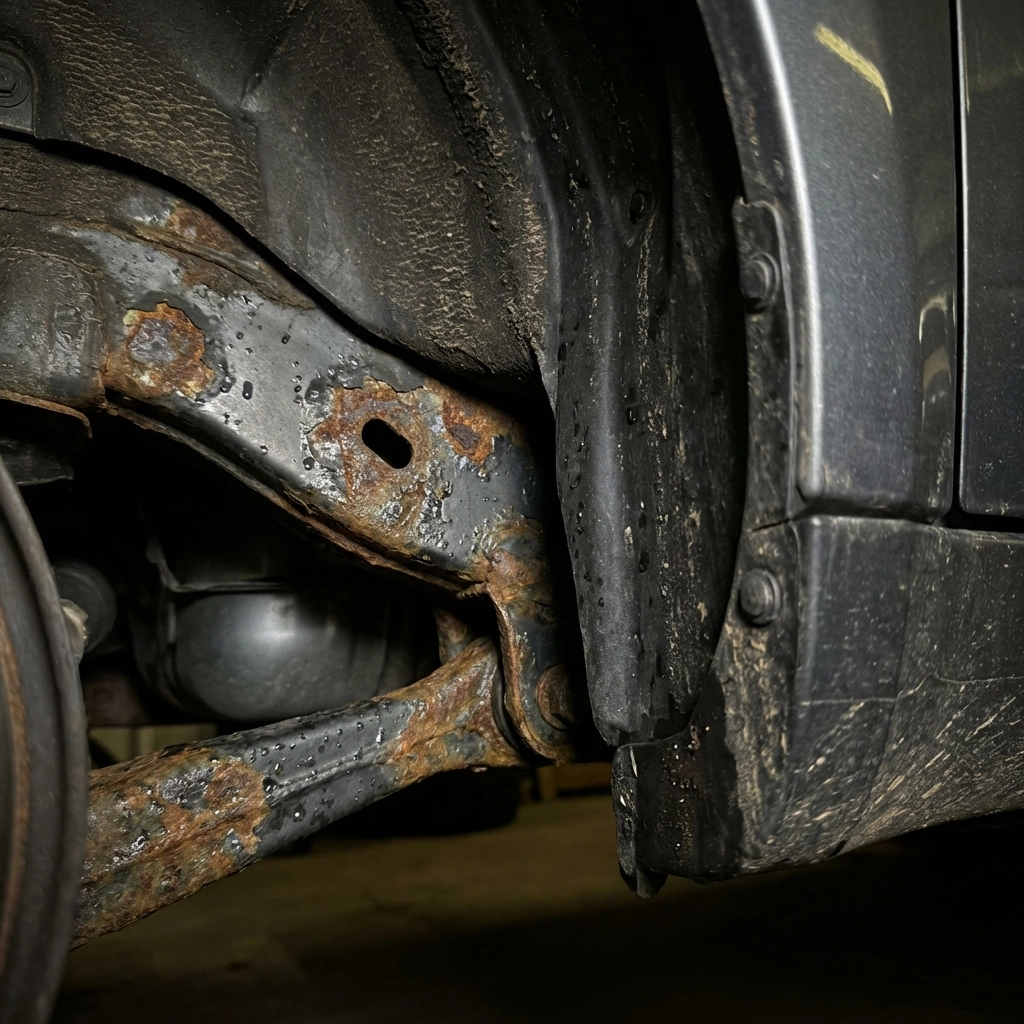
Perhaps the most significant limitation is that most vehicles do not come with comprehensive underbody coating as standard. The corrosion protection applied during manufacturing is generally a thin primer layer, not a robust barrier against the harsh conditions found on British roads.
UK driving conditions are particularly challenging for vehicle preservation. The combination of frequent rainfall, high humidity, coastal salt air, and, crucially, the millions of tonnes of road salt spread on our roads each winter creates an environment where corrosion can take hold remarkably quickly.
Factory protection simply wasn't designed to cope with these conditions over the long term.
Why Aftermarket Rustproofing Remains Essential
Given the limitations outlined above, it becomes clear why aftermarket rustproofing treatments remain a sensible investment, even for brand-new vehicles.
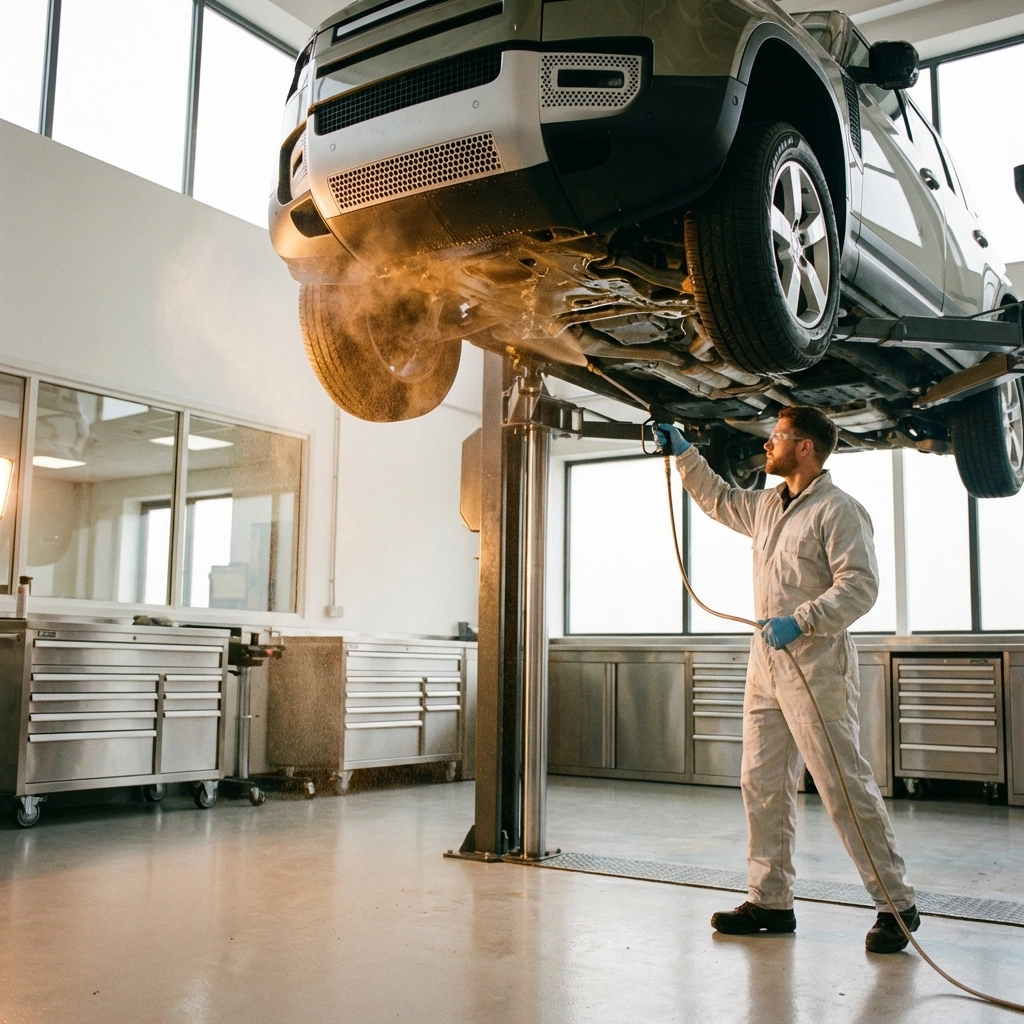
A comprehensive professional rustproofing treatment goes far beyond what any manufacturer provides as standard. It typically includes:
Thorough chassis cleaning and preparation to remove any existing contamination
Application of high-quality underbody sealant to all exposed metal surfaces
Cavity wax injection into all box sections, sills, doors, and structural cavities where moisture can collect unseen
Treatment of vulnerable areas such as wheel arches, suspension components, and brake lines
This multi-layered approach creates a robust protective barrier that prevents moisture and salt from reaching the bare metal, stopping rust before it can even begin.
For those interested in understanding more about cavity protection specifically, our guide on what is cavity wax and why do you need it provides detailed information on this critical aspect of vehicle preservation.
What About Manufacturer Warranties?
Many new car buyers assume that their vehicle's corrosion warranty provides adequate reassurance. However, it's important to understand exactly what these warranties cover, and what might void them.
Most manufacturer corrosion warranties are limited to perforation from the inside out. This means the warranty only applies if rust penetrates completely through a body panel from inside the cavity to the exterior. Surface rust, corrosion on chassis components, brake lines, suspension parts, and subframes are typically not covered.
Furthermore, many warranty terms include exclusions for vehicles used in certain conditions, those that haven't been maintained according to manufacturer schedules, or those that have been modified in any way.
We've covered this topic in detail in our article on what voids a corrosion warranty on a new car, which is essential reading for any new vehicle owner.
Should You Rustproof a Brand-New Car?
The short answer is yes: and sooner rather than later.
Applying comprehensive rustproofing to a new vehicle is significantly easier and more effective than treating a vehicle that has already been exposed to corrosive conditions for several years. A new car's underbody is clean, free from existing contamination, and hasn't yet developed the microscopic scratches and chips that allow corrosion to gain a foothold.
By treating your vehicle from day one, you're ensuring that protective products can bond directly to clean metal surfaces, providing the most effective and longest-lasting protection possible.
This applies equally to traditional petrol and diesel vehicles as well as modern electric vehicles. If you're wondering whether EVs face the same risks, our article on whether electric vehicles need rustproofing addresses this question comprehensively.
Protecting Your Investment for the Long Term
A new vehicle represents a significant financial investment. Protecting that investment from the damaging effects of corrosion makes sound economic sense: not only to avoid costly repairs down the line but also to maintain your vehicle's resale value.
At Rustec, we specialise in providing premium rustproofing treatments using the highest-quality products available, including the renowned Dinitrol range. Our comprehensive service includes meticulous preparation, thorough application to all vulnerable areas, and detailed photo documentation of the work completed.
Every treatment comes with our Rustec Guarantee, giving you complete peace of mind that your vehicle is protected against corrosion for years to come.
If you're considering rustproofing for your new vehicle: or simply want to understand more about how to keep your car rust-free throughout its life: don't hesitate to get in touch. Our team is always happy to answer your questions and help you choose the right protection for your vehicle.
Comments