
What voids a corrosion warranty on a new car?
- Lloyd Saunders
- Dec 16, 2025
- 5 min read
Understanding what voids your vehicle's corrosion warranty is essential for maintaining comprehensive rust protection coverage on your investment. Modern vehicles typically include manufacturer corrosion warranties that provide crucial protection against rust-through and perforation, but these warranties contain specific exclusions that every vehicle owner must understand to ensure continued coverage.
Corrosion warranties represent a manufacturer's commitment to protecting your vehicle against rust perforation caused by manufacturing defects or material failures. However, these warranties are carefully structured to exclude damage resulting from external factors, improper maintenance, or owner negligence. Knowing these exclusions helps you make informed decisions about additional rust protection treatments and proper vehicle care.
Understanding Corrosion Warranty Coverage
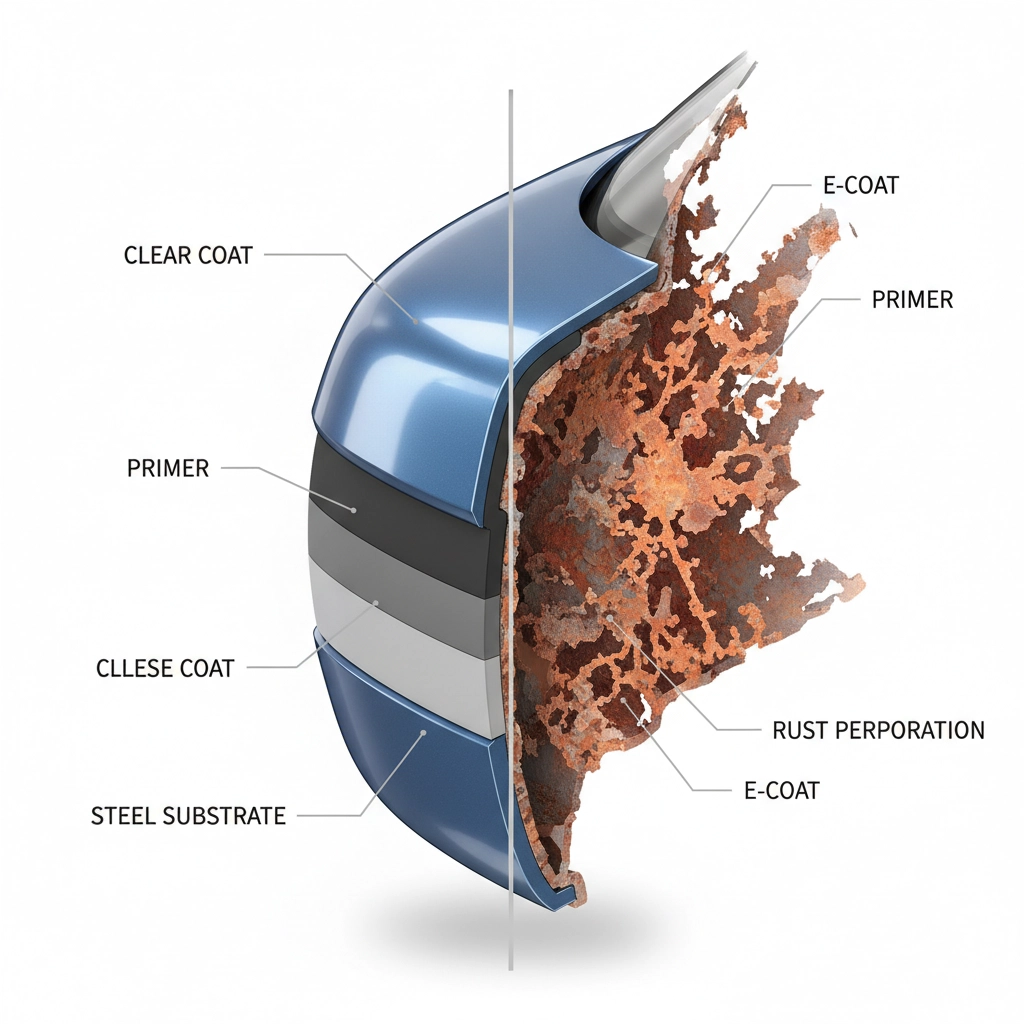
Before examining what voids coverage, it's important to understand what corrosion warranties typically protect. Most manufacturer warranties cover rust perforation: actual holes that develop through metal panels from the inside out due to manufacturing defects. This differs significantly from surface rust or cosmetic corrosion, which often receives limited or no coverage under standard warranty terms.
Premium corrosion warranties may extend coverage for several years, with some manufacturers offering protection for up to twelve years against rust perforation. However, this extended coverage comes with stringent conditions that vehicle owners must meet to maintain valid protection.
External Damage and Impact Exclusions
Accident and Collision Damage
Corrosion warranties universally exclude rust or perforation caused by accidents, collisions, or impact damage. When your vehicle experiences physical damage from an accident, the compromised paint and protective coatings create entry points for moisture and corrosive substances. Any subsequent rust development in these damaged areas falls outside warranty coverage, regardless of how quickly corrosion appears.
This exclusion protects manufacturers from covering rust that results from external trauma rather than inherent material or manufacturing defects. Even minor accidents that seem insignificant can create microscopic breaches in protective coatings, leading to accelerated corrosion that would not be covered under warranty terms.
Environmental Impact Damage
Hail damage, stone chips, and debris impacts represent common exclusions across all manufacturer corrosion warranties. These environmental hazards create physical breaches in protective paint systems and underlying coatings, allowing corrosive elements direct access to metal surfaces. For example, Kia's anti-perforation guarantee specifically excludes holes that develop from outside-in damage, such as hail or unintentional impacts.
The distinction between manufacturing defects and environmental damage becomes crucial when filing warranty claims. Manufacturers require clear evidence that rust perforation originated from internal material failure rather than external compromise of protective systems.
Chemical and Environmental Exposure Limitations
Road Salt and Chemical Contact
One of the most significant warranty exclusions involves exposure to corrosive chemicals, particularly road salt used during winter conditions. Mitsubishi's rust warranty explicitly excludes corrosion induced by contact with road salt, sand, acids, chemicals, or fertilizers. This exclusion proves particularly relevant for UK vehicle owners, where road salt application represents standard winter maintenance practice.
This exclusion creates an apparent contradiction: manufacturers exclude coverage for the most common cause of vehicle corrosion in UK conditions. Understanding this limitation helps explain why additional rust protection treatments like Dinitrol or Lanoguard provide valuable supplementary protection beyond basic warranty coverage.
Agricultural and Industrial Chemical Exposure
Vehicles regularly exposed to agricultural chemicals, fertilizers, or industrial substances face accelerated corrosion risk that falls outside warranty coverage. Farm vehicles, commercial fleets operating in industrial environments, and vehicles used for transporting chemicals or fertilizers particularly require additional protection beyond standard warranty terms.
Manufacturers design corrosion warranties around normal road use conditions, excluding exposure to concentrated chemical substances that exceed typical environmental challenges. Vehicle owners operating in these conditions must implement additional protective measures to maintain long-term corrosion resistance.
Abuse and Abnormal Usage Exclusions
Improper Vehicle Operation
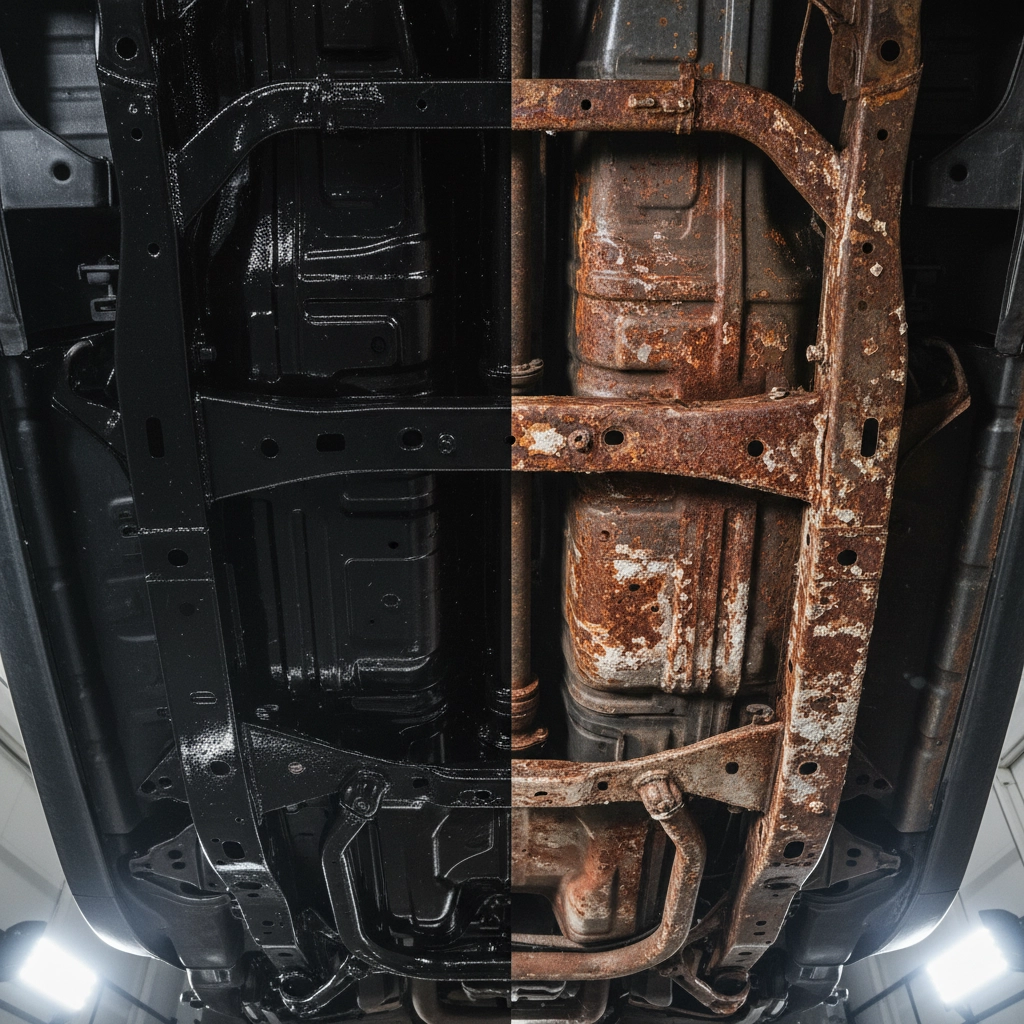
Corrosion warranties exclude damage resulting from vehicle abuse or abnormal usage patterns. This broad category encompasses various scenarios where vehicle operation exceeds manufacturer specifications or recommended practices. Off-road driving in particularly harsh conditions, regular exposure to deep water, or operation in extreme environmental conditions may void corrosion coverage.
The definition of "abnormal usage" varies between manufacturers but generally includes any operation outside typical road driving conditions. This exclusion protects manufacturers from covering accelerated wear and corrosion resulting from extreme use rather than manufacturing defects.
Maintenance Neglect
Failure to maintain proper vehicle care represents another significant warranty voiding factor. Regular washing, particularly undercarriage cleaning to remove salt and debris accumulation, forms part of expected owner maintenance. Neglecting these basic maintenance requirements can void corrosion warranty coverage, even when rust develops due to manufacturing vulnerabilities.
Manufacturers typically require evidence of proper maintenance when processing warranty claims. Maintaining service records and documentation of regular cleaning helps support valid warranty claims while demonstrating compliance with care requirements.
Aftermarket Modifications and DIY Applications
Improper Rust Protection Application
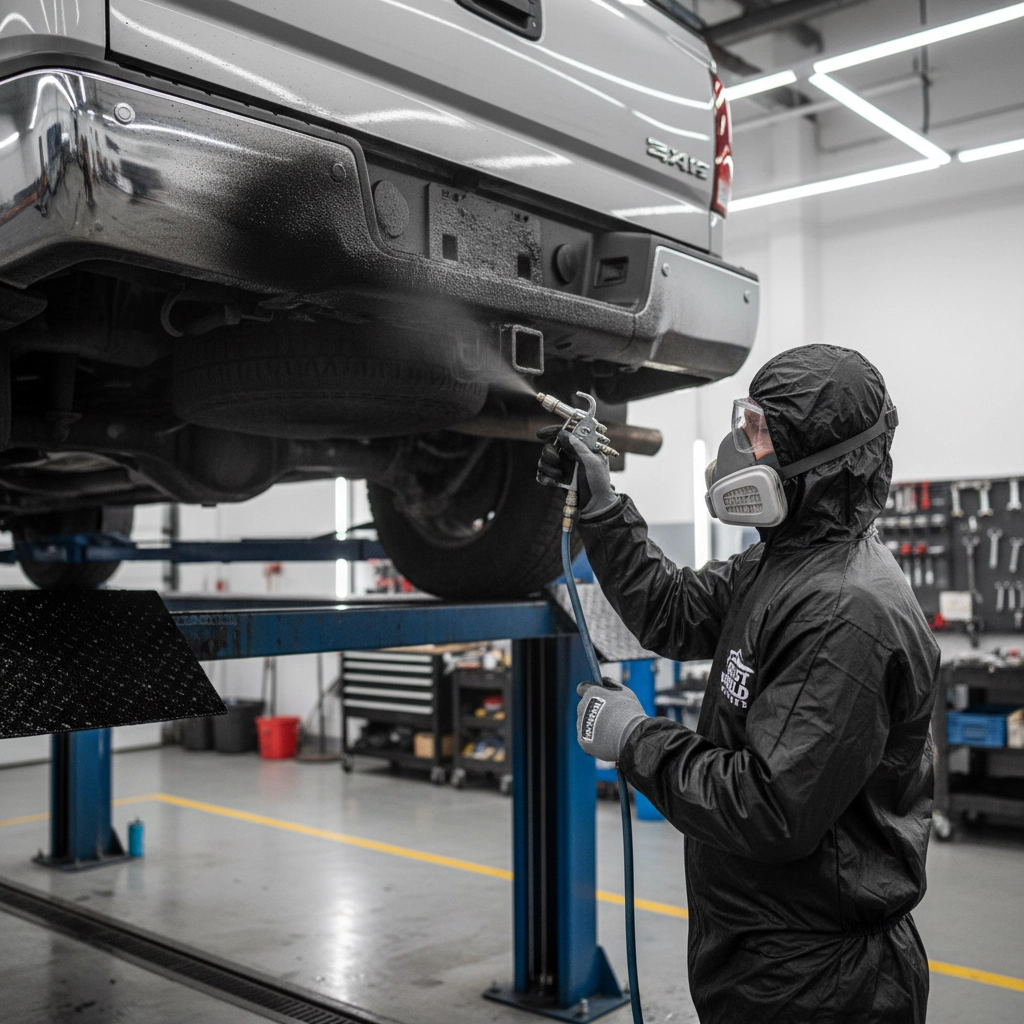
While applying professional rust protection treatments typically doesn't void manufacturer warranties, any damage caused by improper DIY application falls outside coverage. Incorrectly applied coatings that damage sensors, electronics, or other vehicle components would not receive warranty protection. The key distinction lies in professional versus amateur application quality and resulting damage.
Quality rust protection applications using products like Dinitrol complement manufacturer warranties without voiding coverage. However, amateur applications that cause overspray damage, block drainage systems, or interfere with vehicle components may compromise warranty protection for affected areas.
Unauthorised Modifications
Structural modifications that compromise vehicle integrity or protective systems can void corrosion warranty coverage. This includes aftermarket bodywork, non-standard attachment points, or modifications that create new water entry paths or stress concentration areas.
Maintaining Valid Warranty Coverage
Documentation Requirements
Protecting your corrosion warranty requires maintaining comprehensive documentation of vehicle care and any rust protection treatments. Professional application records, maintenance schedules, and photographic evidence of vehicle condition help support valid warranty claims when required.
Keep detailed records of any additional rust protection treatments, ensuring applications are performed by qualified professionals using appropriate products. This documentation demonstrates proactive vehicle care while providing evidence that additional protection doesn't compromise manufacturer systems.
Professional Assessment Benefits
Regular professional inspection helps identify potential corrosion issues before they develop into warranty-voiding damage. Expert assessment can distinguish between manufacturing defects covered under warranty and external damage that falls outside coverage terms.
Professional rust protection specialists understand manufacturer warranty requirements and can recommend treatments that complement rather than compromise existing coverage. This expertise proves invaluable for maintaining comprehensive protection throughout your vehicle's lifetime.
Strategic Protection Beyond Warranties
Comprehensive Rust Protection
Understanding warranty limitations highlights the importance of comprehensive rust protection strategies that address excluded risks. Professional treatments using premium products like Dinitrol provide protection against road salt exposure, environmental chemicals, and other factors excluded from manufacturer coverage.
Quality rust protection treatments create multiple layers of defence, protecting against both manufacturing defects covered under warranty and environmental challenges that fall outside standard coverage. This comprehensive approach ensures maximum protection throughout your vehicle's operational lifetime.
Professional Application Advantages
Professional rust protection application ensures compliance with manufacturer requirements while providing superior protection against warranty exclusions. Expert application techniques avoid the damage risks associated with DIY treatments while maximising protective coverage effectiveness.
Professional services typically include comprehensive preparation, precise application techniques, and quality assurance measures that protect both manufacturer warranty coverage and long-term corrosion resistance. This professional approach provides optimal protection value while maintaining all available warranty benefits.
Understanding corrosion warranty exclusions empowers informed decision-making about additional rust protection requirements. While manufacturer warranties provide valuable basic protection, comprehensive rust prevention requires addressing the significant limitations and exclusions inherent in standard coverage terms. Professional rust protection treatments bridge these coverage gaps, ensuring complete protection against all corrosion risks throughout your vehicle's lifetime.
Comments