
Signs your nearly-new car might already be at risk from rust
Purchasing a nearly-new vehicle should provide peace of mind, but even low-mileage cars can already be vulnerable to early underbody corrosion and hidden deterioration. Many new car owners assume their vehicle is too new to worry about rust, yet subtle warning signs can appear far sooner than expected beneath the surface. Understanding these early indicators can help you protect your vehicle before minor corrosion develops into expensive structural repairs.
The Hidden Dangers in Nearly-New Vehicles
Nearly-new cars occupy a deceptive middle ground: they still look fresh, yet they may already have been exposed to road salt, standing moisture, grit, and poor underbody cleaning habits. Unlike a factory-fresh vehicle, a nearly-new car may already have the beginnings of corrosion in areas that are difficult to see without a proper inspection.
The UK's climate accelerates this process significantly. Our combination of wet roads, winter salt, mud retention, and temperature changes creates ideal conditions for corrosion, even within the first few years of ownership. That is why catching early rust risks quickly is so important.
Early Rust Warning Signs to Look For
Surface rust on exposed metal components is often the first indicator. Light corrosion on suspension arms, brackets, fixings, or subframe edges can appear harmless, but it shows that moisture and salt have already started attacking the underside.
Rust bubbling under paint or seam sealer is another warning sign that should never be ignored. If paint begins to blister around wheel arches, door bottoms, or sill edges, corrosion may already be forming underneath the surface where it is harder to stop.
Discoloured seams, welds, and spot-weld areas can also suggest early corrosion activity. These are common moisture traps and are often the first places where factory protection begins to weaken under UK driving conditions.
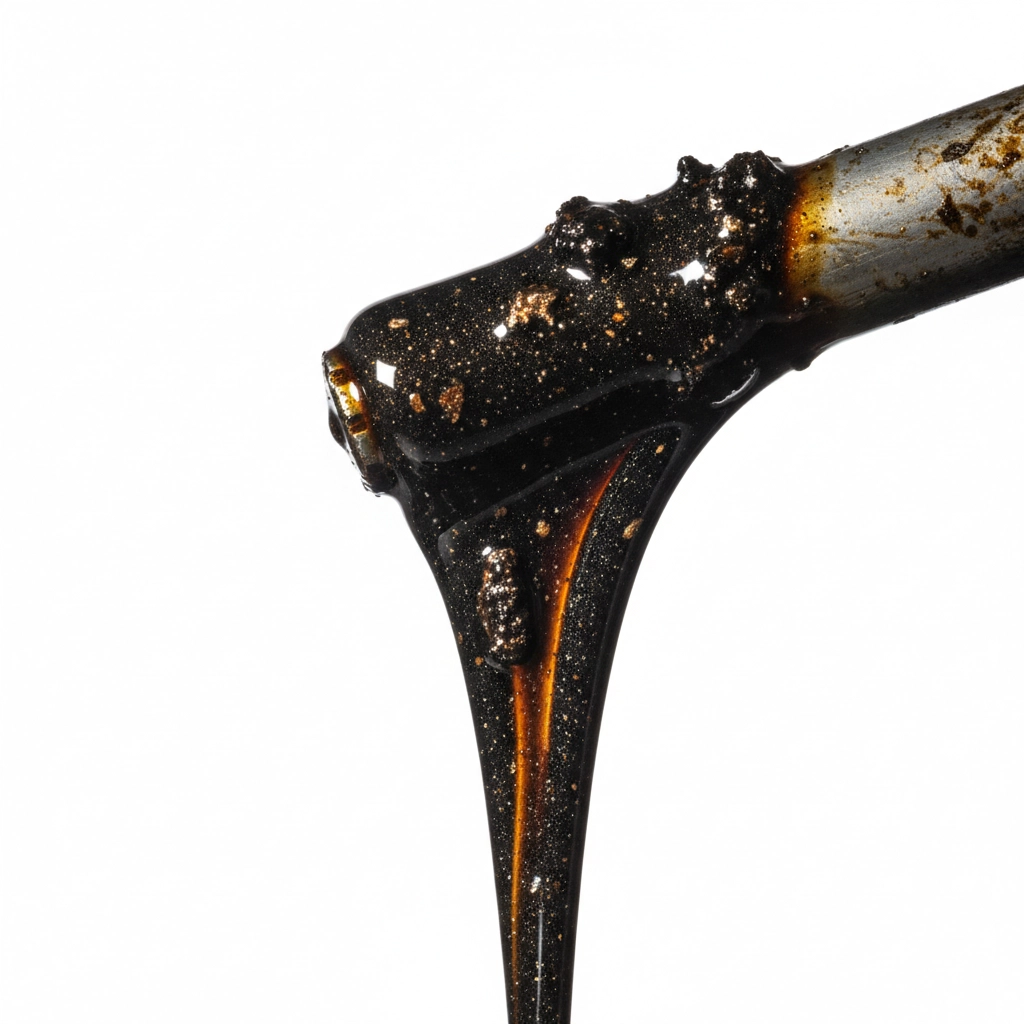
Rust Formation: The Silent Destroyer
Even nearly-new vehicles can exhibit early rust formation that threatens long-term structural integrity. The UK's winter road salt penetrates protective coatings and accelerates corrosion in hidden areas where moisture accumulates. Check wheel wells, door sills, and frame components meticulously: small bubbles under paintwork often indicate rust beginning to form beneath the surface.
Chassis and undercarriage corrosion poses particular risks in nearly-new vehicles. Manufacturing processes sometimes leave microscopic gaps in protective coatings, allowing moisture penetration that creates rust points invisible from above. Professional rustproofing specialists use comprehensive inspection techniques to identify these vulnerable areas before significant damage occurs.
Frame rust represents an especially serious concern, as it compromises structural safety and can render vehicles uneconomical to repair. Unlike cosmetic body panel rust that affects appearance, frame corrosion threatens the vehicle's fundamental integrity and may result in MOT failures or insurance complications.
Environmental Damage Indicators
Salt residue accumulation is one of the clearest signs of corrosion risk. White, chalky, or crusty deposits around suspension components, brake line areas, fixings, and undertrays suggest that road salt has been trapped underneath the vehicle and is actively contributing to corrosion.
Mud and moisture retention inside wheel arches, chassis recesses, and underbody pockets also creates ideal conditions for rust to begin. If these areas stay damp long after driving, protective coatings can become compromised over time.
Rust deposits in unexpected locations such as fasteners, brackets, seat mounting points, or trim fixings can indicate wider moisture exposure. In a nearly-new vehicle, these signs should prompt a more thorough underbody inspection.
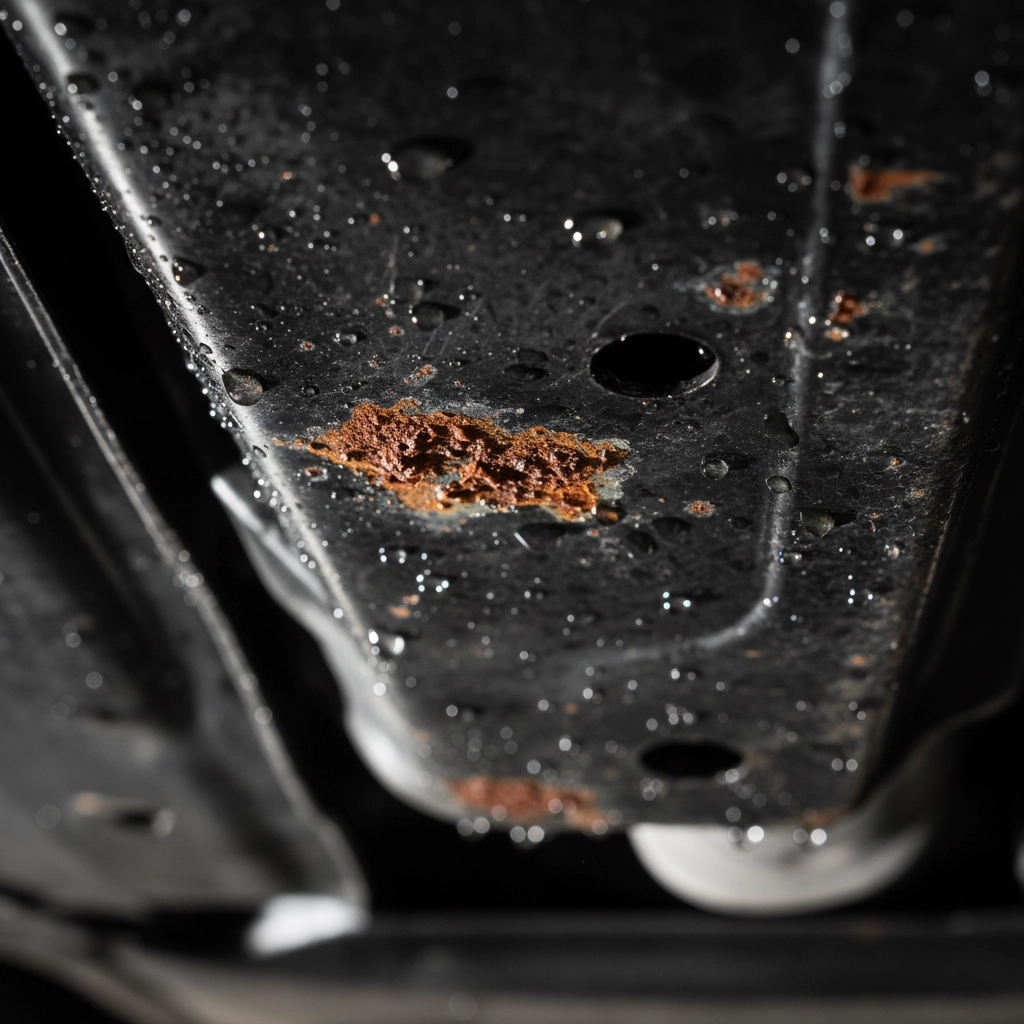
Areas Most Commonly at Risk
Wheel arches and arch lips are frequent starting points for corrosion because they are constantly exposed to water, grit, and road salt thrown up by the tyres.
Sills, seams, and pinch welds are particularly vulnerable because they trap dirt and moisture. These areas may still look acceptable from above while corrosion develops underneath.
Chassis rails, subframes, and suspension mounting points deserve close attention. These are critical structural areas, and even early corrosion here should be taken seriously.
Brake and fuel line surroundings, along with brackets and fixings, can also begin to corrode surprisingly early if the vehicle has seen repeated winter use without adequate protection.
Why Nearly-New Cars Are Still Vulnerable
Factory corrosion protection is not always enough for long-term UK use. Manufacturers build vehicles to a cost, and factory-applied coatings may not provide the level of coverage or longevity needed for our harsh road conditions.
Low mileage does not mean low risk. A vehicle can cover very few miles and still suffer corrosion if it is regularly exposed to wet roads, winter salt, coastal air, or long periods of standing moisture.
Early ownership is the ideal time for prevention. Once corrosion starts, stopping it becomes more involved and more expensive. Identifying risk early allows for a far more effective rustproofing strategy.
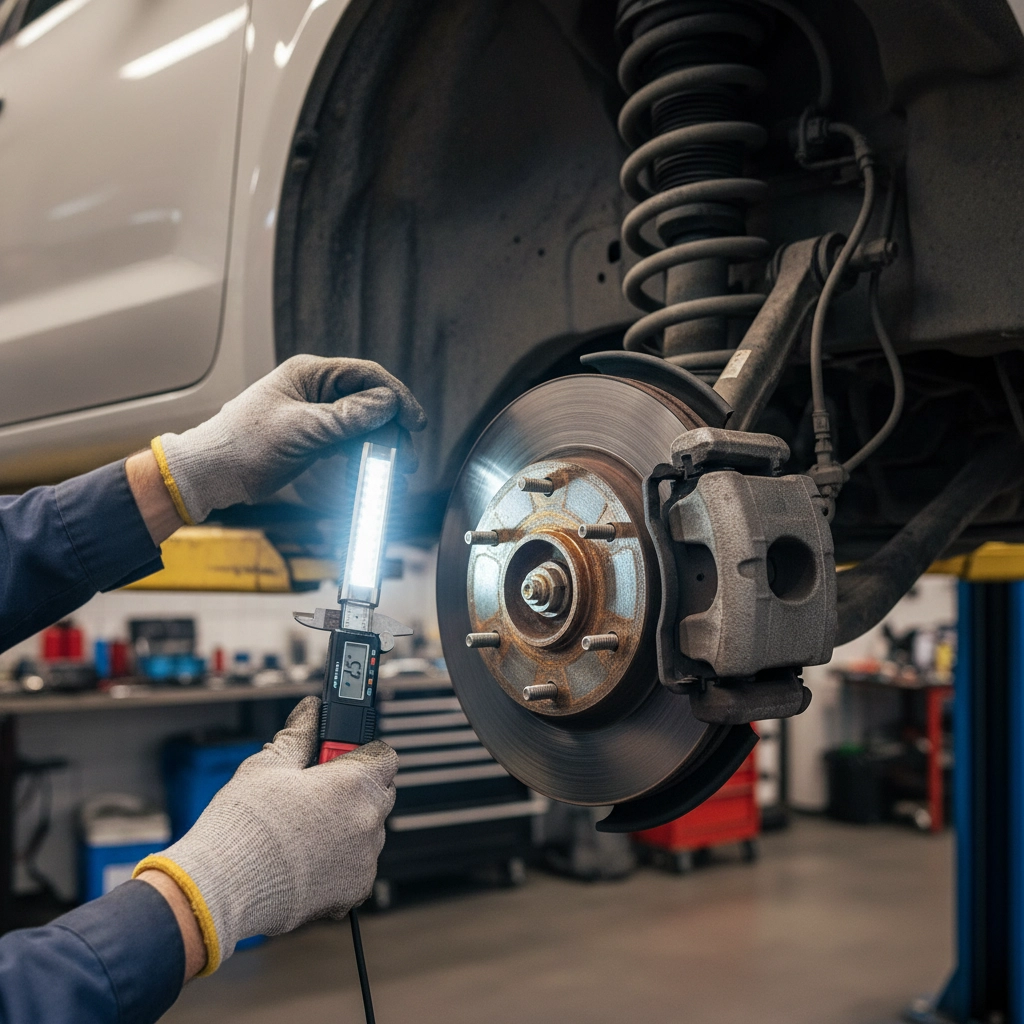
Protective Coating Failure
Factory rust protection inadequacies become apparent when corrosion begins in areas that should still be well protected. Coverage gaps, thin application, and exposure to severe UK road conditions can all reduce the effectiveness of factory treatments.
Underbody coating failure may show as cracking, peeling, thinning, or vulnerable exposed sections underneath the vehicle. Once bare metal is exposed, rust can begin quickly.
Cavity protection weaknesses are harder to detect without specialist access and equipment. Internal areas such as sills, doors, chassis sections, and crossmembers rely on cavity wax protection that is not always sufficient for long-term durability.
Professional Assessment Benefits
Identifying these warning signs early gives you the best opportunity to prevent long-term corrosion damage. Professional rustproofing specialists can carry out a comprehensive inspection that highlights vulnerable areas before they become costly structural issues.
Comprehensive undercarriage inspection using proper lifting equipment and lighting allows hidden corrosion risks to be identified accurately. This is especially important on nearly-new vehicles where rust often starts in places that are not visible during routine checks.
Premium Dinitrol® treatments provide a far higher level of long-term protection than standard factory coatings alone. Applied correctly, they help displace moisture, protect seams and cavities, and create a durable barrier against future corrosion.
Taking Preventive Action
Do not wait for visible corrosion to become severe. Early intervention is the most cost-effective way to protect a nearly-new vehicle. Professional rustproofing at this stage helps preserve condition, support resale value, and keep your vehicle protected for the long term.
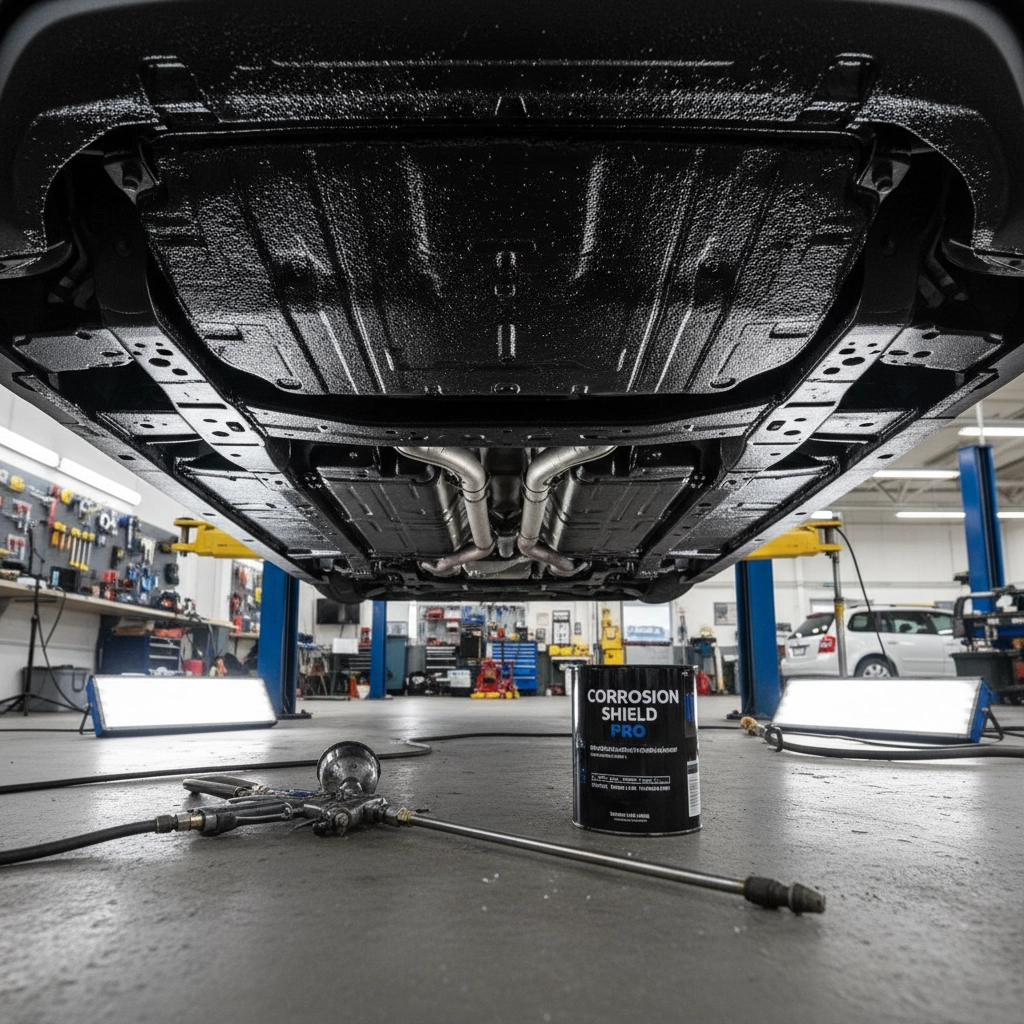
At Rustec, we carry out a comprehensive inspection of the underbody and apply premium Dinitrol® rustproofing treatments designed for long-term protection in demanding UK conditions. Our meticulous process helps ensure vulnerable areas are identified early and protected to the highest standard, backed by our Rustec Guarantee.
Contact our specialists today to arrange a professional assessment. If you still have a question or would like more information, please do not hesitate to get in touch.
Comments