
Should I rustproof a leased vehicle?
Quick answer: In most cases, no. If you lease a vehicle on a standard 2–4 year agreement, professional rustproofing is usually not the best-value option unless you plan to buy the vehicle at the end or operate it in unusually harsh conditions.
Leasing a vehicle presents unique considerations when it comes to rust protection. Unlike ownership, where every modification and protective measure directly benefits you long-term, leased vehicles require careful evaluation of cost versus benefit. The straightforward answer is that most leased vehicles should not be rustproofed – but understanding the complete picture will help you make an informed decision.
Understanding Lease Terms and Vehicle Modifications
Before considering any rustproofing treatment on a leased vehicle, examine your lease agreement thoroughly. Most lease contracts specify strict guidelines regarding vehicle modifications, and traditional rustproofing methods often involve drilling access holes for cavity wax application. These modifications could constitute a breach of your lease terms, potentially resulting in penalty charges when you return the vehicle.
Key lease considerations include:
Modification clauses and permitted alterations
Excess wear and tear definitions
Return condition requirements
Penalty structures for unauthorized changes
Insurance companies typically view rustproofing as a modification rather than standard maintenance. This classification can affect your coverage terms and premiums, particularly if the treatment involves structural alterations or drilling.

The Financial Reality of Lease Rustproofing
Standard lease terms in the UK typically range from 24 to 48 months. During this relatively short timeframe, rust formation on modern vehicles remains minimal, particularly on factory-protected areas. Professional rustproofing treatments cost between £400-£800 depending on vehicle size and treatment comprehensiveness.
Consider these financial factors:
Average lease duration: 36 months
Typical rust formation timeline: 5-7 years for significant development
Professional rustproofing cost: £400-£800
Your ownership duration: Limited to lease term
The mathematics clearly demonstrate that you're investing in protection for someone else's long-term asset. When you return the vehicle, any benefits from the rustproofing treatment transfer to the leasing company or subsequent owner, making it an economically questionable decision.
When Rustproofing a Leased Vehicle Makes Sense
Certain circumstances can justify rustproofing a leased vehicle, though these situations are relatively uncommon. The primary scenario involves purchase option consideration. If you're seriously considering exercising your lease-end purchase option, rustproofing becomes a worthwhile investment in your future asset.
Justifiable rustproofing scenarios:
Confirmed purchase intentions at lease termination
Extended lease terms beyond 48 months
High-mileage commercial use in corrosive environments
Classic or rare vehicles with exceptional depreciation resistance
Commercial lease holders operating in particularly harsh environments – coastal areas with high salt exposure, agricultural settings with fertilizer contact, or industrial zones with chemical exposure – might benefit from rustproofing consultation, especially if considering vehicle purchase.
Alternative Protection Strategies for Leased Vehicles
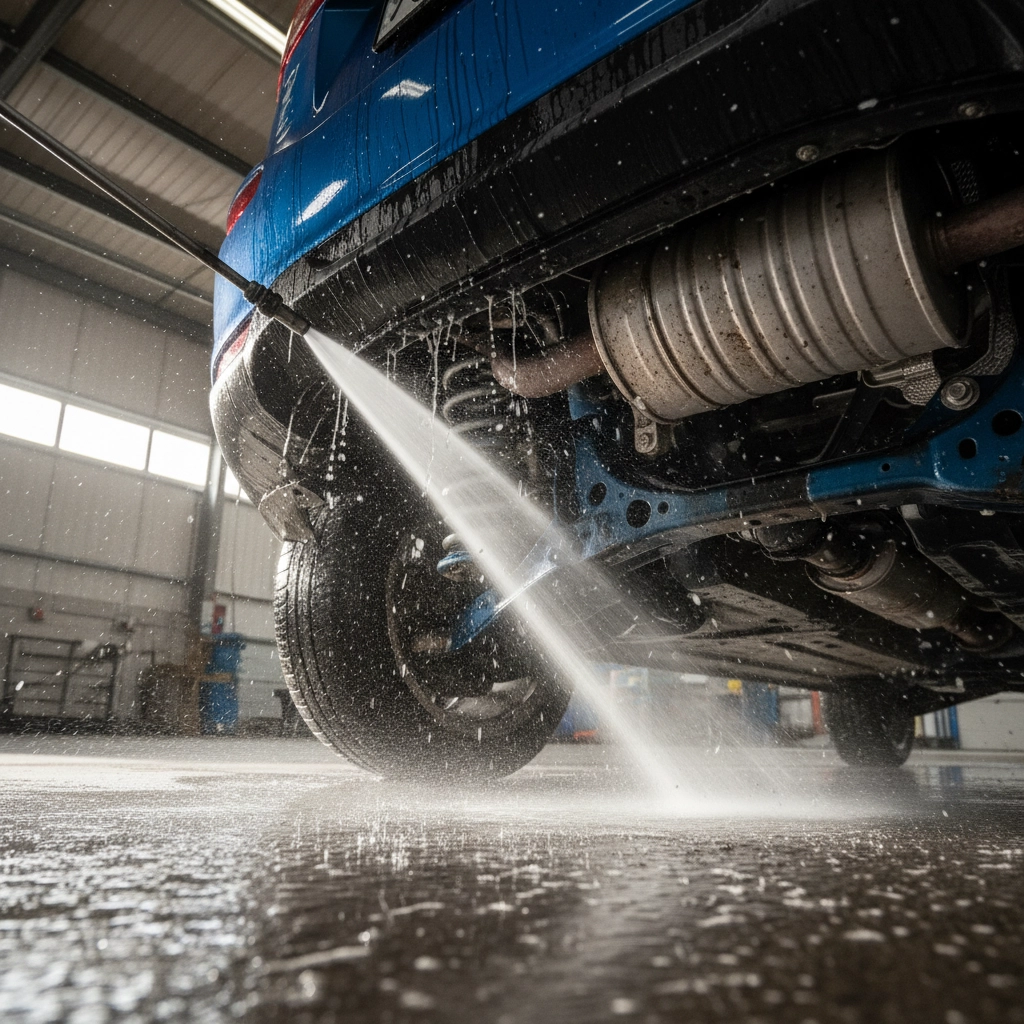
Rather than comprehensive rustproofing, leased vehicle operators should focus on maintenance practices that satisfy lease return conditions while providing reasonable protection. These approaches avoid contract complications while maintaining vehicle condition.
Recommended maintenance practices:
Regular undercarriage washing, particularly during winter months
Prompt attention to stone chip damage and paint scratches
Professional detailing services including underbody cleaning
Quality car mats and protective accessories
Careful parking to minimize exposure to harsh elements
These maintenance approaches protect your security deposit and potential excess wear charges without violating lease terms or requiring significant investment.
Understanding Factory Rust Protection
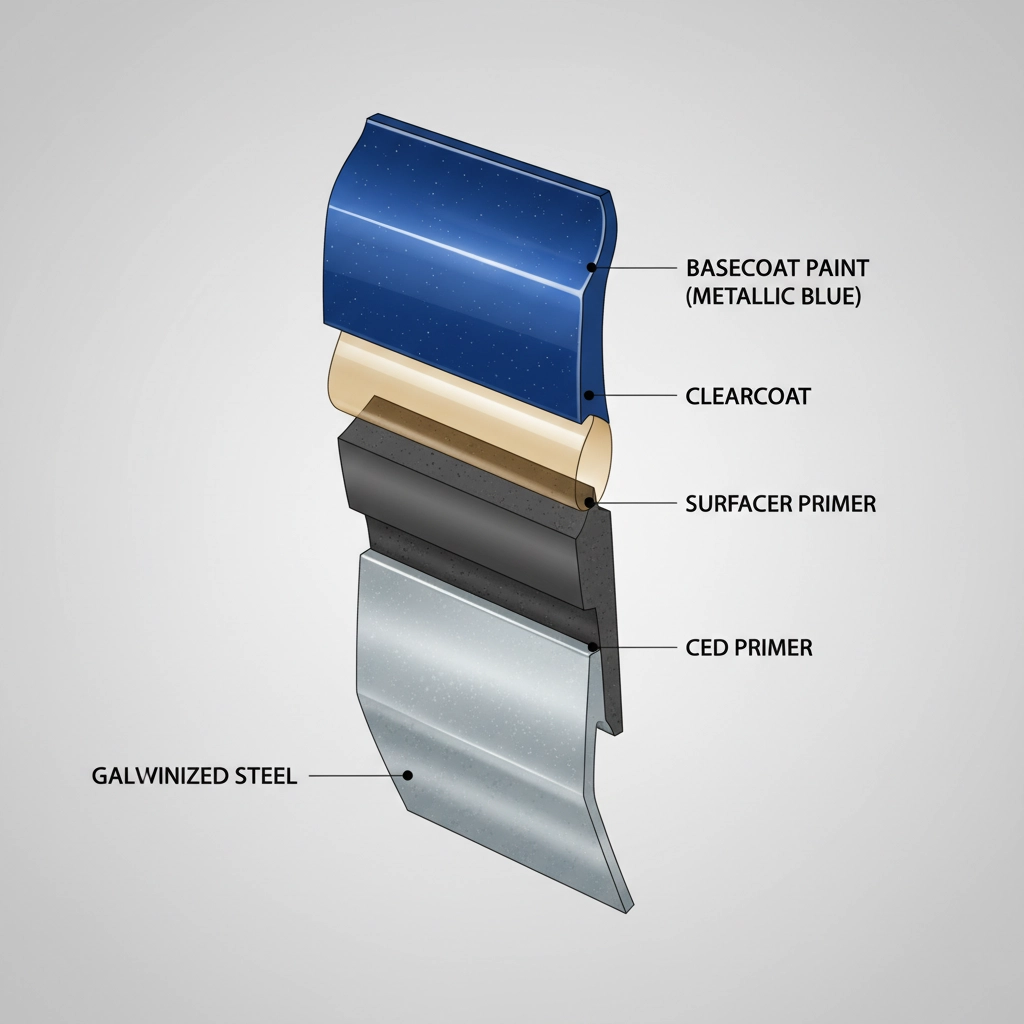
Modern vehicles arrive with substantial factory rust protection, including galvanized steel construction, electronic coating processes, and comprehensive primer systems. These protection methods are specifically designed to provide adequate corrosion resistance during the vehicle's initial years – precisely the timeframe covered by typical lease agreements.
Factory protection typically includes:
Hot-dip galvanizing on critical structural components
Multi-stage paint processes with corrosion-resistant primers
Cavity wax application in vulnerable areas
Protective coatings on exposed metal surfaces
This factory protection is calibrated to provide optimal performance during the manufacturer's warranty period, which often exceeds standard lease durations.
Lease Return Inspections and Rust Considerations
Lease return inspections focus on excessive wear and damage beyond normal usage expectations. Surface rust or corrosion that develops naturally during the lease term typically falls within acceptable wear parameters, provided it doesn't compromise structural integrity or safety.
Inspection focus areas:
Structural soundness and safety-critical components
Excessive corrosion beyond normal wear expectations
Paint damage and stone chip accumulation
Undercarriage condition relative to mileage and usage
Understanding these inspection criteria helps you maintain appropriate vehicle condition without unnecessary rustproofing investment.
Environmental Considerations for Leased Vehicles
UK driving conditions present specific challenges for vehicle corrosion protection. Winter road salt application, coastal exposure, and industrial pollutants accelerate rust formation. However, the timeframes involved in significant corrosion development exceed typical lease periods.
UK-specific corrosion factors:
Winter road salt application from October through March
Coastal salt spray in seaside locations
Industrial chemical exposure in manufacturing areas
High humidity and precipitation levels
While these factors increase long-term corrosion risk, their impact during standard lease periods remains manageable through proper maintenance rather than comprehensive rustproofing.
Professional Consultation and Assessment
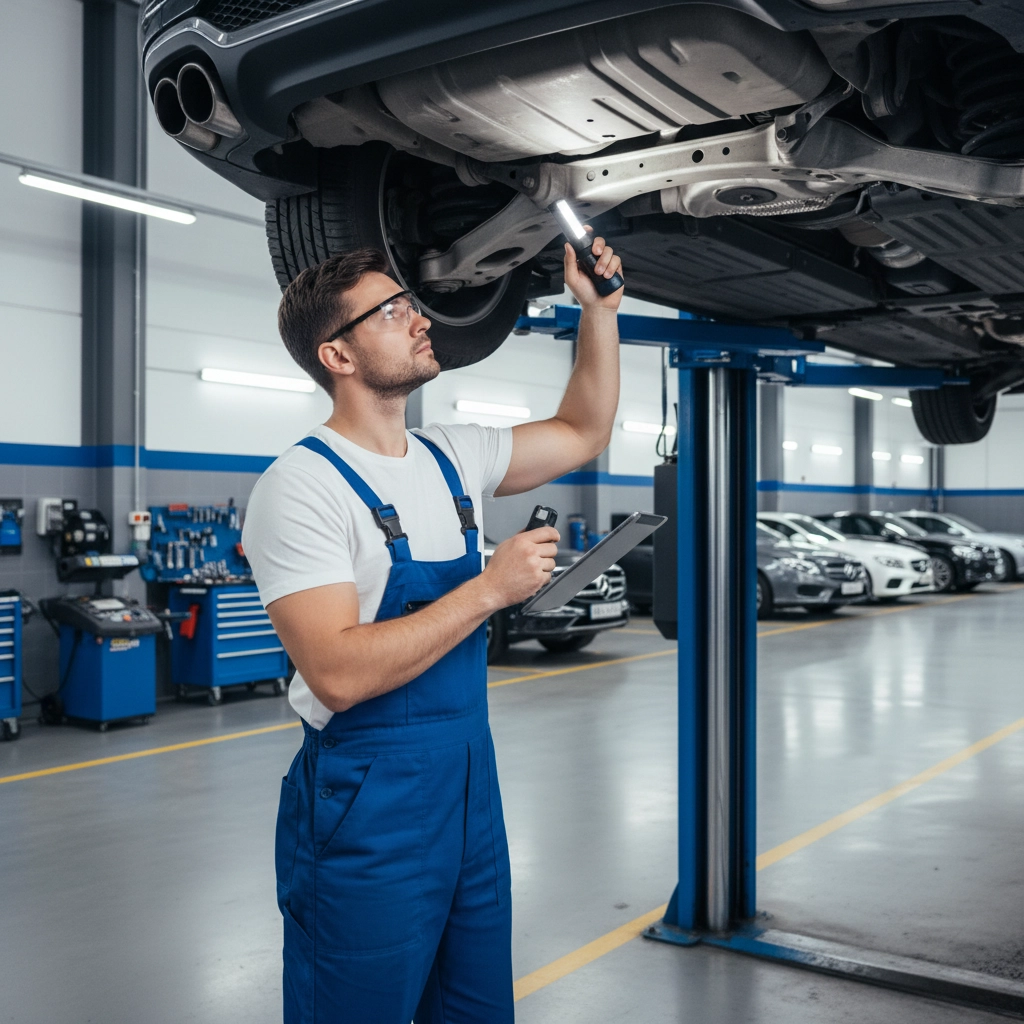
If you're uncertain about rustproofing decisions for your leased vehicle, professional consultation provides valuable clarity. Experienced rustproofing specialists can assess your specific situation, lease terms, and usage patterns to provide tailored recommendations.
At Rustec, we understand the unique considerations facing lease holders. Our comprehensive inspection services can evaluate your vehicle's current condition and provide honest assessments of whether rustproofing represents worthwhile investment in your specific circumstances.
Making the Right Decision
The decision ultimately depends on your individual circumstances, lease terms, and future intentions. For the vast majority of lease holders, focusing on excellent maintenance practices while avoiding rustproofing investment represents the most sensible approach.
Decision factors to evaluate:
Lease duration and mileage allowances
Purchase option intentions and likelihood
Operating environment and exposure levels
Contract modification restrictions
Financial investment versus benefit analysis
Expert Recommendation and Next Steps
Based on extensive experience with UK vehicles and corrosion protection, we recommend that standard lease holders avoid rustproofing treatments. The investment rarely provides proportional benefits given typical lease durations and return requirements.
However, if your situation involves purchase considerations, extended terms, or exceptional operating conditions, professional consultation can provide valuable guidance tailored to your specific circumstances.
For expert assessment of your leased vehicle's protection needs, contact Rustec for comprehensive consultation. Our team provides honest, transparent advice focused on your best interests rather than unnecessary service sales.
Key takeaways
Most leased vehicles do not need rustproofing
Factory corrosion protection is usually sufficient for a standard lease term
Lease agreements may restrict treatments that involve drilling or modification
Good maintenance and regular underbody cleaning are often the smarter approach
Rustproofing may be worth considering if you intend to purchase the vehicle at the end
Ready to discuss your vehicle's protection strategy? Contact Rustec today for expert consultation and discover the right approach for your leased vehicle.
Our professional team will assess your specific lease situation and provide tailored recommendations that make financial and practical sense for your circumstances.
Comments