
Should I rustproof my car before winter?
As the UK braces for another harsh winter season, vehicle owners face a critical decision that could determine their car's longevity and value for years to come. The question of whether to rustproof before winter isn't just about immediate protection, it's about preserving your investment against one of the most destructive forces your vehicle will encounter.
The answer is yes, rustproofing your car before winter is highly advisable, particularly if you drive in areas where road salt is regularly applied or if your vehicle hasn't received professional rust protection treatment recently. Winter conditions create the perfect storm for accelerated corrosion, making pre-season protection not just beneficial, but essential for long-term vehicle preservation.
Why Winter Is Your Vehicle's Greatest Enemy
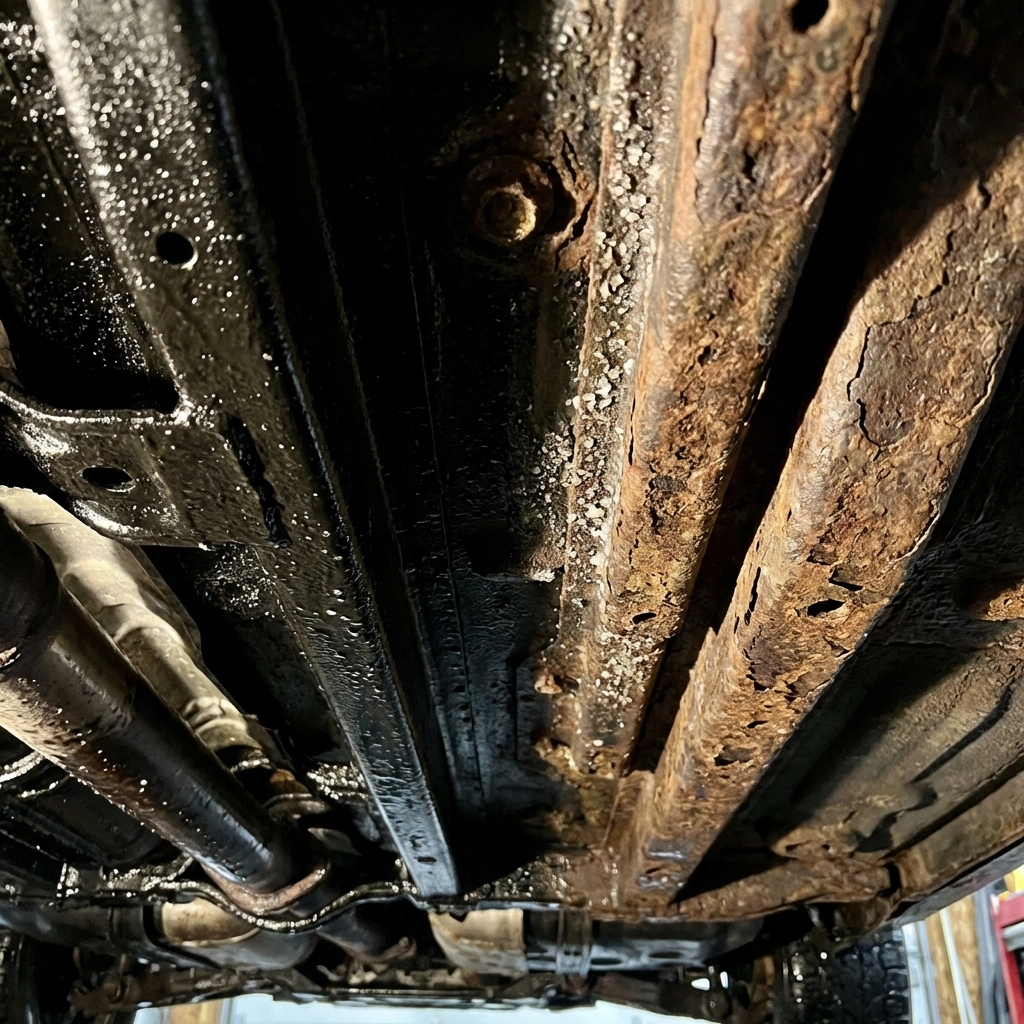
Winter weather doesn't just challenge your driving skills: it wages a relentless chemical assault on your vehicle's metal components. The combination of road salt, moisture, freezing temperatures, and accumulated dirt from slush creates an environment where rust formation accelerates dramatically.
Road salt, while essential for safe driving conditions, is highly corrosive. When mixed with water from rain, snow, and ice melt, it forms a solution that actively seeks out microscopic breaches in your vehicle's protective coatings. Even the smallest stone chip or scratch becomes a gateway for this corrosive mixture to reach bare metal.
The freeze-thaw cycle compounds this damage significantly. When moisture penetrates tiny cracks and subsequently freezes, it expands, creating larger openings that allow even more corrosive elements to penetrate. This process repeats throughout winter, gradually compromising your vehicle's structural integrity and aesthetic appeal.
The Science Behind Winter Corrosion
Understanding how rust forms in winter conditions helps illustrate why preventive treatment is so crucial. Rust requires three elements to form: iron (present in steel), oxygen, and water. Winter provides all three in abundance, with road salt acting as a catalyst that dramatically accelerates the oxidation process.
Modern vehicles incorporate various metals and alloys in their construction, each with different corrosion resistance properties. However, even the most advanced materials are vulnerable when exposed to the harsh chemical environment created by winter road treatments combined with moisture and temperature fluctuations.
The areas most susceptible to winter rust damage include:
Wheel arches and sills where salt spray accumulates
Exhaust systems exposed to direct salt contact
Suspension components constantly bathed in road spray
Underbody panels where moisture and debris collect
Electrical connections vulnerable to corrosion-induced failure
Critical Benefits of Pre-Winter Rustproofing
Professional rustproofing before winter provides comprehensive protection that extends far beyond simple cosmetic preservation. The benefits compound over time, making the investment increasingly valuable with each passing season.
Prevents Rust and Corrosion Formation High-quality rustproofing products create an impermeable barrier between your vehicle's metal components and the corrosive elements they encounter. This protective layer repels moisture and prevents salt from making direct contact with vulnerable surfaces, stopping the corrosion process before it can begin.
Significantly Extends Vehicle Lifespan By protecting critical structural and mechanical components, rustproofing prevents the gradual degradation that leads to premature component failure. Exhaust systems, brake lines, suspension components, and electrical connections all benefit from this protection, often lasting years longer than untreated equivalents.
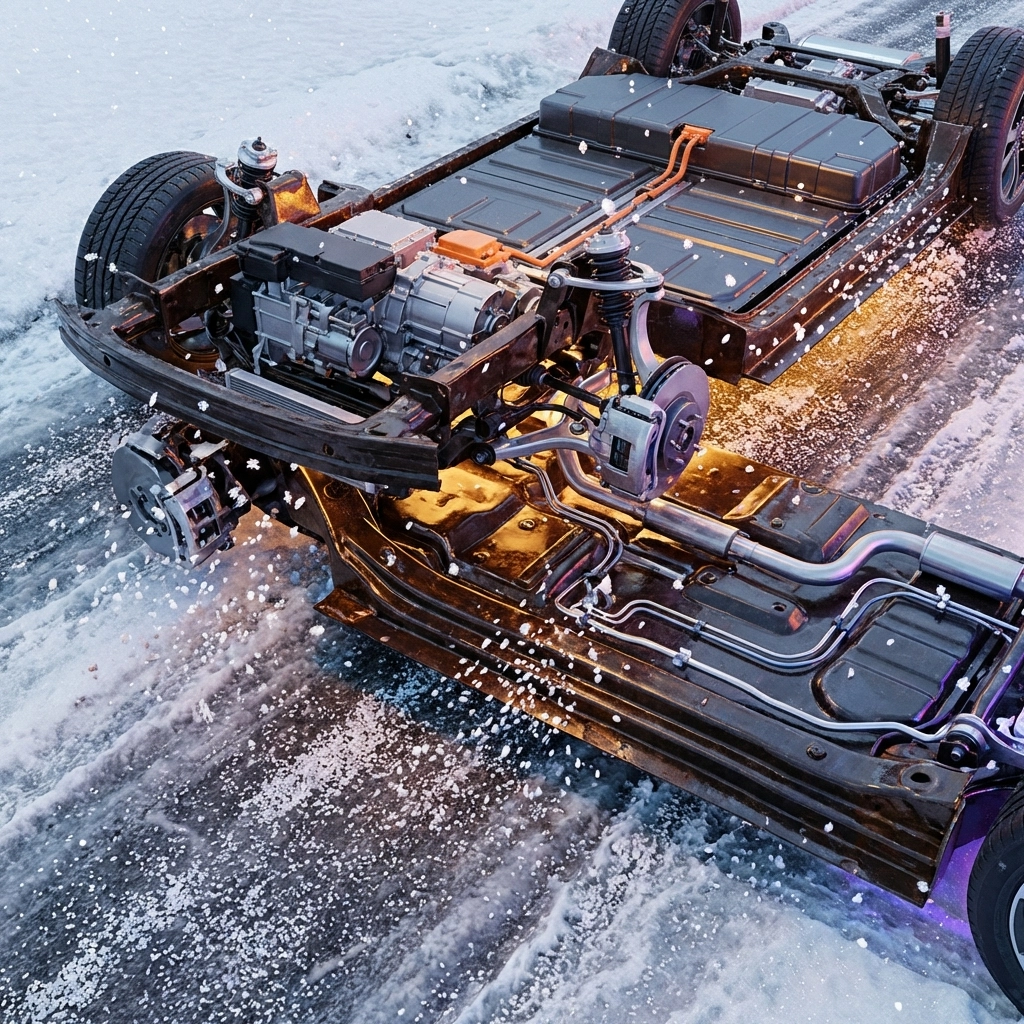
Reduces Long-Term Repair Costs The cost of professional rustproofing pales in comparison to the expense of replacing corroded components. A single exhaust system replacement often costs more than comprehensive rustproofing treatment, while structural rust repairs can run into thousands of pounds.
Maintains Resale Value Rust damage is immediately apparent to potential buyers and significantly impacts vehicle valuation. A well-maintained, rust-free vehicle commands premium pricing in the used car market, often recovering the entire cost of rustproofing treatments through improved resale value.
Ensures Reliable Performance Corrosion doesn't just affect appearance: it compromises functionality. Electrical connections corroded by salt exposure can cause intermittent faults or complete system failures. Suspension components weakened by rust present safety concerns and affect handling characteristics.
When Pre-Winter Rustproofing Is Most Critical
While rustproofing benefits all vehicles, certain circumstances make pre-winter treatment particularly essential. Used vehicles that haven't received professional rust protection in recent years represent the highest priority. These vehicles may already have microscopic vulnerabilities that winter conditions will exploit and expand.
High-mileage vehicles face increased risk due to accumulated stone chips, scratches, and general wear that compromise factory protection. The longer a vehicle has been exposed to road conditions, the more likely it is that protective coatings have been compromised.
Commercial vehicles and 4x4s used in demanding conditions require enhanced protection due to their exposure to off-road environments, heavy loads, and extended operating hours. These vehicles typically encounter more aggressive conditions that accelerate corrosion processes.
Vehicles stored outdoors lack the protection provided by garaging and face constant exposure to moisture and temperature fluctuations. Even when not in use, these vehicles continue to experience corrosive conditions.
Modern Factory Protection: Sufficient or Supplementary?
Contemporary vehicles incorporate advanced factory rust protection systems including galvanised steel construction, multi-layer paint systems, and cavity wax applications. These systems provide excellent initial protection but aren't designed to last the vehicle's entire lifespan without maintenance or supplementation.
Factory protection typically provides adequate coverage for the first few years of vehicle life under normal conditions. However, UK winter driving conditions exceed "normal" parameters, particularly in regions where heavy salt application is routine.
Factory warranties often exclude corrosion damage resulting from environmental factors, stone chips, or general wear. This means that while your vehicle may have initial protection, maintaining that protection becomes your responsibility after the warranty period expires.
Professional Treatment vs DIY Approaches
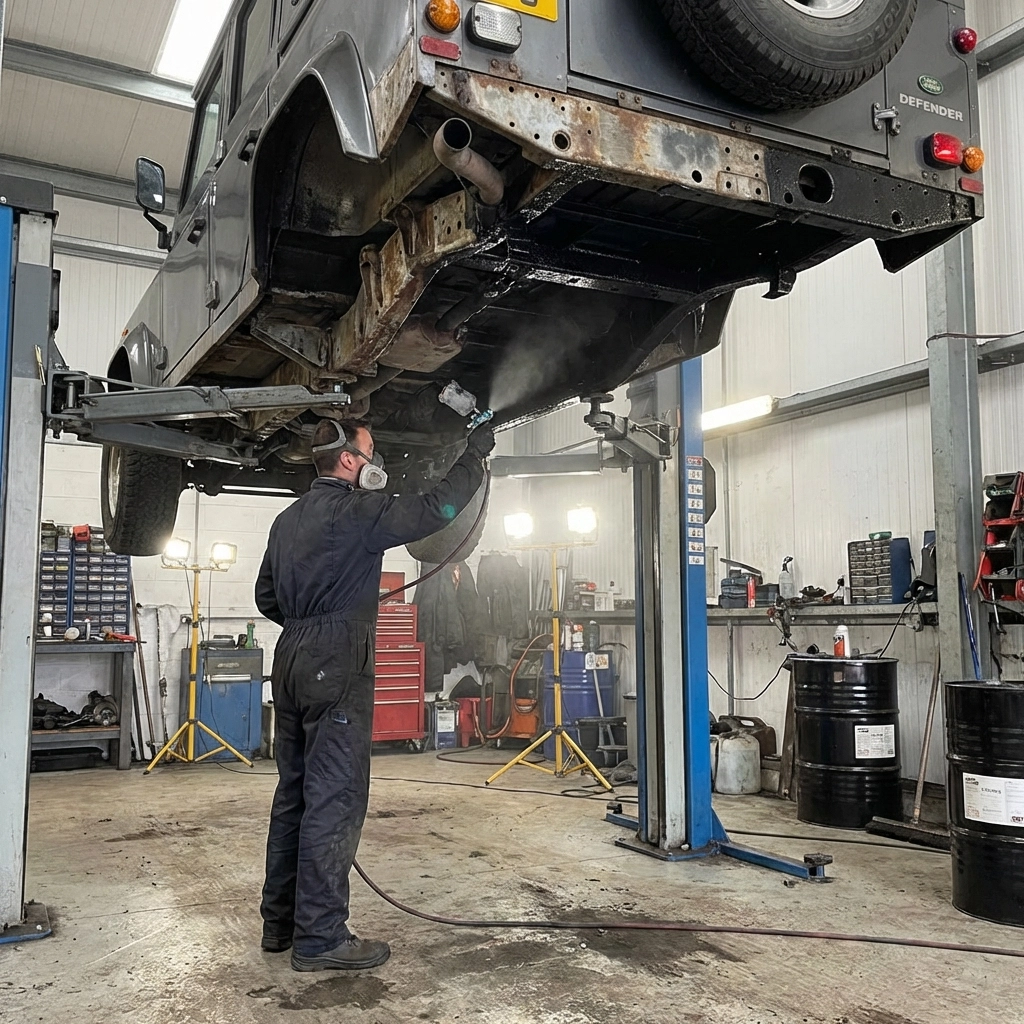
While numerous DIY rustproofing products are available, professional application offers significant advantages in terms of coverage, product quality, and long-term effectiveness. Professional technicians possess the expertise to identify vulnerable areas, properly prepare surfaces, and apply products using specialised equipment.
Comprehensive Coverage Professional treatments address hard-to-reach areas that DIY applications often miss. Cavity wax injection, for example, requires specialised equipment and knowledge of access points to ensure complete internal protection.
Premium Product Selection Professional services utilise commercial-grade products unavailable to consumers. These formulations often provide superior longevity and performance compared to retail alternatives.
Quality Assurance Established rustproofing specialists provide warranties and guarantees on their work, offering peace of mind and recourse if treatment proves ineffective.
Timing Your Rustproofing Treatment
The optimal time for rustproofing application is during dry, mild weather conditions typically found in late autumn before winter weather arrives. This timing allows products to cure properly while ensuring maximum effectiveness when harsh conditions begin.
Pre-winter application provides full protection throughout the most challenging season. Treating your vehicle in October or November ensures that protective coatings are fully established before encountering road salt and winter moisture.
Surface preparation is crucial for effective treatment. This typically involves thorough cleaning to remove existing contaminants, salt residue, and loose debris that could compromise adhesion.
Investment in Long-Term Value
Quality rustproofing represents one of the most cost-effective investments you can make in your vehicle's long-term health and value. The annual cost of professional treatment typically represents a fraction of a single major rust-related repair.
Consider rustproofing as insurance against the inevitable: UK winter conditions will attack your vehicle's metal components. The question isn't whether this will happen, but how effectively you'll be prepared when it does.
Professional rustproofing services offer comprehensive solutions tailored to your specific vehicle and usage patterns. From cavity wax injection to underbody coating applications, these treatments provide the thorough protection your vehicle needs to survive repeated winter exposure.
The decision to rustproof before winter ultimately determines whether you'll spend the coming years maintaining a reliable, valuable vehicle or managing the escalating costs and complications of corrosion damage. Choose protection, choose longevity, choose professional rustproofing treatment before winter arrives.
For comprehensive rustproofing solutions designed to protect your investment throughout the harshest winter conditions, contact our experienced team to discuss your vehicle's specific protection requirements.
Comments