
Rust Is a Long-Term Problem: Why Early Prevention is Your Only Real Strategy
Direct Answer: Why Prevention is the Only Strategy
Rust is a progressive, silent destroyer of automotive integrity. Because corrosion starts in hidden cavities and between overlapping steel panels, it is often invisible until it becomes a structural emergency. Waiting for visible rust is the biggest mistake an owner can make; by the time you see bubbling paint or orange flakes on the chassis, the internal degradation is already advanced. Early prevention is the only viable strategy because it stops the chemical reaction before material loss occurs. Once rust has taken hold, you are no longer "protecting" the vehicle, you are managing a terminal decline that will inevitably lead to MOT failure and thousands of pounds in repair costs.
Visual Mental Model: The Tooth Cavity Analogy
Proper rustproofing is like dental hygiene. You do not wait for a tooth to turn black and fall out before you start brushing or visiting a dentist. A cavity starts as a microscopic weakness that remains invisible for months while it eats away at the structure from the inside. By the time you feel the pain, you need a root canal or an extraction.
Vehicle corrosion follows the exact same "iceberg" model. The rust you see on the surface is merely the tip; the real destruction is happening in the dark, damp internal box sections of your chassis. Just as a filling is cheaper than an implant, the cost of rustproofing in the UK is a fraction of the price of structural welding and chassis replacement.
The Ownership Identity: How Long-Term Owners Think
People who keep their vehicles long-term think differently. They understand that protecting the chassis early is far cheaper than repairing structural damage later. These owners do not view rustproofing as an optional accessory, but as a mandatory preservation step. The owners who preserve their vehicles properly are almost always the ones who avoid expensive surprises down the line. They recognise that a vehicle is a significant asset, and allowing the UK climate to dissolve that asset is a choice, a choice that leads to financial regret.
UK-Specific Context: The Inevitability of Corrosion
The British climate is a perfect laboratory for metal oxidation. We have high humidity, constant rainfall, and a road-salting regime that is among the most aggressive in Europe. Salt is hygroscopic, meaning it draws moisture into every crevice of your vehicle’s underbody and holds it there.
In UK conditions, corrosion is not a possibility , it is an inevitability without proper protection.
Furthermore, in UK conditions, corrosion is not a question of if , but when. Whether you live on the coast or in the middle of a city, the combination of road brine and atmospheric moisture ensures that unprotected steel will begin to oxidise from day one. Factory-applied underseal is often thin, incomplete, and fails to protect the critical internal cavities where rust starts.
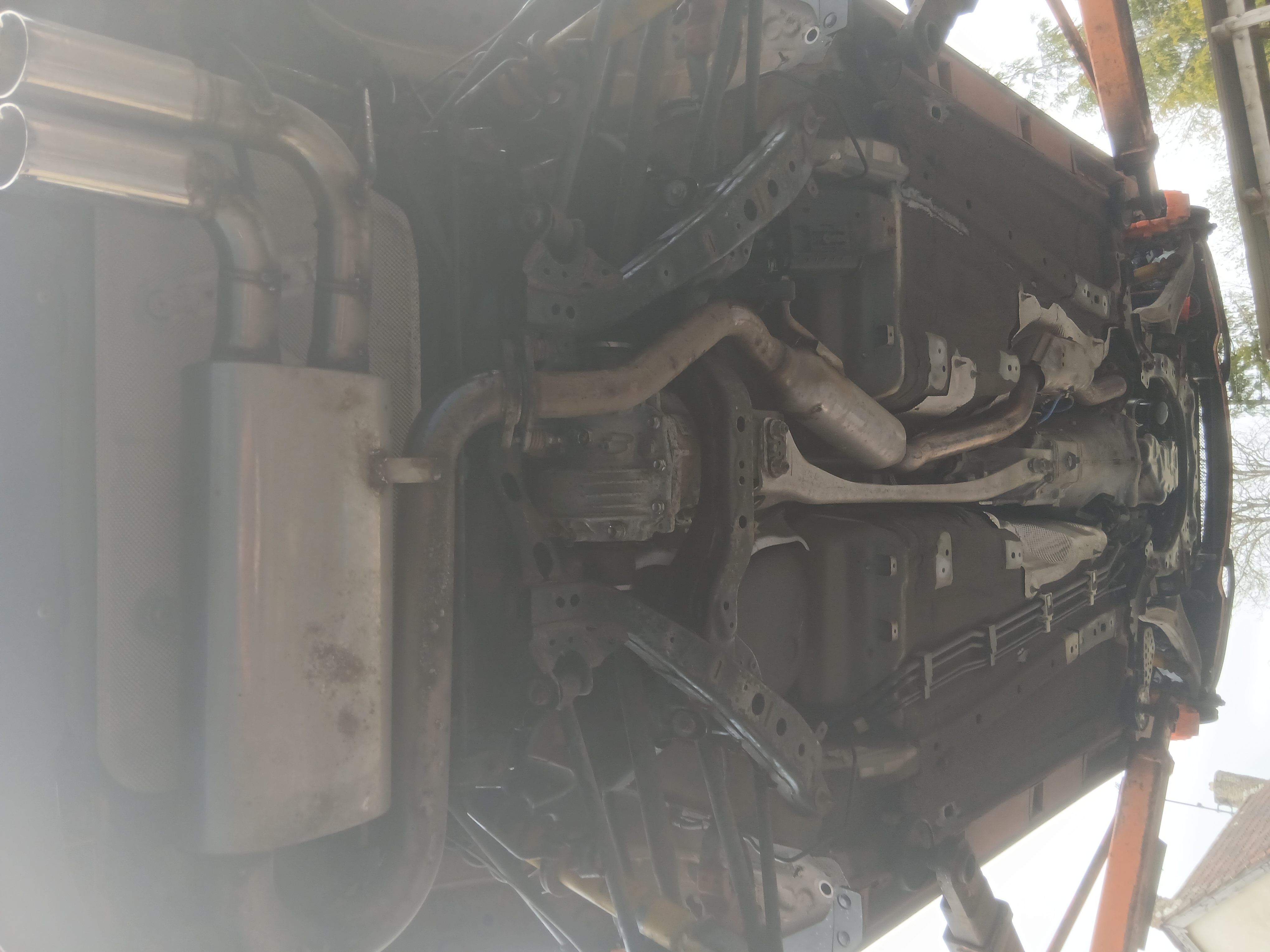
Financial Consequence: The Price of Delay
Doing nothing leads to financial loss. Many owners justify delaying treatment by telling themselves they are "saving money," but the math never supports this. Rust is a debt that compounds over time.
Prevention (Rustproofing): Typically £500 – £1,200 depending on vehicle size. This is a one-time investment in the vehicle’s longevity.
Structural Repair (Welding): Once rust causes an MOT failure, you are looking at £1,000 – £4,000+ in labour and materials to cut out and replace steel.
Resale Value Loss: A rusty chassis is the single biggest deterrent for buyers of 4x4s, vans, and classic cars. Expect a £2,000 – £5,000 reduction in resale value compared to a preserved example.
When you weigh the best rustproofing method for UK vehicles against the cost of structural failure, the financial logic is undeniable. Waiting feels cheaper in the short term, but it is the most expensive mistake you can make.
WHEN TO ACT: The Window of Opportunity
The timing of your intervention determines the effectiveness of the protection.
0–3 Years (Prevention Gold Standard): This is the ultimate window. Treating a vehicle while the steel is pristine ensures the sealant bonds perfectly to the metal, locking out moisture forever.
3–5 Years (Ideal Window): Most vehicles will have minor surface discolouration by now. This is the last chance to apply treatment before the rust begins to penetrate the thickness of the metal.
5+ Years or Visible Rust (Urgent): If you can see rust, the clock is ticking. You are no longer preventing; you are arresting a spread.
Advanced Corrosion (Time-Sensitive): If the rust is flaking or deep, you must act immediately to prevent the vehicle from becoming "beyond economical repair."
The biggest mistake is waiting until rust becomes visible. If you wait, you are paying for a cure instead of a vaccine.
Competitor Contrast: Speed vs. Substance
Most quick rustproofing services focus on appearance and speed. They offer "while-you-wait" services that involve spraying a thick, black coating over existing dirt and moisture. This is a catastrophic error. A poor rustproofing job can be worse than doing nothing, as it traps moisture and accelerates corrosion.
We focus on preparation, internal protection, and long-term structural preservation. That difference is why some treatments last months , and others protect vehicles for years. Rustec provides the best rustproofing method for UK vehicles because we refuse to take shortcuts that compromise your chassis.
Feature | Cheap "Quick" Service | Rustec Elite 72-Hour Standard |
Preparation | Surface pressure wash | Deep steam clean & multi-stage drying |
Drying Time | Minutes | 24+ hours in controlled environment |
Masking | Minimal or none | Exhaust, brakes, and sensors protected |
Cavity Work | Often ignored | Full internal injection of box sections |
Longevity | 6–12 months | Years of structural protection |
The Rustec Elite 72-Hour Standard
We do not believe in fast turnarounds because physics does not allow it. To protect a vehicle properly, it must be bone dry and surgically clean. Our process is a methodical 72-hour operation:
Deep Cleaning: Removal of all plastic undertrays and a high-pressure steam clean to remove years of road salt and grime.
Controlled Drying: The vehicle is placed in a dedicated drying bay for 24 hours. Applying product to damp metal is a recipe for failure.
Precision Masking: We meticulously mask off the exhaust, braking components, and sensitive electrical sensors to ensure the treatment only goes where it belongs.
Cavity Injection: Using high-pressure wands, we inject specialist waxes into the sills, doors, and chassis rails. This is the most critical stage.
Underbody Coating: A durable, self-healing external barrier is applied to the floor pans and chassis legs.
Process matters more than product. You could use the world’s best chemical, but if you spray it over a damp chassis, it will fail.

Buyer Psychology: Regret Minimisation
The most common phrase we hear from customers is: "I wish I had done this sooner."
No one ever regrets protecting their vehicle early, but thousands regret waiting. Think about the peace of mind that comes from knowing your vehicle is immune to the UK winter. Think about the confidence of presenting a clean, rust-free underside at every MOT. Contrast that with the sinking feeling of a mechanic telling you your vehicle has failed its MOT on structural corrosion. Acting now eliminates the possibility of future regret. Understanding does rustproofing increase resale value is about more than just the money, it’s about the pride of owning a vehicle that isn't rotting away.
Take Action Now
Rust doesn’t wait until it becomes visible. By the time most owners notice a problem, the damage underneath has already started costing them money. Waiting feels cheaper in the short term , but it nearly always becomes more expensive later.
In UK conditions, corrosion is not a question of if , but when. Delaying turns prevention into welding bills and resale loss.
👉 Book your inspection now and protect your vehicle before corrosion takes hold.
If you want to protect your vehicle properly , not just cover it up , the best time to act is before corrosion progresses. You can book a free inspection or request a quote here.
FAQ: Rust Prevention and Long-Term Value
How long rustproofing lasts in the UK?
A professional Rustec treatment typically provides robust protection for 5 to 7 years, depending on your mileage and exposure to road salt. We recommend a quick annual inspection to check for physical damage from road debris, but the core protection remains active for years.
Does rustproofing increase resale value?
Absolutely. For high-value vehicles like Land Rovers, Transporters, and classic cars, a documented professional rustproofing treatment can add thousands to the sale price. Buyers are increasingly aware of the "rust trap" that is the UK road network, and they will pay a premium for a preserved chassis.
Can rust cause MOT failure?
Yes, and it is one of the most common reasons for older vehicles to be scrapped in the UK. Any corrosion within 30cm of a mounting point (suspension, seatbelts, steering) or any hole in the structural chassis will result in an immediate failure. Prevention is the only way to avoid the heavy cost of welding repairs.
Is it worth rustproofing an older car?
Yes, provided the structure is still sound. We can arrest the development of surface rust and prevent it from turning into structural rot. It is far better to stop the damage now than to let it continue for another two winters.
Related Rustec posts:
Comments