
How Professional Cavity Wax Injection Eliminates Structural Rust From Your Vehicle's Chassis
Direct Answer: Why Cavity Wax Injection is Mandatory
Professional cavity wax injection is the only effective method to stop structural rust from destroying your vehicle from the inside out. While surface coatings protect visible areas, corrosion primarily targets hidden box sections, sills, and chassis rails where moisture and road salt remain trapped. High-pressure injection of specialized cavity wax creates a self-healing, moisture-displacing barrier that seals metal against oxygen and humidity. Without this, internal corrosion is not a possibility , it is an inevitability in UK conditions.
The Visual Mental Model: The Hollow Bridge Analogy
Imagine a massive steel bridge supporting a motorway. If the external paint looks pristine, you might assume the bridge is safe. However, if the hollow support pillars are filled with salt water and rotting from the inside, the bridge will eventually collapse regardless of how good the outside looks. Your vehicle's chassis is that bridge. The structural strength comes from the hollow box sections. If you only coat the exterior and ignore the internal cavities, you are merely hiding the rot, not stopping it.
Ownership Identity: Why Elite Owners Protect the Core
Serious vehicle owners understand that structural integrity is the most valuable part of their investment. While some owners only worry about the paintwork, elite owners focus on the chassis. They recognize that a vehicle with a "clean" body but a rotting chassis is essentially a write-off. Long-term owners choose the best rustproofing method for UK vehicles because they want to avoid the crushing disappointment of a catastrophic MOT failure or a frame that is too far gone to save. Preserving your vehicle early avoids expensive surprises later.

The Brutal Reality of UK Conditions
In the UK, we face a perfect storm of corrosion triggers. Our councils spread over 60,000 tonnes of salt on the roads every winter. Combined with high humidity and frequent rain, this creates a corrosive brine that is sucked into every hollow cavity of your chassis via capillary action. Once inside, it never truly dries out. In UK conditions, corrosion is not a possibility , it is an inevitability without proper protection. Most factory "e-coats" are insufficient for long-term UK use, especially once they have been chipped by road debris or stressed by chassis flex.
The Financial Consequence: Prevention vs. Structural Failure
Waiting to treat your vehicle is a gamble you will eventually lose. Doing nothing leads to financial loss. The cost of professional protection is a fraction of the cost of structural repair.
Item | Estimated Cost Range |
Professional Rustproofing (Prevention) | £500 – £1,200 |
Structural Welding & Chassis Repairs | £1,000 – £4,000+ |
Resale Value Loss due to Corrosion | £2,000 – £5,000 |
MOT Failure Scrap Value | £ -8,000+ (Total Loss) |
Protecting your vehicle isn't just about maintenance; it's about financial defense. Knowing the cost of rustproofing in the UK now is much better than discovering the cost of a new chassis later.
When to Act: The Critical Windows
The biggest mistake is waiting until rust becomes visible. By the time you see bubbles on a sill or orange stains on a chassis rail, the internal structural damage is already advanced.
0–3 Years (New Vehicles): This is the prevention window. This is the only time you can truly "seal in" a factory-fresh chassis.
3–5 Years (Ideal Window): Most vehicles are beginning to show surface corrosion. Treatment here stops the clock and prevents deep pitting.
5+ Years (Urgent): If your vehicle is over five years old and has never been treated, it is almost certainly corroding internally. Professional intervention is now a matter of salvage, not just prevention.

The Rustec Standard vs. The "Quick Spray" Alternative
Most "quick" rustproofing services focus on speed and external appearance. They might spray a bit of wax into the easy-to-reach holes and call it a day. At Rustec, we operate on a different level of meticulousness. Process matters more than product.
Feature | Cheap/Quick Service | Rustec Elite 72-Hour Standard |
Timeframe | 4–6 Hours | 72 Hours (Minimum) |
Preparation | Surface wash only | Deep steam clean & 24h industrial drying |
Internal Cavities | Partial / Overspray | Full high-pressure 360° probe injection |
Masking | Minimal | Full protection of brakes, engine, & body |
Durability | 6–12 Months | Multi-year structural preservation |
A poor rustproofing job can be worse than doing nothing, as it traps moisture and accelerates corrosion. If the internal cavities aren't bone-dry and properly prepped, you are simply sealing in the destruction.
The Rustec Elite 72-Hour Process
We don't do "express" treatments. To ensure cavity wax actually works, it must be applied to a prepared surface. Our Elite Standard follows a methodical sequence:
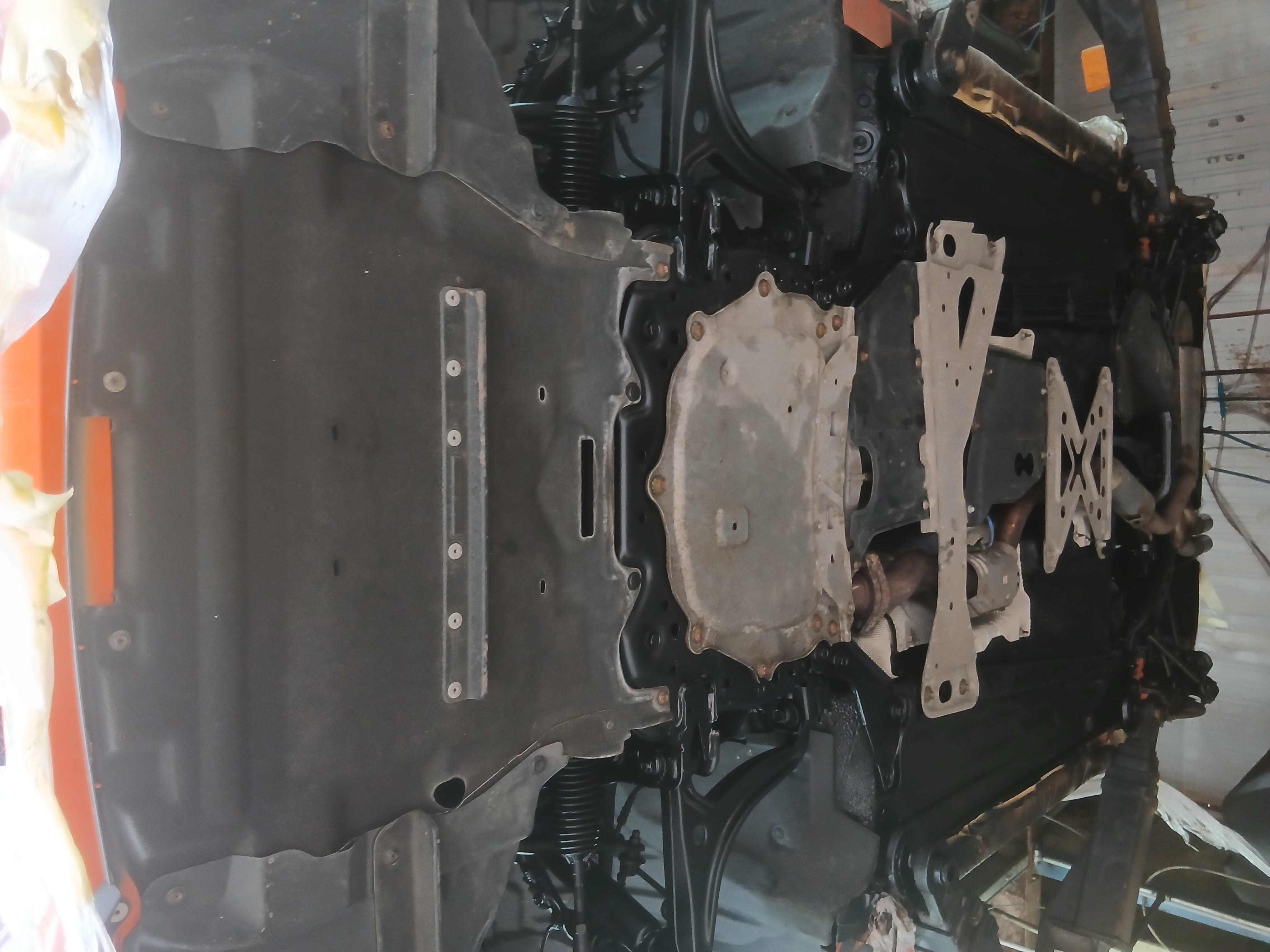
Deep Cleaning: Removal of all plastic guards and a high-pressure underbody steam clean.
Extended Drying: The vehicle remains in our specialized drying bay for at least 24 hours to ensure zero moisture is trapped inside the chassis.
Precision Masking: We mask every component that should not be coated, brakes, exhaust sensors, and engine components, to maintain professional standards.
Cavity Injection: Using specialized long-reach probes, we inject high-creep wax into every box section, sill, and chassis rail.
Underbody Coating: A secondary durable layer is applied to visible areas for impact and salt resistance.
Buyer Psychology: Minimizing Future Regret
Most customers who come to us with older vehicles say the same thing: "I wish I did this sooner." They are usually facing an expensive repair bill or a failed MOT and are trying to save what's left. By acting now, you remove that future regret. You ensure that when you eventually come to sell or trade in, your vehicle stands out as a "clean" example. Ask yourself: does rustproofing increase resale value? In the used market, a documented professional rustproofing treatment is often the deciding factor for a premium price.
FAQ: High-Intent Buyer Questions
Does cavity wax affect my MOT? Yes, but only in a positive way. By preventing structural rot, you are significantly reducing the chances of a "Major" failure. Many people ask, "can rust cause MOT failure?" The answer is yes, if it is within 30cm of a load-bearing point. Cavity wax prevents this from ever happening.
How long does professional rustproofing last? When applied via the Rustec Elite Standard, the internal cavity protection can last for several years. We recommend periodic inspections, but the core structural protection is designed for the long term. You can read more about how long rustproofing lasts in the UK in our detailed guide.
Can I do this myself with a spray can? DIY kits exist, but they lack the pressure required to atomize the wax and coat the entire internal surface of a 2-meter-long chassis rail. Without a professional lift and specialized probes, you will miss more than you hit, leaving "shadow areas" where rust will continue to thrive.
Is it worth it for an older car? If the car is structurally sound, absolutely. It is often the difference between getting another 10 years out of the vehicle or having to scrap it in 2 years.
Related Rustec Posts
Rust doesn’t wait until it becomes visible. By the time most owners notice a problem, the damage underneath has already started costing them money. Waiting feels cheaper in the short term , but it nearly always becomes more expensive later. 👉 Book your inspection now and protect your vehicle before corrosion takes hold. If you're unsure of your vehicle's underbody condition and can't make it for a free inspection, please email photos of your undercarriage to info@rustec.co.uk and one of our technicians will guide you.
Comments